How Much Value Does a Whole House Generator Add to Your Home
A whole house generator can boost your home’s resale value by 3% to 5%, making it one of the smartest home upgrades available. Buyers increasingly seek homes with backup power, and a whole house generator offers peace of mind during outages. Beyond resale, it adds daily value through comfort, convenience, and protection for your appliances.
A whole house generator is more than a luxury. It is a practical investment that protects your home and your lifestyle. Power outages happen more often than most people think. Storms, grid failures, and equipment issues can leave you in the dark for hours or even days.
But here is the real question most homeowners ask. Does a whole house generator actually add value to your home? The short answer is yes. But the full picture is more interesting than a simple yes or no. Let us walk through everything you need to know about the value a standby generator brings to your property.
Whether you are planning to sell soon or just want to enjoy peace of mind, understanding the value of a whole house generator helps you make a smart decision. We will cover resale value, daily benefits, costs, and much more.
Key Takeaways
- Resale Value Boost: Homes with standby generators sell faster and sometimes at a premium.
- Insurance Benefits: Some providers offer discounts for homes with backup power systems.
- Daily Comfort: A whole house generator keeps your HVAC, fridge, and lights running during outages.
- ROI Is Strong: Most homeowners recover a large portion of the installation cost at resale.
- Fuel Matters: Natural gas and propane are popular choices, and you can learn more about natural gas usage in our guide.
- Sizing Is Critical: Choosing the right size generator ensures maximum value and efficiency.
📑 Table of Contents
What Is a Whole House Generator?
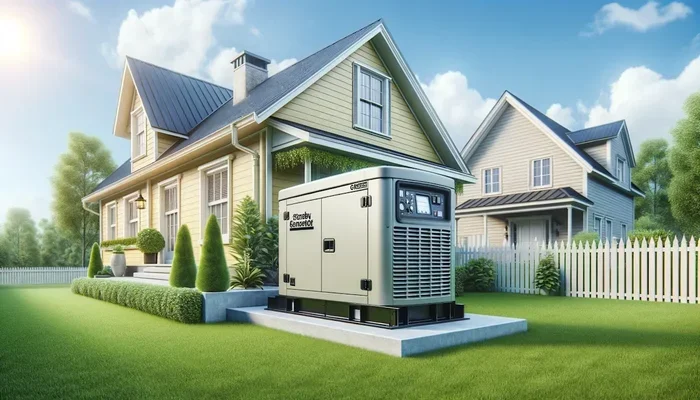
A whole house generator is a permanent backup power system installed outside your home. It automatically kicks on when the power goes out. Unlike portable generators, a standby unit powers your entire electrical system. That means your lights, HVAC, refrigerator, and electronics all keep running.
Most whole house generators run on natural gas or propane. Some models use diesel fuel. Natural gas is the most popular choice because it connects directly to your home’s gas line. You never have to worry about running out of fuel during a long outage.
These generators come in different sizes. The right size depends on your home’s square footage and your power needs. A smaller unit might keep just the essentials running. A larger unit can power everything in your home, including central air and electric stoves.
How Much Value Does a Whole House Generator Add?
Resale Value Impact
The biggest question on most homeowners’ minds is this: will a whole house generator help me sell my home for more? The answer is yes, in most markets. Studies show that homes with backup generators sell faster and sometimes at a higher price than comparable homes without one.
Real estate experts estimate that a whole house generator can increase your home’s resale value by 3% to 5%. On a $300,000 home, that is $9,000 to $15,000 in added value. That is a solid return, especially when you consider the cost of installation.
Buyers in areas prone to storms or frequent outages value backup power highly. In places like the Gulf Coast, the Northeast, and the Midwest, a standby generator is almost expected in higher-end homes. Even in areas with fewer outages, buyers appreciate the convenience and safety a generator provides.
If you are thinking about selling in the near future, a whole house generator is one of the best home upgrades you can make. It appeals to a wide range of buyers and sets your listing apart from the competition.
Daily Value Beyond Resale
The value of a whole house generator is not just about resale. It adds real, everyday value to your life. Power outages are disruptive. They can spoil food, freeze pipes, and make your home uncomfortable.
With a standby generator, your home stays comfortable no matter what. Your refrigerator keeps running. Your heating or cooling system stays on. Your internet router keeps working. These are things you might not think about until they are gone.
Families with young children or elderly members benefit the most. Medical equipment, baby formula storage, and temperature-sensitive medications all need reliable power. A whole house generator ensures these essentials never go without.
Even your home insurance company may offer discounts. Some providers recognize that a backup generator reduces the risk of water damage from frozen pipes or food spoilage. It is worth asking your insurer about potential savings.
Factors That Influence the Value Added
Your Local Climate and Weather
Where you live plays a big role in how much value a generator adds. In areas with harsh winters, a whole house generator keeps your heating system running during blackouts. This is not just about comfort. It is about preventing frozen and burst pipes, which can cause thousands of dollars in damage.
In hurricane-prone regions, backup power is almost a necessity. Homebuyers in Texas, Florida, and Louisiana look for generators as a standard feature. In these markets, a generator is not just a nice-to-have. It is a selling point.
Even in milder climates, unexpected outages happen. A summer storm can knock out power for days. Without air conditioning, your home becomes uncomfortable and potentially dangerous for vulnerable family members.
Home Size and Electrical Demand
The size of your home matters when it comes to generator value. Larger homes with higher electrical demand benefit the most from a whole house generator. These homes have more appliances, systems, and electronics that need power during an outage.
A smaller home might get by with a portable generator. But a portable generator only powers a few things at a time. A whole house generator handles everything simultaneously. That is a huge difference in convenience and capability.
If you have a large home with electric heating, a pool pump, or a home office, the value of a generator increases. These systems are expensive to replace or repair after a power-related failure.
Generator Fuel Type
The fuel type you choose affects both the value and the long-term cost. Natural gas is the most convenient option. It connects to your existing gas line, so you never need to refuel manually. Propane is another popular choice, especially in rural areas without natural gas service.
Diesel generators are powerful but require more maintenance. They are less common for residential use. Most homeowners prefer natural gas or propane for their whole house generator. These fuels are clean-burning and widely available.
If you want to learn more about how natural gas consumption works for generators, check out our detailed guide on natural gas generator usage.
Cost vs. Value: Is a Whole House Generator Worth It?
Installation Costs
The cost of a whole house generator varies widely. A basic 7kW unit might cost $2,000 to $4,000 installed. A larger 20kW system can run $5,000 to $10,000 or more. The price depends on the brand, fuel type, and complexity of the installation.
Additional costs include the electrical panel upgrade, gas line connection, and concrete pad. These are not small expenses, but they are one-time costs. Once installed, your generator provides value for years.
Here is a quick breakdown of typical costs:
- Small Generator (7-10kW): $2,000 – $4,500 installed
- Medium Generator (12-17kW): $4,000 – $7,000 installed
- Large Generator (20-24kW): $6,000 – $12,000 installed
These numbers can vary based on your location and the installer you choose. Always get multiple quotes before making a decision.
Return on Investment
The return on investment for a whole house generator is strong. Most homeowners recover 50% to 70% of the installation cost at resale. That is better than many other home improvements, like a new roof or a kitchen remodel.
Beyond the financial return, there is the intangible value. Peace of mind is priceless. Knowing your family is safe and comfortable during a power outage is something no amount of money can truly measure.
If you are unsure about the right size for your home, our guide on choosing the right backup generator size can help. It covers everything from calculating your power needs to picking the perfect unit.
Common Mistakes to Avoid
Buying the Wrong Size
The most common mistake homeowners make is buying a generator that is too small. A unit that cannot handle your electrical load will not provide the value you expect. It will also wear out faster because it is running at maximum capacity all the time.
Work with a professional to calculate your home’s power needs. They will consider your square footage, appliances, and HVAC system. The goal is to find a unit that handles your essential loads comfortably.
Skipping Regular Maintenance
A generator is only as good as its maintenance. Many homeowners install a unit and then forget about it. This leads to problems when you need the generator most. Regular maintenance includes oil changes, filter replacements, and system tests.
Most manufacturers recommend annual servicing. Some units have self-test features that run automatically. Even with these features, a professional inspection once a year is a smart move.
Ignoring Local Permits
Generator installation often requires permits. Skipping this step can lead to fines and complications when you try to sell your home. Always check with your local building department before installation.
A licensed installer will handle the permitting process for you. This is one more reason to work with a professional rather than attempting a DIY installation.
Expert Insights on Generator Value
Real estate agents and home inspectors agree on one thing. A whole house generator is a standout feature. It catches buyers’ attention immediately. In competitive markets, it can be the difference between getting your full asking price and settling for less.
Home inspectors look for proper generator installation and ventilation. They also check the fuel source and the unit’s age. A newer generator with a valid warranty signals to buyers that the system is well-maintained and ready to go.
Generators also add an element of safety that buyers appreciate. During severe weather, having backup power means your home remains a safe haven. This emotional value often translates into a higher sale price.
If you are considering other home improvements alongside a generator, make sure your electrical systems are up to par. Proper wiring and panel upgrades maximize the generator’s effectiveness and your home’s overall value.
How to Maximize the Value of Your Generator
Once you have a whole house generator installed, there are steps you can take to maximize its value. First, keep the unit clean and well-maintained. A generator that looks cared for makes a great impression on potential buyers.
Second, document everything. Keep records of installation, maintenance, and warranty information. Buyers love to see proof that the system is in good working order. A simple folder with all the paperwork can make a big difference during a sale.
Third, consider adding a transfer switch if you do not have one already. A transfer switch makes the generator integration seamless. It also shows buyers that the system was installed professionally and safely.
Finally, market the generator when you list your home. Highlight it in your listing description. Many buyers do not even realize they want a backup generator until they see one in action. Make sure yours stands out.
While you are at it, if you are curious about how generators work at a deeper level, our article on how electrical generators function explains the technology in simple terms. Understanding how your system works helps you maintain it better and explain its value to potential buyers.
Conclusion
A whole house generator adds real, measurable value to your home. From a 3% to 5% boost in resale value to everyday comfort and safety, the benefits are clear. It is one of the few home upgrades that pays for itself in both financial return and quality of life.
Whether you live in an area prone to storms or simply want the peace of mind that comes with backup power, a standby generator is a smart investment. The key is to choose the right size, fuel type, and brand for your home. Work with a reputable installer, keep up with maintenance, and document everything for future buyers.
The value a whole house generator adds goes beyond numbers on a appraisal. It adds security, comfort, and confidence. In a world where power outages are becoming more common, that value only continues to grow.
Frequently Asked Questions
Does a whole house generator increase home resale value?
Yes, a whole house generator can increase resale value by 3% to 5% in most markets. Buyers in areas with frequent outages especially appreciate homes with standby generators. It is one of the home upgrades that offers a strong return on investment.
How long does a whole house generator last?
Most whole house generators last between 20 and 30 years with proper maintenance. Regular oil changes, filter replacements, and annual professional inspections are key. A well-maintained unit can provide reliable backup power for decades.
What fuel type is best for a whole house generator?
Natural gas is the most popular and convenient fuel type. It connects to your home’s existing gas line, so you never run out of fuel. Propane is a good alternative for homes without natural gas service. Both options offer reliable and clean-burning performance.
Can I install a whole house generator myself?
It is not recommended. Professional installation ensures safety, proper ventilation, and code compliance. A licensed installer also handles permits and electrical connections. DIY installation can void warranties and create safety hazards.
Will my homeowner’s insurance cover a whole house generator?
Some insurance companies offer discounts for homes with backup generators. The generator reduces the risk of damage during outages, such as frozen pipes or food spoilage. Contact your provider to ask about potential savings on your premium.
How big of a generator do I need for my home?
The right size depends on your home’s square footage and electrical needs. A professional load calculation will determine the best size for your situation. For more guidance on sizing, our article on how big of a backup generator you need covers this topic in detail.