Yamaha Inverter Generator Reviews and Buying Guide
Yamaha inverter generators deliver clean, reliable power for camping, RV trips, and home backup. They are known for quiet operation, fuel efficiency, and durable build quality. This guide covers top models, key features, and practical buying advice to help you choose the right unit.
If you have been searching for a reliable portable power source, you have probably come across the Yamaha inverter generator. These machines have earned a strong reputation among campers, RV owners, and homeowners who need dependable backup power. Unlike traditional generators that produce raw, unstable electricity, inverter generators convert power through a multi-step process that delivers clean, steady energy.
What makes Yamaha inverter generators stand out from the competition? It comes down to a combination of quiet operation, fuel efficiency, and build quality that few brands can match. Whether you need to power tools on a job site or keep your fridge running during an outage, there is a Yamaha model built for the job.
In this detailed buying guide, we will walk you through everything you need to know. We will cover how these generators work, compare popular models, highlight key features, and give you practical tips to make the right choice. By the end, you will feel confident about picking the best Yamaha inverter generator for your specific situation.
Key Takeaways
- Clean Power Output: Yamaha inverter generators produce stable, clean sine wave power safe for sensitive electronics like laptops and phones.
- Quiet Operation: Most models run between 50 and 65 decibels, making them ideal for camping and residential use.
- Fuel Efficiency: Eco throttle technology adjusts engine speed to match load, saving fuel and extending run time significantly.
- Parallel Capability: Many models support parallel connection to double your power output when needed.
- Durable and Portable: Yamaha builds these units with quality materials and lightweight designs for easy transport.
- Multiple Size Options: From compact 1000W units to powerful 3000W+ models, there is a Yamaha inverter generator for every need.
📑 Table of Contents
What Is a Yamaha Inverter Generator?
A Yamaha inverter generator is a type of portable electrical generator that uses inverter technology to produce clean, stable power. Traditional generators run at a constant speed and produce raw AC power. Inverter generators, on the other hand, convert AC power to DC and then back to clean AC power. This process removes electrical noise and provides a smooth sine wave output.
How Inverter Technology Works
The process starts with the engine generating raw AC power. A rectifier converts this to DC power. Then an inverter module converts the DC back to AC power at a clean, consistent frequency. The result is power that is just as stable as what you get from a wall outlet. This makes Yamaha inverter generators safe for laptops, smartphones, TVs, and other sensitive electronics.
Why Clean Power Matters
Dirty power can damage your electronics over time. Total harmonic distortion (THD) measures how clean the power is. Most Yamaha inverter generators produce less than 3% THD. This is well within the safe range for all your devices. If you have ever experienced a laptop glitching or a TV flickering on a generator, the problem was likely dirty power. Yamaha solves this problem with their advanced inverter technology.
Top Yamaha Inverter Generator Models
Yamaha offers a wide range of inverter generators to suit different needs and budgets. Let us look at the most popular models and what they bring to the table.
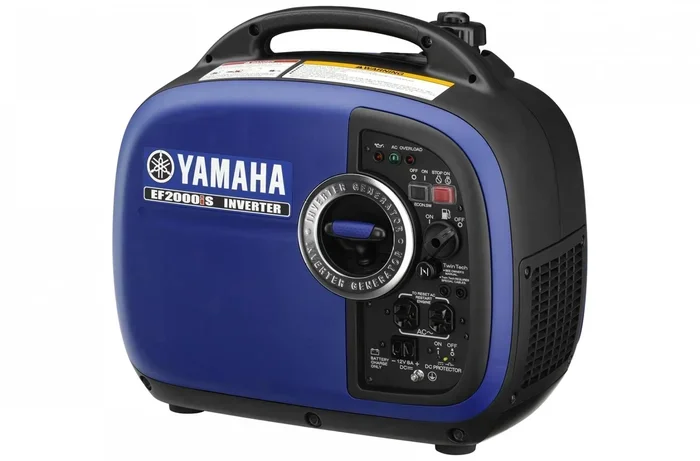
Yamaha EF2000iSv2
The EF2000iSv2 is one of the most popular portable generators on the market. It delivers 2000 starting watts and 1600 running watts. This model weighs just 44 pounds, making it easy to carry to campsites or tailgating events. It runs incredibly quiet at around 51.5 decibels at half load. The run time is about 8 hours at 25% load on a single tank of fuel.
Yamaha EF3000iSEB
If you need more power, the EF3000iSEB is an excellent choice. It produces 3000 starting watts and 2500 running watts. This model is great for RV owners who need to run air conditioners and multiple appliances. It features a larger fuel tank for extended run time and includes a remote start for added convenience. The weight is around 70 pounds, which is still manageable for most people.
Yamaha EF1000iS
The EF1000iS is the compact option in the Yamaha lineup. It provides 1000 starting watts and 800 running watts. This model is perfect for charging phones, running small appliances, or powering lights at a campsite. It weighs only 22 pounds, making it the lightest option. The EF1000iS is ideal for people who prioritize portability above all else.
Key Features to Consider
When shopping for a Yamaha inverter generator, there are several important features to keep in mind. Not all models are created equal, and understanding these features will help you make a smart purchase.
Running Watts vs. Surge Watts
Running watts represent the continuous power a generator can supply. Surge watts represent the extra power available for short bursts when you start motor-driven appliances like refrigerators or air conditioners. Always add up the running watts of all the devices you plan to use at the same time. Then make sure the generator can handle that load plus the surge watts of the biggest appliance.
Fuel Efficiency and Run Time
One of the biggest advantages of Yamaha inverter generators is their fuel efficiency. The eco throttle feature automatically adjusts engine speed based on the electrical load. When you are running light loads, the engine slows down and uses less fuel. This can extend run time significantly compared to traditional generators. For example, the EF2000iSv2 can run up to 8 hours on a single gallon of fuel at light load.
Noise Level
Noise is a major concern for many generator buyers. Traditional generators can be very loud, often exceeding 70 decibels. Yamaha inverter generators are designed for quiet operation. Most models run between 50 and 60 decibels at half load. To put that in perspective, a normal conversation is about 60 decibels. This means you can run a Yamaha generator at a campsite without disturbing your neighbors or the wildlife around you.
Parallel Capability
Many Yamaha models support parallel capability. This means you can connect two identical generators using a parallel cable to double your power output. This is incredibly useful when you need extra power for a short time but do not want to buy a larger, heavier unit. The EF2000iSv2 and EF3000iSEB both support this feature. Simply connect two units and you have a much more powerful setup.
Portability and Design
Yamaha designs their generators with portability in mind. Most models include built-in handles and, in some cases, folding knobs for compact storage. The EF1000iS at 22 pounds is about as portable as it gets. The EF2000iSv2 at 44 pounds is still easy to move around. If you need to carry your generator up a steep trail or load it into a tight RV compartment, the lightweight design of these units makes a big difference.
Pros and Cons of Yamaha Inverter Generators
Like any product, Yamaha inverter generators come with both advantages and a few limitations. Let us break them down honestly.
Pros
- Clean Power: Safe for all your sensitive electronics including computers, TVs, and medical devices.
- Quiet Operation: Among the quietest generators available in the portable power market.
- Excellent Fuel Economy: Eco throttle technology saves fuel and extends run time.
- Durable Build Quality: Yamaha uses high-quality materials and rigorous testing to ensure longevity.
- Parallel Option: Connect two units for more power when you need it.
- Wide Model Range: Options from 1000W to 3000W+ to fit any power need.
- Low Emissions: Most models meet EPA and CARB standards for environmentally friendly operation.
Cons
- Higher Price Point: Yamaha inverter generators cost more than comparable traditional generators from other brands.
- Limited Power Output: Even the largest models max out around 3000W, which may not be enough for heavy-duty applications.
- Repair Costs: Parts and service can be more expensive than for basic conventional generators.
- Weight Can Add Up: While portable, some models are still heavy for certain users, especially when carrying long distances.
How to Choose the Right Yamaha Inverter Generator
Choosing the right Yamaha inverter generator comes down to understanding your power needs and usage situation. Here is a practical guide to help you decide.
Step 1: List Your Essential Appliances
Start by making a list of everything you want to power. Include the wattage of each device. Common items include phones, laptops, lights, fans, small TVs, and refrigerators. Add up the running watts and then check if the surge watts of your largest appliance would push you over the limit.
Step 2: Consider Your Usage Scenario
Are you using the generator for camping, tailgating, RV trips, or home backup? Each scenario has different requirements. For camping, prioritize weight and noise level. For RV trips, look for models with enough running watts to power an air conditioner. For home backup during outages, focus on fuel efficiency and run time.
If you are trying to figure out how much backup power you really need, check out our guide on how big of a backup generator do I need for detailed sizing advice.
Step 3: Set a Budget
Yamaha inverter generators range from around $1,000 for the compact EF1000iS to over $3,000 for the larger EF3000iSEB. Set a realistic budget based on what you need. Remember that investing in a quality generator now can save you money on fuel and repairs over the long run.
Step 4: Check Local Regulations
Some areas have noise ordinances or emissions regulations that affect which generators you can use. Yamaha inverter generators generally meet strict EPA and CARB standards, making them compliant in most locations. Always verify local rules before purchasing.
Maintenance Tips for Longevity
Taking care of your Yamaha inverter generator will keep it running smoothly for years. Here are some simple maintenance tips that every owner should follow.
Regular Oil Changes
Change the oil after the first 20 hours of use, then every 100 hours or at least once per season. Fresh oil keeps the engine lubricated and prevents premature wear. Use the oil type recommended in your owner manual.
Air Filter Maintenance
Check the air filter regularly, especially if you use your generator in dusty environments. A clogged air filter reduces engine performance and fuel efficiency. Clean or replace the air filter as needed. This is one of the easiest maintenance tasks and makes a big difference.
Fuel Stabilizer for Storage
If you do not use your generator often, add fuel stabilizer to the tank before storing it. Stale fuel can clog the carburetor and cause starting problems. Run the generator for a few minutes after adding stabilizer to circulate the treated fuel through the system.
Spark Plug Inspection
Inspect the spark plug every few months. A worn spark plug can cause rough running or difficulty starting. Clean the electrode and gap if needed, or replace it if it shows signs of wear. This small part plays a big role in reliable operation.
For more detailed information on generator testing and maintenance best practices, visit our generator testing guide for professional tips.
Proper Storage
Store your generator in a dry, well-ventilated area. Never store it with fuel in the carburetor if you plan to leave it unused for an extended period. Cover the unit to protect it from dust and moisture. Proper storage habits will extend the life of your generator significantly.
Final Thoughts
Yamaha inverter generators are an excellent choice for anyone who needs reliable, clean, and quiet portable power. From the compact EF1000iS to the powerful EF3000iSEB, Yamaha offers a model that fits almost every situation. The combination of fuel efficiency, low noise, and durable construction sets these generators apart from the competition.
When you invest in a Yamaha inverter generator, you are getting a product backed by years of engineering excellence and a strong reputation for quality. The initial cost may be higher than some alternatives, but the long-term value in fuel savings, reliability, and protection of your electronics makes it well worth it.
Take the time to assess your power needs, compare the models we have covered, and choose the one that fits your lifestyle best. With proper maintenance, your Yamaha inverter generator will serve you reliably for many years to come.
For those interested in learning more about fuel consumption and efficiency, we also have a detailed article on how much natural gas does a generator use that provides useful comparisons across fuel types.
Whether you are a weekend camper, a full-time RVer, or someone preparing for emergency situations, a Yamaha inverter generator is a smart investment. The clean power, quiet operation, and impressive fuel economy make these units hard to beat. Start your search today and enjoy the peace of mind that comes with knowing you have reliable portable power whenever you need it.
Frequently Asked Questions
What makes Yamaha inverter generators different from regular generators?
Yamaha inverter generators use advanced inverter technology to convert raw power into clean, stable electricity. Traditional generators produce raw AC power that can be noisy and dirty. Inverter generators are quieter, more fuel-efficient, and produce power that is safe for sensitive electronics like laptops and phones.
How long can a Yamaha inverter generator run on a full tank?
Run time varies by model and load. The EF2000iSv2 can run up to 8 hours at 25% load. The EF3000iSEB offers similar run times with a larger fuel tank. Running at lighter loads extends the run time significantly thanks to the eco throttle feature that adjusts engine speed automatically.
Are Yamaha inverter generators loud?
No, Yamaha inverter generators are among the quietest on the market. Most models run between 50 and 60 decibels at half load. To put this in perspective, a normal conversation is about 60 decibels. This makes them ideal for camping, RV trips, and residential use where noise is a concern.
Can I connect two Yamaha inverter generators together?
Yes, many Yamaha inverter generator models support parallel capability. You can connect two identical units using a parallel cable to double your power output. This is a great option when you need extra power temporarily without buying a larger, heavier single unit. Check your specific model to confirm it supports parallel connection.
What can I power with a Yamaha inverter generator?
The answer depends on the model and its wattage. A 2000W model like the EF2000iSv2 can handle phones, laptops, lights, a small TV, and a mini fridge. A 3000W model like the EF3000iSEB can power larger appliances including RV air conditioners, microwaves, and multiple tools. Always check the running and surge wattage of your devices before connecting them.
How often should I maintain my Yamaha inverter generator?
Basic maintenance includes oil changes every 100 hours or once per season, air filter checks, spark plug inspection, and using fuel stabilizer for long-term storage. Following these simple steps will keep your generator running reliably for many years. Always refer to your owner manual for model-specific maintenance schedules.