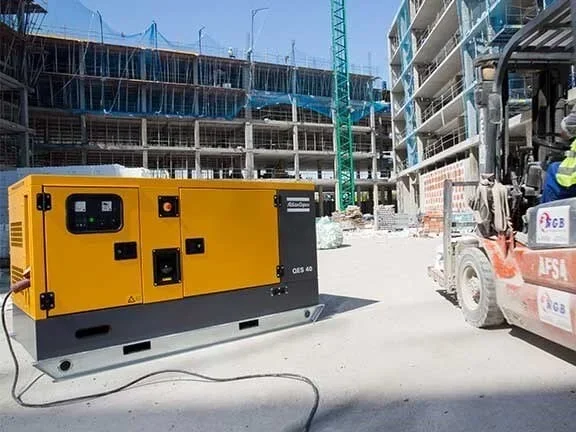
Construction Generator Rental Guide For Your Project
Construction generator rental is one of the smartest decisions you can make for any building project. Whether you need temporary power for tools, lighting, or equipment, renting a generator gives you flexibility without the long-term commitment. This guide covers everything from sizing your unit to managing rental costs.
Key Takeaways
- Right sizing matters: Choosing a generator with adequate wattage prevents overloads and keeps your job site running smoothly.
- Fuel type affects cost: Diesel, gasoline, and propane each offer different benefits depending on your project duration and power needs.
- Rental costs vary widely: Weekly and monthly rates, delivery fees, and fuel expenses all factor into your total budget.
- Maintenance is key: Regular testing and proper setup extend the life of your rented unit and prevent costly breakdowns.
- Avoid common mistakes: Skipping load calculations, ignoring noise regulations, and overlooking ventilation can create serious problems on site.
📑 Table of Contents
- Why Construction Generator Rental Is Essential For Your Project
- How To Choose The Right Construction Generator Rental
- Understanding Generator Power Output And Capacity
- Construction Generator Rental Costs And Budget Tips
- Setting Up And Maintaining Your Rented Generator
- Common Mistakes To Avoid When Renting A Generator
- Expert Insights On Construction Generator Rental
- Conclusion
Why Construction Generator Rental Is Essential For Your Project
Every construction project needs reliable power. Whether you are running heavy machinery, powering lights for night shifts, or charging tools on a busy job site, a steady power supply is non-negotiable. But buying a generator outright can be expensive, especially for short-term projects. That is where construction generator rental steps in as the practical solution.
Renting a generator gives you access to high-quality equipment without the burden of ownership. You get the power output you need, for exactly as long as your project requires. When the job wraps up, you return the unit. Simple, cost-effective, and incredibly convenient. Temporary power solutions like these have become a staple in the construction industry for good reason.
Beyond just convenience, renting lets you choose from a wide range of construction equipment options. You can match the generator to the specific demands of each phase of your build. This level of flexibility is hard to achieve when you commit to purchasing a single unit. Let us dive deeper into how to make the most of your generator rental experience.
The Role Of Power On A Construction Site
A modern construction site is a power-hungry environment. Think about all the tools and systems that rely on electricity: concrete mixers, welders, saws, compressors, lighting towers, and even communication equipment. Losing power means losing productivity. In worst-case scenarios, it creates dangerous working conditions.
A well-planned construction generator rental ensures that every tool and machine operates without interruption. It also supports essential safety systems like emergency lighting and ventilation. Proper project planning includes securing a dependable power source before breaking ground.
How To Choose The Right Construction Generator Rental
Picking the perfect generator for your site is not a one-size-fits-all process. Several factors come into play, and getting them right saves you time, money, and headaches. Here is a breakdown of what to consider when exploring generator rental services.
Assess Your Power Needs
Start by listing every piece of equipment that will run on the generator. Add up their wattage requirements to determine your total electrical loads. Do not forget to account for startup surges, which can spike power demand significantly. A good rule of thumb is to add a 20 percent buffer on top of your calculated total.
For example, if your tools and lights add up to 15,000 watts, aim for a generator rated around 18,000 watts. This prevents the unit from straining under pressure. If you are unsure about your calculations, many generator rental companies will help you determine the right size.
Consider The Fuel Type
Your choice of fuel impacts runtime, cost, and emissions. Here is a quick comparison of the most common options:
- Diesel: Fuel-efficient, durable, and ideal for long-term projects. Diesel units often deliver the best power output for heavy-duty use.
- Gasoline: Widely available and easy to store. Best suited for smaller jobs or short-term temporary power needs.
- Propane: Clean-burning and versatile. A solid choice if you need to store fuel for extended periods without degradation.
Each fuel type has trade-offs. Diesel generators tend to cost more upfront but offer better fuel economy over time. Gasoline units are cheaper to rent but may burn through fuel faster. Propane sits in the middle, offering a cleaner burn with decent runtime.
Evaluate Portability And Size
Construction sites change fast. Your generator needs to move with the workflow. Portable generators work well for smaller tasks and locations without fixed power infrastructure. Larger, trailer-mounted units provide stable power for bigger operations but require more space and planning.
Think about access roads, lifting equipment, and the physical footprint on your site. A unit that is too large for your space creates logistical bottlenecks. Always confirm dimensions and weight before finalizing your construction generator rental.
Understanding Generator Power Output And Capacity
One of the most important concepts in generator rental is understanding power output. Generators are rated in watts (or kilowatts), and this number tells you how much electricity the unit can produce. Not all watts are equal, though. There are two key ratings to understand.
Running Watts Vs Surge Watts
Running watts (also called continuous watts) are the steady power a generator can supply over long periods. Surge watts (or peak watts) are the extra power available for brief moments, such as when a motor starts up. Many tools and machines draw more power during startup than during normal operation.
For instance, a circular saw might need 2,000 running watts but demand 4,000 surge watts when you hit the power switch. If your generator cannot handle that surge, the circuit breaker trips and you lose power. Always check both ratings when planning your construction generator rental.
Match The Generator To Your Load
To find the right unit, add up the running watts for all your equipment. Then check the surge wattage for any motor-driven tools. Choose a generator that comfortably exceeds both totals. This approach keeps your electrical loads balanced and your job site safe.
If you are still uncertain about sizing, check out this helpful resource on how big of a backup generator do I need for additional guidance on matching power capacity to your requirements.
Construction Generator Rental Costs And Budget Tips
Budgeting for a construction generator rental involves more than just the weekly or monthly rental rate. Several additional costs can surprise first-time renters. Understanding these expenses upfront helps you plan more accurately and avoid unexpected charges.
Typical Rental Rates
Rental pricing depends on the generator size, fuel type, and rental duration. As a general reference:
- Small portable units (3,000–5,000 watts): $100–$300 per week.
- Mid-size units (8,000–12,000 watts): $300–$700 per week.
- Large industrial units (15,000+ watts): $700–$2,000+ per week.
Monthly rates typically offer better value compared to weekly rentals. If your project spans several months, always ask about discounted monthly pricing from your generator rental services.
Hidden Costs To Watch For
Keep an eye out for these additional expenses that can increase your total cost:
- Delivery and pickup fees: Transporting heavy units to and from your site adds cost, especially for remote locations.
- Fuel expenses: Some rentals include fuel, but many require you to return the unit with a full tank. Track your natural gas consumption or fuel usage carefully.
- Insurance: Rental companies often offer damage protection plans. Review whether your existing insurance already covers rented equipment.
- Permit fees: Some areas require permits for operating industrial generators, especially regarding noise and emissions.
Tips To Lower Your Rental Costs
Here are practical ways to keep your budget in check:
- Rent for the longest duration that fits your timeline. Monthly rates almost always beat weekly pricing.
- Combine your construction generator rental with other equipment rentals from the same company for bundled discounts.
- Share a generator with another contractor on an adjacent site if your electrical loads are compatible.
- Return the unit on time. Late fees add up quickly and eat into your project budget.
For a deeper understanding of fuel costs and usage, you may want to read about how much natural gas does a generator use to better estimate your ongoing fuel expenses.
Setting Up And Maintaining Your Rented Generator
Once your construction generator rental arrives on site, proper setup makes all the difference. A poorly placed generator runs less efficiently, creates noise issues, and may even pose safety hazards. Maintenance during the rental period keeps the unit running strong until you return it.
Best Practices For Generator Placement
Placement affects performance, safety, and noise levels. Follow these guidelines:
- Ventilation: Generators produce carbon monoxide. Always place the unit outdoors or in a well-ventilated area. Never run a generator indoors or in enclosed spaces.
- Distance from workers: Position the generator far enough from the main work area to reduce noise and exhaust exposure. Sound barriers can help if space is limited.
- Stable ground: Set the unit on a flat, firm surface. Uneven ground causes vibrations that damage components over time.
- Protection from weather: Use a canopy or enclosure to shield the generator from rain, snow, and direct sun. Water and electronics do not mix.
Daily Maintenance Checklist
Keeping up with routine maintenance during your rental period prevents breakdowns and extends the life of the equipment. Here is a simple daily checklist:
- Check the oil level before each use. Top off if needed.
- Inspect the fuel line and connections for leaks or damage.
- Clear debris and dirt from the air intake and cooling vents.
- Test the battery and ensure all connections are tight.
- Listen for unusual sounds like knocking or rattling. Report anything abnormal to the rental company immediately.
If you want to learn more about keeping your equipment in top shape, explore resources on generator testing for professional testing methods and protocols that ensure reliable performance.
When To Contact Your Rental Company
Do not try to fix serious issues yourself. If the generator fails to start, produces excessive smoke, or shows warning lights, contact your rental provider right away. Most reputable generator rental services offer 24/7 emergency support. Using the unit as intended and reporting problems promptly keeps you in good standing with the rental agreement.
Common Mistakes To Avoid When Renting A Generator
Even experienced project managers can stumble when arranging power for a construction site. Avoiding these common mistakes saves time, money, and potential safety incidents.
Skipping The Load Calculation
This is the number one mistake people make. Renting a generator without calculating your total electrical loads often leads to undersized units. An undersized generator overheats, trips breakers, and can damage your tools. Always do the math before committing to a construction generator rental.
Ignoring Noise Regulations
Many construction zones have strict noise limits, especially in urban areas or near residential neighborhoods. A loud generator can result in fines and work stoppages. Check local regulations before selecting your unit. Consider noise-reducing enclosures or choose a quieter model to stay compliant.
Overlooking Ventilation And Safety
Running a generator in a confined space is extremely dangerous. Carbon monoxide is odorless and colorless. Every year, workers are injured or killed by generator exhaust in poorly ventilated areas. Always prioritize fresh air and proper exhaust routing when planning your setup.
Neglecting To Read The Rental Agreement
Rental agreements contain important details about fuel policies, damage liability, insurance coverage, and return deadlines. Skipping through the fine print can lead to unexpected charges. Read every section carefully and ask questions about anything you do not understand before signing.
Choosing The Wrong Fuel Type
As discussed earlier, fuel choice matters. Selecting a gasoline generator for a six-month project means frequent refueling and higher operating costs. Conversely, choosing a diesel unit for a two-day job is overkill. Match the fuel type to your project duration and power demands for the best results with your temporary power solution.
Expert Insights On Construction Generator Rental
Industry professionals emphasize a few key principles when it comes to power planning on construction sites. These insights can help you make smarter decisions with your construction generator rental.
Plan Ahead, Not In A Rush
Experienced contractors stress the importance of early planning. Securing your generator well before your project starts avoids last-minute scrambles and premium rush fees. Power needs often evolve during a build, so having a buffer in your rental plan accounts for changes in construction equipment requirements.
Build Relationships With Rental Providers
Establishing a relationship with a reliable generator rental services provider pays dividends over time. Frequent renters often receive better rates, priority availability, and faster emergency support. A trusted partner also understands your specific needs and can recommend equipment upgrades as your projects grow.
Invest In Operator Training
Even though you are renting the unit, proper training for the person operating the generator reduces risks significantly. Trained operators handle startup, load management, and shutdown procedures correctly. They also spot potential problems early, preventing costly downtime. Many rental companies offer brief training sessions with their equipment.
Conclusion
Construction generator rental is a practical, cost-effective way to keep your project powered from start to finish. By choosing the right size, understanding fuel options, and budgeting for all associated costs, you set your team up for success. Proper setup, daily maintenance, and avoiding common mistakes further protect your investment and keep your workers safe.
The key to a smooth rental experience lies in preparation. Calculate your electrical loads, compare rental providers, and plan your placement before the generator arrives on site. Follow the maintenance checklist, stay aware of noise regulations, and never hesitate to reach out to your rental company for support.
With the right approach, your temporary power solution becomes a reliable backbone for every phase of construction. Apply these tips, share them with your team, and watch your project run more efficiently from the ground up.
Frequently Asked Questions
How long can I rent a construction generator for?
Most rental companies offer flexible terms ranging from daily to weekly to monthly rentals. Long-term projects often benefit from monthly pricing, which typically provides better value. Discuss your project timeline with the provider to find the most cost-effective rental duration.
What size generator do I need for a typical construction site?
The right size depends on your total electrical loads. Add up the wattage for all your tools and equipment, including startup surges, then add a 20 percent buffer. Small sites may need 5,000 to 8,000 watts, while larger operations often require 15,000 watts or more. Consult your rental provider if you are unsure about proper sizing.
Can I run a construction generator indoors or in a garage?
No. Generators must never be operated indoors or in enclosed spaces due to carbon monoxide risks. Always place the unit outdoors in a well-ventilated area. Use proper exhaust routing and keep the generator away from windows, doors, and air intakes to ensure worker safety.
What fuel type is best for construction generator rental?
It depends on your project length and power needs. Diesel is ideal for long-term, heavy-duty use due to its efficiency and durability. Gasoline works well for short-term jobs and smaller equipment. Propane offers a clean-burning alternative with long storage life. Match the fuel type to your specific temporary power requirements.
Do generator rental companies deliver the equipment?
Most generator rental services offer delivery and pickup for an additional fee. Delivery costs depend on distance, unit size, and site accessibility. Some companies include delivery within a certain radius. Always confirm logistics and transportation requirements before finalizing your rental agreement.
What should I do if the rented generator breaks down on site?
Contact your rental company immediately. Reputable providers offer 24/7 emergency support and will dispatch a technician or replacement unit. Do not attempt major repairs yourself, as this may void your rental agreement. Document the issue with photos and notes for your records and insurance purposes.
=== CONCLUSION ===
Conclusion
Securing the right construction generator rental keeps your project running without interruption, from the first day of site preparation to the final finishing touches. Understanding power output requirements, fuel options, rental costs, and maintenance basics gives you a strong foundation for making smart decisions. Avoid common pitfalls like undersizing your unit, ignoring safety protocols, and skipping load calculations.
Use the tips and insights in this guide to confidently choose, set up, and manage your rented generator. A well-planned temporary power strategy protects your budget, your team, and your project timeline. Start planning early, communicate with your rental provider, and enjoy a job site powered reliably from start to finish.