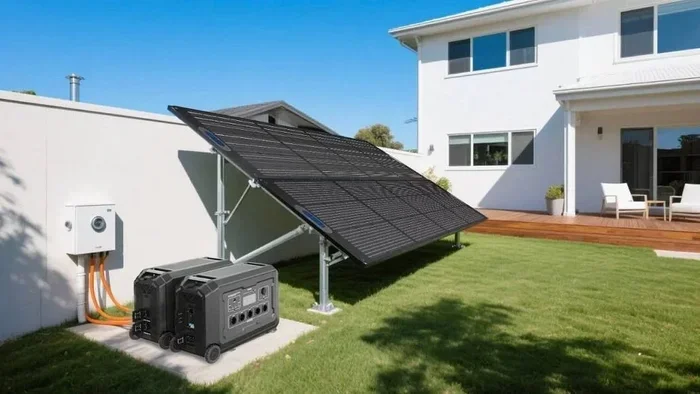
Solar Powered Generator for House That Saves You Money
A solar powered generator for house use is one of the smartest investments you can make for your home. It captures free sunlight and converts it into electricity, helping you cut utility costs and reduce your reliance on the grid. Whether you want backup power during outages or a full-time renewable energy solution, a solar generator delivers real savings and peace of mind.
This is a comprehensive guide about solar powered generator for house.
Key Takeaways
- Lower Energy Bills: A solar powered generator for house use can significantly reduce your monthly electricity costs by harnessing free solar energy.
- Backup Power During Outages: Keep your essential appliances running when the grid goes down with a reliable solar battery storage system.
- Eco-Friendly Energy: Solar generators produce clean energy with zero emissions, helping you shrink your carbon footprint.
- Easy to Install and Maintain: Most home solar generator kits come with straightforward setup and require very little ongoing upkeep.
- Long-Term Savings: While the upfront cost can be higher, the return on investment pays for itself within a few years through energy savings.
- Quiet and Safe: Unlike fuel-powered generators, solar generators run silently and produce no harmful fumes.
- Scalable Power: You can start small and expand your solar power system as your energy needs grow.
[FEATURED_IMAGE_PLACEHOLDER]
What Is a Solar Powered Generator for House Use?
A solar powered generator for house is a device that captures sunlight and turns it into electricity you can use at home. It typically includes solar panels, a battery bank, and an inverter. Together, these parts collect, store, and distribute solar energy to power your lights, appliances, and electronics.
Unlike a gas generator that burns fuel, a solar generator runs on pure sunlight. This means no loud noise, no toxic fumes, and no trips to the gas station. More homeowners are switching to renewable energy solutions because they are cleaner, quieter, and cheaper over time.
The basic idea is simple. Solar panels sit on your roof or in your yard. They soak up sunlight during the day. The energy gets stored in batteries so you can use it at night or on cloudy days. This setup gives you a reliable source of household electricity without depending entirely on your local utility company.
People choose solar generators for many reasons. Some want to save money on their power bills. Others live in areas prone to power outages and need a dependable backup source. And many just want to do their part for the planet by choosing green energy options.
No matter your reason, a solar generator for home use is a practical and smart choice. It works for small cottages and large family homes alike. You can start with a basic setup and grow it over time as your needs change.
How Does a Solar Powered Generator Work?
Understanding how a solar powered generator for house works is easier than you might think. The process involves three main steps: collecting sunlight, storing energy, and converting it into usable power.
Step 1: Collecting Sunlight
Solar panels are the first piece of the puzzle. They contain photovoltaic cells that absorb sunlight and create direct current (DC) electricity. The more sunlight your panels receive, the more energy they produce. This is why placement matters a lot. Roof-mounted panels work great for most homes, but ground-mounted options are also available if your roof isn’t ideal.
Step 2: Storing Energy
The electricity your panels generate needs to go somewhere. That’s where the battery bank comes in. Most home solar setups use lithium-ion batteries because they last long and hold a strong charge. The stored energy powers your home when the sun goes down or during cloudy weather. If you are curious about how long these batteries can hold a charge, check out this guide on how long a generator battery lasts.
Step 3: Converting Power
The inverter takes the DC electricity from the batteries and converts it into alternating current (AC) electricity. This is the same type of power your home appliances use. Without an inverter, you couldn’t run your fridge, TV, or lights from solar energy. Modern inverters are highly efficient and lose very little power during the conversion process.
Some advanced systems also include a charge controller. This small device regulates the flow of electricity from the panels to the batteries. It prevents overcharging and extends the life of your battery bank. Together, all these components create a seamless solar power system that keeps your home powered around the clock.
Benefits of Using a Solar Powered Generator for House
Switching to a solar generator offers a long list of benefits. Let us walk through the biggest advantages that make this technology so appealing for homeowners.
Slash Your Energy Bills
The most exciting benefit is the money you save. Solar energy is free once you have your system set up. You pull electricity from the sun instead of the grid, which means your monthly bills drop significantly. Over time, the savings add up to hundreds or even thousands of dollars. Many homeowners see a full return on their investment within five to seven years.
Energy Independence
When you generate your own electricity, you rely less on the utility grid. This gives you a sense of energy independence that many homeowners love. You are not at the mercy of rising electricity rates or supply shortages. Your power comes from the sun, which is available everywhere and never runs out.
Reliable Backup Power
Storms, accidents, and equipment failures can knock out the power grid. When that happens, a solar generator keeps your home running. You can power essential devices like refrigerators, medical equipment, and lights during an outage. A solar generator for home is one of the best backup power solutions you can invest in.
Environmentally Friendly
Solar energy produces zero emissions while generating electricity. It does not release carbon dioxide or other pollutants into the air. By choosing a clean energy source, you help reduce your household’s carbon footprint. Every kilowatt-hour of solar energy is one less kilowatt-hour you take from fossil fuel sources.
Quiet and Safe Operation
Gas generators are loud. They also produce carbon monoxide, which can be dangerous if not properly ventilated. Solar generators make zero noise and emit no fumes. They are safe to use indoors and around your family. You can place a battery unit in your garage or basement without any safety concerns.
How to Choose the Right Solar Powered Generator for Your Home
Not all solar generators are the same. Picking the right one for your house depends on your energy needs, budget, and available space. Here is a practical guide to help you make the best choice.
Calculate Your Energy Needs
Start by adding up the wattage of the appliances you want to power. Your fridge might use 700 watts, your lights 100 watts, and your TV 150 watts. Add these together to get a total wattage estimate. This tells you how much solar capacity you need from your generator. Most households need a system rated between 3,000 and 8,000 watts for full coverage.
Consider Battery Storage
Battery capacity determines how long your generator can run on a full charge. Look for a system with enough watt-hours to cover your nightly usage. If you live somewhere with frequent cloudy days, you want extra storage capacity. A larger battery bank means more backup power when the sun is not shining.
Check the Inverter Quality
The inverter is the heart of your solar generator setup. A poor-quality inverter wastes energy and can damage your appliances. Look for pure sine wave inverters because they deliver clean, stable power. These inverters are safe for sensitive electronics like laptops and medical devices.
Think About Expandability
Your energy needs might grow over time. Maybe you buy an electric vehicle or add a home office. Choose a solar generator system that allows you to add more panels or batteries later. This way, you do not have to replace the entire system when your needs change. A scalable solar kit gives you flexibility and long-term value.
Budget and Incentives
Solar generators come in a wide price range. Basic portable units start around $500, while whole-house systems can cost $5,000 or more. Do not forget to look into federal and state tax credits. Many areas offer incentives that can offset 26% or more of your installation cost. These credits make solar power more affordable than ever before.
Installation and Setup Tips
Setting up your solar powered generator for house does not have to be complicated. With the right approach, you can have your system up and running in just a few days.
Choose the Right Location for Panels
Your solar panels need maximum sun exposure to work efficiently. South-facing roofs are ideal in the Northern Hemisphere. Make sure there are no tall trees or buildings casting shadows on your panels. Even partial shade can reduce your energy output significantly.
Mount the Panels Securely
Use proper mounting hardware for your roof type. Most residential panels use racking systems that attach to roof rafters. If you are not comfortable working on your roof, hire a professional installer. Proper mounting ensures your panels stay secure through storms and high winds.
Connect the Battery and Inverter
Place your battery bank in a cool, dry location. Extreme heat shortens battery life. Connect the inverter to your main electrical panel following the manufacturer’s instructions. If you are unsure about any electrical work, consult a licensed electrician. Safety always comes first.
Test Your System
Once everything is connected, test each component individually. Check that the panels are producing power, the batteries are charging, and the inverter is outputting correctly. Monitor your system for the first few days to make sure everything works as expected. Most modern systems come with monitoring apps that let you track performance from your phone.
Solar Powered Generator vs Traditional Generator
Many homeowners compare solar generators to traditional gas generators before making a decision. Both have their place, but they serve very different needs.
- Fuel Cost: Solar generators use free sunlight, while gas generators require constant fuel purchases.
- Noise Level: Solar generators run silently. Gas generators can be extremely loud and disruptive.
- Maintenance: Solar systems need very little upkeep. Gas generators require regular oil changes, filter replacements, and tune-ups.
- Emissions: Solar generators produce zero emissions. Gas generators release carbon monoxide and other harmful pollutants.
- Operating Cost Over Time: Solar generators save money in the long run. Gas generators become increasingly expensive as fuel prices rise.
For most homeowners, a solar powered generator for house is the better choice. The upfront cost is higher, but the long-term savings are substantial. You also get the added benefit of clean, quiet, and reliable energy. If you want to explore more about different generator types, this article on generators for electricity provides a great comparison of available options.
Common Mistakes to Avoid When Buying a Solar Generator
Buying a solar generator is a big decision. Avoid these common pitfalls to make sure you get the best system for your home.
- Underestimating Your Power Needs: Many people buy a generator that is too small for their household. Calculate your total wattage carefully before purchasing.
- Ignoring Battery Quality: Cheap batteries degrade quickly and need frequent replacement. Invest in quality lithium-ion batteries for the best long-term performance.
- Skipping Professional Installation: While DIY installation is possible, professional setup ensures safety and optimal performance. Do not skip this step if you are not experienced with electrical work.
- Forgetting About Maintenance: Solar generators require minimal maintenance, but you should still clean your panels and check connections regularly. Neglecting upkeep reduces efficiency over time.
- Not Checking Warranty Terms: A good warranty protects your investment. Look for systems with at least a 10-year warranty on panels and a 5-year warranty on batteries.
Expert Insights on Solar Power for Homes
Industry experts agree that solar energy is the future of home power. According to the U.S. Department of Energy, the cost of solar panels has dropped by more than 70% in the last decade. This makes solar generators more accessible to everyday homeowners than ever before.
Experts also emphasize the importance of starting with a solid foundation. “Begin with your energy needs and build from there,” says renewable energy consultant Mark Stevens. “Do not oversize or undersize your system. A properly sized solar generator for home gives you the best balance of cost and performance.”
Another expert tip is to pair your solar generator with energy-efficient appliances. LED bulbs, smart thermostats, and Energy Star-rated devices all reduce your overall electricity demand. This means your solar system can power more of your home with less effort. Small efficiency upgrades make a big difference in your daily energy use.
Final Thoughts
A solar powered generator for house is more than just a trendy gadget. It is a practical, money-saving investment that pays dividends for years to come. You get lower energy bills, reliable backup power, and the satisfaction of using clean, renewable energy every single day.
The technology has never been better or more affordable. With today’s solar kits, you can set up a whole-home power system that works quietly and efficiently in the background. Whether you are motivated by savings, sustainability, or energy independence, a solar generator delivers on all fronts.
Start by calculating your household energy needs. Research different systems and compare features. Take advantage of available tax credits and incentives to bring down your upfront costs. The sooner you make the switch, the sooner you start saving. Solar power is not just the future, it is the smartest choice for your home today.
Frequently Asked Questions
Can a solar powered generator power an entire house?
Yes, a properly sized solar generator can power your entire house. The key is calculating your total energy needs and choosing a system with enough wattage and battery capacity. Most whole-home systems range from 3,000 to 8,000 watts depending on your household usage.
How much does a solar generator for a house cost?
Costs vary widely based on system size and brand. Basic portable units start around $500, while comprehensive whole-house systems can range from $3,000 to $10,000 or more. Federal and state incentives can significantly reduce your final cost.
Do solar generators work on cloudy days?
Yes, solar panels still generate electricity on cloudy days, though at reduced efficiency. The battery bank stores energy from sunny days, so you have power available even when the sun is not shining brightly. Good battery storage is essential for consistent performance.
How long does it take to install a solar generator at home?
A typical residential installation takes one to three days. This includes mounting the panels, connecting the battery and inverter, and testing the entire system. Professional installation ensures everything is set up safely and correctly.
Is a solar generator better than a gas generator?
For most homeowners, yes. Solar generators are quieter, cleaner, and cheaper to operate over time. They require minimal maintenance and produce no harmful emissions. Gas generators still have their uses, but solar generators are the better long-term investment for home use.
How do I maintain my solar powered generator?
Maintenance is simple and minimal. Clean your solar panels a few times a year to remove dust and debris. Check battery connections periodically and ensure the inverter is functioning properly. Most systems also come with monitoring apps that alert you to any issues.
=== CONCLUSION ===
A solar powered generator for house is one of the best decisions a homeowner can make today. It saves you money, protects the environment, and gives you reliable energy independence. The technology is mature, affordable, and ready for widespread adoption. Whether you are motivated by cutting bills or going green, a solar generator delivers real value. Start exploring your options now and take the first step toward a smarter, cleaner energy future for your home.