How Much Is a Small Air Compressor and What Affects Price
A small air compressor typically costs between $100 and $600, depending on tank size, power source, and features. Portability, PSI ratings, and CFM output are the biggest price drivers. Electric models are affordable, while gas-powered units cost more but offer unmatched mobility.
If you have been shopping for a small air compressor, you have probably noticed that prices vary a lot. One unit might cost $120, while another looks similar but runs $450. What gives?
The truth is, many factors go into the final price tag. Tank size, motor type, brand reputation, and extra features all play a role. This guide walks you through everything you need to know about small air compressor pricing. By the end, you will know exactly what to expect and how to get the best value for your money.
Whether you need a compressor for a home garage, a small workshop, or DIY projects, understanding the cost breakdown helps you make a smart buy. Let us dive in.
Key Takeaways
- Price Range: Small air compressors range from $100 to $600 based on type and features.
- Tank Size Matters: Larger tanks cost more but deliver longer tool run times.
- Power Source Affects Cost: Electric models are cheaper than gas-powered ones.
- PSI and CFM Drive Value: Higher ratings mean better performance and higher prices.
- Brand and Warranty Matter: Trusted brands cost more but last longer and offer better support.
- Accessories Add Up: Hoses, fittings, and attachments can increase the total cost.
📑 Table of Contents
- What Is a Small Air Compressor?
- How Much Does a Small Air Compressor Cost?
- What Factors Affect the Price of a Small Air Compressor?
- Types of Small Air Compressors
- Hidden Costs to Watch Out For
- How to Choose the Right Small Air Compressor for Your Budget
- Maintenance Tips to Keep Costs Low
- Common Mistakes People Make When Buying a Small Air Compressor
- Final Thoughts
What Is a Small Air Compressor?
A small air compressor is a compact device that converts power into pressurized air. You use this air to run pneumatic tools like nail guns, tire inflators, and spray painters. These units are lighter and more portable than large industrial compressors.
Most small compressors have tanks between 1 and 6 gallons. They are designed for light to medium-duty tasks around the house or workshop. You will often hear them called portable air compressors or DIY compressors.
These machines come in two main types: electric and gas-powered. Electric models plug into a wall outlet, while gas models run on gasoline. Each type has its own price range and use cases. We will cover that in detail shortly.
How Much Does a Small Air Compressor Cost?
The price of a small air compressor depends heavily on the category you fall into. Here is a general breakdown of what you can expect to pay.
Budget Models ($100-$200)
At the lower end, you find basic pancake compressors and tiny hot dog models. These units usually have 1 to 2-gallon tanks. They work well for simple tasks like inflating tires or powering a brad nailer. Brands like Makita, Campbell Hausfeld, and California Air Tools offer options in this range. You should expect basic performance and shorter tool run times.
Mid-Range Models ($200-$400)
This is the sweet spot for most homeowners. A mid-range compressor typically has a 2 to 6-gallon tank and delivers solid PSI and CFM ratings. You can run impact wrenches, finish nailers, and paint sprayers comfortably. The California Air Tools 8010 and the Makita MAC2400 are popular picks in this bracket. You get better build quality and longer motor life.
Premium Small Models ($400-$600)
Premium small compressors offer advanced features like oil-free pumps, low noise levels, and higher CFM output. They are built for frequent use and heavier tools. If you run a busy workshop or do professional-level DIY work, this range is worth considering. The extra cost pays off in durability and performance.
What Factors Affect the Price of a Small Air Compressor?
Not all compressors are priced the same way. Several key factors drive the cost. Understanding these helps you see why some units cost more than others.
Tank Size
Tank size is one of the biggest cost drivers. A 1-gallon tank compressor is cheap and light. It is great for quick jobs like inflating a ball or a tire. But it runs out of air fast, so you get shorter tool run times between refills.
A 6-gallon tank costs more but gives you longer continuous use. If you plan to spray paint or use a sander for extended periods, a larger tank saves time. Think about what you will use the compressor for most often. That will guide your tank size decision.
Power Source
Electric compressors are the most affordable option. They are quiet, easy to start, and do not require fuel. Most homeowners prefer them for indoor and garage use. A typical electric small air compressor costs between $100 and $400.
Gas-powered compressors cost more, usually $300 to $700 for small models. They are louder and heavier, but they offer portability. You can use them at remote job sites where no power outlet is available. If you compare this to how much a generator costs, you will find gas compressors and home generators overlap in price. In fact, the cost of a generator for a 2 home can be similar to a premium gas compressor.
PSI and CFM Ratings
PSI stands for pounds per square inch. It measures the maximum air pressure a compressor can deliver. CFM stands for cubic feet per minute. It measures the volume of air the compressor produces.
Higher PSI and CFM ratings mean the compressor can power more demanding tools. Units with higher ratings cost more because they use bigger motors and stronger pumps. Before buying, check the CFM requirements of the tools you plan to use. This ensures you do not overpay or underbuy.
Motor Type and Horsepower
Compressor motors come in different sizes, measured in horsepower (HP). A 1 HP motor handles most household tasks. It is enough for nail guns, inflators, and light sanders.
A 2 HP motor or higher costs more but delivers faster recovery times and longer tool run times. Oil-free motors require less maintenance, which adds value over time. Oil-lubricated motors tend to be quieter and last longer, but they need regular oil changes.
Brand and Warranty
Brand reputation plays a big role in pricing. Well-known names like Makita, DeWalt, and Campbell Hausfeld charge a premium. But they also offer better build quality, customer support, and longer warranties. A compressor warranty of 2 to 5 years gives you peace of mind and protects your investment.
Lesser-known brands may offer lower prices, but you might face more downtime and repair costs. When you compare the total cost of ownership, a trusted brand often saves money in the long run. Think about how you would weigh the cost of a home generator against its reliability. The same logic applies here.
Portability and Design
Compact designs with carrying handles or wheels cost a bit more than basic boxy models. But they make a huge difference if you move your compressor around often. Portable air compressor models are especially popular among contractors and RV owners.
Some compressors come with built-in storage for hoses and tools. This added convenience adds to the price but saves you time and clutter. If you want a setup similar to how portable power equipment is sized for vehicles, you might also explore what size generator you need for a camper since the sizing principles overlap.
Types of Small Air Compressors
Not all compressors are built the same. Different types serve different needs, and each comes with its own price tag.
Pancake Compressors
Pancake compressors have a flat, round tank that sits low to the ground. They are stable and easy to store. These are the most popular small air compressors for home use. Prices typically range from $100 to $300. They are perfect for inflating tires, running a brad nailer, or light sanding.
Hot Dog Compressors
Hot dog compressors have a single vertical tank shaped like a hot dog. They are even more compact than pancake models. They are the most affordable option but also the least powerful. Expect to pay $80 to $150. These work well for very light tasks only.
Wheelbarrow Compressors
Wheelbarrow compressors have two tanks arranged in a wheelbarrow shape. They are more portable for job sites and offer better air capacity. They cost between $250 and $500. These are a great choice if you need mobility without sacrificing performance.
Twin-Stack Compressors
Twin-stack compressors have two tanks stacked vertically. This design increases air capacity without adding too much footprint. They are a favorite among DIY enthusiasts. Prices range from $200 to $450 depending on features.
Hidden Costs to Watch Out For
The sticker price is not the only cost. Several hidden expenses can add up quickly if you are not careful.
- Hoses and Fittings: A quality air hose costs $20 to $50. Quick-connect fittings and regulators add another $15 to $30.
- Power Extension Cords: If your compressor is electric, you may need a heavy-duty extension cord rated for the motor’s amperage.
- Fuel Costs: Gas-powered compressors require gasoline and oil. Over a year, this can add $50 to $100 in operating costs.
- Maintenance Supplies: Oil changes, air filters, and belt replacements are ongoing expenses. Budget $30 to $60 per year.
- Accessories: Moisture traps, pressure gauges, and tool attachments can push your total setup cost higher.
When you think about all the costs involved, it helps to compare how other power equipment costs break down. For instance, understanding how much gas a generator uses gives you a useful parallel for estimating fuel costs on a gas compressor. Both machines burn fuel to produce power, so the math is similar.
How to Choose the Right Small Air Compressor for Your Budget
Finding the right small air compressor on a budget is easier when you follow a clear process. Here are the steps to take.
- List Your Tools: Write down every pneumatic tool you plan to use. Check each tool’s CFM and PSI requirements.
- Add Up the CFM: Add the CFM ratings of all tools you might run at the same time. Choose a compressor that exceeds this total by at least 1.5x.
- Set a Budget: Decide how much you are willing to spend. Remember to include accessories and operating costs.
- Pick a Power Source: Choose electric for indoor and garage use. Choose gas for outdoor and remote job sites.
- Compare Brands: Read reviews and compare warranty terms. Trusted brands may cost more upfront but save money over time.
- Check the Tank Size: Match the tank size to your typical usage. Bigger tanks mean fewer interruptions.
Following these steps ensures you do not overspend or buy a unit that cannot handle your workload. A well-chosen small air compressor will serve you well for many years.
Maintenance Tips to Keep Costs Low
Proper maintenance keeps your compressor running smoothly and avoids expensive repairs. Here are simple tips that make a big difference.
- Drain the Tank: Moisture builds up inside the tank every time you use the compressor. Drain it after each use to prevent rust.
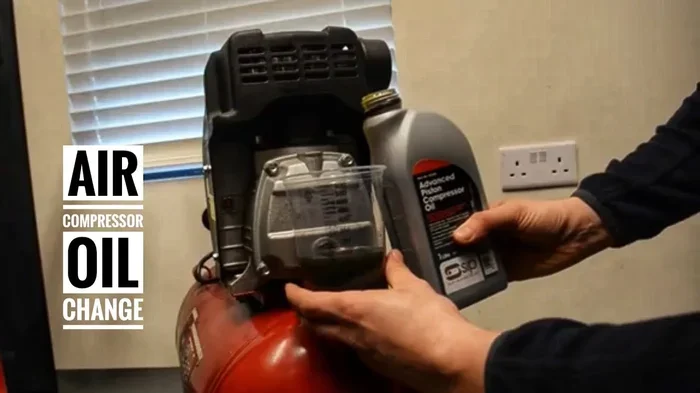
- Check the Oil: If your model uses oil, check the level before every use. Change the oil every 500 hours of operation.
- Clean the Air Filter: A dirty filter reduces airflow and strains the motor. Clean or replace it every 3 to 6 months.
- Inspect Hoses: Look for cracks, leaks, or loose fittings. A leaking hose wastes air and forces the motor to work harder.
- Store Properly: Keep your compressor in a dry, covered area. Moisture and extreme temperatures shorten its lifespan.
Regular maintenance can extend the life of your compressor by several years. That means you get more value from your purchase and avoid the cost of early replacement.
Common Mistakes People Make When Buying a Small Air Compressor
Avoid these common mistakes to save money and frustration.
- Buying Based on Price Alone: The cheapest model may not have the power or durability you need. Look at overall value, not just the sticker price.
- Ignoring CFM Requirements: A compressor that does not meet your tools’ CFM needs will leave you waiting around.
- Choosing the Wrong Tank Size: A too-small tank means constant refilling. A too-large tank wastes money and space.
- Overlooking Noise Levels: Some compressors are very loud. If you work in a residential area, choose a quiet model.
- Skipping the Warranty: A warranty protects you from unexpected repair costs. Never skip this detail.
When you compare equipment costs, it helps to look at the broader picture. For example, the way people evaluate the cost of a Generac generator is similar to how they should evaluate a compressor. Both involve looking at upfront cost, fuel or power costs, maintenance, and long-term reliability.
Final Thoughts
The cost of a small air compressor depends on tank size, power source, motor strength, brand, and features. Most homeowners will find a great unit in the $200 to $400 range. This price bracket offers the best balance of performance, durability, and value.
Do not forget to factor in accessories and operating costs when planning your budget. A well-maintained compressor can last 10 years or more. That makes it a smart investment for any home workshop or garage.
Take your time, compare your options, and choose the unit that fits your needs best. A good small air compressor makes every project easier and faster. You will wonder how you ever worked without one.
Frequently Asked Questions
How much should I spend on a small air compressor?
Most homeowners spend between $150 and $400 on a quality small air compressor. This range covers electric pancake and twin-stack models that handle common household tasks. Spending more than $400 only makes sense if you need gas power or professional-grade features.
What size small air compressor do I need for home use?
A 2 to 6-gallon tank is ideal for most home projects. Look for a compressor that delivers at least 2.5 CFM at 90 PSI. This handles nail guns, inflators, and light sanders without any problems.
Is an electric or gas small air compressor better?
Electric compressors are better for most home users. They are quieter, lighter, and cheaper. Gas models are better for remote job sites where you do not have access to electricity. Think about where and how often you will use the compressor before deciding.
How long does a small air compressor last?
A well-maintained small air compressor can last 5 to 10 years. Regular draining, oil changes, and filter cleaning make a big difference. Avoid running the compressor beyond its duty cycle to prevent motor burnout.
Can I use a small air compressor for painting?
Yes, but you need a compressor with at least 3 to 4 CFM at 40 PSI for a standard paint sprayer. Pancake models in the budget range may struggle with continuous spraying. A twin-stack or wheelbarrow compressor works better for painting projects.
Do small air compressors need oil?
Some models are oil-free, meaning they need no oil changes. Others use oil for lubrication and require regular maintenance. Check the product manual before buying. Oil-free models are popular for home users who want low maintenance.