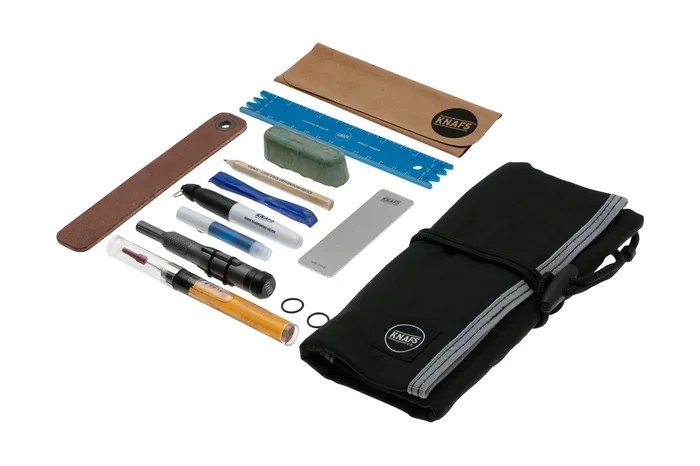
The Ultimate Guide to Your Knife Maintenance Tool Kit
A knife maintenance tool kit keeps your blades sharp, safe, and long-lasting. Whether you cook daily or enjoy outdoor adventures, the right kit makes all the difference. This guide covers everything from essential tools to step-by-step maintenance routines. You will learn how to choose the best kit and avoid common mistakes. Let us help you get the most out of every knife you own.
A dull knife is more dangerous than a sharp one. Every home cook, chef, and outdoor enthusiast knows this truth. A knife maintenance tool kit solves this problem fast. It gives you everything you need to keep your blades in top shape. No more struggling with uneven cuts or frustrating kitchen moments.
Whether you own a single chef knife or a full collection, maintenance matters. A knife maintenance tool kit simplifies the process. You do not need to be an expert. With the right tools and a few minutes each week, your knives stay razor-sharp. This guide will walk you through everything you need to know.
Key Takeaways
- A quality knife maintenance tool kit includes sharpening stones, honing steels, and cleaning supplies.
- Regular blade maintenance extends the life of your knives by years.
- Choosing the right kit depends on your knife type and skill level.
- Following a simple maintenance routine saves time and money.
- Common mistakes like improper angles can damage your blades.
- Both kitchen and outdoor knives benefit from consistent care.
- Investing in a good kit pays off with better performance every time.
📑 Table of Contents
- What Is a Knife Maintenance Tool Kit?
- Essential Tools in a Knife Maintenance Tool Kit
- How to Choose the Right Knife Maintenance Tool Kit
- Step-by-Step Guide to Maintaining Your Knives
- Common Mistakes in Knife Maintenance
- Benefits of Regular Knife Maintenance
- Quick Tips for Knife Maintenance Success
- Expert Insights on Knife Care
- Frequently Asked Questions
- Conclusion
What Is a Knife Maintenance Tool Kit?
A knife maintenance tool kit is a collection of tools designed to care for your knives. It typically includes sharpening stones, honing rods, and cleaning supplies. Some kits also carry storage solutions and protective accessories. The goal is simple. You want your knives performing at their best every single time.
Think of a knife maintenance tool kit like a first-aid kit for your blades. Just as you treat small injuries before they become big problems, you maintain your knives before they degrade. Regular care prevents rust, dullness, and uneven edges. It keeps your cutting experience smooth and safe.
These kits come in many shapes and sizes. Some are compact and travel-friendly. Others are full-sized sets with premium components. The key is finding one that fits your needs. A well-chosen knife maintenance tool kit saves you time, money, and frustration in the long run.
Why Does Knife Maintenance Matter?
Neglecting your knives leads to poor performance. A dull blade requires more force. This increases the risk of accidents. It also tears food instead of cutting it cleanly. Proper blade maintenance keeps your cuts precise and your cooking enjoyable.
Beyond performance, maintenance protects your investment. Quality knives can cost hundreds of dollars. Without proper care, they lose their edge quickly. A knife maintenance tool kit helps you protect that investment. You get years of reliable use from every blade.
Essential Tools in a Knife Maintenance Tool Kit
Not all kits are created equal. Some include only the basics. Others offer a full range of professional-grade tools. Understanding what each tool does helps you choose wisely. Here is a breakdown of the most important components.
Sharpening Stones
A sharpening stone, also called a whetstone, is the backbone of any good kit. It grinds the blade edge to restore sharpness. Water stones and oil stones are the two main types. Water stones are popular because they are easy to use and clean up.
Most knife sharpening stones come in different grits. A lower grit number means a rougher stone. Use it for repairing damaged edges. A higher grit number creates a finer finish. It polishes the blade to a smooth, sharp edge.
- Coarse grit (200-600): Best for repairing chips and nicks
- Medium grit (800-2000): Ideal for regular sharpening
- Fine grit (3000-8000): Creates a polished, razor-sharp edge
Honing Steel
A honing steel does not actually sharpen your knife. It realigns the edge. Over time, the tiny teeth on your blade bend out of shape. Honing straightens them back out. This keeps your knife feeling sharp between proper sharpenings.
Ceramic honing rods are gentler and work well for daily use. Steel honing rods are more aggressive and suit heavily used blades. A good knife maintenance tool kit includes at least one honing option.
Angle Guides
Maintaining the correct knife sharpening angles is critical. Most Western knives work best at 15 to 20 degrees. Japanese knives often need a 10 to 15 degree angle. Angle guides attach to your blade and ensure consistency.
Without an angle guide, it is easy to grind your blade unevenly. This weakens the edge and shortens its life. Many quality knife maintenance tool kit options include adjustable angle guides for precision.
Cleaning and Storage Accessories
Keeping your knives clean prevents corrosion and buildup. A good kit often includes blade oil, cleaning stones, and storage rolls. Blade oil protects the metal from moisture and rust. Storage rolls keep your knives organized and safe from damage.
Do not overlook the importance of proper storage. A knife block or magnetic strip works great at home. For travel or outdoor use, a protective sheath or roll is essential. These accessories round out any knife maintenance tool kit nicely.
How to Choose the Right Knife Maintenance Tool Kit
With so many options on the market, choosing can feel overwhelming. You do not need to spend a fortune. The right kit depends on your needs, skill level, and knife collection. Here is what to consider before you buy.
Consider Your Knife Type
Different knives need different care. A kitchen knife sharpener may not work well for a pocket knife sharpener application. Chef knives, paring knives, and serrated blades all have unique requirements. Before buying a kit, identify the types of knives you own most.
Serrated knives, for example, need a specialized serrated knife sharpener. Standard stones and rods may not work effectively. Make sure your kit includes tools that match your blade styles. A versatile knife maintenance tool kit covers multiple types in one package.
Skill Level Matters
If you are new to knife care, start simple. A basic kit with a dual-grit stone and a honing rod works perfectly. As you gain confidence, you can add more advanced tools. There is no need to buy a professional-grade set right away.
Experienced users may prefer comprehensive kits with multiple grits, angle guides, and leather strops. These kits offer more control and precision. They also make great gifts for fellow knife enthusiasts. Whatever your level, a knife maintenance tool kit exists that fits your needs.
Quality Over Quantity
It is tempting to buy the biggest kit available. But quality matters more than quantity. Look for kits with durable materials and solid construction. A single excellent whetstone outperforms a dozen cheap alternatives. Read reviews and check brand reputation before purchasing.
Consider the long-term value too. A well-made kit lasts for years. Cheap kits may need replacement sooner. Investing in quality knife accessories pays off through better results and durability.
Compare Popular Kit Options
| Kit Type | Best For | Skill Level | Price Range |
|---|---|---|---|
| Basic Stone and Rod Kit | Beginners and casual users | Beginner | $20 – $50 |
| Premium Multi-Stone Kit | Enthusiasts and home chefs | Intermediate | $50 – $150 |
| Professional Full-Set Kit | Experts and professional kitchens | Advanced | $150 – $400+ |
| Travel-Friendly Compact Kit | Outdoor enthusiasts and campers | All Levels | $15 – $40 |
Use this table as a starting point. Your perfect knife maintenance tool kit depends on how often you use your knives and what you expect from them.
Step-by-Step Guide to Maintaining Your Knives
Owning a great knife maintenance tool kit is only half the battle. You also need to use it correctly. This step-by-step guide walks you through the process. Follow these steps each week and your knives will stay in excellent condition.
Step 1: Clean Your Blade
Before you do anything else, clean your knife. Wash it with warm water and mild soap. Dry it thoroughly with a soft cloth. This removes food residue, moisture, and debris. A clean blade gives you a better surface for knife sharpening and honing.
Never leave wet knives in a drawer or block. Moisture causes rust and corrosion. Always dry your knives immediately after washing. This simple habit extends the life of your blades significantly.
Step 2: Hone the Edge
Start with your honing steel. Hold it vertically with the tip resting on a stable surface. Place the blade against the rod at the correct angle. Draw the knife down and across in a smooth motion. Repeat on both sides five to ten times.
Honing should feel quick and easy. It does not remove metal. Instead, it straightens the existing edge. This step should be part of your routine after every few uses. It keeps your knife feeling sharp and performing well.
Step 3: Sharpen with a Stone
Once or twice a month, use your whetstone for a deeper knife edge repair. Soak the stone in water for ten to fifteen minutes first. Place it on a damp towel to prevent slipping.
Hold the knife at the recommended angle. Draw the blade across the stone from heel to tip. Repeat on the other side. Alternate sides evenly to maintain a balanced edge. Work through coarse to fine grits for the best results.
Take your time with this step. Rushing leads to uneven edges and wasted effort. A patient approach delivers the sharpest, most durable results. This is where your knife maintenance tool kit truly shines.
Step 4: Strop and Finish
For an extra-polished edge, use a leather strop. This final step removes any microscopic burrs. It also polishes the blade to a mirror-like finish. Draw the blade edge-forward across the strop with light pressure.
A strop is not essential for every kit. But it makes a noticeable difference. Your knife will feel incredibly smooth and cut with minimal effort. This finishing touch is what separates good maintenance from great maintenance.
Step 5: Clean and Store Properly
After maintenance, wipe your blade clean. Apply a thin layer of blade oil if your kit includes it. Store your knives in a knife block, on a magnetic strip, or in a protective roll. Proper storage prevents damage and keeps your edges intact.
Never toss your knives into a drawer with other utensils. This dulls and damages the blades quickly. A knife maintenance tool kit often includes storage solutions. Use them to protect your investment.
Common Mistakes in Knife Maintenance
Even the best knife maintenance tool kit can cause problems if used incorrectly. Avoid these common mistakes to get the best results every time.
Using the Wrong Sharpening Angle
Every knife has an ideal angle. Using the wrong one weakens the edge. It also creates an uneven cutting surface. Always check your knife type and match the angle accordingly. Angle guides are a great investment to prevent this mistake.
Skipping the Honing Step
Many people jump straight to sharpening and skip honing. This is a big mistake. Honing maintains the edge between sharpenings. Without it, you will need to sharpen more often. Regular honing keeps your knife in top shape with less effort.
Over-Sharpening Your Blade
Sharpening too often removes too much metal. This shortens the overall life of your blade. A knife maintenance tool kit helps you find the right balance. Sharpen only when your knife actually needs it. Honing handles the day-to-day maintenance.
Neglecting Serrated and Specialty Knives
Not all knives are the same. Serrated knives, bread knives, and specialty blades each need specific care. A standard knife sharpener may not work on serrated edges. Make sure your kit includes the right tools for every knife type you own.
Ignoring Rust and Corrosion
Rust damages your blade permanently if left untreated. Always dry your knives after washing. Apply blade oil regularly, especially in humid environments. A knife maintenance tool kit with cleaning and oiling supplies makes this easy.
Benefits of Regular Knife Maintenance
Consistent care delivers results you can feel every time you pick up a knife. Here is what regular maintenance with a knife maintenance tool kit actually delivers.
Better Cutting Performance: Sharp knives cut through food with ease. You use less force and get cleaner results. This makes cooking faster and more enjoyable.
Improved Safety: Dull knives slip and require extra pressure. This increases the risk of accidents. A sharp knife cuts exactly where you intend it to. Your kitchen becomes a safer place.
Longer Blade Lifespan: Regular cutting tool maintenance prevents wear and tear. Your knives last for years, sometimes decades. This saves you money on replacements.
Better Food Presentation: Clean, precise cuts make your food look professional. Even simple dishes benefit from well-maintained blades. Your meals look and taste better.
Time Savings: Sharp knives work faster. You spend less time chopping, slicing, and dicing. Over weeks and months, this adds up to significant time saved.
Cost Savings: A knife maintenance tool kit costs a fraction of replacing dull or damaged knives. Investing a little time in care saves you a lot of money. Your knife collection becomes a long-term asset.
Quick Tips for Knife Maintenance Success
- Hone your knife after every 2-3 uses to keep the edge aligned.
- Sharpen on a whetstone once a month for serious edge restoration.
- Always use a cutting board. Never cut on hard surfaces like glass or granite.
- Hand wash your knives. Dishwashers damage blades and handles over time.
- Store knives properly. Use blocks, magnetic strips, or protective rolls.
- Keep your kit organized. A tidy kit makes maintenance faster and more enjoyable.
- Inspect your blades regularly. Catch chips and nicks early before they worsen.
Expert Insights on Knife Care
Professional chefs and knife experts agree on one thing. Maintenance is the secret to great knives. A premium blade becomes mediocre without care. A decent blade becomes exceptional with proper maintenance.
Many experts recommend a simple routine. Clean, hone, and sharpen on a regular schedule. Consistency matters more than intensity. A few minutes of care each week outperforms a long session once a year. This approach keeps your knife edge repair needs minimal and your performance consistent.
Experts also emphasize the importance of matching tools to your knife type. Japanese and German knives have different steel compositions. They require different knife sharpening techniques and angles. A versatile knife maintenance tool kit accommodates these differences.
Finally, do not underestimate the value of practice. The more you maintain your knives, the more natural it becomes. What feels complicated at first becomes second nature quickly. Within a few weeks, you will wonder how you ever cooked without a proper maintenance routine.
Frequently Asked Questions
How often should I sharpen my knives?
Most home cooks benefit from sharpening their knives once a month. Heavy users may need to sharpen every two weeks. Daily honing with a honing steel extends the time between sharpenings. Listen to your knife. If it feels dull or struggles through food, it is time to sharpen.
Can I use a knife maintenance tool kit on serrated knives?
Yes, but you need the right tools. Standard sharpening stones do not work well on serrated edges. Look for a kit that includes a serrated knife sharpener or a specialized tool. Many quality knife maintenance tool kit options include serrated attachments or separate tools for these blades.
Is a honing steel the same as a sharpener?
No, they serve different purposes. A honing steel realigns the existing edge. A sharpener removes metal to create a new edge. Both are important for proper knife care. A good kit includes both types of tools for complete maintenance.
What is the best angle for knife sharpening?
Most Western knives work best at 15 to 20 degrees per side. Japanese knives typically need 10 to 15 degrees. Check your knife manufacturer’s recommendations. Using an angle guide ensures consistent results every time you sharpen.
How do I clean my sharpening stone?
Rinse your stone under running water after each use. Use a soft brush to remove metal particles. Let it dry completely before storing. Proper cleaning extends the life of your stone and keeps your knife sharpening results consistent.
Can a knife maintenance tool kit fix a chipped blade?
Yes, a quality kit can repair minor chips and nicks. Use a coarse grit stone to grind away the damaged area. Work through progressively finer grits to restore the edge. For severe damage, professional knife restoration may be necessary. But a good knife maintenance tool kit handles most everyday damage effectively.
Conclusion
A knife maintenance tool kit is one of the best investments you can make for your kitchen or workshop. It keeps your blades sharp, safe, and ready for any task. The right kit simplifies maintenance and delivers professional results at home.
From sharpening stones to honing rods, every tool in your kit plays a vital role. Regular care prevents dullness, rust, and damage. It extends the life of your knives and improves your cutting experience every single day.
Start with a basic kit if you are new to knife maintenance. Build your collection over time as your skills grow. The most important step is simply to begin. Your knives will thank you with better performance, longer life, and safer handling.
Take care of your blades, and they will take care of you. A well-maintained knife maintenance tool kit makes this easier than ever. Invest in your knives today and enjoy the difference every time you cook.