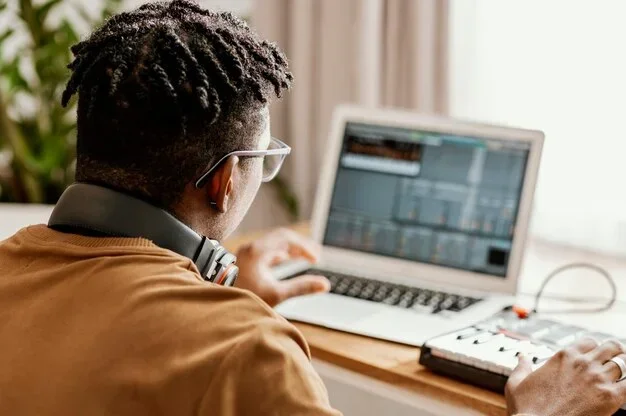
Is Pro Tools on Windows a Solid Choice for Musicians
Pro Tools on Windows is a powerful option for musicians and producers who want a flexible, cost-effective digital audio workstation. With the right hardware and setup, Windows users can access nearly all the features that Mac users enjoy. This guide breaks down everything you need to know about running Pro Tools on a Windows machine.
This is a comprehensive guide about is pro tools on windows.
Key Takeaways
- Full-Featured DAW on Windows: Pro Tools on Windows delivers the same core functionality as the Mac version, including advanced audio editing, MIDI production, and mixing tools.
- Hardware Matters: Choosing the right audio interface, processor, and RAM is essential for smooth performance on Windows.
- Plugin Compatibility: Windows supports a wide range of VST and AAX plugins, giving producers more flexibility than ever.
- Cost-Effective Setup: Running Pro Tools on Windows can save money compared to investing in a Mac system.
- Performance Optimization: Proper buffer settings, driver updates, and system tweaks make a huge difference in latency and stability.
[FEATURED_IMAGE_PLACEHOLDER]
Is Pro Tools on Windows a Solid Choice for Musicians
If you are a musician or producer, you have probably heard of Pro Tools. It is one of the most popular digital audio workstations in the world. For years, people assumed Pro Tools was only for Mac users. That is no longer true. Pro Tools on Windows has become a real, fully supported option. Whether you are recording vocals, mixing tracks, or producing beats, Windows can handle it.
But is it the right choice for you? That depends on your setup, your budget, and what you want to achieve. This guide will walk you through everything you need to know. We will cover system requirements, pros and cons, setup tips, and performance advice. By the end, you will know whether Pro Tools on Windows fits your workflow.
Let us dive in. No fluff. Just honest, practical information to help you make the best decision for your music production journey.
What Is Pro Tools and Why Does It Matter
Pro Tools is a professional digital audio workstation, or DAW. It is used for recording, editing, mixing, and mastering audio. Musicians, producers, sound engineers, and composers rely on it every day. It has been an industry standard for decades. Many studios around the world run Pro Tools as their primary software.
What makes it special? It offers powerful audio editing tools, robust MIDI support, and excellent plugin integration. You can record multiple tracks at once, apply effects in real time, and mix with precision. It also supports advanced features like surround sound and video scoring.
For years, Pro Tools was tightly linked to macOS. Apple computers were the go-to choice for many audio professionals. But Avid, the company behind Pro Tools, expanded support to Windows. Today, Pro Tools on Windows works just as well for most use cases. You get access to the same features, the same plugin ecosystem, and the same regular updates.
If you already own a Windows PC or laptop, you do not need to buy a Mac just to use Pro Tools. That alone is a big deal for many musicians. It lowers the barrier to entry and opens up music production to a wider audience.
Pro Tools on Windows vs Mac: A Side-by-Side Look
So how does Pro Tools on Windows compare to the Mac version? Let us break it down. The core software is essentially the same. You get the same track counts, the same effects, and the same editing tools. Avid builds one version of the software and makes it available on both platforms.
That said, there are some differences worth noting. These come down to hardware, ecosystem, and personal preference.
Performance and Stability
Mac computers are known for their optimized hardware-software integration. Because Apple designs both the hardware and the operating system, everything tends to work smoothly together. Pro Tools on Mac has a long history of rock-solid stability.
Windows, on the other hand, runs on many different hardware configurations. This means performance can vary. A well-built Windows PC with quality components can match or even exceed Mac performance. But a budget or poorly configured system might struggle with audio latency or crashes.
The key takeaway? Pro Tools on Windows can be just as stable as the Mac version. But you need to pay attention to your hardware choices.
Plugin and Hardware Compatibility
Windows has a massive advantage when it comes to plugin compatibility. Many audio plugins are developed primarily for Windows first. VST plugins work seamlessly on Windows, and the library of available options is enormous. If you rely on third-party instruments and effects, Windows gives you more choices.
Hardware compatibility is another area where Windows shines. Audio interfaces, MIDI controllers, and studio monitors from many brands work well on Windows. You are not locked into a specific ecosystem the way you might be with a Mac.
That said, some industry-standard hardware like certain Avid control surfaces may have better driver support on macOS. Always check compatibility before you buy.
Cost Comparison
This is where Pro Tools on Windows really stands out. A decent Windows PC or laptop can cost significantly less than a Mac with comparable specs. When you factor in the price of Pro Tools itself, the total cost of a Windows setup is often much lower.
For musicians on a budget, this matters a lot. You can invest in a quality audio interface or microphones instead of spending extra on a premium computer. If you are curious about the cost of setting up a complete studio, you might also want to check out how much a generator costs for a 2-bedroom setup if you are planning backup power for your home studio.
System Requirements for Pro Tools on Windows
Before you install Pro Tools on Windows, you need to make sure your computer can handle it. The system requirements have changed over the years, so always check the latest specs on the Avid website. But here is a general overview of what you need.
Minimum Requirements
- Operating System: Windows 10 (64-bit) or newer
- Processor: Intel Core i5 or equivalent AMD processor
- RAM: 8 GB minimum (16 GB recommended)
- Storage: SSD with at least 15 GB of free space
- Audio Interface: A compatible ASIO driver is required
- Display: 1280 x 800 resolution minimum
Recommended Requirements
- Operating System: Windows 10 or Windows 11 (64-bit)
- Processor: Intel Core i7 or AMD Ryzen 7
- RAM: 16 GB or more
- Storage: NVMe SSD with 100 GB+ free space
- Audio Interface: Low-latency ASIO-compatible interface
- Display: 1920 x 1080 or higher
Pay special attention to your storage. Pro Tools on Windows benefits greatly from an SSD. It loads projects faster and handles large session files more smoothly. If you are building a home studio, also consider your power setup. A reliable backup power source can protect your work from unexpected outages. Learn more about what size generator you need for power tools and studio equipment to keep your setup running.
Setting Up Pro Tools on Windows
Setting up Pro Tools on a Windows machine is straightforward if you follow the right steps. Here is a practical guide to get you started.
Step 1: Download and Install Pro Tools
Go to the Avid website and create an account. You can download the Pro Tools installer directly. Avid offers different subscription plans, including Pro Tools Intro, Pro Tools Standard, and Pro Tools Ultimate. Choose the one that fits your needs and budget.
During installation, make sure to install the Avid Audio Engine and any required drivers. These components are essential for audio performance.
Step 2: Install Your Audio Interface Drivers
Most professional audio interfaces use ASIO drivers on Windows. ASIO stands for Audio Stream Input Output. It provides low-latency audio performance, which is critical for music production.
Install your interface drivers before you launch Pro Tools. Once installed, you can select the ASIO driver in Pro Tools under the playback engine settings. This step is crucial for reducing latency and keeping your recordings clean.
Step 3: Configure Your Buffer Size
Buffer size affects the balance between latency and CPU load. A lower buffer size means less latency but more strain on your processor. A higher buffer size is easier on your CPU but introduces more delay.
For recording, set your buffer to 128 or 256 samples. For mixing with lots of plugins, try 512 or 1024 samples. You can adjust this in the Playback Engine settings within Pro Tools.
Step 4: Set Up Your Project
Create a new session and choose your sample rate and bit depth. 44.1 kHz and 24-bit is a great starting point for most projects. Make sure your input and output routes are correctly assigned to your audio interface.
Once everything is set up, do a test recording. Play back the recording to check for glitches or latency issues. This quick test can save you headaches later.
Tips for Optimizing Pro Tools on Windows
Getting Pro Tools to run smoothly on Windows takes a little extra effort. Here are some proven tips to boost performance.
Close Background Applications
Windows runs many background processes that eat up CPU and memory. Before you open Pro Tools, close unnecessary applications. This includes web browsers, antivirus scans, and cloud sync services. Every bit of freed-up resources helps your audio editing workflow.
Update Your Drivers Regularly
Outdated audio drivers are one of the most common causes of problems in Pro Tools on Windows. Check for driver updates from your audio interface manufacturer regularly. Updated drivers often fix bugs and improve performance.
Use a Dedicated Audio Drive
If possible, use a separate drive for your audio files and projects. Do not store them on the same drive as your operating system. This reduces disk read/write conflicts and keeps Pro Tools on Windows running smoothly.
Enable High-Performance Mode
Windows has a power setting called “High Performance.” Switching to this mode gives your processor full power. Go to Control Panel, then Power Options, and select High Performance. This simple change can make a noticeable difference in audio playback quality.
Keep Your System Clean
Over time, Windows accumulates temporary files, registry clutter, and unnecessary programs. Use a trusted cleanup tool or manually remove unused software. A clean system runs faster and more reliably for audio production.
Pros and Cons of Pro Tools on Windows
Every platform has its strengths and weaknesses. Here is an honest look at what you gain and what you might lose by choosing Pro Tools on Windows.
Pros
- Lower Hardware Costs: Windows PCs come in a wide range of prices. You can find a powerful machine at a fraction of the cost of a Mac.
- Greater Hardware Flexibility: You can mix and match components from different brands. This gives you more control over your build.
- Wide Plugin Support: Many plugins are developed for Windows first. The VST ecosystem is massive and growing.
- Easy Upgrades: Want more RAM or a better graphics card? On Windows, upgrades are usually simple and affordable.
- Familiar Interface: If you already use Windows for other tasks, Pro Tools will feel comfortable on the same system.
Cons
- Driver Management: Windows requires more manual driver management than macOS. This can lead to compatibility issues if you are not careful.
- Less Optimized Ecosystem: Pro Tools was originally built for Mac. Some features and workflows feel slightly more polished on macOS.
- Potential Stability Issues: Because Windows supports so many hardware configurations, stability can vary from system to system.
- No GarageBand Integration: If you use other Apple software, you will miss out on the seamless integration that macOS offers.
Overall, the pros of Pro Tools on Windows outweigh the cons for most musicians. The key is to build a solid, well-configured system and keep your drivers and software up to date.
Expert Insights: Who Should Choose Pro Tools on Windows
Not every musician needs the same setup. Here is some expert guidance to help you decide if Pro Tools on Windows is the right move for you.
Choose Windows If…
- You are on a tight budget and want the most value for your money.
- You already own a Windows PC and do not want to buy new hardware.
- You rely heavily on third-party VST plugins and want the widest compatibility.
- You enjoy building and customizing your own computer setup.
- You primarily work on audio mixing and music composition tasks.
Consider Mac If…
- You want the most stable, out-of-the-box experience with minimal troubleshooting.
- You work in a professional studio that already uses Mac systems.
- You rely on specific hardware that has better driver support on macOS.
- You prefer a unified ecosystem across all your devices.
Many professional producers use both platforms. Some record and edit on Windows and mix on a Mac. There is no single “right” answer. The best platform is the one that fits your workflow and budget.
Common Mistakes to Avoid When Running Pro Tools on Windows
Even experienced musicians can make setup mistakes that hurt performance. Here are the most common ones to watch out for.
- Skipping Driver Updates: Outdated drivers cause most Pro Tools issues on Windows. Make it a habit to check for updates monthly.
- Using a Hard Disk Drive Instead of an SSD: HDDs are too slow for modern audio production. Always use an SSD for your projects.
- Ignoring Buffer Settings: Wrong buffer settings lead to either glitches or high latency. Take five minutes to configure them properly.
- Running Too Many Background Apps: Every open app steals resources from Pro Tools. Close everything you do not need.
- Choosing the Wrong Audio Interface: Not all interfaces work well on Windows. Check compatibility before purchasing.
Avoiding these mistakes will save you time, frustration, and potentially lost work. A little preparation goes a long way in music production.
The Bottom Line: Is Pro Tools on Windows Worth It
The short answer is yes. Pro Tools on Windows is a solid, capable choice for musicians at every level. Whether you are a beginner just starting out or an experienced producer looking for a cost-effective setup, Windows delivers.
You get access to the full Pro Tools feature set, a vast plugin library, and the flexibility to build a system that fits your budget. The platform has matured significantly over the years, and Avid continues to improve Windows support with each update.
Yes, there are some extra steps involved in setup and maintenance compared to Mac. But the savings in hardware costs and the wider compatibility options make it well worth the effort for most users.
If you are serious about music production and want a powerful, affordable setup, give Pro Tools on Windows a serious look. You might be surprised at what you can create.
Final Thoughts
Choosing the right digital audio workstation and platform is one of the most important decisions you will make as a musician. Pro Tools on Windows offers a compelling combination of power, flexibility, and value. It is not perfect, but it is incredibly capable when set up correctly.
Focus on building a reliable system with quality components. Keep your drivers updated. Take the time to learn the software inside and out. The effort you invest in your setup will pay off every time you sit down to create music.
Remember, the best tool is the one that works for you. Whether you choose Windows, Mac, or both, what matters most is the music you make. So go ahead, fire up Pro Tools on Windows, and start creating.
Frequently Asked Questions
Can I run Pro Tools on Windows 11?
Yes, Pro Tools is fully compatible with Windows 11. Avid regularly updates the software to support the latest Windows versions. Always make sure you are running the latest version of Pro Tools for the best compatibility and performance.
Is Pro Tools on Windows as stable as on Mac?
In most cases, yes. Stability depends more on your hardware and driver setup than the operating system itself. A well-configured Windows PC with quality components and updated drivers will run Pro Tools just as reliably as a Mac.
What is the difference between Pro Tools on Windows and Mac?
The core software is identical. Both versions offer the same features, plugins, and workflow. Differences come down to the operating system ecosystem, driver management, and hardware compatibility. Some users report slightly smoother performance on Mac, but Windows can match it with the right setup.
Do I need a special audio interface for Pro Tools on Windows?
You need an audio interface with ASIO driver support for Windows. Most professional interfaces from brands like Focusrite, Universal Audio, and PreSonus work well. Check compatibility with your specific interface before purchasing.
Can I use VST plugins with Pro Tools on Windows?
Pro Tools primarily uses AAX plugins, but you can use third-party VST plugins through wrapper solutions like Metaplugin or the free VST bridge in newer versions. Windows has a much larger VST library than macOS, which is a big advantage.
How much does Pro Tools cost for Windows?
Pro Tools offers several pricing tiers. Pro Tools Intro starts at around $99, Pro Tools Standard is around $599, and Pro Tools Ultimate is around $799. All plans are subscription-based and include regular updates. Compare options on the Avid website to find the best fit for your needs.
Frequently Asked Questions
What is is pro tools on windows?
is pro tools on windows is an important topic with many practical applications.