How Vortex Generators Improve Your Aircraft Performance
Vortex generators are small aerodynamic devices that dramatically improve aircraft performance by managing airflow over wings and control surfaces. They reduce drag, enhance lift, and delay airflow separation, making flights smoother and more fuel-efficient. Vortex generators are a simple yet powerful upgrade for pilots and aircraft owners looking to get more out of their flying experience.
Aviation is all about moving air efficiently. Every pilot wants better performance from their aircraft. Whether you fly for fun or for work, you know that small changes can make a big difference. One of the most effective upgrades you can make is installing vortex generators. These tiny devices pack a powerful punch when it comes to improving how your aircraft moves through the sky.
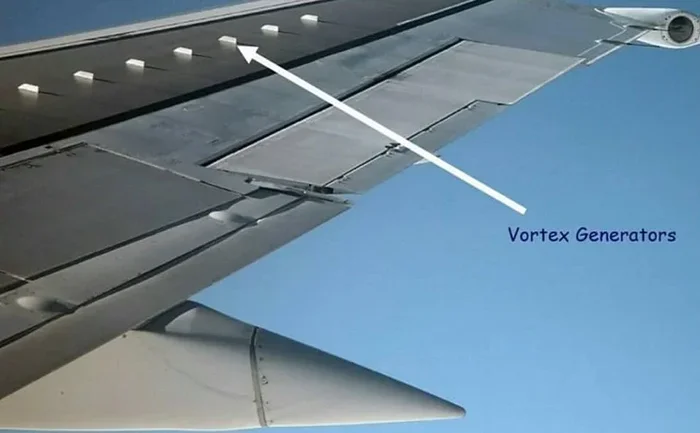
So what exactly is a vortex generator? Simply put, it is a small fin or tab mounted on the surface of an aircraft wing or tail. Its job is to manage the airflow and keep it attached to the surface longer. This might sound simple, but the effects are huge. Better airflow means more lift, less drag, and smoother flights overall.
In this guide, we will walk you through everything you need to know about vortex generators. We will cover how they work, why they matter, and how they can transform your flying experience. Whether you are a private pilot or a seasoned aviator, this article has something valuable for you.
Key Takeaways
- Vortex generators improve lift and reduce drag by energizing the boundary layer airflow over wings and control surfaces.
- They are small, easy to install aerodynamic devices that deliver big performance gains for many aircraft types.
- Vortex generators enhance flight safety by lowering stall speeds and improving control authority at low speeds.
- Fuel efficiency increases because reduced drag means the engine works less during cruise flight.
- They work best when properly placed and sized for your specific aircraft model and flight conditions.
- Maintenance is minimal once installed, making vortex generators a cost-effective long-term investment.
📑 Table of Contents
- What Is a Vortex Generator?
- Why Vortex Generators Matter for Aircraft Performance
- Types of Vortex Generators
- How to Choose the Right Vortex Generators for Your Aircraft
- Installation Process for Vortex Generators
- Common Mistakes to Avoid with Vortex Generators
- Vortex Generators vs. Other Aerodynamic Upgrades
- How Long Do Vortex Generators Last?
- The Cost of Vortex Generators and Installation
- Final Thoughts on Vortex Generators
What Is a Vortex Generator?
A vortex generator is a small aerodynamic device, usually shaped like a tiny fin or ramp. It is typically made from aluminum or composite materials. These devices are mounted on the upper surface of wings, tails, or other control surfaces on an aircraft.
The idea behind a vortex generator comes from basic aerodynamics. When air flows over a wing, it creates a thin layer of slow-moving air right next to the surface. This is called the boundary layer. Over time, this boundary layer can separate from the wing, causing drag and reducing lift. A vortex generator creates tiny spinning columns of air, called vortices, that mix the fast-moving air above with the slow air near the surface. This mixing keeps the boundary layer energized and attached to the wing longer.
How Vortex Generators Work in Practice
Think of it like stirring cream into coffee. The vortex created by the spoon mixes the two liquids together. A vortex generator does the same thing with air. It creates small vortices that blend the high-energy air from above with the low-energy air near the wing surface. This process is called boundary layer energization.
The result is significant. Pilots notice improved control at low speeds. The aircraft feels more responsive. And the wings generate more lift before reaching the critical angle of attack. For many aircraft, this means safer flights and better overall performance.
Why Vortex Generators Matter for Aircraft Performance
The benefits of installing vortex generators go beyond just technical aerodynamics. They translate directly into real-world flying improvements that every pilot can appreciate.
Improved Lift at Low Speeds
One of the biggest advantages of vortex generators is improved lift at low speeds. When an aircraft is flying slowly, such as during takeoff or landing, the wings need all the help they can get. Vortex generators keep the airflow attached to the wing at angles of attack that would normally cause separation. This means the aircraft can fly safely at slower speeds without stalling.
For pilots flying in and out of short runways, this is a game changer. The aircraft can maintain control at speeds that would otherwise be risky. Many pilots report feeling more confident during landing approaches after installing vortex generators.
Reduced Drag for Better Fuel Economy
Drag is the enemy of efficient flight. The more drag an aircraft experiences, the more fuel it burns. Vortex generators reduce drag by preventing airflow separation over the wings and tail surfaces. When the air stays smooth and attached, the aircraft slices through the sky with less resistance.
Over time, this adds up to meaningful fuel savings. For commercial operators or frequent flyers, the fuel savings from reduced drag can offset the cost of installation quickly. Even for recreational pilots, better fuel economy means more time in the air and less time at the pump.
Enhanced Control Authority
Vortex generators also improve the effectiveness of control surfaces like elevators, rudders, and ailerons. These surfaces work by redirecting airflow. When the airflow is clean and attached, the control surfaces are more responsive. Pilots experience smoother, more precise control inputs.
This is especially important during turbulent conditions or when flying at low speeds. The aircraft responds more predictably to pilot inputs, which enhances both safety and comfort. Many pilots describe the feeling as the aircraft becoming more “alive” and responsive in the air.
Types of Vortex Generators
Not all vortex generators are the same. Different designs serve different purposes, and choosing the right one depends on your aircraft and your goals. Here is a closer look at the main types.
Fixed Vortex Generators
Fixed vortex generators are the most common type. They are permanently mounted to the aircraft surface and cannot be adjusted by the pilot. These are simple, reliable, and require no maintenance beyond occasional inspection. Most production aircraft come with fixed vortex generators from the factory.
Their design is straightforward. A small tab or fin protrudes from the wing surface at a fixed angle. This angle is carefully calculated during the aircraft design phase to maximize aerodynamic benefits. Fixed vortex generators are ideal for pilots who want a set-it-and-forget-it solution.
Adjustable Vortex Generators
Adjustable vortex generators allow pilots to change the angle of the device in flight. This gives more flexibility because different flight conditions may benefit from different vortex strengths. For example, a steeper angle might be better for low-speed flight during landing, while a shallower angle works well at cruise speed.
However, adjustable vortex generators are more complex and heavier. They also cost more than fixed versions. Most general aviation aircraft do not need adjustable vortex generators. They are more common in specialized aircraft or military applications where performance needs change frequently.
Blended Vortex Generators
Blended vortex generators are designed to minimize the drag they themselves create. Traditional vortex generators protrude from the surface, which adds a small amount of parasitic drag. Blended designs are smoother and more aerodynamic, reducing this downside.
They work just as well as traditional vortex generators but with a cleaner profile. Many modern aircraft designs use blended vortex generators as a standard feature. If you are retrofitting an older aircraft, blended versions are a great option.
How to Choose the Right Vortex Generators for Your Aircraft
Selecting the right vortex generators for your aircraft is crucial. The wrong size, shape, or placement can reduce performance instead of improving it. Here are the key factors to consider.
Know Your Aircraft Model
Every aircraft is different. The wing shape, size, and typical flight envelope all affect how vortex generators should be configured. Always check your aircraft’s manual or consult with a certified mechanic before purchasing vortex generators. Some manufacturers sell pre-approved kits that are specifically designed for your model.
For example, the vortex generators that work great on a Cessna 172 might not be the best choice for a Piper Cherokee. Each aircraft has unique aerodynamic characteristics that demand a tailored approach. Do your research before buying.
Consider Your Typical Flight Conditions
Think about where and how you usually fly. Do you fly in hot and high conditions? Do you frequently operate from short or unpaved runways? These factors influence the type and size of vortex generators you need.
Pilots who often fly in challenging conditions benefit from more aggressive vortex generator designs. Those who fly mostly at cruise altitudes in smooth air may need a more subtle setup. Matching the vortex generators to your flying style ensures you get the best return on your investment.
Check Certification Requirements
If your aircraft is certified under FAA Part 23 or similar regulations, any modification needs proper approval. Installing vortex generators typically requires a Supplemental Type Certificate (STC) or a field approval from the FAA. Make sure you follow the proper procedures to keep your aircraft airworthy and legally compliant.
Working with a reputable supplier or mechanic who has experience with vortex generator installations is the best way to navigate this process. They can help you find the right STC and ensure the installation meets all regulatory requirements.
Installation Process for Vortex Generators
Installing vortex generators is a relatively straightforward process, but it does require precision. Here is an overview of what to expect.
Preparation
Before installation begins, the aircraft surface where the vortex generators will be mounted must be thoroughly cleaned and inspected. Any dirt, grease, or damage must be addressed. The mounting locations are marked according to the manufacturer’s specifications, which are based on extensive aerodynamic testing.
Pilots and mechanics should verify that the correct vortex generators are being used for the specific aircraft model. Using the wrong part can lead to poor performance or even safety issues. Always double-check part numbers and installation instructions before starting the work.
Mounting the Vortex Generators
Most vortex generators are attached using rivets or adhesive bonding. The manufacturer’s installation guide will specify the exact spacing, rows, and locations for each device. Precision matters here. Even a small deviation from the specified placement can reduce the aerodynamic benefits.
Once mounted, each vortex generator should be inspected to ensure it is securely attached and properly aligned. Loose or misaligned devices can create unwanted noise or vibration during flight. A careful installation job pays off in better performance and fewer issues down the road.
Post-Installation Checks
After installation, a test flight is recommended to verify that the vortex generators are performing as expected. Pilots should note any changes in handling, control response, or noise levels. Comparing performance data before and after installation can help quantify the benefits.
Routine inspections should include checking the vortex generators for damage, corrosion, or loosening. Because they are exposed to the elements, they can wear over time. Keeping them in good condition ensures they continue to deliver performance improvements for years to come.
Common Mistakes to Avoid with Vortex Generators
While vortex generators are simple devices, mistakes during selection or installation can reduce their effectiveness. Here are some common pitfalls to watch out for.
Choosing the wrong size. Oversized or undersized vortex generators will not perform as intended. Always use the size specified by the manufacturer for your aircraft.
Incorrect placement. The location of each vortex generator matters a great deal. Placing them too far forward or too far back on the wing can reduce their effectiveness or even create new aerodynamic problems.
Ignoring certification requirements. Installing vortex generators without proper approval can put your airworthiness certificate at risk. Always follow the proper regulatory steps.
Skipping post-installation inspections. Even a well-installed set of vortex generators needs regular checking. Neglecting inspections can lead to loose or damaged devices that hurt rather than help performance.
Expecting miracles. Vortex generators are a proven technology, but they are not magic. They improve performance within a specific range of conditions. Understanding their limitations helps you set realistic expectations and get the most from your investment.
Vortex Generators vs. Other Aerodynamic Upgrades
Vortex generators are just one of many aerodynamic upgrades available. How do they compare to other options? Here is a quick comparison.
Vortex Generators vs. Winglets
Winglets are vertical extensions at the wingtips that reduce induced drag. Vortex generators work differently by managing the boundary layer over a larger surface area. Winglets are great for cruise efficiency, while vortex generators excel at improving low-speed performance and control authority.
Some aircraft benefit from having both winglets and vortex generators. The winglets handle cruise drag reduction, while the vortex generators keep the airflow attached during takeoff and landing. This combination can deliver excellent all-around performance improvements.
Vortex Generators vs. Spoilers
Spoilers are devices that intentionally disrupt airflow to reduce lift, typically used during landing. Vortex generators do the opposite. They energize airflow to maintain lift and control. Spoilers and vortex generators serve different purposes and are not interchangeable.
In some cases, vortex generators can actually reduce the need for spoilers by improving natural airflow control. This is especially true for aircraft that operate at low speeds or in challenging conditions.
How Long Do Vortex Generators Last?
Durability is an important consideration for any aircraft modification. The good news is that vortex generators are built to last. Most vortex generators made from aluminum or composite materials can endure the harsh conditions of flight for many years without significant degradation.
Unlike power generators that you might check on for how long does a Generac generator last, vortex generators have no moving parts and no fuel system to maintain. They simply sit on the aircraft surface and do their job passively. This makes them one of the most reliable and low-maintenance upgrades you can make to your aircraft.
Regular inspections should still be part of your maintenance routine. Look for cracks, corrosion, or loosening at the mounting points. With proper care, a set of vortex generators can deliver performance benefits for the entire remaining service life of your aircraft.
The Cost of Vortex Generators and Installation
Cost is always a factor when considering aircraft upgrades. The price of vortex generators varies depending on the aircraft type, the number of devices needed, and whether you choose fixed or adjustable models. For most general aviation aircraft, a complete set of vortex generators with installation can range from a few hundred to a few thousand dollars.
Compared to the cost of a whole-house generator setup or even a basic home generator, the investment in vortex generators is relatively modest. And the benefits in improved safety, better fuel economy, and enhanced flying experience make them a worthwhile investment for many pilots.
Keep in mind that the cost can vary significantly depending on your aircraft and your location. Always get quotes from multiple certified mechanics before committing to an installation. And remember that the performance gains from vortex generators can help offset the initial cost over time through fuel savings and extended aircraft utility.
Final Thoughts on Vortex Generators
Vortex generators are one of the simplest and most effective upgrades you can make to improve your aircraft’s performance. They reduce drag, increase lift, enhance control authority, and improve fuel efficiency. Best of all, they are reliable, low-maintenance, and relatively affordable.
Whether you are a private pilot looking for a better flying experience or a commercial operator seeking to reduce operating costs, vortex generators deserve your serious consideration. The science behind them is well established, and the real-world results speak for themselves. If you have not yet explored the benefits of vortex generators for your aircraft, now is a great time to start.
Talk to your mechanic, research the options for your specific aircraft, and take the first step toward better flight performance. Small devices like vortex generators can make a surprisingly big difference in how your aircraft flies. Your future flights will thank you.
Frequently Asked Questions
What is a vortex generator and why is it used on aircraft?
A vortex generator is a small fin or tab mounted on an aircraft wing or control surface. It creates tiny spinning vortices of air that mix high-energy and low-energy airflow, keeping the boundary layer attached to the surface longer. This improves lift, reduces drag, and enhances overall flight performance.
Can any aircraft benefit from vortex generators?
Most aircraft can benefit from vortex generators, especially those that operate at low speeds or in challenging conditions. However, the specific design, size, and placement must match your aircraft model. Always consult with a certified mechanic or the manufacturer before installing vortex generators.
Do vortex generators really improve fuel efficiency?
Yes, vortex generators can improve fuel efficiency by reducing aerodynamic drag. When the airflow stays attached to the wing more effectively, the aircraft experiences less resistance during cruise flight. Over many flight hours, these fuel savings can be quite significant.
How long does it take to install vortex generators on an aircraft?
The installation time varies depending on the aircraft type and the number of vortex generators being installed. For most general aviation aircraft, a complete installation can take anywhere from a few hours to a full day. The process involves cleaning the surface, marking locations, and securely mounting each device.
Are vortex generators safe for certified aircraft?
Yes, vortex generators are safe for certified aircraft when installed according to approved procedures. Most installations require a Supplemental Type Certificate (STC) or field approval from the FAA. Working with a qualified mechanic ensures the installation meets all safety and regulatory standards.
How much do vortex generators cost to install?
The cost of vortex generators and installation varies by aircraft type and the number of devices needed. For most general aviation aircraft, the total cost ranges from a few hundred to a few thousand dollars. This is a relatively affordable upgrade compared to many other aircraft modifications.