Data Center Generator Ultimate Buying Guide For Power
A data center generator is essential for keeping your servers running during a power outage. This guide covers everything you need to know about backup power systems, from generator sizing and fuel types to maintenance and cost. Whether you’re building a new facility or upgrading your current setup, this guide has you covered.
Key Takeaways
- Understand your power load: Calculating your electrical load accurately is the first step in choosing the right data center generator for your needs.
- Fuel type matters: Diesel and natural gas each offer unique benefits for critical infrastructure and long-term power continuity.
- Sizing is critical: An undersized generator leads to failures, while an oversized unit wastes fuel and increases costs.
- Redundancy saves lives: Power redundancy through parallel generators or backup systems keeps your servers online no matter what.
- Maintenance never stops: A regular maintenance schedule ensures your standby power system fires up when you need it most.
- Cooling and protection: Proper server room cooling and weatherproofing extend your generator’s lifespan significantly.
- Plan for the future: Consider power density growth and scalability when investing in your emergency power infrastructure.
📑 Table of Contents
- Data Center Generator Ultimate Buying Guide For Power
- What Is A Data Center Generator And Why It Matters
- Types Of Data Center Generators
- How To Size A Data Center Generator
- Key Features To Look For In A Data Center Generator
- Maintenance Tips For Longevity
- Common Mistakes When Choosing A Data Center Generator
- Cost Considerations For Data Center Generators
- Expert Insights For Data Center Power Planning
- Strong Conclusion
Data Center Generator Ultimate Buying Guide For Power
Running a data center means keeping the lights on no matter what. A single power outage can cost thousands of dollars per minute in lost productivity, damaged data, and broken client trust. That is exactly why a data center generator is one of the most important investments you will ever make. It acts as your safety net, stepping in the moment your primary power source fails.
In this guide, we break down everything you need to know about choosing the right backup power system. We cover generator sizing, fuel types, key features, maintenance tips, and common mistakes to avoid. By the end, you will have a clear roadmap for selecting a data center generator that fits your needs and budget perfectly.
Whether you are setting up a brand new facility or upgrading an existing one, this guide gives you the practical advice you need. Let us dive in.
What Is A Data Center Generator And Why It Matters
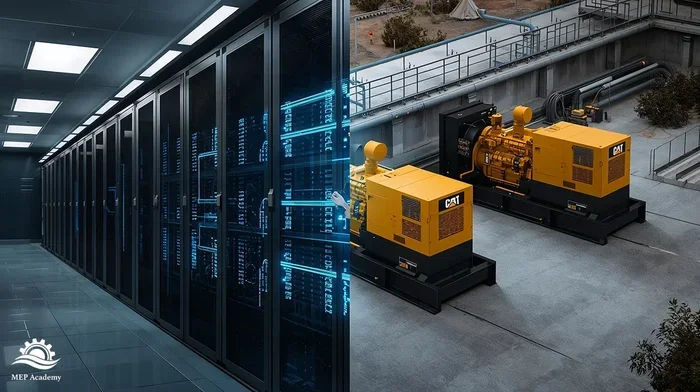
A data center generator is a dedicated power unit designed to supply electricity to a data center when the main grid goes down. Think of it as an emergency backup that kicks in within seconds. These systems are built for critical infrastructure, meaning they must operate reliably under heavy demand for extended periods.
Data centers house servers, networking equipment, storage systems, and cooling infrastructure. All of these require a constant flow of electricity. Even a brief interruption can cause serious problems. Here is a quick look at what can go wrong without standby power:
- Server crashes and data loss
- Disrupted cloud services and downtime
- Overheated hardware due to failed cooling systems
- Financial losses from interrupted operations
- Reputation damage from unreliable service
How Data Center Generators Keep Operations Running
The process is simpler than you might think. When the main power drops, an automatic transfer switch detects the loss and signals the generator to start. Within 10 to 30 seconds, the unit is producing electricity and the power continuity chain is restored. This seamless switch keeps your servers running and your customers none the wiser.
Modern data center generators are designed for fast response and long run times. They can sustain full load for hours or even days, depending on fuel supply. This makes them the backbone of any serious emergency power strategy. If you want to understand how much power you actually need, check out this helpful guide on how to determine what size generator I need for practical sizing advice.
Types Of Data Center Generators
Not all generators are created equal. The type you choose depends on your fuel preference, runtime needs, space constraints, and budget. Let us look at the most common options.
Diesel Generators
Diesel data center generators are the industry standard. They are powerful, reliable, and built to handle heavy loads for long periods. Diesel fuel is widely available and stores well over time, making it a practical choice for backup power.
Here are some pros and cons:
- Pros: High power output, excellent fuel efficiency, long runtime, proven reliability
- Cons: Higher emissions, louder operation, requires proper ventilation and fuel storage
Diesel units work great for large data centers that need serious electrical load capacity. They are also relatively easy to maintain, though regular maintenance schedule adherence is critical. If you are curious about keeping your diesel engine in top shape, learn more about using synthetic oil in a generator for improved engine performance.
Natural Gas Generators
Natural gas is a cleaner-burning fuel, and natural gas data center generators are growing in popularity. They produce fewer emissions and tend to be quieter than diesel models. They connect directly to a gas line, so you never have to worry about fuel storage.
- Pros: Cleaner emissions, continuous fuel supply, quieter operation, lower fuel costs in some regions
- Cons: Lower power density than diesel, dependent on gas line availability, may have longer startup times
Natural gas units are ideal for facilities that prioritize environmental responsibility and have access to a municipal gas line. They are a solid option for power redundancy setups where runtime is measured in days rather than hours.
Rack-Mounted Generators
For smaller data centers or edge computing environments, rack-mounted generators offer a compact solution. These units fit directly into your server rack, saving valuable floor space. They are designed for lighter loads but deliver reliable emergency power when sized correctly.
These are perfect for businesses that need backup power without the footprint of a traditional generator. They integrate smoothly with existing infrastructure and are easy to scale as your power density needs grow.
How To Size A Data Center Generator
Generator sizing is arguably the most important step in the buying process. Get it wrong and you risk either an underpowered system that fails under load or an oversized unit that wastes money on fuel and maintenance. The goal is to match your generator’s capacity to your actual electrical load.
Start by calculating the total power consumption of your equipment. Add up the wattage of every server, switch, router, storage device, and cooling unit. Do not forget to factor in startup surges, which can spike power demand significantly. For a detailed walkthrough, visit our page on how to determine what size generator I need for step-by-step instructions.
Understanding Power Load Calculations
Here is a simple approach to sizing:
- List all equipment and note their wattage ratings
- Add up the total running watts
- Identify the highest startup surge wattage
- Multiply your total by 1.25 to add a safety margin
- Choose a generator rated above that final number
Always plan for growth. Data centers expand over time, and your power density needs will increase. Leaving 20 to 30 percent headroom on your generator is a smart move for future scalability.
Parallel Generator Systems For Extra Capacity
For very large facilities, parallel generator systems link multiple units together to share the load. This approach offers incredible flexibility. You can start with one unit and add more as demand grows. It also improves power redundancy because if one unit goes down, the others keep running.
Parallel setups are common in enterprise-grade data centers that require maximum uptime. They cost more upfront but deliver outstanding long-term value.
Key Features To Look For In A Data Center Generator
Once you know your size requirements, it is time to evaluate specific features. Not every generator offers the same level of functionality, and the right features can make a huge difference in reliability.
Power Redundancy And Automatic Transfer Switch
Power redundancy means having backup systems in place so that a single failure does not cause an outage. The best data center generators come with an automatic transfer switch that detects power loss and switches over without manual intervention. This is non-negotiable for any facility that cannot afford downtime.
Look for units with dual-feed capability and seamless transfer. The switchover time should be under 30 seconds for most applications. Some advanced systems achieve near-instant transfer using UPS bridge technology.
Fuel Efficiency And Runtime
Fuel costs add up fast, especially if your generator runs for extended periods. Choose a unit with proven fuel efficiency at partial loads, since generators often run below full capacity during brief outages. Diesel models generally offer the best runtime per gallon, while natural gas units benefit from continuous supply.
Consider how long you expect the generator to run during an outage. A maintenance schedule that includes refueling plans will keep your standby power system ready for anything.
Cooling Systems And Server Room Cooling
Generators produce heat, and if your facility lacks proper server room cooling, that heat can become a problem. Make sure your generator room has adequate ventilation and temperature control. Some generators come with built-in cooling systems that integrate with your existing HVAC setup.
Overheating is one of the top reasons generators fail during extended runs. Investing in quality cooling systems protects your generator and the equipment around it. If your generator will be outdoors or exposed to the elements, make sure to plan for weather protection. Learn more about whether you can leave a generator in the rain and how to protect your investment.
Sound Attenuation And Emissions Control
Data centers are often located near offices or residential areas. A loud generator can be a serious nuisance. Look for units with sound-attenuated enclosures that reduce noise levels significantly. Emissions control is also important, especially in urban locations with strict environmental regulations.
Maintenance Tips For Longevity
A data center generator is only useful if it actually works when you need it. Many businesses buy a unit and forget about it until the power goes out. That is a costly mistake. Regular care keeps your system in top condition and extends its lifespan.
Building A Maintenance Schedule
Follow these steps to keep your generator running strong:
- Run the generator under load weekly for at least 30 minutes
- Check fluid levels, battery charge, and connections monthly
- Replace oil and filters according to the manufacturer guidelines
- Test the automatic transfer switch quarterly
- Schedule a full professional inspection annually
Sticking to a maintenance schedule prevents surprises. If you are using a diesel engine, you may want to explore synthetic oil options. Check out our article on can you use synthetic oil in a generator for insights on improving engine longevity and performance.
Storage And Weather Protection
When your generator is not in use, proper storage matters. Keep it in a dry, ventilated area protected from the elements. If your unit is outdoors, consider a weatherproof enclosure. Our guide on where to store generator when not in use offers practical tips for keeping your equipment safe year-round.
Moisture is the enemy of generators. It causes corrosion, short circuits, and fuel contamination. A simple cover or storage room can prevent thousands of dollars in damage over time.
Common Mistakes When Choosing A Data Center Generator
Even experienced buyers make avoidable errors. Here are the most common mistakes to watch out for:
- Undersizing the unit: Failing to account for startup surges and future growth leads to overloaded generators and costly failures. Always add a safety margin to your load calculations.
- Ignoring fuel type compatibility: Not every facility has access to diesel or natural gas lines. Confirm your fuel supply options before committing to a generator type.
- Skipping redundancy: Relying on a single generator puts all your eggs in one basket. Even small facilities benefit from a backup unit or parallel generator setup.
- Neglecting maintenance: A generator that sits unused for months may not start when called upon. Regular testing and care are essential for power continuity.
- Overlooking installation requirements: Generators need proper ventilation, fuel lines, and electrical connections. Plan your installation early to avoid expensive retrofits.
- Choosing price over reliability: The cheapest option is rarely the best. Invest in a reputable brand with proven performance in critical infrastructure environments.
Cost Considerations For Data Center Generators
The price of a data center generator varies widely based on size, fuel type, and features. A small rack-mounted unit might cost a few thousand dollars, while a large diesel system for an enterprise facility can exceed $100,000. Here is a rough breakdown:
- Small units (under 20 kW): $2,000 to $8,000
- Medium units (20 to 100 kW): $8,000 to $40,000
- Large units (100 to 500 kW): $40,000 to $100,000+
- Enterprise systems (500+ kW): $100,000+
Remember to factor in installation, fuel infrastructure, maintenance, and fuel costs over the life of the unit. A slightly more expensive generator with better fuel efficiency and lower maintenance needs often saves money in the long run. Think of it as a long-term investment in power continuity rather than a one-time purchase.
Expert Insights For Data Center Power Planning
Industry professionals recommend a few best practices when it comes to data center generator planning:
- Always design for the worst-case scenario. Plan for multiple days of runtime without refueling.
- Test your generator under load at least once a month. A generator that has never been tested under real conditions is a gamble.
- Integrate your generator with a UPS system for instant emergency power during the switchover window.
- Document everything. Keep detailed records of your maintenance schedule, load tests, and service history.
- Stay current with regulations. Emissions standards and building codes change, and your setup may need upgrades.
These tips may seem basic, but they make the difference between a generator that works and one that fails at the worst possible moment. Critical infrastructure demands respect and attention to detail.
Strong Conclusion
Choosing the right data center generator is a big decision, but it does not have to be overwhelming. Start with accurate generator sizing, pick the right fuel type, and prioritize features like power redundancy and automatic transfer switch capability. Stick to a regular maintenance schedule, protect your unit from the elements, and plan for future growth.
Your backup power system is the shield that protects your data, your customers, and your reputation. Invest wisely, maintain diligently, and you will enjoy reliable power continuity for years to come. Take the time to research, compare options, and consult with professionals if needed. The peace of mind that comes with a solid data center generator is absolutely worth it.
Frequently Asked Questions
How long can a data center generator run continuously?
A well-maintained diesel data center generator can run for several days continuously, limited mainly by fuel supply. Natural gas units can run even longer since they connect to a municipal gas line. Always plan for at least 48 to 72 hours of runtime during outages.
How often should I test my data center generator?
You should run your generator under load at least once a month for 30 to 60 minutes. Weekly brief starts help keep the engine exercised. A strict maintenance schedule ensures the unit is ready when a real power outage strikes.
Can I use a natural gas generator for a data center?
Yes, natural gas generators are widely used in data centers. They offer cleaner emissions and continuous fuel supply. However, they typically have lower power density than diesel units, so generator sizing is important to match your electrical load requirements.
What is the difference between a standby generator and a prime power generator?
A standby power generator is designed for emergency backup and runs intermittently. A prime power generator handles the primary electrical load continuously. Data centers typically use standby generators as backup power alongside a reliable grid connection or parallel generator setup.
How much does it cost to maintain a data center generator per year?
Annual maintenance typically costs between 5 and 10 percent of the generator’s purchase price. A $50,000 unit might require $2,500 to $5,000 per year in service, parts, and labor. Regular upkeep prevents costly emergency repairs and protects your critical infrastructure.
Do I need a rack-mounted generator for a small data center?
Not necessarily, but rack-mounted generators are a great space-saving option for smaller facilities. They fit directly into your server rack and provide reliable emergency power for lighter loads. Evaluate your power density needs and available space before deciding on the right type.