Scale Generator The Ultimate Tool to Build Music Scales Fast
A scale generator is a powerful tool that helps musicians create, explore, and practice musical scales in seconds. Whether you are a beginner learning your first major scale or a composer searching for exotic modes, a scale generator saves time and sparks creativity. This guide covers how scale generators work, why they matter for music theory, and the top features to look for. You will also find practical tips, common mistakes to avoid, and answers to frequently asked questions. By the end, you will understand exactly how a scale generator can level up your music skills.
Music is built on scales. Every melody you have ever loved, every chord progression that gave you chills, and every improvisation that felt magical started with a scale. But here is the thing — learning and memorizing scales can feel tedious. You hit the same patterns over and over. You wonder if there is a faster way. The good news is there is. A scale generator is a tool that takes all the guesswork out of building scales. It creates them instantly, shows you the notes, displays the intervals, and even plays them back. In this article, we will dive deep into what a scale generator is, how it works, why every musician should use one, and how to pick the best one for your needs.
If you have ever sat down at a piano or picked up a guitar and thought, I need to practice scales but I do not even know where to start, this article is for you. We will walk through everything step by step. No music degree required. Just a willingness to learn and a curiosity about how music scales work. By the end, you will see why a scale generator might become your favorite practice companion.
Key Takeaways
- Instant Scale Creation: A scale generator builds any scale in seconds, from basic major and minor to complex modes and exotic scales.
- Perfect for Learning Music Theory: Using a scale generator helps you understand intervals, key signatures, and scale patterns visually and aurally.
- Boosts Creativity: Explore unusual scales and modes that inspire new melodies, chord progressions, and compositions.
- Saves Time for Busy Musicians: Skip the manual calculations and focus on playing, writing, and experimenting.
- Works for All Instruments: Scale generators serve piano players, guitarists, vocalists, and producers equally well.
- Free and Paid Options Exist: Many excellent scale generator tools are available online at no cost.
📑 Table of Contents
- What Is a Scale Generator and How Does It Work?
- Why Every Musician Needs a Scale Generator
- Key Features to Look for in a Scale Generator
- How to Use a Scale Generator for Practice and Composition
- Common Mistakes Musicians Make with Scales
- Expert Tips for Getting the Most from Your Scale Generator
- Final Thoughts
What Is a Scale Generator and How Does It Work?
A scale generator is a software tool or online application that builds musical scales automatically based on the rules of music theory. Instead of manually figuring out which notes belong in a scale, you simply choose a root note and a scale type. The tool does the math for you. It shows you every note in the scale, displays the pattern of whole steps and half steps, and often includes audio playback so you can hear how the scale sounds.
Here is a simple way to think about it. A major scale follows a specific pattern of intervals: whole, whole, half, whole, whole, whole, half. If you start on C, you get C, D, E, F, G, A, B. That is easy enough to calculate by hand. But what about a harmonic minor scale? Or a Hungarian minor scale? Or a double harmonic scale? The intervals get complicated fast. This is where a scale finder or scale builder becomes incredibly useful. It handles the complex math and gives you the results instantly.
The Science Behind Scale Generation
Every scale is built on a set of scale intervals — the distances between notes. A whole step (also called a whole tone) is the distance of two semitones. A half step (also called a semitone) is the smallest distance between two notes. These intervals define the character of every scale. The major scale sounds bright and happy. The natural minor scale sounds sad and moody. The pentatonic scale sounds open and bluesy. A scale generator uses these interval patterns to construct any scale you can imagine.
Behind the scenes, most scale generator tools use algorithms based on music theory principles. They reference a database of known scales and their interval formulas. Some advanced tools even let you create custom scales by defining your own interval pattern. This opens up a world of experimentation for composers and music composition enthusiasts.
Why Every Musician Needs a Scale Generator
You might be thinking, I already know my major and minor scales. Do I really need a scale generator? The answer is yes, and here is why. Even experienced musicians benefit from exploring new scales and refreshing their knowledge. A scale generator is not just for beginners. It is a creative tool that helps musicians of all levels grow.
Speed and efficiency are the biggest advantages. Imagine you are writing a song and you want to try a scale you have never used before. Instead of flipping through a music theory book or searching online for the notes, you type the scale name into a scale generator and get instant results. You can immediately start playing with those notes on your instrument. That saves precious creative time.
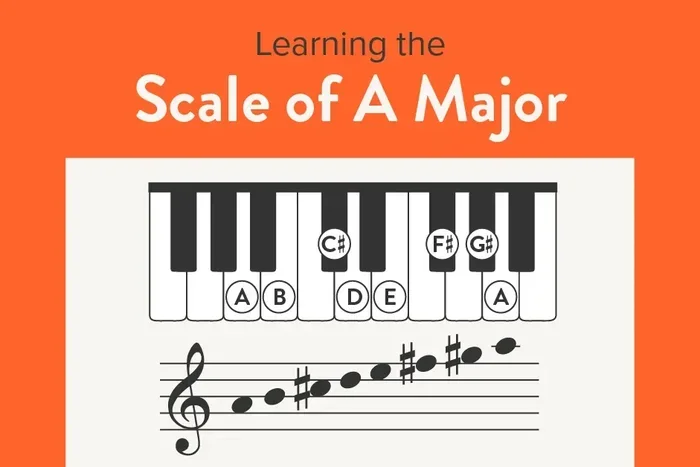
Learning and retention improve dramatically when you use visual and auditory tools together. A good scale generator shows you the notes on a piano keyboard, displays them on a musical staff, and plays the scale aloud. This multi-sensory approach helps your brain lock in the scale patterns much faster than reading about them alone.
Another big benefit is exploration. Many musicians stick to the same five or six scales they know well. A scale generator encourages you to try unfamiliar territory. You might discover a harmonic minor scale that inspires a new melody, or a blues scale that transforms your improvisation. The more scales you know, the more expressive your playing becomes.
Benefits for Different Types of Musicians
The beauty of a scale generator is that it serves many different types of musicians. Piano players can use it to visualize scales across the keyboard and understand hand positions. Guitarists benefit from seeing scale patterns on the fretboard, which helps with improvisation and soloing. Vocalists can use it to train their ear and expand their range. Music producers and beat makers use scale generators to create melodies and bass lines in their digital audio workstations. Even music teachers find them invaluable for creating music education materials and exercises.
Key Features to Look for in a Scale Generator
Not all scale generator tools are created equal. Some are simple and bare-bones. Others are packed with features that make them indispensable. Here are the key features you should look for when choosing a scale generator:
- Multiple Scale Types: The tool should offer a wide range of scales, including major, minor (natural, harmonic, and melodic), pentatonic, blues, chromatic, and various modes like Dorian, Mixolydian, and Lydian.
- Audio Playback: Being able to hear the scale is just as important as seeing it. Look for a generator that plays notes clearly and accurately.
- Visual Display: A good scale generator shows the scale on a piano keyboard, a fretboard diagram, and a musical staff. This multi-format display helps different types of musicians learn faster.
- Custom Scale Creation: Advanced users will appreciate the ability to build their own scales by defining custom interval patterns.
- Key and Octave Selection: You should be able to choose any root note and any octave range.
- Export and Sharing Options: Some tools let you export scale charts or share them with students and bandmates.
- Mobile Compatibility: A scale generator that works on your phone or tablet is incredibly convenient for practicing on the go.
Free vs Paid Scale Generators
There are many free scale generator tools available online. These are great for casual practice and learning. However, if you are a serious musician or a music teacher, a paid tool with more features may be worth the investment. Free tools usually cover the basics well. Paid tools often include advanced features like custom scale creation, audio playback with different instruments, and integration with other music software. You can also find tools that help you create worksheets for your students by using a worksheet generator to print out scale exercises and music theory drills.
How to Use a Scale Generator for Practice and Composition
Using a scale generator is simple, but using it effectively takes a little strategy. Here is a step-by-step approach to get the most out of your practice sessions.
- Choose a Root Note: Start by selecting the root note of the scale you want to explore. This is the foundation of the scale.
- Pick a Scale Type: Choose from major, minor, pentatonic, blues, or any of the modes. If you are not sure which one to try, start with the major scale.
- Listen and Play: Play the scale on your instrument while listening to the playback. Pay attention to how the notes feel and sound.
- Experiment with Patterns: Try playing the scale in different rhythms, octaves, or patterns. This builds scale exercises that improve your technique.
- Create a Melody: Once you are comfortable with the scale, try improvising a melody using only the notes in that scale.
- Build Chords from the Scale: Learn which chords naturally belong to each scale. This is a powerful music composition technique.
- Keep a Practice Journal: Write down the scales you practiced and any ideas that came up. This helps track your progress over time.
If you are a teacher, you can use a scale generator to create interesting practice assignments. You might ask students to explore three new scales each week and write a short melody using each one. You can also create visual aids and handouts. For creative projects, if you need a catchy title for your composition or a memorable name for your band, you could use a headline generator or a product name generator to spark ideas. Similarly, if you are building a backstory for a musical project or a concept album, a backstory generator can help you develop the narrative behind your music.
Using Scales for Music Composition
Music composition becomes much more exciting when you have a wide palette of scales to choose from. A scale generator lets you quickly try different scales over a chord progression. You might discover that a Dorian mode gives your song a jazzy, sophisticated feel, while a Phrygian mode adds an exotic, dramatic edge. These discoveries can transform a simple song into something memorable and unique.
Many professional composers and songwriters use scale generators as part of their creative workflow. They start with a chord progression, then use a scale finder to identify which scales work best over those chords. This approach, called modal composition, opens up endless creative possibilities. Even if you are not a professional composer, these same techniques can elevate your playing and writing.
Common Mistakes Musicians Make with Scales
Even with a great scale generator, musicians can fall into habits that slow their progress. Here are some common mistakes to watch out for:
- Skipping the Ear Training: It is easy to rely on visual tools and forget to train your ear. Always listen carefully to the scales you generate. Try to sing them. Your ear is your most important musical tool.
- Practicing the Same Scales Over and Over: Routine is comfortable, but it limits growth. Use your scale generator to explore at least one new scale every week.
- Ignoring Intervals: Knowing the notes is only half the battle. Understanding the scale intervals helps you apply scales to real music situations. Take time to learn what a whole step and a half step sound like.
- Not Connecting Scales to Chords: Scales do not exist in isolation. They are closely related to chords and progressions. Always try to connect what you learn on the scale generator to the chords you play.
- Practicing Without a Goal: Mindless repetition does not help. Set a specific goal for each practice session, such as mastering the A harmonic minor scale or improvising a melody in D Mixolydian.
Another mistake is using low-quality tools. A poor scale generator might have incorrect interval patterns or unclear audio playback. Always choose a reputable tool that is based on solid music theory. If you are building a collection of tools for your music practice, you might also want to explore other creative generators. For example, a random adjective generator can help you describe the mood of your music, and a world name generator can inspire names for fantasy-themed compositions or projects.
Expert Tips for Getting the Most from Your Scale Generator
Here are some tips from experienced musicians and educators to help you get the most out of your scale generator:
- Start Slow: When learning a new scale, play it slowly and focus on accuracy. Speed comes with time.
- Use a Metronome: Practice your scales with a metronome to develop your sense of timing and rhythm.
- Transpose Regularly: Practice the same scale in different keys. This builds flexibility and deepens your understanding of key signatures.
- Combine Scales: Try blending two scales together. For example, mix the major scale with the blues scale for a soulful sound.
- Record Yourself: Record your practice sessions and listen back. You will notice areas for improvement that you might miss in the moment.
- Share with Others: Play your newly learned scales with your bandmates or in a jam session. This builds confidence and real-world application skills.
The more you use a scale generator, the more intuitive scale patterns become. Over time, you will find yourself instinctively knowing which notes belong in a scale without even checking the tool. That is the goal — internalizing music theory so it becomes second nature.
Final Thoughts
A scale generator is one of the most practical and powerful tools any musician can have in their toolkit. It removes the friction of scale building and replaces it with instant creativity. Whether you are just starting your music education journey or you are a seasoned player looking to expand your horizons, a scale generator has something to offer. It helps you learn faster, practice smarter, and create more freely. The best part is that many excellent options are available for free online. So why not give one a try today? Your next great melody might be just one scale away.
Remember, the journey of music is about growth and exploration. Every new scale pattern you learn adds another color to your musical palette. Keep practicing, stay curious, and let the scale generator guide you toward new musical horizons. The world of musical scales is vast and beautiful, and there is always something new to discover.
Frequently Asked Questions
What is a scale generator used for?
A scale generator is used to quickly create and display musical scales based on music theory. Musicians use it for practice, composition, ear training, and exploring new scale patterns on instruments like piano, guitar, and more.
Is a scale generator free to use?
Many scale generator tools are available for free online. Some offer basic features at no cost, while others have premium versions with advanced options like custom scale creation and audio playback with different instruments.
Can beginners use a scale generator?
Absolutely. A scale generator is one of the best tools for beginners. It simplifies music theory by showing notes, intervals, and audio playback, making it easy to learn and memorize scales without prior experience.
How does a scale generator help with music composition?
A scale generator helps composers quickly find scales that fit their chord progressions and mood. It opens up creative possibilities by making it easy to experiment with different musical scales, modes, and harmonic scales during the writing process.
Can a scale generator be used for all instruments?
Yes. A scale generator is instrument-agnostic. Piano players can see scales on a keyboard, guitarists can view fretboard patterns, and vocalists can use it for ear training and melody creation. It benefits any musician who works with musical notation.
What is the difference between a scale generator and a scale finder?
A scale generator builds scales from scratch based on your chosen root note and scale type. A scale finder typically helps you identify which scales match a given set of notes or chord progression. Many modern tools combine both functions into one scale builder application.
=== CONCLUSION ===
A scale generator is a must-have tool for any musician who wants to learn, practice, and create music more efficiently. It takes the complexity out of scale building and turns it into a simple, enjoyable experience. From beginners just starting their music education to experienced composers searching for fresh ideas, a scale generator delivers real value. Use it to explore new musical scales, practice scale exercises, and unlock your creative potential. Start using a scale generator today and watch your musicianship grow.