35kw Generator Everything You Need to Know Before Buying
A 35kw generator is a powerful mid-range unit that delivers reliable electricity for homes, businesses, and job sites. This guide covers everything from fuel types and runtime to costs, sizing, and top brands. You will learn how to choose the right 35kw generator for your specific needs and avoid common buying mistakes.
A 35kw generator hits a sweet spot in the world of backup and portable power. It is big enough to run a full house or a small business, yet not so massive that it becomes a headache to install and maintain. Whether you are preparing for blackout season or powering a remote worksite, this guide breaks down everything you need to know before spending your hard-earned money.
Buying a generator can feel overwhelming. There are so many brands, fuel types, and features to consider. That is exactly why we put this guide together. By the end, you will understand what a 35kw generator can do, how much it costs, and which model fits your situation best. Let us dive in.
Key Takeaways
- Power Output: A 35kw generator produces 35,000 watts, enough for most homes and small commercial setups.
- Fuel Options: Diesel, natural gas, and propane are the three main fuel types, each with unique pros and cons.
- Cost Range: Expect to pay between $5,000 and $15,000 depending on brand, fuel type, and features.
- Sizing Matters: Matching your generator to your actual power needs prevents waste and saves money.
- Maintenance Is Key: Regular upkeep extends the life of your 35kw generator significantly.
- Installation Counts: Professional installation ensures safety and optimal performance.
📑 Table of Contents
What Is a 35kw Generator and Why Do You Need One?
A 35kw generator is a power unit that produces 35 kilowatts of electricity. To put that in perspective, 35kw equals 35,000 watts. This is enough to run your refrigerator, lights, HVAC system, and several other appliances at the same time. For most households, a 35kw unit provides comfortable backup power during outages.
Small businesses also love this size. A 35kw generator can keep a small office, retail store, or restaurant running smoothly. Construction crews use them on job sites where no grid power is available. The versatility of a 35kw unit makes it one of the most popular choices for both residential and light commercial use.
How Much Power Does 35kw Actually Provide?
To understand 35kw, think of it this way. A typical central air conditioner uses about 3,000 to 5,000 watts. A refrigerator pulls around 700 watts. Your furnace blower uses roughly 400 watts. Add up all the essential circuits in a home, and a 35kw generator handles them with room to spare.
Here is a quick look at what a 35kw generator can typically power:
- Central air conditioning system
- Electric water heater
- Kitchen appliances (oven, microwave, dishwasher)
- Multiple lighting circuits
- Sump pump
- Home office equipment
- Well pump
The key takeaway is that a 35kw generator covers the essentials comfortably. You do not need to pick and choose which appliances to run. Everything stays on at the same time.
Types of 35kw Generators
Not all generators are the same. When shopping for a 35kw generator, you will encounter three main types. Each has its own strengths and ideal use cases.
Diesel 35kw Generators
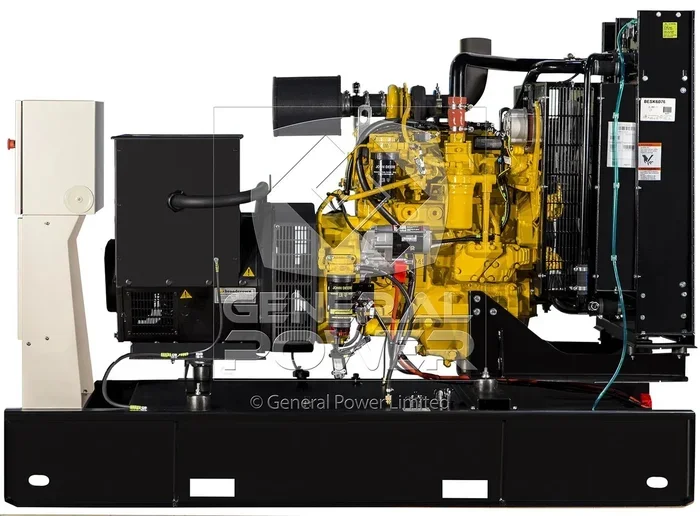
Diesel generators are the workhorses of the generator world. They are known for durability and fuel efficiency. A 35kw diesel generator can run for long hours without needing frequent refueling. These units are perfect for commercial sites and homes in areas prone to extended outages.
Diesel also has a longer shelf life than gasoline. You can store it for months without it going bad. The downside is the higher upfront cost and the fact that diesel engines can be louder. Maintenance costs are moderate, and diesel units tend to last a very long time with proper care.
Natural Gas 35kw Generators
Natural gas generators connect directly to your home’s gas line. This means no refueling. As long as gas flows to your house, your 35kw generator keeps running. This is a huge advantage during long outages.
Natural gas units are also quieter than diesel models. They produce fewer emissions, which makes them more environmentally friendly. The trade-off is that natural gas may not be available in all areas. If your home relies on propane or electricity, a natural gas generator might not be an option.
Propane 35kw Generators
Propane generators offer a nice middle ground. Propane stores well and is widely available. A 35kw propane generator is a popular choice for rural homes and areas where natural gas service is not offered.
Propane burns cleanly and produces less soot than diesel. However, propane has lower energy density, meaning you will go through fuel faster. You need to keep an eye on tank levels during extended use. Many propane units offer dual-fuel capability, letting you switch between propane and natural gas.
How Much Does a 35kw Generator Cost?
Price is one of the biggest factors in any generator purchase. A 35kw generator typically ranges from $5,000 to $15,000. The wide range depends on fuel type, brand, features, and whether you buy a standby or portable model.
Price Breakdown by Fuel Type
Here is a general cost comparison to help you budget:
- Diesel models: $7,000 to $15,000. Higher upfront cost but lower fuel expenses over time.
- Natural gas models: $6,000 to $12,000. Mid-range pricing with the convenience of continuous fuel supply.
- Propane models: $5,000 to $11,000. Often the most affordable option at purchase.
Keep in mind that these are equipment costs only. Installation can add another $1,000 to $3,000. You will also need a transfer switch, which costs between $500 and $1,500. Factor in these extras when planning your budget for a 35kw generator setup.
Are More Expensive Models Worth It?
Premium brands like Generac, Kohler, and Cummins charge more, but they deliver better build quality, quieter operation, and longer warranties. A cheaper unit might save you money upfront but could cost more in repairs and fuel over the years. Think of a 35kw generator as a long-term investment. Spending a bit more upfront often pays off.
Key Features to Look For
Not every 35kw generator is created equal. Some models come loaded with features that make your life easier. Others keep it basic. Here are the features that matter most.
Automatic Transfer Switch
An automatic transfer switch, or ATS, is a game changer. When the power goes out, the ATS detects the outage and switches your home to generator power automatically. You do not need to flip any switches or stand outside in the dark. A 35kw generator with an ATS provides seamless backup power.
Fuel Efficiency and Runtime
Runtime matters, especially during long outages. A well-built 35kw generator can run for 24 to 48 hours on a full tank of diesel. Natural gas units can run indefinitely as long as the gas line stays active. Look for models with economy modes that reduce fuel consumption during lighter loads.
Noise Level
Generators can be loud. Nobody wants a noisy machine running outside their bedroom window. Modern 35kw generators from quality brands operate at around 65 to 75 decibels. That is about as loud as a normal conversation. If noise is a concern, look for units with soundproof enclosures or quiet-tech features.
Remote Monitoring
Some higher-end models offer Wi-Fi connectivity and remote monitoring. You can check your generator’s status from your phone. You will get alerts if something goes wrong. This feature is especially useful for people who travel or own rental properties.
Installation and Setup
Installing a 35kw generator is not a DIY project for most people. These units are heavy, involve complex electrical connections, and must meet local building codes. Professional installation is strongly recommended.
What Does Installation Involve?
A professional installer will handle several steps:
- Placing the unit on a concrete pad or mounting it on a pad.
- Connecting the generator to your home’s electrical panel.
- Installing the automatic transfer switch.
- Running fuel lines (for gas or propane models).
- Testing the system to ensure everything works correctly.
The whole process usually takes one to two days. Make sure your installer is licensed and insured. A proper setup ensures safety and keeps your warranty valid.
Placement Tips
Where you place your 35kw generator matters. Keep it at least five feet from any window or door to prevent exhaust from entering your home. Place it on a level surface. Ensure there is enough clearance for airflow and maintenance access. Check local noise ordinances before finalizing your placement.
Maintenance Tips for Your 35kw Generator
A 35kw generator is built to last, but only if you take care of it. Regular maintenance keeps your unit running smoothly and extends its lifespan by many years.
Routine Maintenance Schedule
Here is a simple maintenance routine to follow:
- Every month: Start the generator and let it run for 15 to 20 minutes. Check for any unusual sounds or smells.
- Every 100 hours: Check the oil level and change the oil if needed. Inspect the air filter.
- Every 500 hours: Replace the oil and air filter completely. Check the spark plugs.
- Annually: Have a professional inspect the unit. Test the transfer switch. Check the fuel lines for leaks.
Common Mistakes to Avoid
Many generator owners make avoidable mistakes. Running your unit on a low oil level can cause serious engine damage. Skipping oil changes shortens the engine life. Neglecting to test your generator regularly means you might discover problems only when you need it most. Treat your 35kw generator like any other important piece of equipment and it will serve you well for years.
Quick Tips for Long-Term Care
- Keep a maintenance log to track service dates.
- Store fuel in approved containers away from the unit.
- Use fuel stabilizer if you store the generator for long periods.
- Keep the area around the unit clean and free of debris.
- Test your generator under load at least once a month.
35kw Generator vs Other Sizes
How does a 35kw generator compare to other sizes? Here is a quick comparison to help you understand where it fits.
Comparing Generator Sizes
A 20kw generator handles basic essentials but struggles with heavy loads like central air. A 35kw generator covers those heavy loads comfortably. A 100kw generator is overkill for most homes but perfect for large commercial properties.
For a direct comparison of a much larger unit, check out our guide on the 1000kw generator to see how industrial-scale power differs from a residential 35kw unit.
The bottom line is that a 35kw generator offers the best balance of power and practicality for most homes and small businesses. It is the Goldilocks option, not too big and not too small.
Top Brands to Consider
When shopping for a 35kw generator, brand reputation matters. Here are some of the top names in the industry:
- Generac: Known for reliable home standby generators. Their 35kw models are popular and widely available.
- Kohler: A premium brand with excellent build quality and long warranties.
- Cummins: A trusted name in diesel power. Their generators are built to last through heavy use.
- Briggs & Stratton: Offers solid mid-range options with good features at competitive prices.
Each brand has its strengths. Read reviews, compare warranties, and visit local dealers if possible. Seeing and hearing a unit in person helps you make a better decision.
Final Thoughts
A 35kw generator is a smart investment for anyone who needs reliable backup power. It covers the essential loads of most homes and small businesses with ease. Whether you choose diesel, natural gas, or propane, the key is to match the unit to your actual needs and budget.
Do not rush the buying process. Take time to compare models, get quotes from multiple dealers, and factor in installation costs. A well-chosen 35kw generator will keep your lights on and your appliances running when the grid fails. It gives you peace of mind that is truly priceless.
Start your search today. Know your power needs, set your budget, and find the perfect 35kw generator for your home or business. You will be glad you did when the next storm rolls in.
Frequently Asked Questions
How long will a 35kw generator run on a full tank?
A diesel 35kw generator can run for 24 to 48 hours on a full tank under moderate load. Natural gas models can run indefinitely as long as the gas supply stays active. Runtime depends on the load you are placing on the unit and the fuel tank size.
Can a 35kw generator power an entire house?
Yes, a 35kw generator can power an entire average-sized home. It handles essential circuits like HVAC, water heater, kitchen appliances, and lighting all at the same time. For larger homes with high electrical demands, you may need to prioritize circuits.
Is a 35kw generator loud?
Modern 35kw generators operate at around 65 to 75 decibels. That is similar to a normal conversation. Some models are quieter than others, especially those with soundproof enclosures. Check the decibel rating before purchasing if noise is a concern.
Do I need a transfer switch for a 35kw generator?
Yes, a transfer switch is essential for safety and convenience. It prevents backfeeding into the grid and automatically switches your home to generator power during an outage. A 35kw generator requires a properly sized transfer switch rated for 35kw.
What is the difference between a 35kw generator and a 35kva generator?
Kilowatts (kw) measure real power, while kilovolt-amperes (kva) measure apparent power. A 35kw generator is slightly more powerful than a 35kva generator because of the power factor. For most practical purposes, a 35kw generator delivers around 40 to 44kva of apparent power.
How often should I maintain my 35kw generator?
You should start your generator monthly and run it for 15 to 20 minutes. Oil changes are needed every 100 to 250 hours of use. A full professional inspection should happen annually. Regular maintenance keeps your 35kw generator running reliably for 10,000 to 30,000 hours or more.