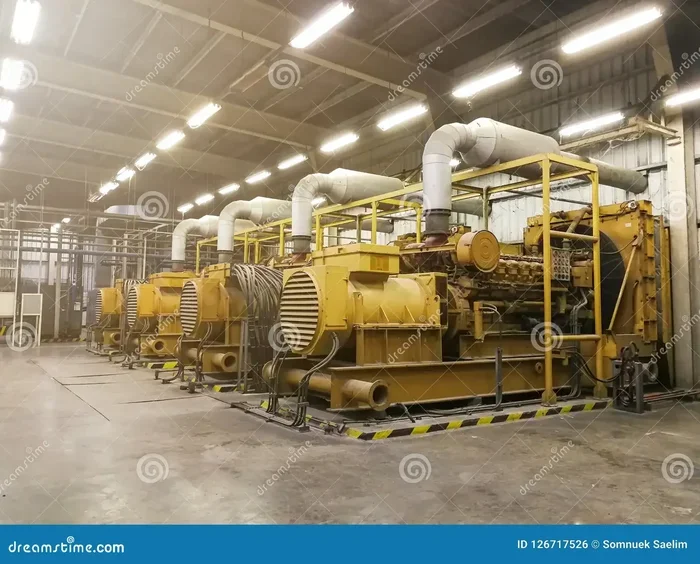
How to Choose the Best 400kw Generator for Your Needs
Choosing the right 400kw generator can be a game-changer for your power needs. This guide walks you through everything you need to know, from fuel types and sizing to cost and installation. You will learn how to pick a 400kw generator that fits your budget and keeps your operations running smoothly.
Power outages can strike at any time. Whether you run a factory, a hospital, or a large commercial building, losing electricity is not an option. That is where a 400kw generator comes in. It provides the backup power you need to keep things running when the grid fails.
But picking the right 400kw generator is not as simple as just buying the biggest unit you can find. You need to think about fuel type, load requirements, installation costs, and long-term maintenance. This guide breaks it all down in plain language so you can make a confident decision.
By the end of this article, you will know exactly what to look for. You will understand how to size a 400kw generator correctly, compare fuel options, estimate total costs, and avoid common buying mistakes. Let us dive in.
Key Takeaways
- Know Your Power Needs: Understanding your load requirements is the first step to choosing the right 400kw generator.
- Fuel Type Matters: Diesel, natural gas, and propane each have pros and cons for different situations.
- Budget Wisely: A 400kw generator typically costs between $80,000 and $150,000, but total ownership costs go beyond the sticker price.
- Software Integration Is Key: Modern generators come with digital control systems and monitoring tools that make management easier.
- Installation and Maintenance Count: Proper setup and regular upkeep extend your generator’s lifespan and reliability.
📑 Table of Contents
- Understanding What a 400kw Generator Can Power
- Fuel Types for 400kw Generators
- Top Features to Look For in a 400kw Generator
- Cost Breakdown: What Does a 400kw Generator Really Cost?
- Installation and Placement Best Practices
- Maintenance Tips to Extend Your Generator’s Life
- Common Mistakes to Avoid When Buying a 400kw Generator
- Final Thoughts
Understanding What a 400kw Generator Can Power
How Much Power Does 400kw Actually Mean?
Let us start with the basics. A 400kw generator produces 400 kilowatts of electrical power. To put that in perspective, a typical home uses about 30kw to 50kw at peak demand. So a 400kw unit can easily power several homes at once. For businesses, this size generator can handle large office buildings, small manufacturing plants, or data centers.
The key is understanding your power load. You need to add up everything that will run on the generator at the same time. This includes lights, HVAC systems, computers, machinery, and anything else that draws electricity. A load calculation tells you exactly how much power you need.
Step-by-Step Load Calculation
Here is a simple way to calculate your load:
- List all equipment: Write down every device that needs power during an outage.
- Check the wattage: Look at the nameplate on each machine for its power rating.
- Add starting watts: Some equipment like motors and compressors need extra power to start up.
- Factor in a safety margin: Add 10 to 20 percent extra capacity to avoid overloading.
Doing this math correctly prevents you from buying a generator that is too small or wasting money on one that is too big. If you are unsure, a licensed electrician can help you with a professional load assessment.
Fuel Types for 400kw Generators
Diesel Generators
Diesel is the most popular fuel for large generators, including the 400kw generator class. Here is why:
- Fuel efficiency: Diesel engines convert more energy into power, so you get more runtime per gallon.
- Durability: Diesel generators are built to last and handle heavy loads for long periods.
- Availability: Diesel fuel is widely available almost everywhere.
The downside is the upfront cost. Diesel units tend to be more expensive than their natural gas counterparts. Also, storing large amounts of diesel fuel requires proper safety measures.
Natural Gas Generators
Natural gas generators are a clean-burning alternative. They connect directly to your gas line, so you never run out of fuel as long as the supply stays on. This makes them ideal for buildings that already have a natural gas connection.
However, natural gas has lower energy density than diesel. A 400kw generator running on natural gas may consume more fuel to produce the same output. They also tend to have a higher upfront cost for the fuel system infrastructure.
Propane Generators
Propane is another option worth considering. It stores well and has a long shelf life, which makes it great for emergency backup. Propane burns cleaner than diesel and is often cheaper at the pump. The trade-off is that propane tanks take up space and need to be refilled regularly.
Quick Comparison Table
| Feature | Diesel | Natural Gas | Propane |
|---|---|---|---|
| Fuel Efficiency | High | Medium | Medium |
| Upfront Cost | Higher | Higher (infrastructure) | Moderate |
| Runtime | Excellent | Unlimited (with supply) | Good (tank dependent) |
| Emissions | Higher | Lower | Lowest |
| Fuel Storage | Tank required | Pipeline | Tank required |
Each fuel type has its place. Your choice depends on your location, budget, and how long you need the generator to run. Think about what matters most to your operation before you decide.
Top Features to Look For in a 400kw Generator
Automatic Transfer Switch (ATS)
An automatic transfer switch is a must-have. It detects power loss and switches your load to the generator automatically. This means zero downtime. You do not need anyone to manually start the generator during an emergency. An ATS is especially important for hospitals, data centers, and businesses where every second counts.
Digital Control Panel
Modern 400kw generator units come with advanced digital control panels. These panels let you monitor fuel levels, runtime, load percentage, and error codes from a single screen. Some units even connect to deep ai text generator platforms that can automatically generate maintenance reports and performance summaries. This kind of software integration makes managing your generator much simpler.
Sound Attenuation
If your generator will be near residential areas or offices, noise matters. Sound-attenuated enclosures reduce decibel levels significantly. Look for units that meet local noise ordinances so you avoid complaints and fines.
Redundancy and Parallel Capability
For critical operations, consider generators with parallel capability. This allows you to link two smaller units together to share the load. If one unit fails, the other picks up the slack. This adds a layer of redundancy that keeps your power flowing no matter what.
Fuel Tank Size
A larger fuel tank means longer runtime between refills. For a 400kw generator, look for tanks that provide at least 8 to 24 hours of continuous operation at full load. Some setups allow for external fuel tanks, which can extend runtime even further.
Cost Breakdown: What Does a 400kw Generator Really Cost?
Unit Price
The price of a new 400kw generator typically ranges from $80,000 to $150,000. The exact cost depends on the brand, fuel type, and included features. Premium brands with advanced control systems and longer warranties will cost more. Budget-friendly options may save you money upfront but could cost more in maintenance over time.
Installation Costs
Installation is often overlooked when people estimate generator costs. A proper setup includes:
- Concrete pad or foundation: $5,000 to $15,000
- Electrical wiring and connection: $10,000 to $25,000
- Automatic transfer switch: $5,000 to $10,000
- Permits and inspections: $2,000 to $5,000
All together, you might spend an additional 20 to 30 percent of the unit price on installation. Do not skip this step. A poorly installed generator can cause safety hazards and performance issues.
Ongoing Maintenance and Fuel Costs
Running a 400kw generator is not a one-time expense. You need to budget for:
- Quarterly maintenance: Oil changes, filter replacements, and inspections typically cost $1,500 to $3,000 per visit.
- Annual servicing: A full annual check-up can run $5,000 to $10,000.
- Fuel costs: A 400kw diesel generator uses roughly 50 to 80 gallons of fuel per hour at full load. At current prices, that adds up fast.
Use a random generator tool to simulate different usage scenarios and estimate your annual fuel costs. This helps you build a realistic budget for the entire lifespan of the unit.
Installation and Placement Best Practices
Choosing the Right Location
Where you place your 400kw generator matters a lot. Here are some guidelines:
- Keep it outside: Generators produce carbon monoxide. Always place them in well-ventilated outdoor areas.
- Stay away from windows and vents: Exhaust fumes should never re-enter the building.
- Consider noise: Place the unit away from bedrooms and offices if possible.
- Easy access for maintenance: Technicians need clear space to service the unit.
Working With a Professional Installer
Do not try to install a 400kw generator yourself. These are complex systems that require licensed professionals. A certified installer will handle electrical connections, fuel line setup, exhaust routing, and compliance with local building codes. They also ensure your generator warranty stays valid. Voiding a warranty because of improper installation is a costly mistake you want to avoid.
Maintenance Tips to Extend Your Generator’s Life
Daily and Weekly Checks
Keep your 400kw generator in top shape with regular checks:
- Check the fuel level and look for leaks.
- Inspect the coolant level and top off as needed.
- Listen for unusual sounds or vibrations during operation.
- Check the battery terminals for corrosion.
Monthly and Quarterly Maintenance
Every month, run the generator under load for at least 30 minutes. This keeps the engine healthy and prevents fuel system issues. Every quarter, change the oil and filters. Replace air filters and check the belts and hoses for wear.
Annual Overhaul
Once a year, schedule a comprehensive inspection. A technician will check the alternator, control panel, exhaust system, and all electrical connections. Think of it like a tune-up for your car, but much more important since your business depends on it.
Common Mistakes to Avoid When Buying a 400kw Generator
Buying a generator is a big investment. Avoid these common pitfalls:
- Undersizing: Do not guess your power needs. An undersized generator will overload and fail when you need it most.
- Ignoring fuel availability: If you choose diesel but cannot store fuel on-site, you will run into problems during long outages.
- Skipping the ATS: Manual generators waste precious time during emergencies. An automatic transfer switch is worth every penny.
- Neglecting software integration: Modern generators offer monitoring and control software. Skipping these features means you miss out on valuable data and automation.
- Buying based on price alone: The cheapest option is rarely the best. Look at total cost of ownership, including fuel, maintenance, and expected lifespan.
Take your time. Research different brands, read reviews, and talk to other business owners who have been through the process. The right 400kw generator should serve you reliably for 20 to 30 years with proper care.
Final Thoughts
Choosing a 400kw generator is a big decision, but it does not have to be overwhelming. Start by understanding your power needs. Pick the right fuel type for your situation. Compare features, costs, and brands carefully. And always work with certified professionals for installation and maintenance.
A well-chosen generator protects your business from costly downtime. It keeps your operations running when the grid goes down. It gives you peace of mind knowing that power is always within reach. Use the tips in this guide to make a smart, informed choice that will serve you for decades.
Take action today. Get a load assessment, request quotes from reputable suppliers, and start planning your backup power solution. Your future self will thank you when the next outage hits and your lights stay on.
Frequently Asked Questions
How much does a 400kw generator cost?
A new 400kw generator typically costs between $80,000 and $150,000. Installation and setup can add another 20 to 30 percent on top of that. Keep in mind that ongoing maintenance and fuel costs are part of the total ownership expense.
How much fuel does a 400kw generator use per hour?
A diesel 400kw generator uses approximately 50 to 80 gallons of fuel per hour at full load. The exact amount depends on the engine efficiency, load percentage, and operating conditions. Natural gas and propane units will have different consumption rates.
Can a 400kw generator power a small business?
Yes, a 400kw generator can easily power a small business. It can handle multiple office buildings, retail spaces, or light manufacturing operations. The key is to perform a proper load calculation to ensure the generator matches your specific power requirements.
What is the lifespan of a 400kw generator?
With proper maintenance, a 400kw generator can last 20 to 30 years or more. Regular oil changes, filter replacements, and annual inspections play a huge role in extending the unit’s lifespan. Following the manufacturer’s maintenance schedule is essential.
Do I need a permit to install a 400kw generator?
Yes, most jurisdictions require permits for generator installations. This ensures the setup meets safety codes and environmental regulations. Your installer should handle the permitting process for you. Always check with your local building authority before starting the project.
Is diesel or natural gas better for a 400kw generator?
It depends on your needs. Diesel offers better fuel efficiency and runtime but costs more upfront. Natural gas burns cleaner and connects to a continuous supply line but requires infrastructure. Consider your budget, fuel availability, and environmental goals when choosing.