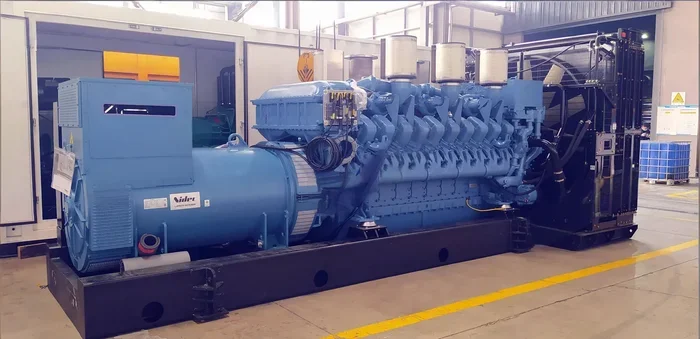
Everything You Need to Know About an 80kw Generator
An 80kw generator is a powerful machine that delivers reliable backup or primary power for homes, businesses, and construction sites. This guide covers everything from how it works and what it costs to fuel consumption and maintenance tips. Whether you are shopping for a new unit or trying to understand your current setup, this article has you covered with practical, easy-to-follow advice.
An 80kw generator is no small machine. It packs serious power and can keep your lights on, your business running, or your construction site humming when the grid fails. If you have been researching backup power options, you have probably come across this size category more than once. And for good reason. An 80kw unit hits a sweet spot between being powerful enough for heavy loads and not so massive that it becomes impractical for most settings.
In this guide, we will walk you through everything you need to know. From understanding what an 80kw generator actually does, to picking the right fuel type, estimating costs, and keeping it running smoothly. We have broken it all down into simple sections so you can find exactly what you need without getting lost in the noise.
Key Takeaways
- Power Output: An 80kw generator delivers approximately 80,000 watts, making it ideal for medium to large homes and commercial applications.
- Fuel Types: Diesel, natural gas, and propane are the most common fuel options, each with different efficiency and cost profiles.
- Cost Range: Expect to pay between $15,000 and $40,000 depending on the brand, fuel type, and features.
- Maintenance Matters: Regular servicing extends the life of your unit and prevents costly breakdowns.
- Safety First: Proper installation and adherence to safety guidelines are essential for safe operation.
📑 Table of Contents
- What Is an 80kw Generator?
- Common Uses for an 80kw Generator
- Types of Fuel Used by 80kw Generators
- How Much Does an 80kw Generator Cost?
- Generator Sizing and Power Output
- Maintenance Tips for Your 80kw Generator
- Safety Considerations for 80kw Generators
- Choosing the Right 80kw Generator for Your Needs
- Common Mistakes to Avoid
- Final Thoughts
What Is an 80kw Generator?
Let us start with the basics. A generator converts mechanical energy into electrical energy. An 80kw generator produces 80 kilowatts of power. That is 80,000 watts. To put that in perspective, the average American home uses about 30 kilowatts at peak demand. So an 80kw unit can comfortably power a large home, a small business, or a job site with multiple heavy tools running at the same time.
These generators come in two main categories. Standby generators stay permanently installed and kick on automatically when power goes out. Portable generators can be moved around but are less common at this size. Most 80kw units are standby or prime power models designed for semi-permanent installation.
How Does an 80kw Generator Work?
Inside the unit, a diesel or gas engine spins a rotor inside a stator. This movement creates an electromagnetic field that generates electricity. The engine runs at a steady speed, usually 1800 RPM for a 60Hz output, which is the standard frequency for most household and commercial appliances in the United States.
The generator controller manages everything. It monitors voltage, frequency, and load. When the power goes out, a standby 80kw generator detects the outage within seconds and starts up automatically. It transfers power to your building through an automatic transfer switch. This whole process happens in about 10 to 30 seconds. You might not even notice the interruption.
Common Uses for an 80kw Generator
An 80kw unit is versatile. It is not just for one specific situation. Here are the most common applications where this size generator shines.
Home Backup Power
Large homes with multiple air conditioning units, electric heating systems, and modern kitchens can easily exceed 30kw of demand during peak hours. An 80kw generator gives you plenty of headroom. You can run everything simultaneously, including well pumps, security systems, and home offices. This size also allows you to add a generator contractor to help with proper sizing and installation for your specific home layout.
Small Business and Retail
Small retail stores, restaurants, and offices often need between 40 and 70kw to keep operations running during an outage. An 80kw unit covers those needs with room to spare. You can keep refrigerators, point-of-sale systems, computers, and lighting all running without worrying about tripping the system.
Construction Sites
Construction sites are demanding environments. Tools like welders, concrete saws, compressors, and lighting towers all draw significant power. An 80kw diesel generator is a popular choice for job sites because diesel engines are durable and fuel-efficient under heavy loads.
Events and Outdoor Venues
Outdoor weddings, festivals, and sporting events often need temporary power. An 80kw unit can handle sound systems, lighting rigs, food vendor equipment, and more. It is a reliable solution when permanent power is not available.
Types of Fuel Used by 80kw Generators
The fuel type you choose affects everything from operating costs to environmental impact. Here is a closer look at the most common options.
Diesel
Diesel is the most popular fuel for 80kw generators. It offers excellent fuel efficiency and long engine life. Diesel engines are built to handle heavy loads and can run for thousands of hours with proper generator servicing. The downside is that diesel fuel costs more than natural gas in many regions, and storage requirements are stricter due to safety regulations.
Natural Gas
Natural gas is a clean-burning fuel that is often cheaper than diesel. Many homeowners prefer it because it connects directly to their existing gas line, so there is no need to store fuel on-site. However, natural gas generators may have slightly lower power output compared to diesel units of the same size. They also require a steady gas supply, which can be an issue during widespread outages if the gas infrastructure is affected.
Propane
Propane is another clean fuel option. It stores well for long periods and is readily available. Propane-powered generators are common in areas where natural gas is not available. The trade-off is that propane has a lower energy density, meaning you may burn through fuel faster compared to diesel.
| Fuel Type | Efficiency | Cost per Unit | Storage Needed | Best For |
|---|---|---|---|---|
| Diesel | High | Moderate to High | Yes (tank required) | Heavy duty and long runtime |
| Natural Gas | Moderate | Low to Moderate | No (pipeline connected) | Home backup and continuous use |
| Propane | Moderate | Moderate | Yes (tanks required) | Areas without gas lines |
How Much Does an 80kw Generator Cost?
Price is one of the biggest factors when buying a generator. An 80kw generator cost can vary widely based on several factors. Let us break it down.
New diesel units typically range from $25,000 to $40,000. Natural gas models tend to fall in the $20,000 to $35,000 range. Used units can cost as little as $10,000 to $20,000 depending on the age, brand, and condition. Installation costs add another $3,000 to $10,000, especially if you need a concrete pad, electrical wiring, or a fuel tank setup.
Keep in mind that the cheapest option is not always the best deal. A lower-priced generator might cost more in fuel and repairs over time. Look at the total cost of ownership, not just the upfront price.
Factors That Affect Price
- Brand reputation: Well-known brands like Perkins, Cummins, and Generac command higher prices but often offer better reliability and support.
- Fuel type: Diesel units cost more upfront but may save money on fuel over time.
- Features: Automatic transfer switches, soundproof enclosures, and remote monitoring add to the price.
- Warranty: Longer warranties often come with higher price tags but provide peace of mind.
Generator Sizing and Power Output
Sizing your generator correctly is critical. An 80kw generator is a mid-range commercial unit. It is not too big and not too small for many applications. But how do you know if 80kw is the right size for your needs?
Start by listing all the loads you want to power. Add up the wattage of each appliance, tool, or system. Do not forget to account for startup surges. Motors like air conditioners and well pumps draw extra power when they first kick on. This surge can be two to three times the running wattage.
As a general rule, you should size your generator to handle about 80 percent of its rated capacity under normal load. This prevents the unit from running at full tilt all the time, which reduces wear and improves fuel efficiency.
Understanding kW vs. kVA
You may see generators rated in both kilowatts (kW) and kilovolt-amperes (kVA). kW is real power, the electricity that actually does work. kVA is apparent power, which includes both real power and reactive power. Most generators have a power factor of 0.8, meaning an 80kw generator is often listed as 100kVA. When shopping, make sure you are comparing the same measurement.
Maintenance Tips for Your 80kw Generator
A generator is only as good as its maintenance schedule. Regular care keeps your unit running reliably and extends its lifespan by many years. Here are the essential maintenance tasks you should not skip.
Oil Changes
Change the engine oil every 100 to 250 hours of operation, or at least once a year. Dirty oil causes friction and heat buildup, which can damage internal components over time. Use the oil type recommended by the manufacturer.
Fuel System Care
Stale fuel is one of the most common causes of generator problems. If your unit sits idle for long periods, use a fuel stabilizer. Also, check fuel filters regularly and replace them according to the maintenance schedule. A clogged filter reduces fuel flow and can cause the engine to run poorly.
Battery Maintenance
The battery powers the starter and the control panel. Check the battery terminals for corrosion and clean them as needed. Make sure the battery charge is strong before any expected outage. A weak battery means your generator will not start when you need it most.
Cooling System Checks
Generators produce a lot of heat. Check the coolant level regularly and inspect hoses for leaks. A properly functioning cooling system prevents the engine from overheating, which is one of the fastest ways to cause serious damage.
Load Testing
Run your generator under load at least once a month. A unit that sits idle can develop wet stacking, where unburned fuel accumulates in the exhaust system. Regular load testing keeps the engine clean and ensures it will perform when called upon.
If you want to keep your generator in top shape, consider scheduling annual professional maintenance. A qualified generator contractor can spot problems early and perform adjustments that keep everything running smoothly.
Safety Considerations for 80kw Generators
Generators are powerful machines that demand respect. Safety should always come first when operating any generator, especially one this size. Here are the key safety points to keep in mind.
Proper Ventilation
Generators produce carbon monoxide, a colorless and odorless gas that can be deadly. Never operate a generator indoors or in enclosed spaces. Always place it outdoors in a well-ventilated area away from windows, doors, and vents.
Electrical Safety
Make sure all electrical connections are properly grounded. Use heavy-duty extension cords rated for outdoor use. Never backfeed a generator into your home’s electrical panel without a proper transfer switch. Backfeeding can send electricity back into the grid, which is dangerous for utility workers and can damage your generator.
Fuel Storage
Store fuel in approved containers in a well-ventilated area away from heat sources. Follow local regulations for fuel storage limits. Diesel fuel should be kept in a cool, dry place to prevent contamination.
Weather Protection
Rain and flooding can damage your generator and create electrical hazards. Use a weatherproof enclosure or install the unit under a covered area. Never operate a generator in standing water.
Following these safety tips helps protect your investment and the people around you. For more detailed guidance, check out our generator safety tips article for additional best practices.
Choosing the Right 80kw Generator for Your Needs
With so many options on the market, choosing the right unit can feel overwhelming. Here are some practical tips to help you make a confident decision.
First, decide on your fuel type based on availability and budget. If you have a natural gas line already, that is often the most convenient choice. If you need maximum power and runtime, diesel is hard to beat. Next, think about the brand. Established brands like Perkins generators are known for reliability and global support networks. Research customer reviews and warranty terms before making a final decision.
Finally, work with a professional installer. A proper setup makes all the difference in performance and longevity. A skilled generator contractor will handle the electrical connections, fuel line setup, and load balancing so everything works seamlessly from day one.
Common Mistakes to Avoid
Even experienced buyers sometimes make mistakes when purchasing and operating a generator. Here are a few to watch out for.
- Undersizing the unit: Buying a generator that is too small for your load needs leads to overload and potential damage.
- Ignoring maintenance: Skipping oil changes and filter replacements shortens the engine life significantly.
- Skipping the transfer switch: A manual transfer switch is dangerous and often violates electrical codes.
- Neglecting fuel quality: Old or contaminated fuel causes starting problems and poor performance.
- Poor placement: Installing the generator too close to buildings or in enclosed spaces creates safety hazards.
Avoiding these mistakes saves you time, money, and frustration in the long run. Take the time to plan your setup carefully and follow the manufacturer’s guidelines.
Final Thoughts
An 80kw generator is a smart investment for anyone who needs reliable backup or primary power. Whether you are protecting a large home, keeping a small business running, or powering a construction site, this size generator delivers the performance and flexibility you need. The key is to choose the right fuel type, size the unit properly, stick to a maintenance schedule, and always prioritize safety.
Take the time to research your options, compare brands, and work with experienced professionals for installation and servicing. A well-chosen and well-maintained generator will serve you reliably for many years, giving you peace of mind no matter what the power grid throws your way.
Frequently Asked Questions
How much fuel does an 80kw generator consume per hour?
A diesel 80kw generator typically consumes between 1.5 and 2.5 gallons of fuel per hour under load. Natural gas models use about 100 to 150 cubic feet per hour. The exact consumption depends on the load percentage and the specific engine model.
Can an 80kw generator power a whole house?
Yes, an 80kw generator can easily power a large home with all major appliances, HVAC systems, and electronics running simultaneously. It provides more than enough capacity for most residential applications, including homes with electric heating and multiple air conditioning units.
How long does an 80kw generator last?
With proper maintenance, an 80kw generator can last 20,000 to 30,000 hours or more. That translates to roughly 20 to 30 years of regular use. Diesel engines tend to last longer than gas or propane models due to their robust construction and fuel efficiency.
Do I need a permit to install an 80kw generator?
In most areas, yes. Permits are typically required for standby generator installations, especially for units over a certain wattage. Check with your local building department and fire marshal for specific requirements in your area.
What is the difference between prime power and standby power for an 80kw generator?
Standby power means the generator runs only during outages and for short test periods. Prime power means the generator can run continuously for long periods, sometimes as the primary power source. An 80kw unit rated for prime power can handle sustained loads, while a standby-rated unit is designed for intermittent use.
Is it better to buy a new or used 80kw generator?
A new generator comes with a warranty and predictable maintenance costs. A used unit costs less upfront but may require more repairs sooner. If you buy used, get a thorough inspection and check the total operating hours before purchasing.