What Tools Do Carpenters Use Essential Gear For Woodworking
Every carpenter needs the right set of tools to get the job done right. Whether you are just starting out or have been woodworking for years, knowing your essential carpentry gear makes all the difference. This guide breaks down the hand tools, power tools, measuring instruments, and safety gear that every woodworker should have in their shop. You will learn what each tool does and why it matters for your projects.
Key Takeaways
- Hand tools form the foundation: Chisels, hand saws, hammers, and squares are non-negotiable for any carpenter.
- Power tools save time and effort: Circular saws, drills, and nail guns speed up even tough jobs.
- Measuring tools ensure precision: Tape measures, levels, and squares keep your work accurate and clean.
- Clamps are underrated heroes: They hold pieces together securely while glue dries or cuts are made.
- Safety gear is essential: Glasses, ear protection, and dust masks protect you every time you work.
- Maintenance keeps tools lasting: Proper cleaning, sharpening, and storage extend the life of your equipment.
📑 Table of Contents
- The Must-Have Hand Tools Every Carpenter Needs
- Power Tools That Make Carpentry Easier
- Measuring and Marking Tools for Precision
- Clamping and Holding Tools
- Safety Gear You Should Never Skip
- Maintaining Your Carpentry Tools
- Building Your Carpenter’s Toolkit Over Time
- Quick Tips for Choosing the Right Tools
- Common Mistakes Beginners Make with Tools
- Expert Insights on Carpentry Tool Selection
- Conclusion
The Must-Have Hand Tools Every Carpenter Needs
Every carpenter starts with hand tools. These basic workshop tools have been around for centuries, and they still hold a special place in every woodworker’s shop. You do not need a lot of them, but the right ones make a huge difference.
Hand tools give you control. They let you feel the wood and make fine adjustments that power tools sometimes cannot match. If you are new to carpentry basics, start with these essentials.
Chisels
Chisels are one of the most important carpentry hand tools you can own. They come in different sizes and shapes. You use them for carving, shaping, and cleaning out joints. A sharp chisel makes clean cuts and smooth surfaces. Every carpenter should have at least a few sizes in their toolkit.
Hand Saws
Even with a circular saw in your shop, a good hand saw never goes out of style. Hand saws are quiet, portable, and perfect for quick cuts. They give you more control over the cut direction. Crosscut saws cut across the grain, while rip saws cut along it. Both have a place in your woodworking tools collection.
Hammers and Mallets
A hammer is a staple of any carpentry equipment list. Claw hammers let you drive and remove nails easily. Rubber mallets are gentler and work great for joining pieces without damaging them. You will reach for both of these tools every single day.
Squares
Squares help you check and mark right angles. They are small but incredibly useful. A combination square can measure both 90-degree and 45-degree angles. This tool keeps your joints tight and your projects looking professional.
Power Tools That Make Carpentry Easier
Once you have your hand tools covered, it is time to add some power tools. These tools speed up your work and handle tougher jobs with ease. They are the backbone of modern woodworking.
If you are building a workshop tools collection, start with the power tools that give you the most versatility. You do not need every tool on the market, just the ones that fit your projects.
Circular Saw
A circular saw is a must-have for any carpenter. It cuts through wood quickly and handles straight cuts with ease. You can adjust the depth and angle for different cuts. This tool is perfect for cutting large sheets of plywood or trimming boards to size.
Power Drill
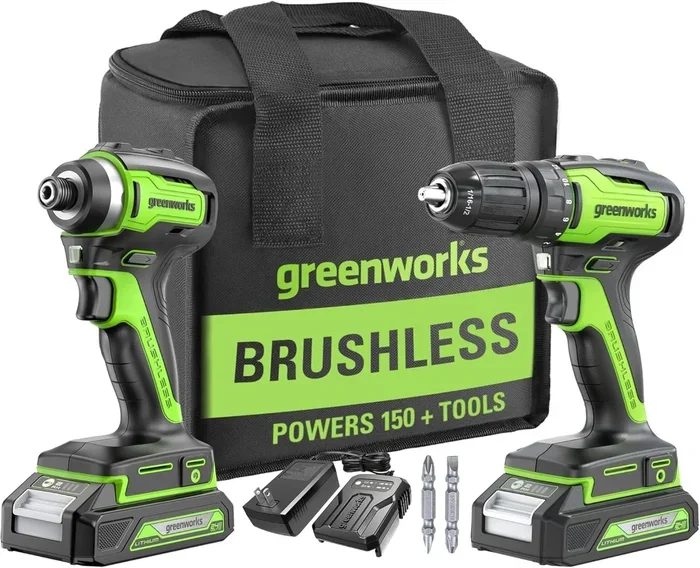
A power drill is one of the most used tools in any workshop. It drills holes and drives screws in seconds. Cordless drills give you freedom of movement around the shop. Look for one with adjustable speed settings for more control.
Nail Guns and Compressors
Nail guns save a ton of time compared to hammering nails by hand. They are perfect for framing, trim work, and furniture building. If you are wondering, do brad nailers need a compressor? Yes, they do. Most nail guns rely on compressed air to fire nails quickly and cleanly.
An air compressor is the engine behind many of these tools. It powers your nail gun, sander, and even some spray guns. If you are new to compressors, check out our air compressor guide for simple tips on getting started.
Random Orbital Sander
Sanding is a task nobody loves, but it is essential for a smooth finish. A random orbital sander makes quick work of this job. It moves in random patterns to avoid leaving swirl marks on the wood surface. Your finished projects will look much better with one of these.
Measuring and Marking Tools for Precision
Precision is what separates good carpentry from great carpentry. You need the right measuring tools to get accurate cuts and tight joints. Guessing never works in woodworking.
Every carpenter should have a few key measuring tools. These small investments pay off big time in the quality of your work.
Tape Measures
A good tape measure is the first tool you grab on any job. Look for one that is at least 25 feet long. Locking blades and clear markings make your life much easier. Always keep a backup tape measure in your shop.
Levels
Levels tell you if a surface is straight or crooked. They come in different sizes for different jobs. A torpedo level is great for small tasks, while a longer level works for walls and large surfaces. A level is one of those essential carpentry gear items you will use constantly.
Marking Gauges and Pencils
Marking gauges help you scribe precise lines on wood. They are especially useful for joinery work. Pair your gauge with a sharp carpenter pencil for clean, visible marks. These small tools make a big difference in your accuracy.
Clamping and Holding Tools
Clamps are the unsung heroes of woodworking. They hold pieces together while glue dries or while you make precise cuts. Without clamps, many projects simply would not work.
Every carpenter needs a variety of clamps in their shop. Different projects call for different types and sizes of clamps.
Bar Clamps and Pipe Clamps
Bar clamps are great for holding wide panels together. They apply even pressure across the surface. Pipe clamps work similarly but use pipes for extra length. Both are essential for gluing up large boards or assemblies.
Spring Clamps
Spring clamps are small, lightweight, and easy to use. They are perfect for quick holds and light-duty tasks. Keep a box of these in your shop. They come in handy more often than you might think.
C-Clamps
C-clamps are heavy-duty clamps that provide strong, steady pressure. They are ideal for clamping pieces in tight spaces. A set of C-clamps in various sizes gives you flexibility for many different joinery tools and assembly tasks.
Safety Gear You Should Never Skip
Safety should always come first in any workshop. Woodworking involves sharp tools, loud machines, and flying debris. The right safety gear protects your body while you work.
No project is worth risking an injury. Make safety gear a habit every time you step into the shop.
Eye and Ear Protection
Safety glasses protect your eyes from sawdust and flying debris. They are lightweight and should be worn at all times. Ear protection is equally important, especially when using loud power tools like saws and sanders. A good pair of earmuffs or earplugs can save your hearing over time.
Dust Masks and Respirators
Wood dust is harmful when inhaled over long periods. A dust mask or respirator keeps particles out of your lungs. For sanding or cutting, a simple disposable mask works well. For heavier tasks, consider a reusable respirator with replaceable filters.
Work Gloves
Work gloves protect your hands from splinters, sharp edges, and hot surfaces. Choose gloves that fit well and do not restrict your movement. You want enough dexterity to handle tools safely while keeping your hands protected.
Maintaining Your Carpentry Tools
Your tools are an investment. Proper maintenance keeps them working well for years. A well-maintained tool cuts cleaner, runs smoother, and lasts longer.
Taking care of your carpentry equipment does not take much time. A little effort goes a long way toward keeping your workshop tools in top shape.
Cleaning and Storage
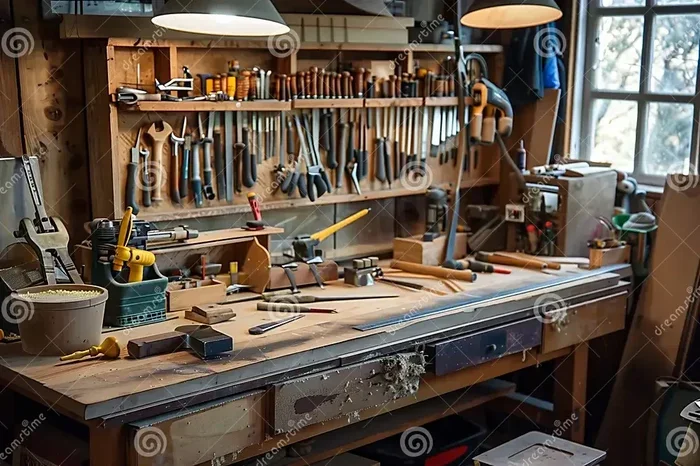
After each use, wipe down your tools to remove dust and debris. Store them in a dry place to prevent rust. A clean workbench with proper storage racks keeps everything organized and within reach.
Sharpening
Sharp tools cut better and safer. Dull blades require more force and increase the risk of accidents. Invest in a good sharpening system or sharpening stones. Regularly sharpen your chisels, saws, and plane blades for the best results.
Lubrication and Oil
Moving parts need lubrication to work smoothly. For air-powered tools, using the right air compressor oil keeps your compressor running efficiently. Check your compressor manual for the recommended oil type and change intervals. Proper lubrication prevents wear and extends the life of your equipment.
Building Your Carpenter’s Toolkit Over Time
You do not need to buy everything at once. Building a carpentry basics toolkit takes time. Start with the essentials and add tools as your skills and projects grow.
Focus on quality over quantity. A few well-made tools will serve you better than a pile of cheap ones. As you gain experience, you will learn which woodworking tools matter most for your style of work.
Set a budget and stick to it. Many great carpentry equipment brands offer solid options at reasonable prices. Look for deals during sales or consider buying quality used tools. The goal is to build a reliable collection that supports your craft for years to come.
Quick Tips for Choosing the Right Tools
- Buy for the projects you plan to build. Do not buy tools you will not use.
- Choose cordless tools for portability. They give you freedom to work anywhere in the shop.
- Invest in good blades and bits. They make a bigger difference than the tool itself.
- Read reviews before buying. Other carpenters share honest feedback on performance and durability.
- Start with a starter kit. Many brands offer kits with the most essential tools at a lower price.
Common Mistakes Beginners Make with Tools
- Skipping safety gear. Always wear protection, even for small tasks.
- Buying cheap tools that break easily. Spend a little more for tools that last.
- Neglecting tool maintenance. Clean and sharpen your tools regularly.
- Not reading the manual. Every tool has specific instructions for safe and effective use.
- Overbuying tools early on. Focus on the basics and expand as needed.
Expert Insights on Carpentry Tool Selection
Experienced carpenters know that the best carpentry hand tools are the ones that feel right in your hand. Comfort and balance matter as much as price or brand. Before buying a tool, hold it if possible. Make sure it feels natural and well-balanced.
Many seasoned woodworkers also recommend building your toolkit slowly. Learn each tool’s purpose before moving to the next. This approach builds confidence and skill. It also prevents you from wasting money on tools you do not yet understand how to use.
One tool that often surprises beginners is the air compressor. It is more than just a tank and a motor. Understanding how it works and how to maintain it opens up a world of pneumatic tools. Whether you are using it for nail guns or sanders, a good compressor is a game-changer in any workshop.
Conclusion
Knowing what tools do carpenters use is the first step toward becoming a skilled woodworker. From basic hand tools to powerful power tools, each piece of carpentry equipment plays a vital role in your shop. Start with the essentials, invest in quality, and build your collection over time.
Remember to prioritize safety, maintain your tools, and never stop learning. The right workshop tools and the right knowledge will take your carpentry projects to the next level. Grab your tape measure, put on your safety glasses, and start building something great today.
Frequently Asked Questions
What are the most essential tools for a beginner carpenter?
A beginner carpenter should start with a tape measure, hammer, hand saw, chisels, a power drill, and a square. These hand tools cover the basics of measuring, cutting, joining, and shaping wood. Once you are comfortable with these, you can add power tools like a circular saw or nail gun to your collection.
Do carpenters need an air compressor?
Many carpenters use air compressors to power nail guns, sanders, and spray equipment. A compressor makes these tasks faster and more consistent. If you plan to use pneumatic tools, an air compressor is a smart addition to your essential carpentry gear. Check our guide on how to use an air compressor for helpful tips.
How do I maintain my carpentry tools?
Keep your tools clean and dry after each use. Sharpen blades regularly for clean cuts. Lubricate moving parts and check for wear. Proper storage in a dry workspace prevents rust and damage. Taking a few minutes after each session goes a long way toward extending tool life.
What is the difference between hand tools and power tools in carpentry?
Hand tools like chisels, hammers, and hand saws rely on manual effort and give you precise control. Power tools such as circular saws and drills use electricity or batteries to do the work faster. Both types are important, and most carpenters use a combination of both depending on the task.
Can I start carpentry with a small budget?
Absolutely. You do not need expensive tools to get started. Focus on a few quality basics like a tape measure, hammer, and hand saw. Many workshop tools are available at affordable prices, and buying used is another great way to save money while building your collection.
What safety gear is a must for every carpenter?
Safety glasses, ear protection, and a dust mask are the top three items every carpenter should wear. They protect your eyes from debris, your ears from loud machines, and your lungs from wood dust. Work gloves add extra protection for your hands when handling rough materials and sharp tools.