
Do Brad Nailers Need a Compressor for Your Next Project
Do brad nailers need a compressor? The short answer is: most traditional brad nailers do require an air compressor, but compressorless and battery-powered models have changed the game entirely. This guide breaks down every option so you can pick the right tool for your next woodworking or trim project without wasting money or time.
You have a brad nailer in your hand. You have a pile of wood ready to go. But there is one big question standing between you and getting started: do brad nailers need a compressor? It is a simple question, but the answer is not as straightforward as you might think.
The truth is that brad nailers come in different types. Some absolutely need an air compressor. Others do not. And knowing the difference can save you time, money, and a lot of frustration. Whether you are a weekend DIYer or a professional trim carpenter, this guide covers everything you need to know about brad nailer compressor setups.
We will walk through how brad nailers work, which types need a compressor, and how to pick the right air compressor for brad nailer use. By the end, you will know exactly what setup you need for your next project.
Key Takeaways
- Understanding do brad nailers need a compressor: Provides essential knowledge
📑 Table of Contents
- What Is a Brad Nailer and How Does It Work?
- Do You Really Need a Compressor for a Brad Nailer?
- Compressor vs. Compressorless Brad Nailers: A Side-by-Side Comparison
- How to Choose the Right Air Compressor for Your Brad Nailer
- Common Mistakes When Using a Brad Nailer with a Compressor
- Expert Tips for Getting the Best Results with Your Brad Nailer
- The Bottom Line: Do Brad Nailers Need a Compressor?
What Is a Brad Nailer and How Does It Work?
A brad nailer is a specialized nail gun designed to shoot thin, small-gauge brads. These nails are usually 18-gauge, which means they are thinner than finish nails or framing nails. Brad nailers are perfect for delicate trim work, crown molding, baseboards, and lightweight woodworking projects where you do not want visible nail heads.
But how does a brad nailer actually drive those tiny nails? The mechanism depends on the type of nailer you have. There are three main categories:
- Pneumatic brad nailers use compressed air to fire nails. These are the most common and powerful option.
- Battery-powered brad nailers use a rechargeable lithium-ion battery to create the driving force.
- CO2-powered or compressorless brad nailers use small cartridges of carbon dioxide to generate the energy needed.
Each type has its strengths. Pneumatic models are the go-to for many professionals because they are lightweight, fast, and reliable. Battery-powered and compressorless models offer portability, which is a huge advantage on job sites where dragging around an air tank is impractical.
Do You Really Need a Compressor for a Brad Nailer?
This is the big question, and the answer depends entirely on which type of brad nailer you are using. Let us break it down.
Pneumatic Brad Nailers: Yes, You Need a Compressor
If you have a traditional pneumatic brad nailer, then yes, you absolutely need an air compressor. These nailers rely on a continuous supply of compressed air to function. The compressor pumps air into the nailer through a hose, and each time you pull the trigger, that air pressure drives the brad into the material.
A pneumatic setup typically includes two main pieces of equipment:
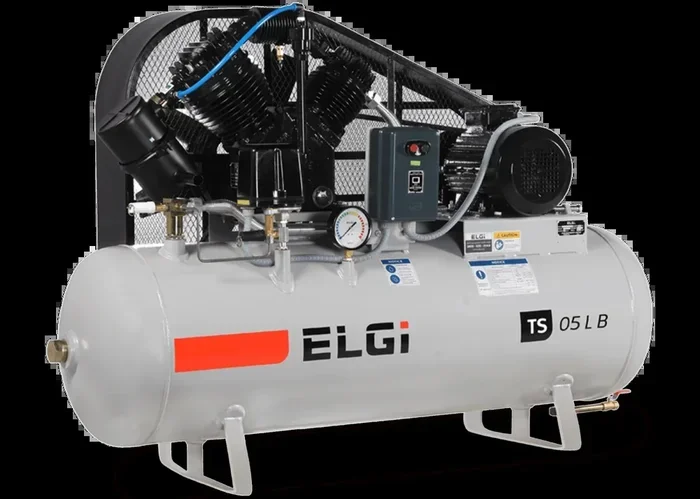
- The air compressor — this is the machine that pressurizes and stores air.
- The air hose — this connects the compressor to the nailer.
Without a compressor, a pneumatic brad nailer is nothing more than a heavy paperweight. The air pressure is what makes the tool work. So if you are buying a pneumatic model, budget for a compatible compressor as well.
Compressorless Brad Nailers: No Compressor Needed
If you want to skip the compressor entirely, compressorless brad nailers are your answer. These tools use either a small CO2 cartridge or a rechargeable battery to generate the force needed to drive brads.
CO2-powered brad nailers are popular among framers and finish carpenters who work in tight spaces. You simply screw in a small carbon dioxide cartridge, and the nailer is ready to go. No hoses, no tanks, no noise. The tradeoff is that you need to carry spare cartridges, and the cost adds up over time.
Battery-powered brad nailers work similarly but use a lithium-ion battery pack instead of CO2. Brands like DeWalt, Milwaukee, and Senco offer excellent battery powered nailer options. These are incredibly convenient, especially for outdoor projects or remote job sites where running a compressor is not practical.
Hybrid Options Worth Considering
Some modern nailers offer hybrid functionality. They can run on compressed air when a compressor is available but also switch to battery power for portability. This gives you the best of both worlds. If you are unsure which route to take, a hybrid model might be worth exploring.
Compressor vs. Compressorless Brad Nailers: A Side-by-Side Comparison
Not sure which type is right for you? Here is a quick comparison to help you decide.
| Feature | Pneumatic (Needs Compressor) | Compressorless (CO2 or Battery) |
|---|---|---|
| Power Source | Compressed air from a compressor | CO2 cartridge or rechargeable battery |
| Portability | Lower — requires compressor and hose | Higher — no hoses or tanks |
| Cost | Higher upfront (nailer + compressor) | Lower upfront, but cartridge costs add up |
| Nail Capacity | Usually higher magazine capacity | Often smaller magazine |
| Best For | Shop work, long projects, professionals | Quick jobs, tight spaces, job sites |
| Maintenance | More parts to maintain (hose, compressor) | Simpler, fewer moving parts |
| Noise Level | Moderate (compressor noise) | Quieter operation |
As you can see, neither option is perfect for every situation. The right choice depends on your project type, budget, and how much portability you need.
How to Choose the Right Air Compressor for Your Brad Nailer
If you have decided to go with a pneumatic brad nailer, you need to pick the right air compressor for brad nailer use. Not all compressors are created equal, and choosing the wrong one can lead to poor performance or frustration.
Understanding CFM and PSI
Two numbers matter most when matching a compressor to your brad nailer: CFM and PSI.
- CFM (Cubic Feet per Minute) measures the volume of air the compressor delivers. Most brad nailers need between 0.3 and 0.5 CFM at full load.
- PSI (Pounds per Square Inch) measures the pressure of the air. Brad nailers typically operate between 60 and 120 PSI.
Your compressor needs to meet or exceed both of these numbers. If the CFM is too low, the nailer will not fire consistently. If the PSI is too low, the brads will not penetrate the wood properly.
Compressor Tank Size Matters
The size of the compressor tank affects how long you can work before the motor kicks in to refill. A larger tank means longer run times and fewer pauses. For brad nailer work, a tank size of 1 to 6 gallons is usually sufficient. Smaller tanks work fine for light trim work, while larger tanks are better if you are running the nailer continuously.
Portable vs. Stationary Compressors
Think about where you will be working. If you are mostly in a garage or workshop, a stationary compressor with a larger tank works great. If you move around a lot, a portable compressor is a better choice. Portable models are lighter, easier to transport, and often come with carrying handles or wheels.
Noise Level and Maintenance
Compressors can be noisy. If you are working in a residential area or a shared workspace, look for a quieter model. Also, regular maintenance — like draining moisture from the tank and checking oil levels — keeps your compressor running smoothly for years.
Common Mistakes When Using a Brad Nailer with a Compressor
Even experienced woodworkers make mistakes when setting up their brad nailer and compressor. Here are the most common ones to avoid.
Using the Wrong PSI Setting
Every brad nailer has a recommended PSI range. Setting your compressor too high can cause the brads to bend or blow through the wood. Setting it too low means the brads will not seat properly. Always check your nailer’s manual and adjust the compressor accordingly.
Ignoring Moisture in the Air Line
Compressors produce moisture. Over time, this moisture builds up in the air hose and enters the nailer. This can cause rust inside the tool and lead to misfeeds. Using an air moisture trap or regulator helps prevent this problem.
Choosing a Compressor That Is Too Small
A common mistake is buying a compressor that cannot keep up with the nailer’s air demand. If the compressor runs constantly and never keeps up, you will experience delays between shots. Check the CFM requirements of your nailer before purchasing a compressor.
Skipping Regular Maintenance
Your compressor and nailer both need regular care. Oil the compressor as recommended, clean the nailer’s exhaust port, and inspect the air hose for leaks. A little maintenance goes a long way in extending the life of your tools.
Expert Tips for Getting the Best Results with Your Brad Nailer
Want to get the most out of your brad nailer setup? Here are some professional tips that make a real difference.
Test on Scrap Wood First
Before you start your actual project, test the nailer on a piece of scrap wood. This lets you dial in the right PSI and confirm the brads are seating properly without damaging your finished work.
Keep the Nailer Parallel to the Surface
Angling the nailer causes brads to bend or miss the target. Hold the nailer perpendicular to the surface for clean, straight drives every time.
Use the Right Brad Length
As a general rule, the brad should be about three times the thickness of the material you are fastening. Using the wrong length leads to weak holds or nails poking through the other side.
Invest in a Good Regulator
A quality air regulator lets you fine-tune the pressure delivered to the nailer. This small addition gives you much more control over your work and protects the tool from pressure spikes.
Store Your Tools Properly
When you are done, store the nailer and compressor in a dry place. Moisture and dust are the biggest enemies of pneumatic tools. A clean, dry storage area keeps everything in top shape.
The Bottom Line: Do Brad Nailers Need a Compressor?
So, do brad nailers need a compressor? The answer is: it depends on the type of nailer you choose. Traditional pneumatic brad nailers absolutely require an air compressor to operate. But compressorless and battery-powered models have made it possible to skip the compressor entirely.
If you work mostly in a shop or on long projects where you need consistent power, a pneumatic setup with a quality compressor is hard to beat. If you value portability and convenience, a battery-powered or CO2-powered brad nailer is the way to go.
Either way, understanding your options means you can make the best decision for your projects and your budget. The right tool setup makes every project easier, faster, and more enjoyable.
Now that you know the answer to do brad nailers need a compressor, you can confidently choose the setup that fits your needs. Grab your brad nailer, pick your power source, and get to building.
Frequently Asked Questions
Can I use any air compressor with a brad nailer?
Not just any compressor will work. You need a compressor that meets the CFM and PSI requirements of your specific brad nailer. Check the nailer’s manual for the recommended specifications before purchasing a compressor. Using an undersized compressor leads to poor performance and frustration.
How much does a compressor cost for a brad nailer setup?
A basic portable compressor suitable for brad nailer work typically costs between $100 and $300. More advanced models with larger tanks and quieter operation can cost $400 or more. The price depends on tank size, brand, and features like regulators and moisture traps.
Are battery-powered brad nailers as powerful as pneumatic ones?
Battery-powered brad nailers have improved significantly in recent years. They offer plenty of power for most trim and woodworking tasks. However, pneumatic models still tend to deliver more consistent power for heavy-duty or high-volume work. The best choice depends on your specific needs.
How long do CO2 cartridges last in a compressorless brad nailer?
A standard CO2 cartridge can last anywhere from 500 to 1,000 nails, depending on the brand and nail length. You can find replacement cartridges at most hardware stores for a few dollars each. It is a good idea to keep a spare cartridge in your tool bag.
Do I need to oil my compressor if I only use it for a brad nailer?
Yes, regular oiling keeps the compressor motor running smoothly and extends its lifespan. Check the manufacturer’s instructions for the recommended oil type and oiling schedule. Even light use benefits from periodic maintenance.
Can I use a brad nailer without an air hose if I have a compressor?
Not with a pneumatic model. The air hose is the essential connection between the compressor and the nailer. However, if you switch to a battery-powered or CO2-powered brad nailer, you eliminate the hose entirely. These compressorless options give you more freedom of movement on the job site.

2 Comments