What Are Some Tools
Tools are devices or instruments that help you build, fix, or create things more easily and efficiently. Whether you are a DIY beginner or a seasoned professional, knowing the right tools can make any project faster, safer, and more enjoyable. This guide covers everything from basic hand tools to advanced power equipment you need in your workshop.
Have you ever wondered what makes a project go smoothly? The answer is simple. It all starts with the right tools. Whether you are hanging a picture frame, building a deck, or fixing a leaky pipe, having the right equipment changes everything. Tools are the backbone of any job, big or small.
In this guide, we will walk you through the most common types of tools you will find in any workshop or garage. We will cover everything from basic hand tools to powerful power tools that make tough jobs feel easy. By the end, you will know exactly which tools belong in your toolkit and how to use them safely.
Key Takeaways
- Hand tools like hammers, wrenches, and screwdrivers form the foundation of any toolkit.
- Power tools such as drills, saws, and air compressors save time and effort on big projects.
- Having a proper toolbox and tool belt keeps your workspace organized and tools within reach.
- Safety equipment like gloves, goggles, and ear protection is just as important as the tools themselves.
- Investing in quality hand tools and power tools pays off with durability and better results.
- Knowing how to use each tool correctly prevents accidents and extends tool life.
📑 Table of Contents
- What Are Hand Tools and Why Every Home Needs Them
- Power Tools That Make Big Jobs Easier
- Understanding Your Air Compressor Setup
- How to Build Your Perfect Tool Collection
- Quick Tips for Using Tools Safely and Effectively
- Common Mistakes People Make With Their Tools
- Expert Insights: Choosing the Right Tools for Your Needs
- Final Thoughts on Building Your Toolkit
What Are Hand Tools and Why Every Home Needs Them
Hand tools are the simplest and most essential items in any toolkit. They do not need batteries or electricity. You just pick them up and use them by hand. This is what makes them so reliable and affordable.
Every homeowner should have a solid collection of hand tools. They handle everyday tasks like tightening screws, cutting materials, and measuring spaces. You do not need to be a professional to use them. With a little practice, anyone can become confident with these basics.
The Must-Have Hand Tools for Your Toolbox
Here are the hand tools every toolbox should contain:
- Hammer: A good hammer is perfect for driving nails, pulling nails, and light demolition work.
- Screwdriver Set: You need both flathead and Phillips head sizes for different fasteners.
- Adjustable Wrench: This one tool replaces many fixed-size wrenches and handles most plumbing jobs.
- Pliers: Needle-nose and slip-joint pliers give you a strong grip for bending, cutting, and holding wires.
- Measuring Tape: Accurate measurements are the foundation of any successful project.
- Utility Knife: Great for opening packages, cutting cardboard, and scoring materials.
- Level: A bubble level ensures your shelves, frames, and shelves are perfectly straight.
These hand tools are inexpensive and last for years if you take care of them. Start with these basics and add more as your projects grow. A well-stocked toolbox gives you the confidence to tackle almost any home repair.
Power Tools That Make Big Jobs Easier
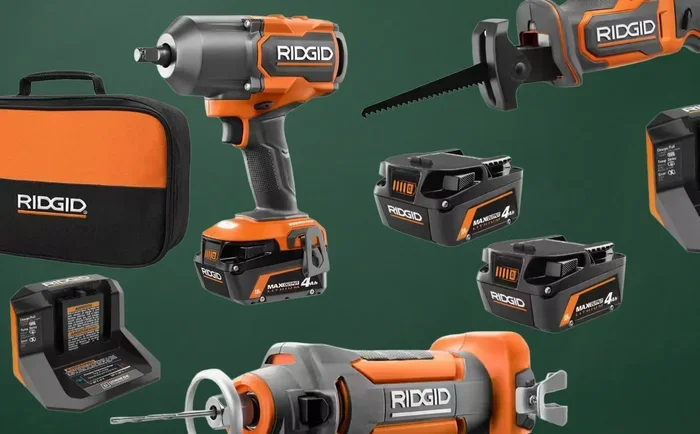
While hand tools handle simple jobs, power tools take your capabilities to the next level. These tools use electricity, batteries, or compressed air to do the heavy lifting. They save you time and energy on larger projects.
If you enjoy DIY projects or plan to take on home renovations, power tools are worth every penny. They help you cut through tough materials, drill precise holes, and shape wood or metal with ease. Let us look at the most popular power tools you should consider.
Essential Power Tools for Any Workshop
- Power Drill: A power drill is arguably the most versatile tool you can own. It drills holes and drives screws faster than any hand tools. Cordless models give you freedom of movement around the workshop.
- Circular Saw: This saw makes straight cuts through wood, plywood, and even metal. It is a must-have for anyone building furniture or doing carpentry work.
- Jigsaw: A jigsaw lets you cut curved shapes and intricate patterns. It is perfect for decorative projects and custom cuts.
- Orbital Sander: Sanding by hand takes forever. An orbital sander smooths wood surfaces quickly and evenly, saving you hours of work.
- Air Compressor: An air compressor powers nail guns, paint sprayers, and many other pneumatic tools. It is a game-changer for serious DIYers and professionals alike. If you want to understand how compressor short cycling can affect your equipment, you can read more about what causes compressor short cycling to keep your system running smoothly.
Each of these power tools serves a unique purpose. You do not need all of them right away. Start with a power drill and a circular saw, then expand your collection as needed. Over time, your workshop will become a fully equipped space ready for any challenge.
Understanding Your Air Compressor Setup
An air compressor is one of the most versatile pieces of equipment you can own. It powers a wide range of tools that make jobs faster and cleaner. From nail guns to paint sprayers, compressed air drives many essential power tools.
However, not everyone understands how to get the most out of their compressor. Knowing a few key details can make a big difference in performance and longevity.
How an Optical Compressor Works
Some compressors use advanced technology to deliver smooth, consistent pressure. An optical compressor uses light sensors and electronic controls to regulate airflow. This technology helps maintain steady power output, which protects your connected tools from pressure spikes. Understanding what an optical compressor does can help you choose the right model for your needs.
Setting the Right Attack Time
When using a compressor with adjustable settings, the attack controls how quickly the unit responds to pressure changes. Knowing what attack does on a compressor helps you fine-tune performance. A faster attack setting is great for tasks that need instant power, while a slower attack works better for steady, continuous use.
Choosing the Right Oil
Compressors need proper lubrication to run smoothly. The type of oil you use matters more than you might think. Using the wrong oil can cause buildup, reduce efficiency, and even damage internal parts. Always check what oil an air compressor takes before filling it up. Using the correct oil keeps your compressor running strong for years.
Taking care of your air compressor means taking care of all the tools that depend on it. A well-maintained compressor is the heart of any pneumatic toolkit.
How to Build Your Perfect Tool Collection
Now that you know the different types of tools available, the next step is building your collection. But where do you start? The answer depends on the kind of projects you plan to do.
Start With a Starter Toolkit
If you are new to DIY projects, begin with a basic starter toolkit. This should include:
- A hammer and screwdriver set
- An adjustable wrench and pliers
- A measuring tape and level
- A utility knife and fasteners assortment
- A basic power drill
This starter collection handles about 80% of common home tasks. You can always add more tools as you discover new projects you enjoy.
Upgrade to a Professional-Grade Collection
For serious DIYers and professionals, upgrading your tool collection is a smart investment. Consider adding:
- A quality air compressor with proper oil for pneumatic tools
- A circular saw and jigsaw for cutting tasks
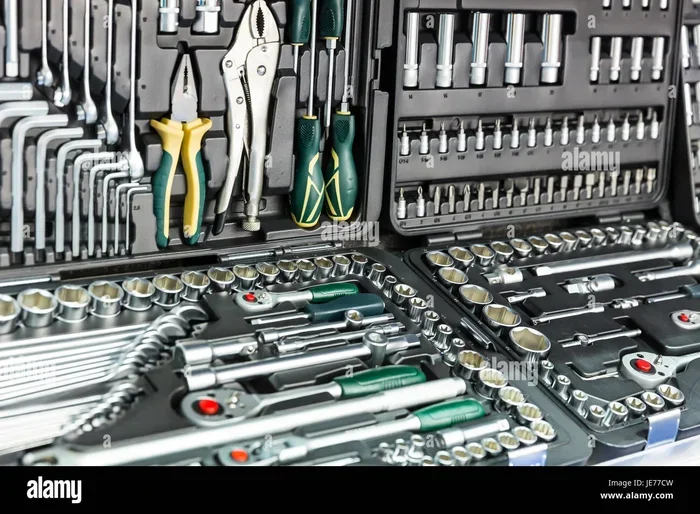
- A socket set for automotive and heavy-duty work
- A tool belt to keep essential hand tools close at hand
- Safety equipment like gloves, goggles, and ear protection
Building a strong tool collection takes time. Focus on quality over quantity. A few well-made tools will outperform a drawer full of cheap alternatives every time.
Quick Tips for Using Tools Safely and Effectively
Using tools safely should always be your top priority. Even the simplest hand tools can cause injury if used carelessly. Follow these tips to stay safe and get the best results.
- Always wear safety gear. Gloves, goggles, and ear protection protect you from flying debris and loud noise.
- Read the manual. Every power tool comes with instructions. Follow them carefully before first use.
- Keep your tools clean and sharp. Dull blades and dirty equipment make jobs harder and more dangerous.
- Store tools properly. A good toolbox or tool belt prevents damage and keeps everything organized.
- Use the right tool for the job. Forcing a tool to do something it was not designed for leads to accidents and damaged equipment.
- Check for wear and tear. Inspect your hand tools and power tools regularly. Replace worn parts immediately.
These simple habits keep you safe and extend the life of your tools. A little prevention goes a long way in any workshop.
Common Mistakes People Make With Their Tools
Even experienced DIYers make mistakes with their tools. Avoiding these common errors saves time, money, and frustration.
Skipping Maintenance
One of the biggest mistakes is neglecting maintenance. Dirty power tools and unlubricated air compressors wear out faster. Regular cleaning and oiling keep your tools performing at their best.
Buying Cheap Tools
It is tempting to grab the cheapest option at the store. But low-quality hand tools often break after a few uses. Investing in well-known brands saves money in the long run because you do not need to replace them as often.
Ignoring Safety Equipment
Some people skip safety gear because it feels unnecessary. This is a dangerous mistake. Even simple hand tools can cause serious injuries without proper protection. Always keep gloves, goggles, and ear protection in your workshop.
Not Organizing Your Toolbox
A messy toolbox leads to wasted time searching for the right tool. Keep your tools organized with compartments, trays, and labels. A tidy workshop makes every project more enjoyable.
Learning from these mistakes helps you build better habits. A well-organized and properly maintained toolkit is a joy to work with.
Expert Insights: Choosing the Right Tools for Your Needs
With so many tools on the market, choosing the right ones can feel overwhelming. Here are some expert tips to guide your decisions.
Focus on versatility. The best tools are ones that handle multiple tasks. A power drill with interchangeable bits replaces several hand tools in one package.
Consider battery life. If you choose cordless power tools, look for models with long-lasting batteries. Nothing interrupts a project faster than a dead tool in the middle of a cut.
Invest in quality brands. Established brands offer better warranties, customer support, and durability. Your toolkit is an investment in your future projects.
Think about storage. Before buying tools, plan where you will store them. A sturdy toolbox or wall-mounted rack keeps everything accessible and protected.
Match tools to your projects. If you mostly do woodworking, prioritize saws and sanders. If you focus on plumbing, invest in quality wrenches and pipe cutters. Your tool collection should grow with your skills and interests.
Final Thoughts on Building Your Toolkit
Knowing what some tools are and how to use them is the first step toward becoming a confident DIYer or professional. From basic hand tools to advanced power tools, each piece of equipment serves a purpose and makes your work easier.
Start small with a solid starter toolkit and grow your collection over time. Take care of your tools, use them safely, and always keep learning. The right tools paired with the right knowledge can turn any project into a success.
Whether you are fixing a loose doorknob or building a custom bookshelf, the world of tools opens up endless possibilities. Pick up a hammer, grab a measuring tape, and start creating. Your workshop adventures are just beginning.
Frequently Asked Questions
What are the most essential tools for beginners?
Every beginner should start with a hammer, screwdriver set, adjustable wrench, pliers, measuring tape, utility knife, and a basic power drill. These hand tools and one essential power tool cover the vast majority of home projects. You can build from this foundation as your confidence grows.
How do I know which power tools to buy first?
A power drill should be your first purchase because it is the most versatile power tool. After that, a circular saw handles most cutting tasks. Think about the projects you plan to do and let those guide your choices. A well-chosen first set of power tools saves money and prevents clutter.
What is the best way to store my tools?
A sturdy toolbox with compartments works great for hand tools. Wall-mounted racks keep power tools accessible and visible. Use a tool belt for projects around the house. Proper storage protects your tools from damage and makes every project faster and more enjoyable.
How often should I maintain my air compressor?
You should check your air compressor oil level weekly and change the oil every 500 to 1,000 hours of use. Regular maintenance prevents issues like compressor short cycling and keeps all your pneumatic tools running smoothly. Clean the air filter and drain moisture from the tank monthly.
Can I use any oil in my air compressor?
No, using the wrong oil can damage your compressor. Always check what oil an air compressor takes before adding any lubricant. Different compressors require different grades and types of oil. Using the correct oil ensures smooth operation and extends the life of your machine.
Are expensive tools worth the investment?
Generally, yes. Quality tools last longer, perform better, and often come with better warranties. Cheap tools may save money upfront but cost more in replacements over time. Focus on well-known brands for your most-used hand tools and power tools to get the best return on your investment.
=== META TITLE ===
What Are Some Tools? Essential Guide & Types Explained
=== SEO TITLE ===
What Are Some Tools? A Complete Guide for Beginners and Pros
=== URL SLUG ===
what-are-some-tools