Why Every Homeowner Needs a Standby Generator for Power
A standby generator keeps your home running when the grid fails. It kicks in automatically, powers essential systems, and protects your family from food spoilage, frozen pipes, and safety risks. This guide covers everything you need to choose and install the right unit.
This is a comprehensive guide about standby generator.
Key Takeaways
- Automatic Power: A standby generator detects outages and turns on within seconds, no manual effort needed.
- Whole-Home Protection: It keeps your HVAC, fridge, lights, and medical devices running during extended blackouts.
- Fuel Options: Natural gas and propane models offer long runtimes without frequent refueling.
- Right Size Matters: Choosing the correct generator wattage prevents overload and saves on fuel costs.
- Professional Installation: A licensed electrician ensures safe wiring, proper venting, and code compliance.
- Maintenance Is Key: Regular generator testing and upkeep extend the unit’s lifespan significantly.
- Home Value Boost: Homes with backup power systems sell faster and at higher prices.
Why Every Homeowner Needs a Standby Generator for Power
Power outages are more common than most people think. Storms, grid failures, and equipment problems can knock out electricity for hours or even days. When that happens, your daily routine falls apart fast. Food spoils. Pipes freeze. Security systems go dark. A standby generator solves all of these problems.
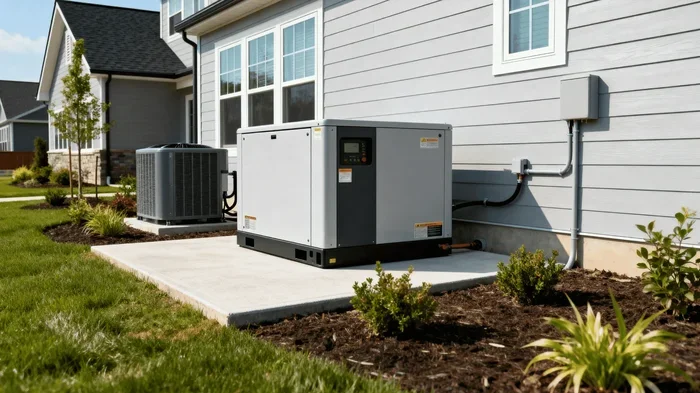
A standby generator is a permanent backup power system installed outside your home. It connects directly to your electrical panel and fuel supply. When the power goes out, it turns on automatically. You barely notice it happened. This guide explains why every homeowner should seriously consider adding one to their property.
Unlike a portable unit you wheel out from the garage, a standby system stays in place and ready to go. It acts like a safety net for your entire home. Let us walk you through the reasons, options, and steps to make an informed decision.
What Exactly Is a Standby Generator?
A standby generator is a permanent electrical system installed outside your home. It runs on natural gas or propane. When utility power fails, it detects the outage and starts up within seconds. An automatic transfer switch handles the shift from grid power to generator power seamlessly.
Think of it as a backup engine for your house. It powers your lights, refrigerator, furnace, and other essential circuits. Some models can run the entire home, including central air and electric water heaters. The size you need depends on how much power you want to cover.
Most residential units range from 7 kilowatts to 30 kilowatts. A smaller unit covers basics like the fridge and a few lights. A larger unit can handle the full house. The right choice depends on your household needs and budget.
How Does It Work?
The process is simple. First, the generator monitors the electrical supply from the utility. If power drops or fails, the transfer switch detects the change. Within about ten seconds, the generator starts and takes over. When utility power returns, the switch shifts back and the generator shuts down.
All of this happens without you lifting a finger. You can be asleep, at work, or on vacation. The system handles everything on its own. This is the biggest advantage over portable generators that require manual setup and extension cords.
Top Reasons Every Homeowner Should Invest in One
A standby generator offers benefits that go far beyond keeping the lights on. Here are the most compelling reasons to make this investment.
1. Protect Your Home From Food Spoilage
A refrigerator full of food can cost hundreds of dollars. Without power, a fridge stays cold for about four hours. A freezer keeps food safe for about 48 hours if unopened. Beyond that, everything thaws and spoils. A backup power system keeps your fridge running so nothing goes to waste.
2. Keep Your Family Safe and Comfortable
Electricity powers your heating and cooling systems. In extreme weather, losing climate control can be dangerous. A standby generator keeps your HVAC running. This matters a lot for elderly family members, infants, and anyone with health conditions. It also keeps your security cameras and alarm systems active.
3. Avoid Costly Home Damage
Frozen pipes are one of the most expensive home problems. When the heat goes off, water inside pipes can freeze and burst. Repair costs can reach thousands of dollars. A backup power unit keeps your furnace running and prevents frozen pipe disasters.
4. Maintain Productivity While Working From Home
More people work from home than ever before. A power outage means no internet, no computer, and no phone charging. A whole-house generator keeps your home office running. You stay productive and meet your deadlines without interruption.
5. Increase Your Property Value
Homebuyers love backup power. A installed home generator is a major selling point. It signals that the home is well-maintained and ready for any situation. Many real estate agents report that homes with standby generators sell faster and sometimes at higher prices.
Types of Generators: Standby vs Portable vs Inverter
Not all generators are the same. Understanding the differences helps you choose the right one for your home.
| Feature | Standby Generator | Portable Generator | Inverter Generator |
|---|---|---|---|
| Power Source | Natural gas or propane | Gasoline or propane | Gasoline or propane |
| Installation | Permanent, professional | None, plug and play | None, plug and play |
| Startup | Automatic | Manual | Manual |
| Runtime | Unlimited with fuel supply | 6 to 24 hours | 8 to 20 hours |
| Power Capacity | 7 kW to 30 kW | 1 kW to 8 kW | 1 kW to 7 kW |
| Cost | Higher upfront | Low upfront | Medium upfront |
| Best For | Whole-home backup | Basic essentials | Sensitive electronics |
A standby generator is the most powerful and convenient option. It handles the full load of your home automatically. A portable unit works for short-term needs and camping trips. An inverter model is great for charging phones and laptops with clean power. For whole-home protection, nothing beats a standby system.
How to Choose the Right Size Standby Generator
Sizing is one of the most important decisions you will make. Too small and the generator overloads. Too big and you waste money on fuel and installation. Here is how to find the right size.
Step 1: List Your Essential Loads
Start by writing down the appliances and systems you need during an outage. Common essentials include:
- Refrigerator and freezer
- Furnace or heat pump
- Water heater
- Lights in key rooms
- Security system
- Wi-Fi router and modem
- Medical equipment
Step 2: Check Wattage Requirements
Each appliance has a wattage rating. Check the label or manual. Add up the starting watts and running watts. A fridge typically needs about 700 running watts and 2,200 starting watts. A furnace blower uses around 500 watts. A sump pump needs about 1,300 watts.
If you want to cover the entire house, add up all circuits. Most homes need a unit between 15 and 25 kilowatts for full coverage. For basic essentials, 7 to 12 kilowatts works well. You can also consult a local electrician for a professional load calculation.
Step 3: Consider Your Fuel Source
Natural gas generators connect to your existing gas line. They never run out of fuel as long as the gas supply stays on. This is the most popular choice for homeowners. Propane generators use tanks that you store outside. They offer more flexibility if natural gas is not available in your area.
Each fuel type has pros and cons. Natural gas is convenient and always available. Propane stores well and works during supply disruptions. The fuel consumption varies by model and load, so check the specs before buying.
Installation and Setup
Installing a standby generator is a job for professionals. It involves electrical wiring, gas line connections, and local building codes. Here is what the process typically looks like.
Step 1: Choose the Location
The unit sits outside your home, usually on a concrete pad. It must be at least five feet from windows and doors for safety. Local codes may have specific setback requirements. Your installer will handle this for you.
Step 2: Connect the Fuel Line
For natural gas models, a plumber connects the unit to your existing gas line. For propane models, a tank is installed and connected with proper fittings. Both connections must meet local safety codes.
Step 3: Wire the Transfer Switch
The automatic transfer switch is the brain of the system. It sits between your electrical panel and the generator. It detects power loss and switches the load to the generator. This is a critical component that must be installed by a licensed electrician.
Step 4: Test the System
Once everything is connected, the installer runs a full test. They simulate a power outage to confirm the generator starts and transfers power correctly. Many modern units also include self-test features that run weekly checks automatically.
Regular generator testing is essential. It ensures the system is ready when you need it most. Most manufacturers recommend running a test cycle at least once a month.
Maintenance Tips to Keep Your Generator Running
A standby generator is a big investment. Proper maintenance keeps it running smoothly for many years. Here are the most important upkeep tasks.
- Check oil levels every few months and change oil annually.
- Inspect the air filter and clean or replace it as needed.
- Test the battery regularly to ensure it starts reliably.
- Run the unit under load monthly to keep components in good condition.
- Schedule professional service once a year for a thorough inspection.
- Clear debris from around the unit to maintain proper airflow.
Following these simple steps can extend the life of your unit by many years. Most standby generators last 20 to 30 years with proper care. Think of it like maintaining your car. A little attention goes a long way.
Common Mistakes Homeowners Make
Avoid these common pitfalls when buying or installing a backup power system.
- Undersizing the unit: Choosing too small a generator leads to overload and potential damage. Always add a buffer to your calculated load.
- Skipping the transfer switch: A transfer switch is not optional. It prevents backfeed that can endanger utility workers and damage your generator.
- Ignoring local permits: Most areas require permits for generator installation. Skipping this can result in fines or insurance issues.
- Neglecting maintenance: A generator that sits unused for years may fail when you need it most. Regular testing is non-negotiable.
- Placing the unit too close to the house: Exhaust fumes contain carbon monoxide. Always follow the recommended clearance distances.
Learning from these mistakes saves money and keeps your family safe. Take the time to plan properly before you buy.
Cost Considerations
The price of a standby generator varies based on size and features. A basic 7-kilowatt unit costs around $1,500 to $3,000 installed. A mid-range 15 to 20 kilowatt system runs from $4,000 to $7,000 installed. A large 25 to 30 kilowatt whole-house unit can cost $8,000 to $15,000 or more.
These numbers include the unit, installation, transfer switch, and any required electrical or gas work. Fuel costs are relatively low for natural gas models. Propane costs vary by region and usage. Overall, the peace of mind a backup system provides makes it well worth the investment.
Many homeowners also look at financing options. Some manufacturers and dealers offer payment plans. And some utility companies provide rebates for installing backup generators. It is worth checking what incentives are available in your area.
Final Thoughts
A standby generator is one of the best investments a homeowner can make. It protects your home, your family, and your comfort during unexpected outages. Whether you face a brief storm or a multi-day blackout, the right backup system keeps everything running.
Start by assessing your power needs. Choose the right size and fuel type. Work with a licensed professional for installation and maintenance. The result is a reliable power safety net that gives you confidence no matter what happens.
Do not wait for the next outage to realize how much you need backup power. Take action today and make sure your home is ready for anything.
Frequently Asked Questions
How long can a standby generator run continuously?
With a continuous fuel supply from natural gas or a large propane tank, a standby generator can run for days or even weeks. Most units are designed for extended runtime without issues. Regular maintenance helps ensure reliable long-term operation.
Is a standby generator loud?
Modern standby generators are much quieter than older models. They typically produce around 60 to 70 decibels, similar to a normal conversation. Soundproof enclosures are also available for added noise reduction.
Can I install a standby generator myself?
It is strongly recommended to hire a licensed professional. The installation involves electrical wiring, gas connections, and local code compliance. Improper setup can create safety hazards and void your warranty.
Does a standby generator add value to my home?
Yes, it does. Many homebuyers view a backup power system as a valuable feature. It signals a well-prepared home and can make your property more attractive in the market.
What is the difference between a standby generator and an electrical generator?
A standby generator is a permanent, automatic system connected to your home. An electrical generator can refer to any power source, including portable units. Standby models offer hands-free operation and higher capacity.
How often should I maintain my standby generator?
You should run a monthly self-test and schedule professional service once a year. Annual maintenance includes oil changes, filter replacements, and battery checks. Following the manufacturer’s maintenance schedule maximizes the unit’s lifespan.
=== CONCLUSION ===
A standby generator is not a luxury. It is a practical necessity for any homeowner who values comfort, safety, and preparedness. Power outages can strike at any time, and being without electricity for even a few hours can cause real problems. With the right backup power system, you never have to worry about another outage disrupting your life.
Take the time to research your options, size your unit correctly, and work with a trusted professional for installation. The result is a reliable, automatic power source that protects your home year after year. Your future self will thank you when the next storm hits and your neighbors are sitting in the dark.
=== INTERNAL LINKS ===
For more information about power systems, check out our guide on the electrical generator options available. If you are trying to figure out the right capacity, our article on how big of a backup generator do I need can help you decide. You should also review our how much natural gas does a generator use guide for fuel cost estimates.