What Tools Should Every Man Have for Home and Workshop
Every man needs a solid set of essential tools to handle home repairs, DIY projects, and everyday maintenance tasks. From basic hand tools like hammers and screwdrivers to power tools like drills and saws, having the right equipment makes all the difference. This guide covers the must-have tools for any home workshop, so you can tackle projects with confidence and save money on professional repairs.
Key Takeaways
- Start with hand tools: A quality hammer, tape measure, screwdrivers, and pliers form the foundation of any tool collection.
- Power tools boost efficiency: A drill, circular saw, and impact driver make DIY projects faster and more enjoyable.
- An air compressor is a workshop hero: It powers nail guns, inflates tires, and handles dozens of tasks around the home.
- Plumbing and electrical tools are essential: Every man should have basic tools for common household fixes.
- Storage matters: Proper tool organization keeps your workspace clean and your tools lasting longer.
- Quality over quantity: Investing in fewer, better-made tools saves money and frustration over time.
📑 Table of Contents
- Why Every Man Needs a Solid Tool Collection
- Essential Hand Tools Every Man Needs
- Power Tools That Make DIY Projects Easier
- The Air Compressor: A Workshop Game-Changer
- Must-Have Plumbing and Electrical Tools
- Tool Storage and Workshop Organization
- Common Mistakes Men Make With Tools
- Building Your Tool Collection Over Time
- Quick Tips for Tool Care
- Final Thoughts
Why Every Man Needs a Solid Tool Collection
Let’s be honest. Life throws unexpected problems at us all the time. A leaky faucet. A squeaky door. A shelf that needs hanging. Having the right tools should every man have in his home makes these moments way less stressful. You don’t need to be a professional mechanic or carpenter. You just need the right gear.
A well-stocked toolbox gives you independence. You fix things yourself. You save money. You feel accomplished. And let’s face it, there’s something deeply satisfying about solving a problem with your own two hands. Whether you’re a complete beginner or a weekend warrior, this guide covers the essential tools for men you need in your home and workshop.
The goal here is simple. Give you a clear, practical list of tools that actually matter. No fluff. No fancy gadgets you’ll never use. Just the real stuff that gets the job done. Let’s dive in.
Essential Hand Tools Every Man Needs
Hand tools are the backbone of any toolkit. They’re affordable, reliable, and you’ll reach for them constantly. Before you buy anything electric or powered, master these basics.
Measuring and Marking Tools
Accuracy starts with measurement. You can’t build or fix something right if your measurements are off. Here’s what you need:
- Tape measure (25 feet): This is the single most used tool in any workshop. Get one with a locking blade.
- Carpenter’s pencil: Simple but essential for marking cuts and measurements.
- Speed square: Makes checking angles and marking straight lines a breeze.
- Level: A small torpedo level fits in your pocket and saves you from crooked shelves.
These measuring tools for home repair cost very little but pay for themselves the first time you hang a picture straight or build a deck.
Cutting Tools
You need to cut things. That’s just reality. Here are the cutting tools no man should be without:
- Utility knife: For opening boxes, trimming materials, and a hundred other tasks.
- Diagonal cutting pliers: Perfect for cutting wire, nails, and small fasteners.
- Hand saw: A basic crosscut saw handles most small cutting jobs around the house.
- Hacksaw: Great for cutting metal pipes, bolts, and rods.
Having a sharp cutting tool on hand turns frustrating tasks into quick work. Keep your blades sharp and replace them regularly.
Fastening and Driving Tools
Nails, screws, bolts, and bolts hold the world together. You need the right tools to drive them.
- Claw hammer (16 oz): The classic tool every man should own. Use it for pounding nails and pulling them out.
- Screwdriver set: Get both Phillips and flathead sizes. A multi-bit screwdriver set saves space and money.
- Adjustable wrench: One wrench that fits many bolt sizes. Incredibly versatile.
- Socket wrench set: Essential for automotive work and tight spaces.
- Pliers (needle-nose and slip-joint): Gripping, bending, and cutting wire. Two pairs cover most needs.
These fastening tools for DIY projects form the core of your hand tool collection. Start here before moving to powered options.
Power Tools That Make DIY Projects Easier
Hand tools get the job done, but power tools make it faster. If you’re serious about home improvement, these tools earn their spot in your workshop.
Drills and Drivers
A good drill is the most important power tool you can own. Period. Here’s what to look for:
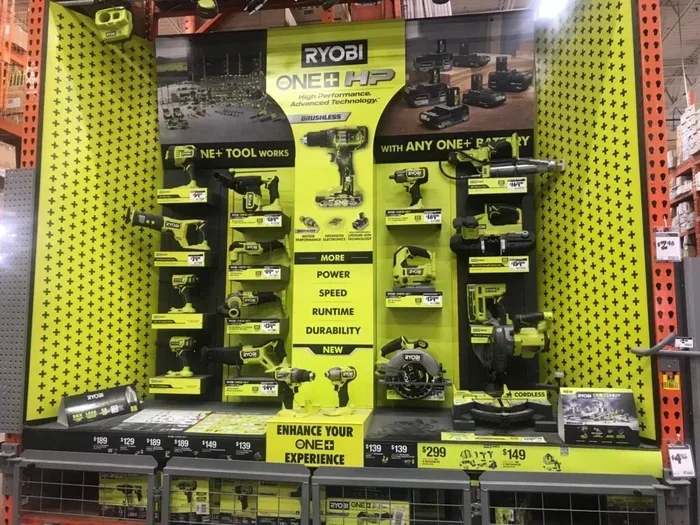
- Cordless drill/driver: Look for 18-volt or 20-volt models. They offer plenty of power for most tasks.
- Drill bit set: Get a variety of sizes for wood, metal, and masonry.
- Driver bit set: Phillips, flathead, hex, and Torx bits cover most screw types.
You’ll use a drill for hanging shelves, assembling furniture, drilling holes, and so much more. It’s the tool you’ll reach for every single week.
Saws for Every Job
Not everyone needs a table saw. But these saws belong in every man’s workshop:
- Circular saw: The most versatile power saw for cutting lumber, plywood, and boards.
- Jigsaw: Great for curved cuts and detailed work. Perfect for cutting openings in drywall or shelves.
- Oscillating multi-tool: This little tool does it all. Sanding, scraping, cutting in tight spaces.
Start with a circular saw if you can only pick one. It handles the most common cutting tasks around the home.
Sander and Grinder
Finishing work matters. A random orbital sander smooths wood surfaces quickly and leaves a professional finish. An angle grinder cuts and grinds metal, making it invaluable for workshop projects and home repairs.
The Air Compressor: A Workshop Game-Changer
If there’s one tool that transforms a basic workshop into a serious workspace, it’s an air compressor. These machines are incredibly versatile and open up a world of possibilities.
Why Every Workshop Needs One
An air compressor powers pneumatic tools that make your job faster and cleaner. Think about nail guns for framing or trim work, air ratchets for automotive repairs, and spray guns for painting. The uses are nearly endless.
Beyond powering tools, compressors handle everyday tasks. Inflating tires, sports equipment, and air mattresses. Blowing dust out of hard-to-reach places. Even running a simple air horn for safety.
Understanding Compressor Basics
Not all compressors are the same. Here’s what matters:
- Tank size: Larger tanks hold more air and run less frequently. Great for continuous tasks.
- PSI rating: Most home tasks need 90 to 150 PSI. Check your tools’ requirements.
- Horsepower: Higher HP means faster recovery time between uses.
One common issue owners face is what causes compressor short cycling. This happens when the compressor turns on and off too frequently. Common causes include a leak in the system, a faulty pressure switch, or an oversized tank for the task. Understanding this helps you troubleshoot problems early and keep your compressor running smoothly.
Getting the Most From Your Compressor
To get the best performance from your air compressor, pay attention to a few key details. The attack settings on a compressor control how quickly the unit responds when you pull the trigger. A fast attack means immediate power delivery, which matters for tasks like painting or powering nail guns. Adjusting this properly makes a noticeable difference in performance.
Also, using the right oil does an air compressor take matters more than most people realize. Different compressors need different oil types. Some use standard motor oil, while others require synthetic or specialized compressor oil. Check your owner’s manual. Using the wrong oil can damage your compressor and void your warranty.
Maintenance Tips
Keep your compressor running strong with these simple habits:
- Drain the tank after every use to prevent moisture buildup.
- Check oil levels regularly if your model requires it.
- Inspect hoses and fittings for leaks before each use.
- Replace air filters according to the manufacturer’s schedule.
- Store the compressor in a clean, dry area.
A well-maintained compressor lasts for years and becomes one of the most valuable tools in your collection.
Must-Have Plumbing and Electrical Tools
Every man should be equipped to handle common household issues. Plumbing and electrical fixes seem intimidating, but the right tools make them manageable.
Plumbing Essentials
Water problems don’t wait for a plumber. Here’s what you need:
- Adjustable wrench: For tightening and loosening pipe fittings.
- Pipe wrench: Provides extra grip for larger pipes.
- Plunger: The first line of defense against clogged drains.
- Plumber’s tape (Teflon tape): Seals pipe threads and prevents leaks.
- Basin wrench: Reaches tight spaces under sinks.
These plumbing tools for home maintenance help you fix leaky faucets, replace showerheads, and unclog drains without calling a professional.
Electrical Basics
Electrical work requires caution, but basic tasks are safe for most homeowners:
- Non-contact voltage tester: Tells you if a wire is live without touching it. Safety first.
- Wire stripper: Prepares wires for connections quickly and cleanly.
- Electrical tape: Insulates connections and prevents shorts.
- Screwdriver set (insulated): Protects you from electrical shock.
Always turn off the breaker before working on any electrical component. When in doubt, call a licensed electrician. Safety always comes first.
Tool Storage and Workshop Organization
Having great tools means nothing if you can’t find them. Proper storage protects your investment and keeps your workspace efficient.
Storage Options
Choose a storage solution that fits your space and needs:
- Toolbox (portable): Best for hand tools and jobsite work. Look for durable metal options.
- Tool chest (rolling): Great for larger collections. Easy to roll to where you need it.
- Wall pegboard: Keeps tools visible and within arm’s reach. Perfect for a garage workshop.
- Tool bag: Lightweight and portable. Ideal for plumbing or electrical tasks around the house.
Organization Tips
Organization saves time and reduces frustration. Try these approaches:
- Group tools by category (measuring, cutting, fastening, etc.).
- Label drawers and bins clearly.
- Hang frequently used tools on hooks or pegboards.
- Keep a tool inventory list to track what you have.
- Clean and inspect tools after each use.
Good workshop organization also extends tool life. Proper storage prevents rust, damage, and dull blades.
Common Mistakes Men Make With Tools
Even experienced guys make tool mistakes. Here are the most common ones and how to avoid them.
Buying Cheap Tools
The cheapest tools often cost more in the long run. They break quickly, perform poorly, and can even be dangerous. Invest in quality brands that offer warranties. A single quality drill will outlast five cheap ones.
Skipping Safety Gear
Safety glasses, gloves, and ear protection aren’t optional. They protect your eyes, hands, and hearing. Wear them every single time. No exceptions.
Not Maintaining Tools
Clean your tools after use. Sharpen blades regularly. Lubricate moving parts. A few minutes of maintenance after each project saves hours of frustration later.
Using the Wrong Tool
Never use a tool for something it wasn’t designed for. Forcing a screwdriver as a chisel strips the tip and risks injury. Use the right tool for the job, every time.
Building Your Tool Collection Over Time
You don’t need everything at once. Building a great tool collection is a journey. Start with the basics and expand as your skills grow.
Phase 1: The Starter Kit
Begin with these essentials:
- Tape measure
- Claw hammer
- Screwdriver set
- Adjustable wrench
- Pliers (two pairs)
- Cordless drill
- Utility knife
- Level
This starter kit handles 80% of common home tasks. Total cost stays under $200 for quality options.
Phase 2: Power Up
Once you’re comfortable with hand tools, add power tools one at a time:
- Circular saw
- Impact driver
- Jigsaw
- Air compressor
- Random orbital sander
Each tool opens new possibilities. You’ll wonder how you ever managed without them.
Phase 3: Specialization
As you take on more projects, you’ll discover specific needs. Maybe you need a router for woodworking. A pipe cutter for plumbing. A multimeter for electrical work. Build your collection based on the projects you actually do.
Quick Tips for Tool Care
- Wipe down tools after every use to remove moisture and debris.
- Store tools in a dry environment to prevent rust.
- Sharpen cutting tools regularly for clean, safe cuts.
- Keep batteries charged and stored in a cool, dry place.
- Read the owner’s manual for every tool you buy.
- Replace worn cords and damaged plugs immediately.
- Use the correct blade or bit for each material.
These small habits make a huge difference. Your tools last longer, perform better, and stay safe to use.
Final Thoughts
Knowing what tools should every man have is about more than just owning stuff. It’s about self-reliance. Confidence. The ability to handle whatever life throws at you. From basic hand tools to a powerful air compressor, each tool in your collection serves a purpose.
Start with the essentials. Build your collection gradually. Maintain what you own. And never stop learning. Every project teaches you something new. Every fix makes you more capable. The goal isn’t to have every tool on the market. The goal is to have the right tools for the job and the knowledge to use them safely.
Now grab your toolbox and tackle that project you’ve been putting off. You’ve got this.
Frequently Asked Questions
What are the most essential tools every man should own?
The absolute essentials include a claw hammer, tape measure, screwdriver set, adjustable wrench, pliers, cordless drill, utility knife, and a level. These hand tools handle the vast majority of common home repair and maintenance tasks. Start with these before investing in power tools.
How do I choose the right air compressor for my home workshop?
Look at tank size, PSI rating, and horsepower. For most home tasks, a 6-gallon tank with 150 PSI works well. Consider what pneumatic tools you plan to use, since different tools require different air pressures. A smaller compressor works fine for inflating tires and light nail gun work.
Should I buy corded or cordless power tools?
Cordless tools offer mobility and convenience, making them ideal for most homeowners. Corded tools provide unlimited runtime and often more power for heavy-duty tasks. For a balanced workshop, mix both types based on the specific tool and your needs.
How often should I maintain my tools?
Clean and inspect tools after every use. Perform deeper maintenance monthly, including sharpening blades, checking cords, and lubricating moving parts. Follow the manufacturer’s maintenance schedule for power tools and compressors.
What is the best way to store tools in a small garage?
A wall-mounted pegboard is the best space-saving solution. It keeps tools visible and accessible. Add hooks, shelves, and magnetic strips to maximize vertical space. Rolling tool carts also work well for portable storage in tight spaces.
Is it better to buy cheaper tools and replace them or invest in quality ones?
Invest in quality tools whenever possible. They last longer, perform better, and are safer to use. Cheap tools break frequently and often cost more over time. Look for reputable brands that offer solid warranties and replacement parts.