What Tools Do I Need to Build a Deck for Beginners
Building a deck starts with having the right tools. This guide covers every tool you need, from basic hand tools to power equipment, so you can tackle your deck project with confidence. You will learn what to buy, what to rent, and how to stay safe while building.
Building a deck is one of the most rewarding home improvement projects you can take on. It adds value to your home and creates a space for family gatherings, relaxation, and outdoor entertainment. But before you start cutting wood or digging post holes, you need to know what tools do i need to build a deck. Having the right tools makes the job faster, safer, and much more enjoyable.
This guide is written for beginners who have never built a deck before. We will walk through every tool you need, from basic hand tools to powerful equipment. You will also learn which tools to buy and which to rent, plus essential safety tips. By the end, you will feel confident and ready to start your deck project.
The good news is that you do not need a professional workshop to build a deck. With the right deck building tools and a clear plan, most homeowners can complete a basic deck in a weekend or two. Let us get into it.
Key Takeaways
- You need both hand tools and power tools to build a deck properly, including a circular saw, drill, level, and tape measure.
- An air compressor and pneumatic nailer can speed up deck building significantly, especially when securing deck boards.
- Safety gear is non-negotiable — always wear gloves, safety glasses, and steel-toe boots during construction.
- Renting expensive tools saves money if you only build a deck once, while buying makes sense for repeat projects.
- Deck-specific hardware like joist hangers and deck screws ensures a sturdy and long-lasting build.
- Planning and layout tools such as a carpenter square and chalk line are essential for a professional-looking result.
📑 Table of Contents
- The Essential Hand Tools Every Deck Builder Needs
- Power Tools That Make Deck Building Faster
- Deck-Specific Tools and Must-Have Accessories
- Safety Gear You Should Never Skip
- Rent or Buy? Making Smart Tool Decisions
- Step-by-Step Deck Building Process
- Common Mistakes to Avoid
- Expert Tips for First-Time Deck Builders
- Final Thoughts on Building Your Deck
The Essential Hand Tools Every Deck Builder Needs
Hand tools form the foundation of any deck building project. They are affordable, easy to use, and you will reach for them constantly. Before you even think about power tools, make sure you have these basics covered.
Measuring and Layout Tools
Accurate measurements are the backbone of a solid deck. A deck that is out of square or uneven will cause problems down the road. Here are the measuring tools you cannot skip.
- Tape measure (25 feet): You will use this for every cut and every layout. Get one that is sturdy and easy to read.
- Carpenter square: This tool ensures your corners are perfectly square. It is essential for framing and laying out deck boards.
- Chalk line: For marking long, straight lines across your yard or along lumber. It makes layout fast and accurate.
- Speed square: A versatile tool for marking angles and checking squareness on the fly.
- Level (torpedo and 4-foot): You need both a small torpedo level for quick checks and a longer 4-foot level for spanning across joists.
These deck measuring tools might seem simple, but they make a huge difference in the quality of your finished deck. Spend a little extra on a good tape measure and a solid carpenter square. They will serve you well beyond this project.
Cutting and Fastening Hand Tools
Even with power tools, hand tools still play a vital role in deck construction. These are the hand tools you will use every day on the job site.
- Circular saw (handheld): While you can use a power saw, a good handheld circular saw gives you flexibility for on-the-spot cuts.
- Utility knife: For cutting roofing paper, trimming shims, and opening packages.
- Reciprocating saw: Handy for cutting posts to length or making rough cuts in tight spaces.
- Claw hammer: You will need this for driving and removing nails during framing.
- Socket wrench set: For tightening bolts on post brackets and hardware.
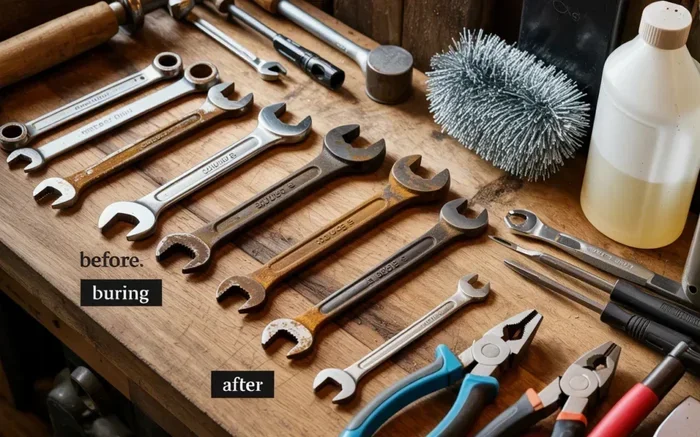
- Pliers (needle-nose and lineman): Useful for bending wire, pulling nails, and gripping small parts.
- Pry bar: For removing old boards, prying lumber into place, and general demolition work.
Having a solid set of hand tools means you are never stuck waiting for a power tool to charge or a blade to change. They are your backup and your everyday companions on the job.
Power Tools That Make Deck Building Faster
Power tools are what turn a multi-week project into a weekend job. They cut through lumber quickly and drive screws with ease. Here are the power tools you absolutely need for building a deck.
Circular Saw and Drill
These two power tools are the workhorses of deck building. Without them, you will be working much harder and much slower.
A circular saw is your primary cutting tool. You will use it to cut deck boards, joists, beams, and posts. Look for a saw with a 7-1/4 inch blade and a laser guide if possible. A blade with 24 teeth works well for rough cuts, while a 40-tooth blade gives you cleaner edges for visible decking.
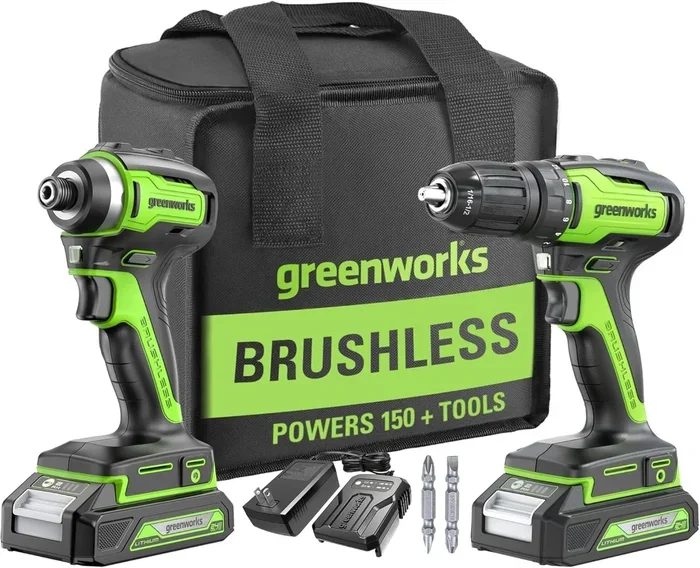
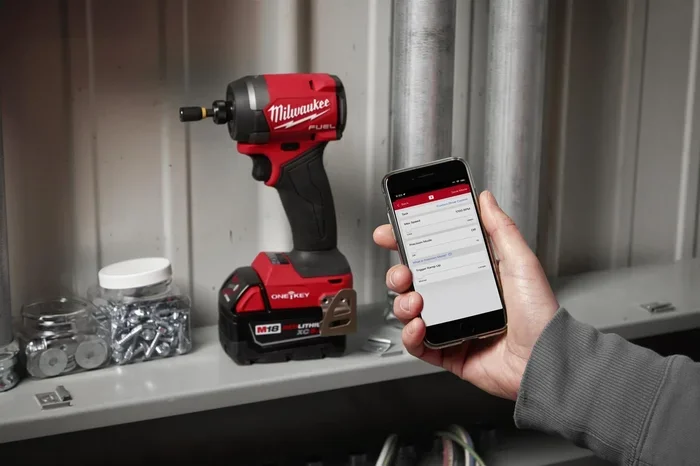
A power drill (or impact driver) is essential for driving screws and bolts. An impact driver is especially useful because it delivers more torque and drives screws faster. You will be driving hundreds of screws during a deck build, so a reliable drill makes a big difference.
Make sure you have spare batteries or an extension cord ready. Nothing kills momentum on a deck project like a dead battery or a cord that is too short.
Air Compressor and Pneumatic Nailers
If you want to build a deck quickly, consider using an air compressor paired with a pneumatic nailer. This combo is a game changer for securing deck boards and framing.
An air compressor powers a nail gun that drives nails or screws in a fraction of the time it takes with a manual drill. For deck building, a compressor with at least 2 to 3 CFM at 90 PSI is ideal. If you want to learn more about getting the best performance from your compressor, check out our guide on how to get more CFM from air compressor setups for your specific needs.
When it comes to nailers, you might wonder whether brad nailers need a compressor. The answer is yes — brad nailers rely on compressed air from a compressor to fire nails. However, for deck building, you may want a framing nailer instead, which handles larger nails and heavier lumber.
Before you start using your compressor, it helps to understand the basics. Our guide on easy air compressor how to use walks you through setup, operation, and maintenance in simple terms.
Proper maintenance also matters. Learn what oil your air compressor takes to keep it running smoothly and avoid costly repairs down the road.
Deck-Specific Tools and Must-Have Accessories
Beyond general tools, deck building requires some specialty items that are designed specifically for this type of project. These tools and accessories make your deck stronger, safer, and better looking.
Post Hole Digger and Leveling Equipment
Every deck needs solid footings, and that means digging post holes. A manual post hole digger works fine for small decks, but a power auger saves a lot of effort for larger projects.
You will also need a 4-foot level and shims to ensure your posts are perfectly plumb. Uneven posts lead to a wobbly deck, which is both unsafe and annoying. Take the time to level each post before you move on to the next step.
Deck Fasteners and Hardware
The right fasteners are critical for a durable deck. Here is what you need:
- Deck screws: Galvanized or stainless steel deck screws resist rust and hold boards securely. Avoid regular drywall screws, as they are not designed for outdoor use.
- Joist hangers: These metal brackets hold joists to the ledger board and beams. They provide a strong, hidden connection.
- Lag bolts: Used for connecting the ledger board to your house. These heavy-duty bolts provide the strongest hold.
- Post base brackets: These connect deck posts to concrete footings and allow for easy adjustment.
- Railing hardware: If your deck is above 30 inches, you will need railing brackets, balusters, and cap rails.
Using the right deck hardware might seem like a small detail, but it makes a big difference in the longevity and safety of your deck. Do not skimp on fasteners — they are what hold everything together.
Safety Gear You Should Never Skip
Deck building involves sharp tools, heavy lumber, and power equipment. Safety should always come first. The right protective gear keeps you injury-free and focused on the job.
Protective Equipment for Deck Construction
- Safety glasses: Protect your eyes from sawdust, wood chips, and debris. Wear them every time you cut or drill.
- Work gloves: A good pair of gloves protects your hands from splinters, blisters, and sharp edges.
- Steel-toe boots: Heavy lumber and tools can fall. Steel-toe boots protect your feet from crushing injuries.
- Hearing protection: Power saws and nail guns are loud. Earplugs or earmuffs prevent long-term hearing damage.
- Dust mask or respirator: Cutting pressure-treated wood creates dust that is harmful to breathe. Always wear a mask.
- Hard hat: If you are working under overhead beams or near the house, a hard hat protects against falling objects.
Do not skip safety gear just because you are working on a weekend project. Injuries happen fast, and even a small cut or eye injury can sideline you from finishing your deck.
Rent or Buy? Making Smart Tool Decisions
Not everyone needs to own every tool for deck building. Your decision to rent or buy depends on your budget, experience, and how often you plan to do similar projects.
Cost Comparison of Essential Deck Tools
Here is a simple breakdown to help you decide.
- Buy if: You plan to build multiple decks or use the tool for other projects. Circular saws, drills, levels, and tape measures are worth owning.
- Rent if: You only need a tool once and it is expensive. Post hole augers, concrete mixers, and large air compressors are great candidates for renting.
- Borrow if: A friend or neighbor has the tool. Always return it in good condition and offer to help with their project in return.
For most beginners, buying the basic hand tools and a circular saw and drill makes sense. Renting a post hole digger or concrete mixer can save you hundreds of dollars. Think about your project size and future needs before making purchases.
Step-by-Step Deck Building Process
Now that you know your tools, let us quickly walk through the deck building process. This gives you context for how each tool fits into the bigger picture.
Planning and Layout
Start by planning your deck. Decide on the size, shape, and location. Check local building codes and get any necessary permits. Use your tape measure, carpenter square, and chalk line to mark the layout on your yard. A well-planned deck goes together faster and looks better.
Framing the Deck
The frame is the skeleton of your deck. This is where your circular saw, drill, and level come into play. You will cut joists, attach the ledger board, and build the beam and post framework. Use your level constantly to make sure everything is plumb and square. Precise framing is the key to a stable deck.
Installing Deck Boards and Railings
Once the frame is solid, it is time to lay down the deck boards. Use your pneumatic nailer or drill with deck screws to secure each board. Leave a small gap between boards for drainage and expansion. Finally, install the railing if your deck is elevated. Attach balusters, posts, and cap rails using the railing hardware you gathered earlier.
Take your time with this step. Rushing the decking installation often leads to uneven boards and a less professional finish.
Common Mistakes to Avoid
Even with the right tools, mistakes can happen. Here are a few common ones to watch out for.
- Skipping the permit: Many areas require a permit for deck construction. Check with your local building department before you start.
- Using the wrong fasteners: Regular screws rust quickly outdoors. Always use deck-rated screws or nails.
- Ignoring the level: A deck that is not level collects water, which leads to rot and structural damage over time.
- Forgetting about drainage: Your deck should slope slightly away from your house to direct water away from the foundation.
- Underestimating tool needs: Make a full list before you start. Running out to buy a missing tool mid-project is frustrating and slows you down.
Avoiding these mistakes saves you time, money, and headaches. A little planning goes a long way toward a successful deck build.
Expert Tips for First-Time Deck Builders
Here are some extra tips from experienced builders that can make your project smoother.
- Prep your lumber: Let pressure-treated wood dry out for a few days before cutting and installing. Wet lumber shrinks as it dries, which can cause gaps and warping.
- Pre-drill screw holes: Especially near the ends of boards. This prevents splitting and gives you a cleaner look.
- Work with a partner: Deck boards and beams are heavy and awkward. Having a second person makes cutting, lifting, and leveling much easier.
- Check for utilities: Before you dig any post holes, call 811 to have underground utilities marked. This is free and prevents dangerous accidents.
- Keep your tools sharp: A dull saw blade tears wood instead of cutting it cleanly. Replace or sharpen blades regularly for the best results.
These small habits add up to a much better finished deck and a safer building experience. Trust me, the extra effort pays off.
Final Thoughts on Building Your Deck
Knowing what tools do i need to build a deck is the first step toward a successful project. With the right hand tools, power tools, deck-specific hardware, and safety gear, you are fully prepared to take on this build. Start with the basics, rent the expensive stuff, and always prioritize safety.
Building a deck is a fantastic way to expand your living space and enjoy the outdoors. It does not have to be intimidating. With the right tools and a solid plan, you can create a beautiful outdoor space that your family will enjoy for years to come. Grab your tape measure, charge your drill, and get started. Your dream deck is closer than you think.
Frequently Asked Questions
What is the most important tool for building a deck?
A circular saw and a power drill are the two most essential power tools for deck building. They handle the majority of cutting and fastening tasks. Without these two tools, building a deck becomes significantly harder and slower.
Can I build a deck with just hand tools?
Yes, it is possible, but it will take much longer and require more physical effort. A hand saw, manual drill, and hammer can get the job done, but power tools make the process faster and more precise. For most beginners, using at least a circular saw and drill is highly recommended.
Do I need an air compressor to build a deck?
No, an air compressor is not strictly necessary. You can build a deck using a manual drill and hammer or a power drill with deck screws. However, an air compressor with a pneumatic nailer can speed up the process significantly, especially when securing deck boards and framing.
How much does it cost to buy the tools needed for a deck?
A basic set of deck building tools can cost anywhere from $300 to $800, depending on the quality and brand. If you already own some tools like a drill or tape measure, your costs will be lower. Renting specialty tools like a post hole auger can save you even more money.
What safety gear is absolutely necessary for deck building?
At a minimum, you should wear safety glasses, work gloves, steel-toe boots, and a dust mask. Hearing protection is also important when using power saws and nail guns. Do not skip any of these items, even for a small deck project.
Should I rent or buy a post hole digger for my deck?
For most homeowners building one deck, renting a post hole digger is the smarter choice. It costs much less than buying one, and you may not need it again. However, if you plan to build multiple decks or do other digging projects, buying one could be worth the investment.