What Is the Best Whole House Generator for Your Home
The best whole house generator keeps your home powered during outages without any manual effort. Choosing the right home backup power system depends on your energy needs, budget, and fuel preference. This guide breaks down everything from generator sizing to installation costs so you can make a smart decision.
Power outages are frustrating. One moment you’re watching TV, and the next, everything goes dark. That is exactly why so many homeowners are searching for the best whole house generator to keep their families safe and comfortable. A reliable standby generator does more than just keep the lights on. It keeps your fridge running, your heating system working, and your security system active.
But picking the right home generator is not as simple as grabbing the first one you see. You need to think about power output, fuel type, installation space, and even generator warranty coverage. This guide walks you through everything you need to know. We will cover how these systems work, what to look for, and which models stand out in 2025.
By the end, you will have a clear picture of what to buy and why. Let us dive in.
Key Takeaways
- Match your generator to your home’s energy needs: A proper generator sizing calculation ensures you cover essential circuits without overspending.
- Fuel type matters for cost and convenience: Natural gas, propane, and diesel each offer different generator runtime and efficiency levels.
- An automatic transfer switch is essential: This feature switches your power over within seconds, keeping your emergency power seamless.
- Professional installation prevents costly errors: Improper setup can lead to safety hazards, compressor short cycling, or voided warranties.
- Regular maintenance extends generator life: Simple upkeep like oil changes and filter checks keep your home generator running reliably for years.
- Noise level is an overlooked factor: Some models run quieter than others, which matters for residential neighborhoods.
📑 Table of Contents
What Is a Whole House Generator?
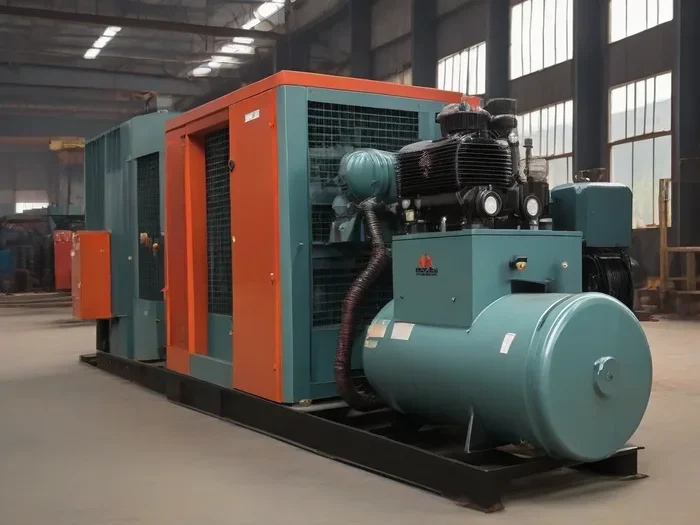
A whole house generator is a permanent backup power system installed outside your home. It automatically kicks in when your main power goes out. Unlike a portable generator, you do not need to plug things in manually. The system detects a power loss and switches over in seconds.
How It Works
Here is the simple version. Your generator sits outside, connected to your home’s electrical panel. When the grid goes down, an automatic transfer switch detects the outage. It signals the generator to start. Power flows to your home almost instantly, often within 10 to 30 seconds.
Once grid power returns, the switch transfers things back. Then the generator cools down and shuts off. The whole process is automatic. You do not even need to be home.
Why You Need One
Power outages are more common than most people think. Storms, equipment failures, and grid overloads can knock out electricity for hours or even days. A home backup power system protects you from:
- Spoiled food in your refrigerator and freezer
- Frozen pipes during cold weather outages
- Loss of heating or air conditioning
- Security system downtime
- Work-from-home disruptions
Having a dependable emergency power solution gives you peace of mind. It also protects your home from water damage that can happen when sump pumps stop working.
How to Choose the Best Whole House Generator
Not all generators are created equal. The best whole house generator for your neighbor might not be right for you. Here is what to focus on when shopping.
Power Output and Sizing
This is the most important factor. You need enough power output to run your essential circuits. A generator that is too small will struggle or shut down. One that is too big wastes fuel and money.
So how do you figure out the right size? Start by listing your must-have appliances. Add up their wattage. Most generators are rated in kilowatts (kW). Here is a quick reference:
- Refrigerator: 600-800 watts
- Microwave: 1000-1500 watts
- Central air conditioning: 2000-5000 watts
- Well pump: 1000-2000 watts
- Lights and outlets (general): 1000-2000 watts
If you want to run most of your home, aim for a unit between 18 kW and 24 kW. For smaller homes or just essential circuits, 12 to 16 kW may be enough. Not sure what you need? Check out our guide on how big of a backup generator do I need for a detailed sizing breakdown.
Fuel Type Options
The fuel your generator uses affects everything from cost to convenience. Here are the most common options:
- Natural gas: The most popular choice. It connects directly to your home’s gas line, so you never run out of fuel during long outages. It burns clean and is cost-effective over time.
- Propane: Great for areas without natural gas lines. Propane stores indefinitely in tanks, making it a reliable option. However, you need to monitor tank levels.
- Diesel: Very efficient and durable. Diesel units often have longer generator runtime but can be louder and harder to maintain.
- Dual fuel: Some models run on both natural gas and propane. This gives you flexibility.
Your fuel choice often depends on what is already available at your home. If you have a natural gas line, that is usually the easiest path. Want to understand fuel consumption more deeply? Read about how much natural gas does a generator use to plan your fuel budget.
Automatic Transfer Switch
The automatic transfer switch (ATS) is what makes a whole house system truly “set it and forget it.” Without one, you would have to start the generator and manually switch power sources. That is a hassle you do not want during a storm.
Good ATS units detect outages within seconds. They also prevent backfeeding, which is when power flows back into the grid and can injure utility workers. Always make sure your generator includes a proper ATS.
Top 5 Best Whole House Generators for Your Home
Here is a comparison of some of the top-rated home generator models available today. These picks are based on reliability, power output, fuel efficiency, and user reviews.
| Generator Model | Power Output | Fuel Type | Noise Level | Best For |
|---|---|---|---|---|
| Generac 24kW | 24 kW | Natural Gas / Propane | Moderate | Large homes |
| Generac 18kW | 18 kW | Natural Gas | Low-Moderate | Medium homes |
| Kohler 20RESCL | 20 kW | Natural Gas / Propane | Low | Quiet neighborhoods |
| Briggs & Stratton 20kW | 20 kW | Natural Gas / Propane | Moderate | Budget-conscious buyers |
| Generac 7210 22kW | 22 kW | Natural Gas | Moderate | All-around use |
Generac 24kW — Best Overall
Generac is the most recognized name in home generators. Their 24kW model offers excellent power coverage for larger homes. It runs on natural gas or propane and includes a robust generator warranty. It handles central air conditioning and multiple appliances without breaking a sweat.
Kohler 20RESCL — Best for Quiet Operation
Kohler builds premium units. The 20RESCL is known for its low noise level, making it ideal for residential areas. It also features a corrosion-resistant enclosure, which adds longevity. If noise is a concern, this is a top pick.
Briggs & Stratton 20kW — Best Budget Option
This model delivers solid performance at a lower price point. It is a great entry-level standby generator for homeowners who want reliability without the premium price tag. Maintenance is straightforward, and parts are easy to find.
For those looking at portable or smaller-scale options, the Sun Joe generator is also worth a look for supplemental power needs.
Installation and Maintenance Tips
Buying the right generator is only half the battle. Proper installation and regular care ensure it works when you need it most.
Professional Installation Matters
Do not try to install a whole house unit yourself unless you are a licensed electrician. Improper installation can cause serious safety issues, including electrical fires and carbon monoxide exposure. A professional will:
- Position the unit safely away from windows and vents
- Wire the transfer switch correctly
- Ensure local building codes are met
- Test the entire system before leaving
Installation typically costs between $3,000 and $10,000 depending on complexity. This includes the unit, labor, permits, and the transfer switch. It is money well spent for your home backup power system.
Maintenance Essentials
Generators that sit unused for months without care can fail when you need them most. A solid maintenance schedule includes:
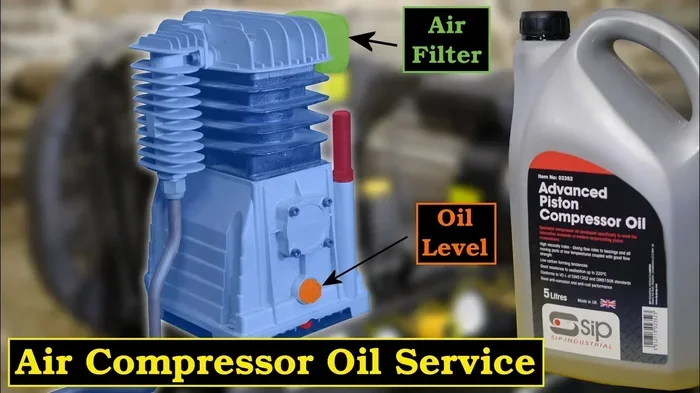
- Oil changes every 100-200 hours of use (or at least once a year)
- Air filter checks and replacements
- Spark plug inspections
- Fuel system checks to prevent stale fuel buildup
- Battery testing to ensure the starting system works
- Running the generator monthly for 15-20 minutes under load
Regular upkeep prevents issues like compressor short cycling, which can damage internal components over time. If you notice unusual behavior like inconsistent power output or strange noises, address it immediately. Think of your generator like a car. It needs regular care to stay reliable.
For more on keeping your systems running, check out resources on what causes compressor short cycling to spot early warning signs.
Common Mistakes When Buying a Whole House Generator
Even informed buyers make mistakes. Here are the most common ones to avoid.
Oversizing or Undersizing
Buying too big means you pay more for fuel and installation. Buying too small means the unit overloads during heavy use. Always calculate your power needs carefully before committing. Leave a small buffer, but do not overbuy by a large margin.
Ignoring Fuel Costs
The generator itself is just one part of the expense. Fuel costs add up over time, especially during frequent outages. Natural gas is usually the most affordable option. Propane offers great storage life but can be pricier per unit of energy. Plan your fuel budget before purchasing.
Skipping the Transfer Switch
Some people try to skip the ATS to save money. This is dangerous. A proper transfer switch protects your home and your neighbors from backfeed. It is a legal requirement in most areas too.
Neglecting Location Planning
Where you place your generator matters. It should be away from doors, windows, and vents to prevent exhaust fumes from entering your home. It also needs adequate airflow. Flood-prone areas are not ideal for outdoor units.
Forgetting About Noise
A loud generator can be a nuisance for you and your neighbors. Check the decibel rating before buying. Units with sound-attenuated enclosures run much quieter. If you live in a tight neighborhood, aim for something under 65 dB.
Quick Tips for First-Time Buyers
- Always calculate your total wattage needs including startup power for motors and compressors.
- Choose a model with a strong generator warranty of at least 5 years.
- Consider adding a fuel shutoff valve for safety.
- Install a weather shield if your unit is exposed to the elements.
- Ask your installer about smart monitoring features. Some models let you control your generator from your phone.
Expert Insights
Industry professionals recommend focusing on long-term value over short-term savings. A slightly pricier unit often saves money in fuel efficiency and fewer repairs. Here is what experts want you to know:
- Start with your must-haves. List the circuits you absolutely need during an outage. Build from there.
- Think about future needs. If you plan to add an electric vehicle or expand your home, factor that into your sizing now.
- Never skip the maintenance. A neglected generator is a failed generator. Stay on schedule.
- Check local permits. Some areas require specific permits for generator installation. Your installer should handle this, but always confirm.
One important note: generators are essentially large electrical generator systems that require proper wiring and grounding. Always work with licensed professionals who understand the full electrical requirements.
Frequently Asked Questions
What is the best whole house generator for a small home?
For small homes, a 12 to 16 kW unit usually covers essential circuits like refrigeration, lighting, and a sump pump. The Generac 18kW is a popular choice for its balance of power and affordability. Always calculate your specific wattage needs before buying.
How often should I run my whole house generator for maintenance?
Run your generator for 15 to 20 minutes once a month under load. This keeps the engine lubricated, tests the starting system, and prevents stale fuel issues. Monthly testing also helps you catch problems early before a real outage happens.
Can a whole house generator run forever during a long outage?
Not exactly. Natural gas units can run for days since they connect to your home’s gas line. Propane units are limited by tank size. Diesel models have large fuel tanks but still need refilling. Plan for extended outages by having backup fuel on hand.
How long does a whole house generator last?
With proper maintenance, a quality standby generator lasts 15 to 25 years. Units from brands like Generac and Kohler are built for longevity. The key is staying on top of oil changes, filter replacements, and regular testing. Neglect can cut that lifespan in half.
Is it safe to run a whole house generator in a residential area?
Yes, as long as it is installed correctly. Proper placement away from windows and vents prevents carbon monoxide buildup. Most modern units are designed for residential use and meet strict noise and emissions standards. Always follow local codes and manufacturer guidelines.
What is the difference between a portable generator and a whole house generator?
A portable generator is smaller, runs on gasoline, and requires manual setup. You plug appliances directly into it. A whole house system is permanent, runs on natural gas or propane, and powers your entire home automatically. The convenience and coverage of a standby unit far outweigh the lower upfront cost of a portable one.
Conclusion
Finding the best whole house generator comes down to understanding your home, your power needs, and your budget. Whether you choose a Generac 24kW for maximum coverage or a budget-friendly Briggs & Stratton for essential circuits, the key is making an informed decision. Do not rush the process. Take time to calculate your wattage, compare fuel types, and plan for installation costs.
Remember that a generator is a long-term investment in your home’s safety and comfort. Regular maintenance keeps it ready when the lights go out. A proper installation ensures safe, reliable operation for decades. Do not skip the small details, because they matter when the power fails.
Now that you know what to look for, you are ready to take the next step. Protect your home, your family, and your peace of mind with a reliable home backup power system. The storm does not care when you are ready. But with the right generator, you will always be one step ahead.