How to Choose the Best Electric Generator for Your Home
Choosing the right electric generator means understanding your power needs, comparing fuel types, and matching the unit to your home’s demands. This guide walks you through everything from wattage calculations to installation tips. You will learn how to avoid common mistakes and pick a reliable electric generator that keeps your home running during outages.
Power outages happen when you least expect them. A storm rolls in, the grid goes down, and suddenly your refrigerator, lights, and heating system all go dark. That is where a reliable electric generator becomes your best friend.
But with so many options on the market, choosing the right one can feel overwhelming. How do you know which size you need? What fuel type makes the most sense? Is a portable unit enough, or do you need a whole-house setup? This guide answers all of those questions and more.
We will walk you through every step of the decision-making process. By the end, you will feel confident picking the perfect electric generator for your home and budget. Let us get started.
Key Takeaways
- Know your wattage needs: Calculate total appliance loads before buying.
- Choose the right type: Portable, standby, and inverter generators each serve different purposes.
- Fuel matters: Gasoline, propane, natural gas, and diesel each have pros and cons.
- Check runtime and noise: These factors impact daily comfort and usability.
- Prioritize safety features: Look for GFCI outlets, automatic shutoff, and proper ventilation.
- Budget wisely: Higher upfront cost often means better reliability and lower long-term fuel costs.
📑 Table of Contents
- Understand Your Power Needs First
- Types of Electric Generators
- Fuel Types and Their Pros and Cons
- Sizing Your Electric Generator Correctly
- Key Features to Look For
- Installation and Safety Tips
- Budget Considerations
- Common Mistakes to Avoid
- Expert Insights: What Professionals Recommend
- Final Thoughts: Making Your Decision
Understand Your Power Needs First
Before you look at any electric generator models, figure out what you actually need. This step saves money and prevents buyer’s remorse. Most people skip this and end up with a unit that cannot handle their load.
Make a List of Essential Appliances
Grab a notebook and write down every appliance you want to power during an outage. Think about the essentials first:
- Refrigerator and freezer
- Lights throughout the house
- Heating or cooling system
- Medical equipment
- Wi-Fi router and modem
- Phone chargers
- Television
Now check the wattage label on each device. You will usually find this on a sticker near the power cord. Add up the starting wattage and running wattage for each item. This gives you your total power requirement.
Starting vs. Running Wattage
Here is something many people miss. Some appliances need a surge of power to start up. A refrigerator, for example, might need 2,100 watts to start but only 700 watts to keep running. Always use the starting wattage for your calculations. This ensures your electric generator can handle the initial load without tripping.
A quick rule of thumb: add up all running watts, then add the highest starting wattage from your list. This gives you a safe baseline.
Types of Electric Generators
Not all generators work the same way. Each type has strengths and weaknesses. Understanding these differences helps you pick the right fit.
Portable Generators
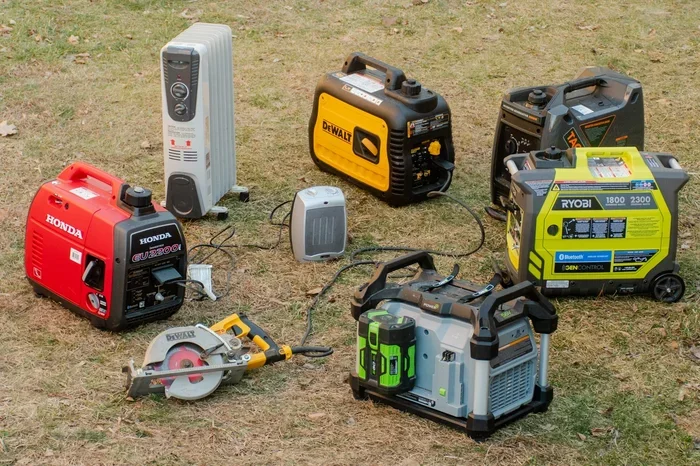
Portable units are the most common choice for homeowners. They are affordable, easy to move, and simple to set up. You typically wheel them outside, plug in extension cords, and power your devices directly.
These units usually run on gasoline or propane. They range from 3,000 to 8,500 watts. A portable electric generator works great for short-term outages and powering a few key appliances.
However, they do have limitations. You need to refuel them manually, and they can be noisy. They also require proper ventilation to avoid carbon monoxide buildup. Always run a portable generator outside, at least 20 feet from your home.
Standby Generators
Standby generators are the heavy-duty option. They install permanently outside your home and connect directly to your electrical system. When the power goes out, they kick on automatically within seconds.
These units run on natural gas or propane and can power your entire house. They range from 7,000 to 20,000+ watts. A standby electric generator is ideal if you live in an area prone to frequent outages or severe weather.
The downside? They cost more upfront. Installation can run several thousand dollars. But for many homeowners, the convenience and reliability are worth every penny.
Inverter Generators
Inverter generators are a newer option that produces clean, stable power. They adjust engine speed based on the load, which makes them more fuel-efficient and quieter than traditional units.
They are perfect for camping, tailgating, or powering sensitive electronics like laptops and phones. An inverter electric generator typically runs between 1,000 and 4,000 watts.
The trade-off is they cost more per watt than portable generators. They also cannot power heavy-duty appliances like central air conditioning.
Fuel Types and Their Pros and Cons
The fuel type you choose affects everything from runtime to cost. Here is a breakdown of the most common options.
Gasoline
Gasoline is the most widely available fuel. Almost every hardware store sells it. Portable generators commonly use gasoline because it is convenient and easy to store.
However, gasoline has a short shelf life. It degrades within three to six months, which means you need to rotate your fuel supply regularly. It also produces more emissions than other options.
Propane
Propane burns cleaner than gasoline and has a longer shelf life. Many dual-fuel generators let you switch between gasoline and propane. A propane tank connects directly to the generator, which eliminates the need for refueling during short outages.
One thing to keep in mind: propane produces less energy per gallon than gasoline. This means slightly shorter runtime on the same tank size.
Natural Gas
Natural gas is the cleanest-burning fuel option. Standby generators often connect directly to your home’s natural gas line. This means unlimited runtime as long as the gas supply stays on.
One key consideration is how much natural gas does a generator use. The consumption rate varies by load and unit size. Generally, a standby generator uses between 2 and 3 cubic feet of natural gas per hour at half load.
Diesel
Diesel generators are built for heavy-duty and commercial use. They are more fuel-efficient than gasoline units and have longer engine lives. However, they are louder, heavier, and less common for residential use.
Diesel fuel also has a longer shelf life than gasoline. This makes it a solid choice for backup power in areas with infrequent but long outages.
Quick Comparison Table
| Fuel Type | Availability | Shelf Life | Emissions | Best For |
|---|---|---|---|---|
| Gasoline | Very High | 3-6 months | Moderate | Portable generators |
| Propane | High | Long (years) | Low | Dual-fuel setups |
| Natural Gas | Moderate | Unlimited | Lowest | Standby generators |
| Diesel | Moderate | Long (12+ months) | Moderate | Heavy-duty backup |
Sizing Your Electric Generator Correctly
Sizing is one of the most important decisions you will make. A unit that is too small will overload and shut down. A unit that is too large wastes money and fuel.
Match the Generator to Your Home Size
Small homes with basic needs may only require a 3,000 to 5,000 watt electric generator. This can handle lights, a refrigerator, a few outlets, and a furnace blower.
Medium-sized homes typically need 5,000 to 10,000 watts. This covers the essentials plus a window air conditioner or sump pump.
Large homes with central air, electric water heaters, and multiple bathrooms often need 10,000 to 20,000+ watts. A whole-house standby generator is usually the best choice here.
Consider Your Peak Usage Times
Think about when you use the most power. In summer, air conditioning drives up demand. In winter, heating systems take over. Your electric generator should handle these peak loads comfortably.
A good practice is to add a 20% buffer to your calculated wattage needs. This gives you room to spare and prevents the generator from running at maximum capacity all the time.
How Big of a Backup Generator Do You Need?
If you are unsure about sizing, check out our detailed guide on how big of a backup generator do I need. It walks you through room-by-room calculations and real-world scenarios to help you find the perfect fit.
Key Features to Look For
Not all generators are created equal. Some models include features that make them safer, quieter, and more convenient. Here are the ones worth paying attention to.
Automatic Transfer Switch (ATS)
An ATS is a game-changer for standby generators. It detects power loss and switches your home to generator power automatically. You do not need to flip any switches or run extension cords.
This feature is especially important for homes with sump pumps or medical equipment. A few seconds of downtime can cause serious problems. An ATS eliminates that risk entirely.
Low Noise Levels
Nobody wants a generator that sounds like a jet engine. Noise levels are measured in decibels (dB). Most portable generators run between 60 and 80 dB.
Inverter generators are the quietest option, often running below 60 dB. Standby generators vary widely. Look for models with sound-dampening enclosures if noise is a concern in your neighborhood.
Fuel Efficiency and Runtime
Runtime tells you how long a generator can run on a single tank of fuel. A good electric generator should run at least 8 to 12 hours on a full tank at half load.
Fuel efficiency matters too. An inefficient unit burns through fuel fast, which gets expensive during extended outages. Look for models with eco-mode or adjustable engine speeds. These features save fuel by matching output to demand.
Safety Features
Safety should never be an afterthought. Look for these essential features:
- GFCI outlets: Protect against electrical shock
- Low oil shutoff: Prevents engine damage
- Carbon monoxide detector: Alerts you to dangerous CO levels
- Overload protection: Shuts down safely if the load is too high
- Ground fault protection: Reduces risk of electrical hazards
Generator Maintenance and Longevity
A generator is only as good as its maintenance. Regular upkeep keeps your unit running reliably for years. Here are the basics:
- Change the oil every 100 to 200 hours of use
- Replace the air filter seasonally
- Check spark plugs annually
- Run the generator for 15 minutes monthly, even when not in use
- Store fuel in approved containers and rotate it every six months
Following these simple steps extends the life of your electric generator significantly. Many units last 10 to 20 years with proper care.
Installation and Safety Tips
Proper installation is critical for both performance and safety. A poorly installed generator can damage your home’s electrical system or create dangerous carbon monoxide risks.
Always Install Outside
Never run a generator indoors, in a garage, or near windows. Carbon monoxide is odorless and colorless. It can build up quickly and become lethal within minutes.
Place your unit on a level surface, at least 20 feet from your home. Point the exhaust away from windows and doors.
Use a Transfer Switch
A transfer switch connects your generator directly to your home’s electrical panel. This is safer and more convenient than running extension cords through windows or doors.
It also prevents backfeeding, which sends power back into the grid and can endanger utility workers. A licensed electrician should install your transfer switch to ensure it meets local codes.
Weather Protection
Rain and moisture are enemies of any electrical equipment. Invest in a generator cover or build a simple canopy. Just make sure it allows proper ventilation. Never operate a generator under a tarp that traps heat.
Budget Considerations
Generator prices vary widely. Portable units start around $500 and can go up to $2,000. Standby generators range from $2,000 to $15,000 or more, including installation.
Your budget should reflect your actual needs. If you only need to power a few essentials during short outages, a portable unit is a smart investment. If you want whole-house coverage and automatic startup, a standby generator is worth the higher cost.
Also factor in long-term costs like fuel, maintenance, and fuel storage. A slightly more expensive unit that uses less fuel can save you money over time.
Common Mistakes to Avoid
Even experienced homeowners make mistakes when buying a generator. Here are the most common ones to watch out for.
- Undersizing the unit: This is the number one mistake. Always add a buffer to your wattage calculations.
- Skipping the transfer switch: Extension cords are temporary fixes. A transfer switch is the safe, permanent solution.
- Ignoring fuel storage: Gasoline goes bad. Have a plan for storing and rotating fuel safely.
- Running the generator indoors: This cannot be stressed enough. Carbon monoxide kills.
- Neglecting maintenance: A generator that sits unused for months may not start when you need it most.
Avoiding these mistakes ensures your electric generator works reliably when you need it most.
Expert Insights: What Professionals Recommend
We spoke with licensed electricians and generator technicians to get their top recommendations. Here is what they had to say.
“The most important thing is matching the generator to the home’s actual electrical load,” says one seasoned technician. “Too many people buy based on brand alone. A smaller unit that fits your needs will always outperform an oversized one you barely use.”
Another expert emphasizes the importance of regular testing. “Run your generator at least once a month under load for 15 to 20 minutes. This keeps the engine healthy and ensures it starts when the power goes out.”
Professionals also recommend investing in a surge protector. Power surges during startup can damage sensitive electronics. A quality surge protector adds an extra layer of defense for your appliances.
Final Thoughts: Making Your Decision
Choosing the best electric generator for your home comes down to three things: understanding your power needs, picking the right type, and matching your budget. There is no one-size-fits-all answer. The best generator is the one that fits your specific situation.
Start by making a list of your essential appliances and their wattage. Decide whether a portable or standby unit makes more sense for your lifestyle. Consider your fuel options and local availability. And never compromise on safety features.
A good generator gives you peace of mind. It keeps your family comfortable, your food safe, and your home running no matter what the weather brings. Take your time, do your research, and invest in a unit that will serve you well for years to come.
Whether you choose a simple portable unit or a whole-house standby system, the key is preparation. Power outages will happen. The question is whether you are ready. With the right electric generator, you will be.
Frequently Asked Questions
What size electric generator do I need for a typical home?
Most homes need between 5,000 and 10,000 watts to cover essential appliances. Calculate the total wattage of your must-have devices and add a 20% buffer. This ensures your unit can handle startup surges without overloading.
Can I run a generator inside my garage?
No. Generators must always be operated outdoors. Carbon monoxide from exhaust fumes can build up quickly in enclosed spaces and become life-threatening. Keep your generator at least 20 feet from your home with exhaust pointing away from windows.
How long does a generator battery last?
The battery in a standby generator typically lasts 3 to 5 years with proper maintenance. The battery ensures the automatic transfer switch and starter motor work correctly. Regular testing and timely replacement keep your system reliable during outages.
What is the difference between a portable and standby generator?
A portable generator is movable, runs on gasoline or propane, and requires manual setup. A standby generator is permanently installed, connects to natural gas or propane lines, and turns on automatically during power loss. Standby units cost more but offer greater convenience and coverage.
How much does it cost to install a standby generator?
Installation costs range from $2,000 to $15,000 depending on the unit size and complexity. This includes the generator itself, a transfer switch, electrical wiring, and any permits required. Many homeowners find the investment worthwhile for the automatic backup power it provides.
What fuel is most efficient for a home generator?
Natural gas is the most efficient and cleanest-burning fuel for standby generators. It provides unlimited runtime as long as the gas supply is active. Propane is another excellent option with a long shelf life, making it ideal for stored fuel reserves.