How to Replace AC Compressor Without Breaking the Bank
Replacing an AC compressor does not have to drain your savings. This guide walks you through the entire process of how to replace AC compressor units safely and affordably. You will learn the warning signs, real costs, step-by-step instructions, and smart ways to cut expenses. Whether you plan to hire a pro or tackle the job yourself, this article gives you the knowledge to make the best decision for your home and budget.
Your air conditioner works hard every summer to keep your home cool and comfortable. But when the air conditioning compressor starts to fail, the whole system can grind to a halt. The good news is that you do not need to spend a fortune to fix it. Whether you are dealing with a noisy hvac compressor or a unit that has stopped blowing cold air, this guide will help you navigate the process with confidence.
Replacing an ac compressor can feel intimidating. There are refrigerant lines to handle, electrical connections to manage, and the right tools to gather. But here is the truth: thousands of homeowners successfully handle this job every year. With the right preparation and a clear plan, you can replace ac compressor units without the stress or the sky-high price tag. This article breaks everything down into simple, actionable steps you can follow today.
We will cover everything from early warning signs to actual cost breakdowns. You will also find practical tips on how to save money, when to call a professional, and how to avoid common mistakes that turn a simple repair into a nightmare. Let us dive in and help you keep your cool without breaking the bank.
Key Takeaways
- Know the signs early: Recognizing ac compressor symptoms can save you from a full system breakdown and costly emergency repairs.
- Understand the costs: The ac compressor replacement cost varies widely, but there are clear ways to reduce your total bill.
- DIY is possible: With the right tools and guidance, you can replace ac compressor units yourself and skip expensive labor charges.
- Compare options wisely: Weighing DIY versus hiring a professional helps you choose the safest and most affordable path.
- Prevent future problems: Simple maintenance habits extend your ac compressor lifespan and keep your system running efficiently.
- Check your warranty: Many ac compressor warranty policies cover replacement costs, so always verify before paying out of pocket.
📑 Table of Contents
- Understanding Your AC Compressor and Why It Matters
- Recognizing the Signs Your AC Compressor Needs Replacement
- How Much Does It Really Cost to Replace an AC Compressor?
- Step-by-Step Guide to Replace AC Compressor
- DIY vs. Hiring a Professional: Which Option Is Right for You?
- Smart Ways to Save Money on AC Compressor Replacement
- Extending the Life of Your New AC Compressor
- Conclusion
Understanding Your AC Compressor and Why It Matters
The ac compressor is the heart of your air conditioning system. It is the component responsible for circulating refrigerant through the refrigerant lines and converting warm indoor air into cool, comfortable air. Without a functioning ac system compressor, your entire central air conditioning setup becomes useless, especially during the hottest months of the year.
How the Air Conditioning Compressor Works
Here is a simple way to think about it. The central air conditioning compressor takes low-pressure refrigerant gas from inside your home and compresses it into high-pressure gas. This process raises the temperature of the gas significantly. The hot gas then flows to the outdoor condenser unit, where it releases heat and turns back into a liquid. That cool liquid cycles back inside to absorb more heat, and the cycle repeats.
This continuous loop keeps your home at a comfortable temperature. But when the hvac compressor starts to wear down or fails entirely, the loop breaks. Your system may still blow air, but it will not be cold. That is when most homeowners realize they need to replace ac compressor parts or the entire unit.
Common Causes of AC Compressor Failure
Understanding why compressors fail can help you prevent it from happening. Here are the most common culprits:
- Dirty condenser coils: Debris buildup on the outdoor unit forces the ac unit compressor to work harder, leading to overheating.
- Low refrigerant levels: Leaks in the refrigerant lines starve the compressor, causing it to overheat and eventually fail.
- Electrical problems: A faulty ac compressor relay or wiring issues can send irregular voltage to the compressor, damaging it over time.
- Contaminants in the system: Dirt, moisture, or debris inside the ac system compressor can cause corrosion and mechanical failure.
- Age and wear: Most ac compressor lifespan ranges from 12 to 15 years. After that, failure becomes more likely.
Regular maintenance, such as cleaning the condenser unit and checking refrigerant levels, can significantly extend the life of your compressor. But even with the best care, eventual ac compressor replacement may become necessary.
Recognizing the Signs Your AC Compressor Needs Replacement
Catching the warning signs early can save you from a complete system breakdown on the hottest day of the year. Knowing what to look for gives you time to plan and budget for ac compressor repair or full replacement.
Strange Noises From the Outdoor Unit
One of the most obvious ac compressor symptoms is unusual noise. If you hear grinding, squealing, or loud banging coming from your outdoor condenser unit, the internal components of the hvac compressor may be failing. A healthy compressor should run relatively quietly. Any loud or persistent noise is a red flag that demands immediate attention.
Warm Air Blowing From Vents
If your system is running but the air coming from your vents feels warm or only slightly cool, the ac compressor not working properly is a likely cause. The compressor may be struggling to pressurize the refrigerant, which means it cannot absorb and release heat effectively. This is one of the most common reasons homeowners search for how to replace ac compressor units.
Frequent On-and-Off Cycling
Your air conditioner should cycle on and off at regular intervals. If you notice it short-cycling — turning on, shutting off quickly, and turning on again — the ac compressor overheating might be the issue. A failing compressor often shuts down as a safety measure when it gets too hot, only to restart moments later.
Visible Leaks or Ice Buildup
Check the refrigerant lines and the outdoor unit for any signs of leaks or ice formation. Ice on the ac unit compressor or copper lines usually indicates low refrigerant, which puts extra strain on the compressor. Over time, this can lead to complete ac compressor failure.
Tripped Circuit Breakers
If your air conditioner keeps tripping the circuit breaker, the ac compressor relay or the compressor itself may be drawing too much power. This is a serious sign that should never be ignored. A compressor drawing excess current is often on the verge of total failure.
How Much Does It Really Cost to Replace an AC Compressor?
The ac compressor replacement cost is one of the biggest concerns for homeowners. The truth is that costs vary a lot depending on several factors. Understanding what drives the price helps you make informed decisions and avoid overpaying.
Breakdown of AC Compressor Replacement Cost
Here is a general idea of what you can expect when you decide to replace ac compressor units in your home:
- Compressor unit alone: $400 to $1,200 for a standard residential unit. High-efficiency models can cost more.
- Labor costs: $500 to $1,500 depending on your location and the complexity of the installation.
- Refrigerant recharge: $100 to $300 if you need to refill the refrigerant lines after replacement.
- Additional parts: A new ac compressor relay, capacitors, or compressor clutch components may add $50 to $200.
- Total estimated range: $1,000 to $3,000 for a full ac compressor diagnosis and replacement.
These numbers can shift based on the size of your system, the type of compressor, and whether you hire a professional or go the DIY route. The key takeaway is that ac compressor repair or replacement does not have to be as expensive as many people fear. With smart planning, you can stay well within budget.
Factors That Influence the Price
Several things affect the final ac compressor replacement cost:
- The brand and model of your current system
- Your geographic location and local labor rates
- Whether you need to replace just the compressor or the entire outdoor condensing unit
- The age of your existing system and the availability of parts
- Whether your ac compressor warranty is still active
Always get at least three quotes from licensed HVAC technicians before committing. This gives you a clear picture of fair pricing in your area and helps you identify any outliers.
Step-by-Step Guide to Replace AC Compressor
If you are comfortable with basic electrical work and have some mechanical aptitude, you can tackle a compressor replacement yourself. Here is a detailed walkthrough of the compressor replacement steps you need to follow.
Step 1: Turn Off the Power
Safety comes first. Switch off the power to your air conditioning system at the circuit breaker. Do not rely on the thermostat alone. Confirm the power is off by trying to start the unit at the thermostat. This is a non-negotiable step before you touch any part of the ac system compressor.
Step 2: Gather Your Tools and Materials
Before you begin, make sure you have everything you need. Here is a checklist:
- Replacement ac compressor unit
- Refrigerant recovery machine (or hire a certified tech for this step)
- Multimeter for electrical testing
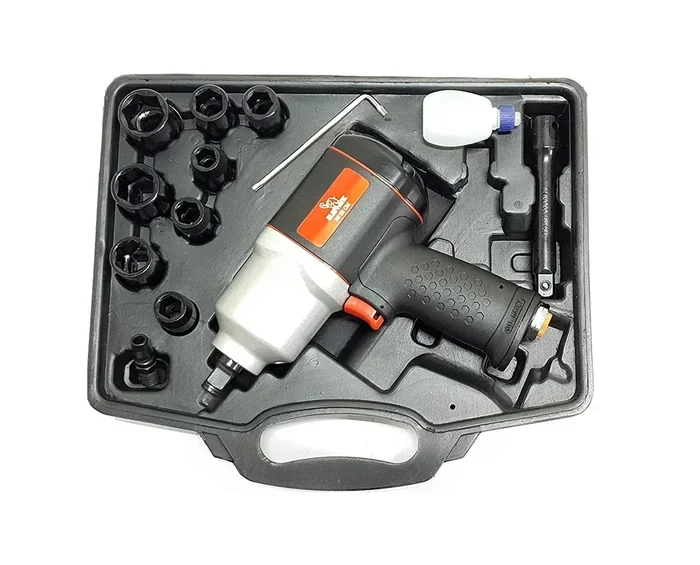
- Wrench set and screwdrivers
- New compressor clutch and ac compressor relay if needed
- Refrigerant lines and fittings
- Vacuum pump for line evacuation
- Protective gloves and safety glasses
Having everything ready before you start saves time and prevents frustrating pauses mid-job.
Step 3: Recover the Refrigerant
This is the step where many DIYers hesitate. You need to recover the existing refrigerant from the refrigerant lines before you can remove the old compressor. Federal law requires proper refrigerant recovery, and releasing refrigerant into the atmosphere is illegal. If you do not have a recovery machine, consider hiring a licensed professional just for this step.
Step 4: Remove the Old Compressor
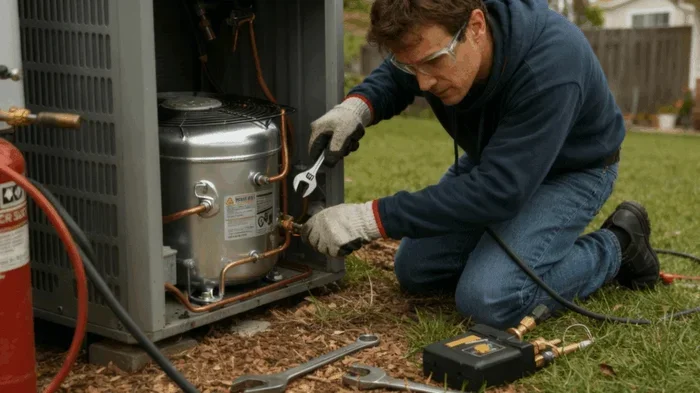
Disconnect the electrical connections from the ac compressor relay and the compressor terminals. Detach the refrigerant lines carefully, plugging them immediately to prevent moisture and debris from entering the system. Unbolt the old hvac compressor from its mounting bracket and lower it out of the condenser unit.
Step 5: Install the New Compressor
Place the new air conditioning compressor into the condenser unit and secure it with the mounting bolts. Reconnect the refrigerant lines, making sure all fittings are tight. Reattach the electrical connections, including the compressor clutch and ac compressor relay. Double-check every connection before moving on.
Step 6: Evacuate and Recharge the System
Use a vacuum pump to evacuate the refrigerant lines and remove any air or moisture. This step is critical for the long-term health of your ac system compressor. Once the system holds a vacuum for at least 30 minutes, you can recharge it with the appropriate refrigerant. Follow the manufacturer’s specifications for the correct charge amount.
Step 7: Test the System
Restore power at the circuit breaker and turn on the system at the thermostat. Listen for unusual ac compressor noise and check that cold air is flowing from the vents. Monitor the system for at least 30 minutes to ensure everything is running smoothly. If you notice any issues, turn it off and recheck your connections.
Quick Tip: Always take photos during disassembly. When you are reconnecting wires and lines, having a visual reference makes the process much smoother and reduces the chance of mistakes.
DIY vs. Hiring a Professional: Which Option Is Right for You?
Deciding whether to replace ac compressor yourself or hire a professional is one of the most important choices you will make. Both options have clear advantages and drawbacks.
When DIY Makes Sense
DIY replacement works well if you have experience with HVAC systems, basic electrical work, and refrigerant handling. The biggest advantage is saving on labor costs, which can range from $500 to $1,500. If you are handy and willing to invest the time in learning the process, DIY can cut your total ac compressor replacement cost by 40 to 50 percent.
When to Hire a Professional
There are times when calling in an expert is the smarter choice. If you have never worked with refrigerant or electrical systems, the learning curve can be steep and risky. Mistakes during ac compressor diagnosis or installation can lead to further damage, voided warranties, or even safety hazards. Hiring a licensed professional also ensures the work is up to code and that your ac compressor warranty remains valid.
Finding the Right HVAC Technician
If you decide to hire help, look for a technician who is licensed, insured, and experienced with your specific brand of air conditioning compressor. Ask for referrals from friends or neighbors. Read online reviews carefully. And always request a written estimate before any work begins. A reputable technician will walk you through the ac compressor replacement cost in detail and explain every step of the process.
Smart Ways to Save Money on AC Compressor Replacement
Replacing an ac compressor does not have to be a financial burden. With a little strategy, you can significantly reduce the cost without sacrificing quality.
Check Your Warranty Coverage First
Before you spend a dime, check whether your ac compressor warranty covers replacement. Many manufacturers offer parts warranties that last 5 to 10 years, and some even cover the entire unit. If your system is still within the warranty period, you may only need to pay for labor, not the compressor itself.
Compare Quotes from Multiple Contractors
Do not settle for the first quote you receive. Contact at least three local HVAC companies and ask for detailed breakdowns of the ac compressor replacement cost. Comparing quotes helps you identify fair pricing and avoid overpaying for labor or parts.
Consider a Partial Replacement
In some cases, you only need to replace the compressor, not the entire outdoor unit. However, if your system is over 10 years old, a full unit replacement might be more cost-effective in the long run. Newer units are far more energy-efficient and can save you money on monthly utility bills.
Perform Regular Maintenance
The best way to avoid expensive ac compressor repair bills is to prevent problems before they start. Clean or replace your filters regularly, keep the condenser unit clear of debris, and schedule annual professional tune-ups. These simple habits protect your hvac compressor and help it run efficiently for years.
Common Mistakes to Avoid:
- Ignoring early warning signs like unusual noise or warm air.
- Skipping the refrigerant recovery step during DIY replacement.
- Choosing the cheapest compressor without checking compatibility.
- Forgetting to check the ac compressor warranty before paying for replacement.
- Attempting electrical work without proper knowledge or safety precautions.
Extending the Life of Your New AC Compressor
Once you have successfully replace ac compressor units or had one professionally installed, your goal shifts to making that new ac unit compressor last as long as possible. A few simple habits go a long way toward protecting your investment.
Set a reminder to check your refrigerant lines for leaks at least once a year. Keep the area around your outdoor condenser unit clear of leaves, dirt, and debris. Make sure your thermostat is set to a reasonable temperature and avoid constantly adjusting it, as frequent temperature swings put extra stress on the ac system compressor.
Also, consider installing a surge protector. Electrical spikes can damage the ac compressor relay and other sensitive components. A small investment in a surge protector can prevent costly repairs and extend the overall ac compressor lifespan significantly.
Finally, keep a log of your maintenance activities. Documenting filter changes, professional inspections, and any unusual behavior helps you spot problems early. This proactive approach is the foundation of a well-functioning cooling system that keeps your home comfortable for many summers to come.
Conclusion
Replacing an AC compressor does not have to be a stressful or expensive experience. By understanding the warning signs, knowing the realistic costs, and following the right steps, you can handle this project with confidence. Whether you choose to DIY or hire a professional, the key is to act quickly when problems arise and to make informed decisions every step of the way.
Use the strategies in this guide to replace ac compressor units efficiently and affordably. Check your warranty, compare quotes, and invest in regular maintenance to keep your system running at peak performance. Your cool, comfortable home is worth the effort, and with the right approach, you can achieve excellent results without breaking the bank.
Frequently Asked Questions
How long does it take to replace an AC compressor?
A professional typically completes the job in 4 to 8 hours. If you are tackling a DIY ac compressor replacement, plan for a full day, especially if you are new to HVAC work. The compressor replacement steps involve refrigerant recovery, disassembly, installation, evacuation, and testing, all of which take time and care.
Can I replace just the compressor without replacing the entire unit?
Yes, in many cases you can replace ac compressor components without replacing the full outdoor unit. However, if your system is older than 10 years or if the ac compressor failure resulted from systemic issues, a full unit replacement might be more practical and cost-effective in the long run.
Is it legal to recharge refrigerant yourself?
In the United States, it is illegal for unlicensed individuals to purchase or handle refrigerant. You must hire a certified professional for the refrigerant recovery and recharge portion of the job. This is an important part of the ac compressor replacement cost and should be factored into your budget.
How do I know if my compressor is under warranty?
Check your original purchase paperwork or contact the manufacturer with your model and serial numbers. Many ac compressor warranty policies cover parts for 5 to 10 years. If your unit is still covered, you may save hundreds of dollars on ac compressor repair or replacement costs.
What is the average ac compressor lifespan?
Most air conditioning compressor units last between 12 and 15 years with proper maintenance. Factors like usage intensity, climate, and maintenance frequency affect the ac compressor lifespan. Regular inspections and timely ac compressor diagnosis help you get the most out of your investment.
How can I reduce my ac compressor replacement cost?
You can lower the ac compressor replacement cost by checking warranty coverage first, comparing quotes from multiple contractors, performing routine maintenance to prevent major failures, and handling tasks like refrigerant recovery through a certified technician rather than replacing the entire system prematurely.