Steam Shower Generator Guide to Spa Quality Showers
A steam shower generator is the core unit that powers your at-home spa experience, converting water into soothing steam. This guide covers how these systems work, key benefits, sizing tips, and maintenance essentials. Whether you are upgrading your bathroom or building a new one, you will find everything you need right here.
A steam shower generator is the hidden hero behind every luxurious steam shower. It sits quietly in your bathroom wall, heating water into a fine, warm mist that transforms an ordinary shower into a full-body spa retreat. If you have ever walked into a high-end hotel gym or a fancy wellness center and thought, “I want this in my home,” this guide is for you.
Steam shower generators come in all shapes and sizes. Some fit inside small shower enclosures, while others suit larger bathroom setups. They connect to your water supply and electrical system, then do all the heavy lifting automatically. In this article, we will walk you through exactly how these units work, why they are worth the investment, and how to pick the right one for your space.
The beauty of a steam shower system lies in its simplicity. You do not need bulky equipment or complicated plumbing. A modern steam generator is compact, quiet, and designed to blend seamlessly into your bathroom. Let us dive into the details and help you make an informed decision.
Key Takeaways
- Core Component: The steam shower generator is the engine behind every steam shower system, turning plain water into relaxing vapor.
- Health and Relaxation: Regular steam sessions help with muscle recovery, stress relief, and improved circulation.
- Sizing Matters: Choosing the right generator size based on your shower enclosure ensures optimal performance and energy efficiency.
- Installation Flexibility: Modern units fit into new builds and bathroom retrofits with relative ease.
- Maintenance Is Simple: Routine cleaning and descaling keep your unit running smoothly for years.
- Energy Efficiency: Newer models use less power, making them a cost-effective addition to any home.
📑 Table of Contents
What Is a Steam Shower Generator?
A steam shower generator is a small electrical appliance that heats water and produces steam. It connects to your shower’s water line and a standard electrical outlet. When you turn it on, the unit heats the water to a boiling point, creating vapor that flows through a steam head inside your shower enclosure.
Think of it like a kettle, but built into your wall. The generator heats the water, and the steam travels through a hose or built-in pathway to reach the shower head or a dedicated steam nozzle. You control the temperature, duration, and steam intensity from a digital panel or a smartphone app.
These units are the heart of any residential steam shower. Without the generator, you just have a regular shower. With it, you get a full steam bath experience right in your own home. The technology has improved a lot over the last decade, making generators smaller, safer, and more energy efficient than ever before.
How Does a Steam Generator Differ from a Regular Shower Head?
A regular shower head sprays water. A steam shower generator creates vapor. That is the fundamental difference. The generator boils water internally and sends steam through a separate outlet, usually mounted on the wall or ceiling of your shower. You sit or stand in the enclosed space and let the warm mist surround your body.
Some people confuse steam generators with steam irons or humidifiers. Those are completely different devices. A steam shower unit is specifically engineered to handle continuous steam production in a wet environment. It uses specialized heating elements and safety features that regular appliances do not have.
How Does a Steam Shower Generator Work?
Understanding how a steam shower generator works helps you appreciate the technology and use it more effectively. The process is simpler than you might think.
Here is a step-by-step look at how it all comes together:
- Water Supply Connection: The generator connects to your home’s cold water line. A small pump or gravity feed brings water into the unit.
- Heating Element: An electric heating element inside the unit heats the water to its boiling point, typically around 212°F (100°C).
- Steam Production: As the water boils, it turns into steam. The unit controls the pressure and temperature to produce a steady flow of warm vapor.
- Steam Delivery: The steam travels through a hose or built-in channel to the steam head inside your shower enclosure.
- Control and Safety: A control panel or app lets you set the steam level, duration, and temperature. Safety sensors prevent overheating and automatically shut off the unit when needed.
The entire process takes just a few minutes. Once the steam fills the enclosure, you simply sit back and enjoy the experience. Most generators reach full steam output in under five minutes, depending on the unit size and enclosure volume.
The Role of the Steam Head
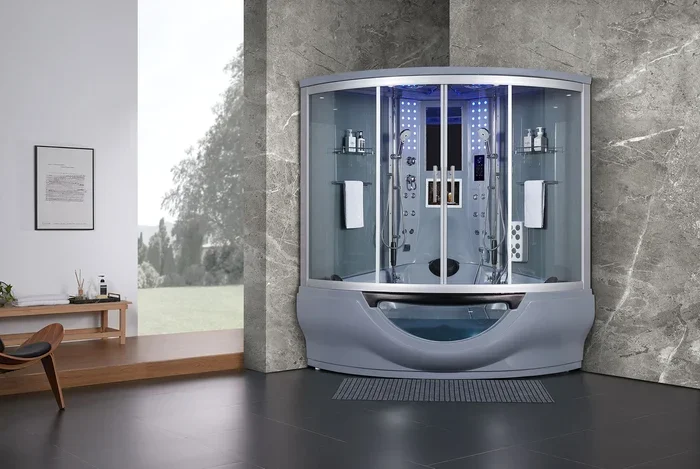
The steam head is the part you see inside your shower. It is usually mounted on the wall or ceiling and disperses the steam evenly throughout the enclosure. The generator does the heavy work, but the steam head ensures the steam reaches every corner of your shower space. Some premium units include multiple steam heads for larger enclosures.
Benefits of Installing a Steam Shower Generator
Adding a steam shower generator to your bathroom brings a long list of benefits. Here are the top reasons homeowners love these systems:
- Spa-Quality Relaxation at Home: You get the same calming steam experience as a luxury spa, without leaving your house. It is perfect for unwinding after a long day.
- Muscle and Joint Relief: Warm steam helps relax sore muscles, reduce joint stiffness, and ease tension. Athletes and anyone with an active lifestyle benefit greatly.
- Improved Circulation: The heat from steam causes blood vessels to dilate, promoting better blood flow throughout the body.
- Stress Reduction: Steam sessions lower cortisol levels and help your body relax. Many users report better sleep after a regular steam routine.
- Skin Health: The warm moisture opens pores and can help with skin hydration. It feels refreshing and can support clearer skin.
- Respiratory Relief: Steam inhalation helps ease congestion and supports clearer breathing, especially during cold and allergy seasons.
- Home Value: A well-installed steam shower adds value to your property. Buyers love spa-like bathroom features.
These benefits make a steam shower system one of the best home upgrades you can make. Whether you want to improve your wellness routine or simply enjoy a more luxurious bathroom, a steam generator delivers real results.
How to Choose the Right Steam Shower Generator
Picking the right steam shower generator depends on several factors. Not every unit fits every bathroom. Here is what you need to consider before buying.
1. Enclosure Size
The size of your shower enclosure determines how powerful your generator needs to be. A small shower stall requires a smaller unit, while a large walk-in shower needs a more powerful generator. Manufacturers usually list the recommended enclosure size for each model. Always match the generator to your space for the best results.
2. Wattage and Power
Steam generators range from about 1,500 watts to over 6,000 watts. Higher wattage means faster steam production and more consistent output. For most residential setups, a unit between 2,000 and 4,000 watts works well. If you have a larger enclosure or plan to use the steam feature frequently, consider a higher-wattage model.
For comparison, a typical electrical generator for home backup power operates at a much higher wattage range. Steam generators are far smaller and more specialized, which makes them energy-efficient for daily use.
3. Water Connection Type
Some generators connect directly to your plumbing, while others use a manual fill reservoir. Plumbed-in models are more convenient because they do not require you to refill water manually. Reservoir models work well for portable or retrofit setups where plumbing access is limited.
4. Control Options
Modern steam generators offer digital controls, touch panels, and even Wi-Fi connectivity. You can set steam levels, timers, and temperature preferences from a panel on the wall or through a smartphone app. Choose a control system that fits your comfort level and budget.
5. Safety Features
Look for units with automatic shutoff, overheat protection, and pressure relief valves. These safety features protect both you and your home. A reliable steam shower generator should meet all relevant electrical and plumbing safety standards.
Quick Comparison Table
| Feature | Small Units | Medium Units | Large Units |
|---|---|---|---|
| Enclosure Size | Up to 35 sq ft | 35–60 sq ft | 60+ sq ft |
| Wattage Range | 1,500–2,500W | 2,500–4,500W | 4,500–6,000W |
| Steam Time | 3–5 minutes | 4–7 minutes | 5–10 minutes |
| Control Type | Basic digital | Touch panel | Smart/Wi-Fi |
| Water Source | Manual or plumbed | Plumbed | Plumbed |
| Price Range | $300–$600 | $600–$1,200 | $1,200–$2,500+ |
Installation Tips for Your Steam Shower Generator
Installing a steam shower generator is a project that most homeowners can handle, especially during a bathroom renovation. However, proper installation is key to safety and performance. Here are some practical tips to keep in mind.
Hire a Professional for Plumbing and Electrical Work
While the generator unit itself is compact, the plumbing and electrical connections require professional expertise. A licensed plumber can connect the water line safely, and a qualified electrician ensures the wiring meets local codes. Trying to DIY these connections can lead to leaks, electrical hazards, or voided warranties.
Position the Generator Correctly
Most steam generators install inside the shower wall or in an adjacent utility closet. The unit should be accessible for maintenance but hidden from view. Make sure the location allows proper ventilation and is close to both the water supply and a power outlet.
Seal the Shower Enclosure Properly
Steam works best in a sealed environment. If your shower enclosure has gaps or leaks, the steam will escape and the unit will work harder to maintain pressure. Check the door seals, glass panels, and wall joints before you start using the generator regularly.
Consider the Water Quality
Hard water can cause mineral buildup inside the generator over time. If your home has hard water, consider installing a water softener or a built-in filtration system. This simple step extends the life of your steam shower unit and keeps the steam clean and fresh.
Check Manufacturer Guidelines
Every steam generator comes with specific installation instructions. Follow them closely. The manufacturer will specify minimum clearance distances, electrical requirements, and water pressure ranges. Ignoring these guidelines can lead to poor performance or premature wear.
Maintaining Your Steam Shower Generator
Regular maintenance keeps your steam shower generator running at peak performance. The good news is that upkeep is straightforward and does not require a lot of time.
Clean the Steam Head Regularly
Mineral deposits can build up on the steam head nozzles. Wipe them down weekly with a mild vinegar solution. This prevents clogging and ensures even steam distribution.
Descale the Unit Every 3–6 Months
Descaling removes mineral buildup from the internal heating elements. Most manufacturers recommend using a commercial descaling solution or a diluted white vinegar mixture. Run the unit through a full cycle with the cleaning solution, then flush with clean water.
Check Seals and Connections
Inspect the water connections and steam hose for leaks or wear. Tighten any loose fittings and replace worn seals promptly. A small leak can reduce steam output and waste water.
Replace Filters if Applicable
Some steam generators include water filters that need periodic replacement. Check your user manual for the recommended replacement schedule. Fresh filters keep the steam clean and protect the internal components.
Run a Test Cycle After Maintenance
After cleaning or replacing parts, run the generator for a few minutes to make sure everything works correctly. Listen for unusual sounds and check for proper steam output. This quick check catches small problems before they become big ones.
Proper maintenance also helps with generator testing and long-term reliability. A well-maintained unit can last 10 to 15 years or more, giving you many years of spa-quality showers at home.
Common Mistakes to Avoid
Even with the best intentions, some common mistakes can shorten the life of your steam shower generator. Here are a few to watch out for:
- Oversizing or Undersizing the Unit: A too-small generator will struggle to heat a large enclosure, while a too-big unit wastes energy. Always match the generator to your shower size.
- Skipping Descaling: Mineral buildup is the number one enemy of steam generators. Skipping regular descaling leads to reduced performance and eventual breakdowns.
- Ignoring Water Quality: Hard water causes scale buildup faster than soft water. If you live in a hard water area, take extra steps to protect your unit.
- Poor Enclosure Sealing: A leaky shower enclosure lets steam escape and forces the generator to work harder. Seal gaps before use.
- Using the Generator Beyond Recommended Run Times: Most units have a maximum continuous run time. Exceeding it can overheat the unit and reduce its lifespan.
Final Thoughts
A steam shower generator is one of the best home upgrades you can make for your health, relaxation, and daily routine. It brings a true spa experience into your bathroom without the cost and hassle of visiting a wellness center regularly. The technology is mature, the units are reliable, and the benefits are real.
Whether you are building a new bathroom or upgrading an existing one, a steam shower system adds value, comfort, and luxury to your home. Take your time choosing the right unit, follow proper installation and maintenance practices, and you will enjoy steam showers for many years to come.
If you are curious about how different types of generators compare, check out our guide on electrical generators for a broader look at generator technology. Understanding how fuel consumption works can also help you make a smart choice, so you may want to read up on how much natural gas a generator uses if you are comparing energy options. Finally, always make sure your unit is properly maintained, and for tips on keeping any generator in top shape, explore our generator testing resources.
Frequently Asked Questions
What size steam shower generator do I need?
The size depends on your shower enclosure. Small stalls under 35 square feet work well with a 1,500 to 2,500-watt unit. Larger walk-in showers between 35 and 60 square feet need a 2,500 to 4,500-watt generator. For enclosures over 60 square feet, look at units rated 4,500 watts or higher. Always check the manufacturer’s recommended enclosure size before purchasing.
How long does it take for a steam shower generator to heat up?
Most steam shower generators reach full output in three to ten minutes. The exact time depends on the unit’s wattage and the size of your shower enclosure. Smaller units heat up faster, while larger units take a bit longer to fill the space with steam.
Can I install a steam shower generator myself?
You can handle the unit placement and basic setup, but plumbing and electrical connections should be done by a licensed professional. Improper connections can cause leaks, electrical hazards, or void your warranty. Hiring a pro ensures safe and code-compliant installation.
How much does a steam shower generator cost?
Prices range from around $300 for basic small units to over $2,500 for large premium models. The cost depends on wattage, control features, water connection type, and brand. Most homeowners spend between $600 and $1,200 for a quality mid-range unit that suits a standard bathroom.
Is a steam shower generator energy efficient?
Yes, modern steam shower generators are quite energy efficient. They use far less electricity than a whole-home electrical generator because they only heat a small amount of water at a time. Many models include eco modes and timers that help reduce energy consumption even further.
How often should I descale my steam shower generator?
Descale your unit every three to six months, depending on your water hardness. If you live in an area with hard water, you may need to descale more frequently. Regular descaling prevents mineral buildup, keeps steam output strong, and extends the life of your generator.
=== CONCLUSION ===
A steam shower generator is a simple yet powerful addition to any bathroom. It brings the comfort and health benefits of a steam bath into your own home. From choosing the right size to maintaining the unit properly, this guide has covered everything you need to know. Start your journey toward spa-quality showers today and enjoy the difference a great steam system makes.