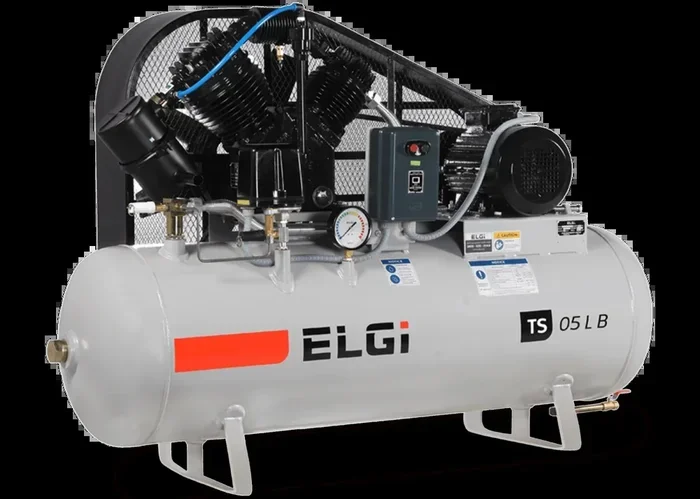
Is a Compressor a Motor or Something Else Entirely
No, a compressor is not a motor. A compressor compresses gas or air, while a motor converts energy into motion. They work together but serve completely different purposes. Understanding this difference helps you choose the right equipment for your needs, whether you are running tools at home or powering industrial systems.
This is a comprehensive guide about is a compressor a motor.
Key Takeaways
- A compressor is not a motor: They are distinct machines with different functions and mechanisms.
- They work as a team: Most compressors rely on a motor or engine to drive their compression process.
- Multiple compressor types exist: Rotary, reciprocating, and centrifugal compressors each serve unique roles.
- Motor types matter: Electric motors and gas engines are the most common power sources for compressors.
- Sizing is critical: Choosing the right compressor and motor combo depends on your specific application and power needs.
- Maintenance differs: Compressors and motors each require their own care routines to last longer.
[FEATURED_IMAGE_PLACEHOLDER]
Is a Compressor a Motor or Something Else Entirely?
Many people assume a compressor and a motor are the same thing. After all, they both involve moving parts and energy. But here is the truth: a compressor is not a motor. They are two separate machines that do two very different jobs. A compressor squeezes air or gas into a smaller space. A motor turns electrical or fuel energy into rotational motion. When you put them together, you get a powerful machine that can run tools, inflate tires, and much more.
This guide breaks down the differences in plain language. You will learn how each machine works, why they are not the same, and how to choose the right one for your needs. Whether you are a homeowner, a DIYer, or a shop owner, this article has you covered.
What Is a Compressor?
A compressor is a device that takes in air or gas and squeezes it into a smaller volume. This process increases the pressure of the gas. Compressed air stores energy that can be used for a wide range of tasks. Think of it like squeezing a balloon — the more you squeeze, the more pressure builds up inside.
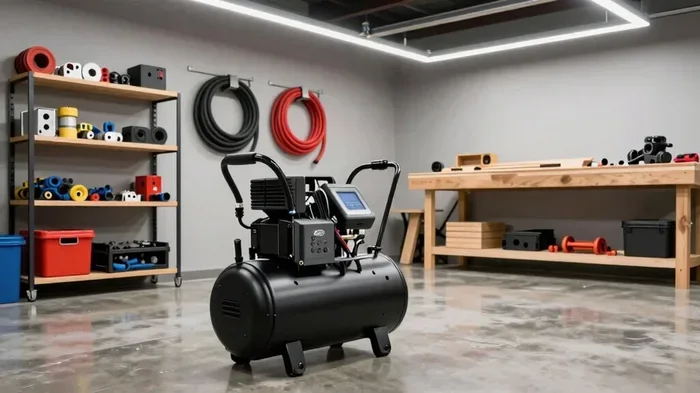
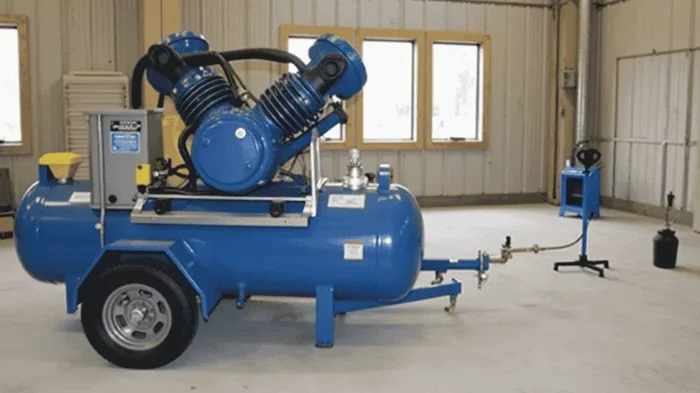
Compressors are everywhere. You find them in garages, construction sites, factories, and even in your kitchen refrigerator. They come in many shapes and sizes. Some are small enough to fit on a workbench. Others are massive machines that fill entire rooms.
How Does a Compressor Work?
A compressor pulls in air or gas through an inlet valve. Inside, a mechanism reduces the volume of that air. This raises the pressure. The compressed air then flows through an outlet valve into a tank or directly to a tool. The whole process relies on mechanical motion, but the compressor itself does not create that motion. It needs an outside source of power.
Here are the main types of compressors you will encounter:
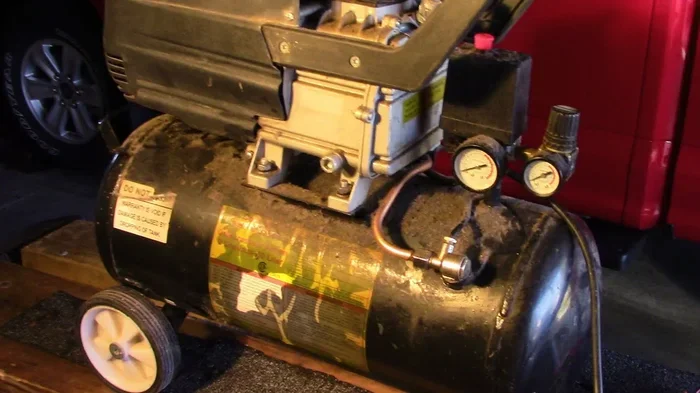
- Reciprocating compressors: These use a piston that moves back and forth inside a cylinder. They are common in home garages and small shops.
- Rotary screw compressors: These use two spinning screws to compress air. They are popular in industrial settings because they run smoothly and steadily.
- Centrifugal compressors: These use a spinning impeller to fling air outward, creating high pressure. They are typically found in large-scale applications like power plants.
- Portable compressors: These are compact, lightweight units designed for on-the-go use. They are great for inflating tires or running small pneumatic tools.
Each type serves a specific purpose. The right choice depends on your compressed air needs, the tools you plan to run, and how much horsepower you require.
What Is a Motor?
A motor is a machine that converts energy into motion. Most motors you encounter turn electrical energy into rotational movement. That spinning motion can then drive a pump, a fan, a wheel, or in the case of a compressor, a compression mechanism.
Motors are the workhorses of modern life. They run your washing machine, your refrigerator, your car, and countless other devices. Without motors, most of the machines we rely on every day would not work.
Types of Motors
Not all motors are the same. Here are the most common types:
- Electric motors: These use electricity to create rotational motion. They are clean, efficient, and easy to control. Most home and workshop compressors use electric motors.
- Gas engines: These burn fuel like gasoline or propane to create motion. They are common in larger, portable compressors where electricity is not available.
- Diesel motors: Similar to gas engines but more fuel-efficient. They are often used in heavy-duty industrial compressors.
The key point to remember is that a motor creates motion. It does not compress air on its own. It needs to be connected to a compressor mechanism to do that job.
How Compressors and Motors Work Together
Now that you know what each machine does, let us talk about how they work together. In most setups, a motor provides the power, and the compressor does the compressing. The motor spins a shaft, which drives the compressor’s internal mechanism — whether that is a piston, a screw, or an impeller.
Think of it like a car. The engine creates the power, and the wheels use that power to move. The compressor is like the wheel, and the motor is like the engine. One cannot do the job without the other in most cases.
Motor-Driven Compressor Setups
When you buy a compressor, you are usually buying a motor-compressor combo. The manufacturer has already matched the right motor to the right compressor. This is important because the motor needs enough power to drive the compressor at the right speed. If the motor is too weak, the compressor will not build enough pressure. If the motor is too strong, you waste energy and money.
Here are some things to keep in mind when matching a motor to a compressor:
- Horsepower rating: This tells you how much power the motor can deliver. Higher horsepower means the compressor can handle heavier workloads.
- Voltage requirements: Make sure your motor matches your power supply. A 120-volt motor will not work in a 240-volt setup without modification.
- Duty cycle: This is how long the motor can run continuously before it needs to cool down. Intermittent duty motors are fine for light home use. Continuous duty motors are better for shops and factories.
Key Differences Between a Compressor and a Motor
It is easy to confuse these two machines, especially since they often come packaged together. But they are fundamentally different. Here is a side-by-side look at what sets them apart.
Function
A motor creates motion. A compressor creates pressure. That is the single biggest difference. A motor spins. A compressor squeezes. They are not interchangeable, even though they often work side by side.
Energy Conversion
A motor takes electrical or fuel energy and turns it into mechanical motion. A compressor takes that mechanical motion and uses it to increase the pressure of a gas. Each machine converts energy, but in different ways and for different purposes.
Components
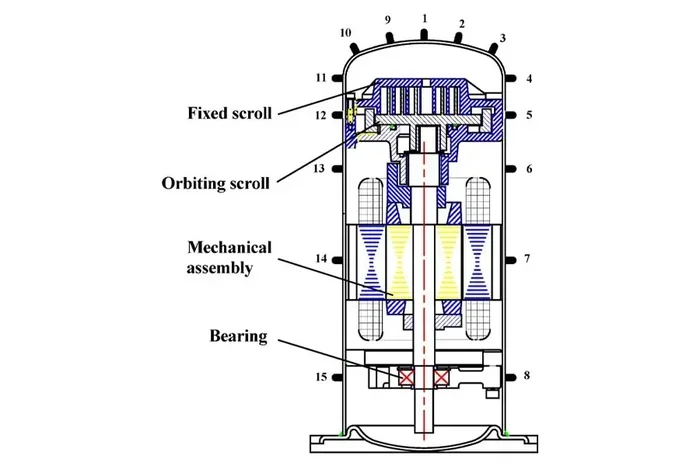
A motor has parts like a stator, rotor, bearings, and a shaft. A compressor has parts like cylinders, pistons, valves, and tanks. The components are completely different because the jobs are completely different.
Maintenance Needs
Both machines need regular care, but the maintenance looks different. Motors need lubrication, belt checks, and electrical inspections. Compressors need valve maintenance, tank inspections, and air filter changes. Keeping up with both is essential for long equipment life.
If you are running your compressor off a generator, you also need to make sure the generator can handle the load. Check how much gas a generator uses and how long it can run to plan your work sessions effectively.
Can a Compressor Run Without a Motor?
In most cases, no. A compressor needs a power source to drive its internal mechanism. That power source is almost always a motor or an engine. Without it, the compressor sits there doing nothing. However, there are a few exceptions worth mentioning.
Some compressed air systems use energy storage. For example, a system might use a motor to compress air during off-peak hours and then release that stored air when needed. But even in these cases, a motor is still involved in the process. The compressor always needs something to power it.
If you are looking for a portable compressor for jobs away from power outlets, you will want one with a gas engine built in. These self-contained units have both the motor and the compressor in one frame. They are perfect for construction sites, outdoor events, and remote locations.
On the other hand, if you are setting up a shop or home workshop, an electric motor-driven compressor is usually the best choice. They are quieter, cleaner, and cheaper to run. Just make sure your electrical panel can handle the load. You may need to wire a generator to a breaker box if you plan to use a backup power source.
How to Choose the Right Compressor and Motor Combo
Choosing the right setup can feel overwhelming, but it does not have to be. Start by asking yourself a few simple questions. What tools will you run? How much air pressure do they need? How often will you use the compressor? Your answers will guide you to the right size and type.
Match the Compressor to Your Tools
Every pneumatic tool has a CFM (cubic feet per minute) rating. This tells you how much air it needs to operate. Add up the CFM requirements of all the tools you plan to use at the same time. Then choose a compressor that can deliver at least that much air. It is always better to have a little extra capacity than to run short.
Consider the Power Source
Electric motors are great for indoor use. They are quiet and do not produce fumes. Gas engines are better for outdoor and remote jobs. If you are unsure, an electric compressor is a safe bet for most home and workshop applications.
Also think about the size generator to run a house if you plan to use your compressor during power outages. A small compressor may run fine on a portable generator, but a large industrial unit might need a standby generator with much higher output.
Think About Long-Term Costs
A cheaper compressor with a weak motor might save you money upfront. But it could cost more in the long run through higher energy bills, frequent repairs, and shorter lifespan. Invest in quality. Look for a well-known brand with solid reviews and a good warranty.
Common Mistakes People Make With Compressors and Motors
Even experienced users make mistakes. Here are a few to avoid:
- Undersizing the motor: A motor that is too small will overheat and burn out quickly. Always check the horsepower requirements before buying.
- Ignoring the duty cycle: Running a motor beyond its rated duty cycle causes premature wear. Let it cool down between heavy use sessions.
- Skipping regular maintenance: Neglecting oil changes, filter replacements, and belt inspections leads to costly breakdowns.
- Using the wrong power source: Plugging a 240-volt motor into a 120-volt outlet will damage the motor. Always double-check your electrical setup.
- Confusing compressor and motor terms: Salespeople sometimes blur the lines. Know the difference so you get exactly what you need.
One mistake that catches people off guard is not planning for fuel costs. If you are running a gas-powered compressor or using a generator to power an electric one, fuel expenses add up. Learn how much gas a generator uses so you can budget properly.
Expert Insights on Compressor and Motor Selection
Industry professionals agree on a few key principles when selecting compressor and motor setups. First, always buy more capacity than you currently need. Your needs may grow, and having extra headroom prevents the headache of upgrading later. Second, prioritize energy efficiency. A slightly more expensive motor that uses less electricity can save you hundreds of dollars over its lifetime.
Third, do not ignore the environment where the compressor will operate. Dusty, humid, or extremely hot conditions require special considerations. You may need extra filtration, cooling, or weather protection. And finally, if you are ever unsure about wiring or electrical connections, hire a licensed professional. Safety always comes first.
Conclusion
So, is a compressor a motor? The answer is a clear no. A compressor compresses air or gas. A motor creates motion. They are two different machines that work beautifully together. Understanding this distinction helps you make smarter buying decisions, maintain your equipment properly, and get the best performance from every job.
Whether you need a small portable unit for home use or a large industrial setup for a workshop, knowing the difference between a compressor and a motor puts you ahead. Take the time to match the right compressor with the right motor. Consider your power needs, your tools, and your budget. The right combination will serve you well for years to come.
Remember, your compressor and motor are only as good as the care you give them. Keep up with maintenance, use the right fuel or power source, and never run beyond the recommended capacity. With the right setup and a little attention, your compressor-motor system will keep running smoothly no matter what you throw at it.
Frequently Asked Questions
Can a compressor work without a motor?
In almost all cases, no. A compressor needs a power source to drive its compression mechanism. That power source is typically a motor or an engine. Without it, the compressor cannot pull in or compress air or gas.
Is a compressor engine the same as a motor?
Not exactly. People often use the words “engine” and “motor” interchangeably, but technically a motor converts energy into motion while an engine burns fuel to create motion. A compressor engine is a type of motor that powers a compressor, but the compressor itself is still a separate machine.
What size motor do I need for my compressor?
The right motor size depends on your compressor’s horsepower requirements and the tools you plan to run. Check the CFM and PSI ratings of your tools, then match them to a compressor with a motor that can deliver enough power. When in doubt, go one size up for future flexibility.
Can I run a compressor off a portable generator?
Yes, you can run a compressor off a portable generator, but you need to make sure the generator has enough wattage. A small compressor may run fine on a 2000-watt unit, while larger compressors need more power. Check your compressor’s motor requirements and choose a generator accordingly.
How often should I maintain my compressor motor?
Regular maintenance is key. Check the oil level every few uses, replace air filters monthly, and inspect belts and hoses for wear. A well-maintained motor and compressor combo can last for many years, while a neglected one may fail prematurely.
Are electric or gas compressors better?
It depends on your use case. Electric compressors are quieter, cleaner, and cheaper to run, making them ideal for home and indoor shop use. Gas compressors offer more portability and power, which makes them better for construction sites and remote locations. Choose based on where and how you plan to use the compressor.
Frequently Asked Questions
What is is a compressor a motor?
is a compressor a motor is an important topic with many practical applications.