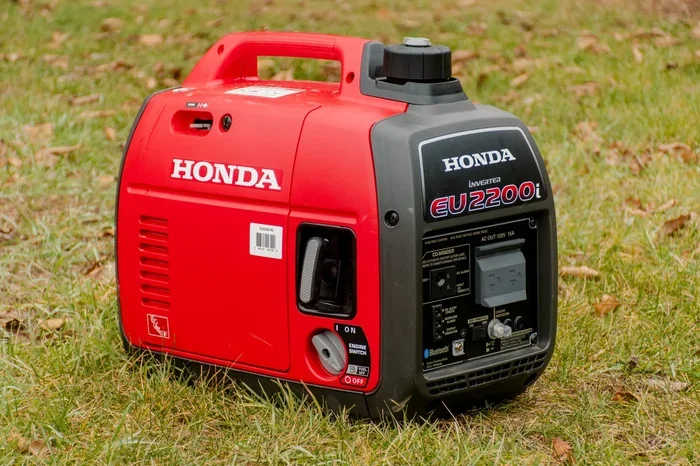
Is a 1000 Watt Generator Right for Your Power Needs
A 1000 watt generator is a compact, portable power solution perfect for camping, tailgating, and running small household appliances. It delivers enough electricity for essentials like lights, phones, and a small fridge, but it cannot handle heavy-duty tools or large HVAC systems. This guide breaks down everything you need to know about a 1000 watt generator so you can make a smart buying decision.
A 1000 watt generator might be small in size, but it packs a punch when it comes to portable power. Whether you are camping in the woods, tailgating at a football game, or preparing for a minor power outage, this little machine can keep your essentials running. But the real question is, is a 1000 watt generator right for you?
Many people assume all generators are big, loud, and expensive. The truth is, a small 1000 watt generator can handle a surprising number of devices. It is lightweight, easy to carry, and simple to use. In this guide, we will walk you through everything you need to know. We will cover what a 1000 watt generator can power, its pros and cons, how to choose the right one, and tips for safe operation. Let us dive in.
Key Takeaways
- Compact and Portable: A 1000 watt generator is lightweight and easy to transport, making it ideal for outdoor adventures and emergency backup.
- Limited Power Output: It works well for small appliances and electronics but cannot power large household systems or heavy tools.
- Fuel Efficient: These generators use less fuel, which keeps operating costs low and runtime reasonable on a single tank.
- Affordable Option: A 1000 watt generator is budget-friendly compared to larger standby or portable generators.
- Great for Beginners: Easy to operate with minimal setup, making it a perfect entry-level generator for first-time users.
- Know Your Wattage Needs: Understanding running wattage versus surge wattage helps you choose the right generator size.
- Safety Matters: Always follow safety guidelines like proper ventilation and grounding to prevent accidents.
📑 Table of Contents
- What Is a 1000 Watt Generator?
- What Can a 1000 Watt Generator Run?
- Pros and Cons of a 1000 Watt Generator
- How to Choose the Right 1000 Watt Generator
- Common Uses for a 1000 Watt Generator
- Safety Tips for Using a 1000 Watt Generator
- Generator Testing and Maintenance Tips
- How Does a 1000 Watt Generator Compare to Other Sizes?
- How Much Does a 1000 Watt Generator Cost?
- Final Thoughts: Is a 1000 Watt Generator Right for You?
What Is a 1000 Watt Generator?
A 1000 watt generator is a small portable power unit that produces up to 1000 watts of electrical power. It runs on gasoline, propane, or sometimes battery power. These generators are designed for light-duty tasks and personal use. They are not built for heavy construction or whole-home backup.
Think of a 1000 watt generator as the compact car of the generator world. It gets the job done for everyday needs without the bulk or cost of a larger model. Most units weigh between 25 and 50 pounds, which makes them easy to move around. You can carry one by hand or strap it to a small trailer.
The power output of a 1000 watt generator is measured in watts. There are two types of watt ratings you should know. Running wattage is the continuous power the generator provides. Surge wattage is the extra power it can deliver for a short burst, usually when starting a motor. A 1000 watt generator typically offers around 800 to 1000 running watts and up to 1200 surge watts.
How Does a 1000 Watt Generator Work?
Inside a 1000 watt generator, a small engine spins an alternator. This process converts mechanical energy into electrical energy. The engine runs on fuel, and the alternator produces alternating current (AC) power. Some models include a converter that turns AC power into direct current (DC) for charging devices like phones and laptops.
Most modern 1000 watt generators use inverter technology. This means they produce clean, stable power that is safe for sensitive electronics like laptops and cameras. Older or cheaper models may produce “dirty” power that can damage delicate devices. Always check for an inverter model if you plan to power electronics.
What Can a 1000 Watt Generator Run?
This is the most common question people ask. The answer depends on the wattage of each device you want to power. A 1000 watt generator has a limited capacity, so you need to be smart about what you plug in. Let us look at some common items and their wattage needs.
Appliances a 1000 Watt Generator Can Handle
Here are some devices that work well on a 1000 watt generator:
- LED Lights: Uses 10 to 30 watts each. You can run several lights at once.
- Laptop Computer: Uses 50 to 100 watts. Perfect for working remotely.
- Phone Charger: Uses 5 to 15 watts. You can charge multiple phones.
- Small Fan: Uses 30 to 50 watts. Great for cooling on hot days.
- Small Refrigerator: Uses 100 to 200 watts running, with a higher surge. This is a popular camping use.
- WiFi Router: Uses 5 to 20 watts. Keeps you connected.
- Portable Speaker or TV: Uses 20 to 100 watts depending on size.
What a 1000 Watt Generator Cannot Run
Now let us talk about what this generator cannot handle. A 1000 watt generator is not powerful enough for heavy-duty appliances or tools. Here are some items that will exceed its capacity:
- Central Air Conditioner: Needs 2000 to 5000 watts.
- Electric Stove or Oven: Needs 2000 to 3000 watts.
- Washing Machine: Needs 1000 to 1500 watts.
- Large Power Tools: Like table saws or compressors that need 1500+ watts.
- Space Heater: Uses 1000 to 1500 watts on its own.
As a rule of thumb, always add up the wattage of all devices you plan to run at the same time. If the total exceeds 1000 watts, you will overload the generator. This can trip the breaker or damage the unit.
Pros and Cons of a 1000 Watt Generator
Every generator has strengths and weaknesses. A 1000 watt generator is no different. Let us break down the advantages and disadvantages so you can decide if it fits your needs.
Advantages
- Lightweight and Portable: Most units weigh under 50 pounds. You can take them anywhere.
- Affordable Price: These generators cost between $100 and $400, making them budget-friendly.
- Fuel Efficient: A small engine uses less fuel. A 1000 watt generator can run for 6 to 10 hours on a single tank.
- Quiet Operation: Many models are designed to be quiet, under 60 decibels. This is great for campgrounds.
- Easy to Use: Plug and play setup with no complex wiring needed.
- Low Maintenance: Fewer moving parts mean less upkeep over time.
Disadvantages
- Limited Power: Cannot run large appliances or multiple heavy devices at once.
- Short Runtime on Heavy Loads: Running near full capacity drains fuel faster.
- Not Suitable for Whole-House Backup: A 1000 watt generator cannot power a home during a major outage.
- Noisy Under Load: Even quiet models get louder when running at full capacity.
- Limited Outlets: Most models have only two to four outlets, which can be limiting.
How to Choose the Right 1000 Watt Generator
Not all 1000 watt generators are created equal. There are several factors to consider before you buy. Here is what to look for.
Fuel Type
The most common fuel types are gasoline, propane, and dual-fuel. Gasoline is the most widely available and easiest to find. Propane burns cleaner and stores longer. Dual-fuel models let you switch between the two. Choose the fuel type that fits your situation and local availability.
Inverter vs. Conventional
Inverter generators produce clean power that is safe for sensitive electronics. Conventional generators produce raw power that works fine for lights and basic tools but may harm laptops or phones. For most users, an inverter 1000 watt generator is the better choice.
Runtime and Fuel Tank Size
Check the runtime rating at 25%, 50%, and 100% load. A generator that runs 8 hours at 25% load may only run 3 hours at full load. If you need longer runtime, look for a model with a larger fuel tank or a fuel-efficient engine.
Noise Level
If you plan to use the generator at a campsite or in a neighborhood, noise matters. Look for models rated at 55 decibels or lower. Some premium inverter generators run as quiet as 48 decibels, which is about the level of a normal conversation.
Portability and Weight
Check the weight and handle design. Some models come with wheels and a folding handle for easy transport. If you carry the generator on foot, lighter is better. A unit under 30 pounds is ideal for backpacking or hiking trips.
Outlet Options
Make sure the generator has the outlets you need. Most 1000 watt generators include standard 120V outlets. Some also have USB ports for charging phones directly. A 12V DC outlet is useful for car accessories or battery charging.
Common Uses for a 1000 Watt Generator
A 1000 watt generator is versatile. Here are some of the most popular ways people use them.
Camping and Outdoor Adventures
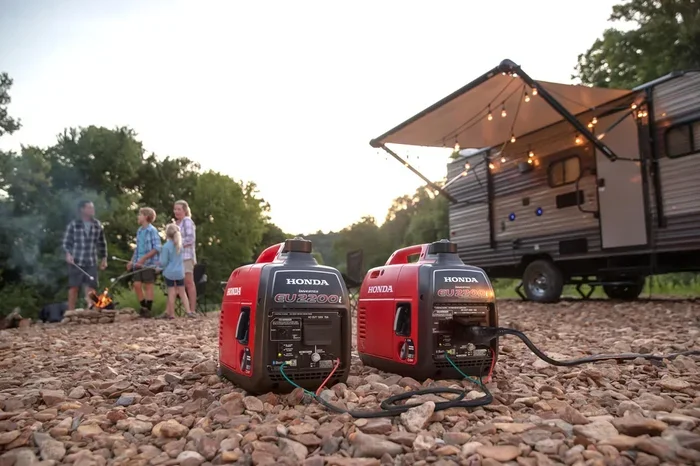
Campers love a 1000 watt generator because it is light and quiet. It can power a small camping fridge, charge phones and cameras, run LED lights, and keep the WiFi router going. It is the perfect size for a weekend trip with one or two people.
Tailgating and Outdoor Events
Need to power a grill, speaker system, or lights at a tailgate? A 1000 watt generator handles all of this easily. It is compact enough to fit in a truck bed or SUV trunk without taking up much space.
Emergency Backup for Essentials
During a short power outage, a 1000 watt generator can keep your refrigerator running, charge your devices, and power a few lights. It will not run your entire house, but it covers the essentials until power returns.
Job Sites and Small Projects
For DIYers and contractors, a 1000 watt generator works on small job sites. It can power hand tools, a radio, and work lights. It is not strong enough for large power tools, but it handles light-duty tasks well.
Remote Work and Off-Grid Living
People who work remotely from cabins or RVs often use a 1000 watt generator. It provides enough power for a laptop, monitor, internet router, and a small heater or fan. It is a reliable off-grid power source for short periods.
Safety Tips for Using a 1000 Watt Generator
Generators are safe when used correctly. But misuse can lead to serious dangers. Follow these safety tips every time you use your generator.
Never Use It Indoors
A generator produces carbon monoxide, which is a deadly, odorless gas. Always run it outside in a well-ventilated area. Never use it in a garage, tent, or closed porch, even with the door open.
Keep It Dry
Water and electricity do not mix. Operate the generator on a dry surface under a canopy or cover. Never touch it with wet hands. This prevents electric shock and short circuits.
Use Proper Extension Cords
Use heavy-duty extension cords rated for outdoor use. Check the cord gauge to make sure it can handle the wattage. A cord that is too thin can overheat and cause a fire.
Do Not Overload the Generator
Adding up the wattage of all connected devices. If the total exceeds 1000 watts, you risk tripping the breaker or damaging the generator and your appliances. Spread the load across multiple circuits if possible.
Let the Generator Cool Before Refueling
Never add fuel while the engine is running or hot. Hot engine parts can ignite gasoline vapors. Turn off the generator, wait 10 minutes, and then refuel safely.
Ground the Generator Properly
Follow the manufacturer’s instructions for grounding. Proper grounding prevents electrical shocks and ensures safe operation. Use a grounding rod if required by your model.
Generator Testing and Maintenance Tips
Keeping your 1000 watt generator in good shape ensures it starts when you need it most. Regular maintenance goes a long way toward extending its lifespan.
Start by checking the oil level before every use. Change the oil after the first 5 hours of use, then every 50 hours after that. Replace the air filter regularly, especially if you use the generator in dusty conditions. A dirty air filter reduces engine performance and fuel efficiency.
Store fuel in a clean, sealed container. Old gasoline can go bad in 30 days and cause starting problems. Use a fuel stabilizer if you plan to store the generator for more than a month. Run the generator for 15 minutes every few months to keep the engine in good condition, even if you are not using it often.
If you are new to generators, consider visiting a guide on generator testing to learn more about checking output voltage and ensuring your unit is performing correctly. Also, if you are trying to figure out how big of a generator you actually need, check out this helpful guide on how big of a backup generator do I need to understand sizing better.
For those curious about fuel consumption, understanding how much fuel your unit uses can help with planning. A quick read on how much natural gas a generator uses gives you insight into fuel costs and efficiency across different generator types.
How Does a 1000 Watt Generator Compare to Other Sizes?
Not sure if a 1000 watt generator is the right size? Here is how it compares to other common generator sizes.
| Generator Size | Running Watts | Best For | Weight |
|---|---|---|---|
| 500W Generator | 400W | Charging phones, small lights | 10-20 lbs |
| 1000W Generator | 800-1000W | Camping, small appliances, backup essentials | 25-50 lbs |
| 2000W Generator | 1600-2000W | RVs, larger appliances, job sites | 45-70 lbs |
| 3000W+ Generator | 2500-3000W+ | Whole-home backup, heavy tools | 80+ lbs |
As you can see, a 1000 watt generator sits in the sweet spot for portability and usefulness. It is bigger than a tiny 500-watt unit but much lighter and cheaper than a 3000-watt model. For most casual users, it hits the right balance.
How Much Does a 1000 Watt Generator Cost?
The price of a 1000 watt generator varies based on brand, features, and fuel type. Basic conventional models start around $100 and go up to $200. Inverter models with quieter operation and cleaner power range from $200 to $400. Dual-fuel models that run on both gasoline and propane tend to cost a bit more, usually between $250 and $450.
While a 1000 watt generator is affordable upfront, consider the long-term costs too. Fuel, oil changes, and occasional part replacements add up over time. However, these costs are much lower than what you would pay for a larger generator.
If you are also interested in other types of power equipment, you might want to explore options like a portable electrical generator for broader use cases, or check out more specialized tools depending on your needs.
Final Thoughts: Is a 1000 Watt Generator Right for You?
A 1000 watt generator is a fantastic choice for anyone who needs lightweight, affordable, and reliable portable power. It is perfect for camping, outdoor events, short-term backup, and small job sites. It cannot power your entire house or run heavy machinery, but for its size and price, it delivers excellent value.
Before buying, make a list of the devices you want to power. Add up their wattage. If the total stays under 1000 watts, you are in good shape. Choose an inverter model for clean power, check the runtime at your expected load, and pick a unit that is easy for you to carry.
Remember to follow all safety guidelines. Never use the generator indoors, keep it dry, and do not overload it. With proper care and maintenance, a 1000 watt generator will serve you well for many years.
So, is a 1000 watt generator right for your power needs? If you want a simple, portable, and budget-friendly power solution, the answer is a strong yes. It may not be the most powerful machine on the market, but for the right use case, it is hard to beat.
Frequently Asked Questions
Can a 1000 watt generator power a refrigerator?
Yes, a 1000 watt generator can power a small refrigerator. A compact fridge uses about 100 to 200 watts while running, with a higher surge when the compressor kicks in. Make sure the total surge wattage stays within the generator’s limits, and avoid running other high-watt devices at the same time.
How long can a 1000 watt generator run on a full tank?
Runtime varies by model and load. Most 1000 watt generators run for 6 to 10 hours at 25% to 50% load. At full load, runtime drops to about 3 to 5 hours. Check the manufacturer’s specifications for exact runtime numbers before purchasing.
Is a 1000 watt generator loud?
It depends on the model. Conventional generators tend to be louder, around 65 to 75 decibels. Inverter models are much quieter, often between 48 and 60 decibels. If noise is a concern, choose an inverter 1000 watt generator for a quieter experience.
Can I use a 1000 watt generator for home backup?
A 1000 watt generator can handle essential items like lights, phones, and a small fridge during a short outage. However, it cannot power your entire home or run central heating and air conditioning. It is best suited for targeted backup of a few key devices.
What fuel does a 1000 watt generator use?
Most 1000 watt generators run on regular gasoline. Some models are dual-fuel, meaning they can also run on propane. Battery-powered 1000 watt generators exist too, but they are less common and typically have shorter runtime. Gasoline remains the most popular and accessible fuel option.
Do I need a permit to use a 1000 watt generator?
Permit requirements vary by location and use case. For personal and recreational use, most areas do not require a permit. However, if you plan to use a generator commercially or as a permanent backup for a home or business, check your local regulations. Some areas have noise ordinances or emissions rules that apply.