Air Compressor Sizing How To Find Your Perfect Size
Air compressor sizing is the process of matching your compressor to the tools and tasks you actually need it for. Getting the right size saves energy, money, and prevents frustrating downtime. This guide walks you through every step, from understanding CFM and PSI to choosing between portable and industrial units.
Key Takeaways
- CFM and PSI are the two most important numbers to consider when sizing your compressor.
- Undersizing leads to poor performance, while oversizing wastes energy and money.
- Duty cycle matters more than most people realize for continuous-use applications.
- Tank size affects tool performance and compressor longevity in real-world use.
- Always add a buffer to your calculated air demand to handle peak usage.
- Portable compressors work great for home and light-duty tasks, while industrial models handle heavy production needs.
- Matching your compressor to the right tools is the key to long-term satisfaction.
📑 Table of Contents
- What Is Air Compressor Sizing and Why Does It Matter?
- Understanding CFM and PSI: The Two Numbers That Drive Everything
- How to Calculate Your Air Demand
- Common Air Compressor Sizes and What They Are Best For
- Compressor Type Matters: Reciprocating vs. Rotary Screw
- Matching Power Requirements and Electrical Considerations
- Common Mistakes to Avoid When Sizing Your Compressor
- How to Choose the Right Compressor for Your Specific Needs
- Conclusion
What Is Air Compressor Sizing and Why Does It Matter?
Air compressor sizing is the process of choosing a unit that delivers the right amount of air at the correct pressure for your specific needs. Think of it like picking the right engine for a car. Too small and it struggles. Too big and you waste fuel. The same principle applies here.
When you get your air compressor sizing right, everything runs smoother. Your tools perform better. Your energy bills stay lower. And your compressor lasts longer. Getting it wrong, on the other hand, can cause a world of frustration.
Many people buy compressors based on price alone. That is a mistake. A cheap compressor that does not meet your air demand will cost you more in the long run. You will deal with downtime, poor tool performance, and premature wear. The goal is to find the sweet spot where capacity meets need.
Whether you are a DIYer in your garage or running a full shop, this guide covers everything you need. We will break down the technical terms, walk you through the calculations, and help you avoid the most common pitfalls. By the end, you will know exactly how to find your perfect compressor size.
Why Most People Get Compressor Sizing Wrong
Here is the truth. Most people do not understand what compressor sizing really means. They see a tank size or a horsepower number and think that is enough to make a decision. It is not. Those numbers only tell part of the story.
The real question is: how much air do your tools need, and how fast do they need it? That is what determines the right compressor capacity for your situation. Once you understand this, the entire process becomes much clearer.
Understanding CFM and PSI: The Two Numbers That Drive Everything
Every air tool has two key requirements. The first is CFM, which stands for cubic feet per minute. This tells you how much air the tool consumes. The second is PSI, or pounds per square inch. This tells you how much pressure the tool needs to operate.
These two numbers form the foundation of air compressor sizing. If you do not know them, you cannot make a smart purchase. Let us break each one down.
What Is CFM and Why Does It Matter?
CFM measures the volume of air flowing through your system per minute. Different tools need different amounts. A nail gun might need only 2 CFM. A sandblaster could demand 15 CFM or more. When you are doing compressor sizing, you must add up the CFM requirements of all the tools you plan to use at the same time.
Here is a quick look at common tools and their typical CFM needs:
- Brad nailer: 0.3 to 0.5 CFM
- Impact wrench: 4 to 5 CFM
- Angle grinder: 5 to 8 CFM
- Sandblaster: 10 to 15 CFM
- Paint sprayer: 8 to 12 CFM
Notice how wide the range is. This is exactly why compressor selection requires some homework. You cannot guess. You need to know what you are running.
What Is PSI and How Does It Affect Performance?
PSI measures the pressure of the compressed air. Think of it as the force behind the air. Some tools need high pressure to work correctly. Others run fine at lower levels. When you are working on compressor power decisions, PSI is just as important as CFM.
Most common pneumatic tools operate between 90 and 100 PSI. Heavy-duty applications may require 150 PSI or more. Always check the tool manufacturer’s specifications. Running a tool below its required PSI means poor performance. Running far above it can damage the tool.
SCFM vs. CFM: What Is the Difference?
You will also see the term SCFM, which stands for standard cubic feet per minute. This is a measured value at standard conditions. Actual CFM can vary based on temperature, humidity, and altitude. For practical air compressor sizing, SCFM gives you a more reliable baseline. Use SCFM numbers whenever possible when comparing compressor ratings.
How to Calculate Your Air Demand
Now that you understand CFM and PSI, let us talk about how to calculate your actual air demand. This is the step most people skip, and it is the most important one.
Step-by-Step Calculation Process
Follow these steps to determine your air demand accurately:
- List every tool you will use simultaneously. Write down each tool and its CFM requirement at the PSI it operates.
- Add up the total CFM. This gives you the baseline air demand for your peak usage scenario.
- Add a 25 to 30 percent buffer. This accounts for air losses in hoses, fittings, and leaks. It also gives you room for unexpected demands.
- Match the result to compressor ratings. Look for a compressor that delivers at least your total CFM at the required PSI.
Let us say you run an impact wrench at 5 CFM and a paint sprayer at 10 CFM at the same time. Your total is 15 CFM. Add 30 percent and you get 19.5 CFM. You would want a compressor rated for at least 20 CFM at your required PSI. That is how proper air compressor sizing works in practice.
Understanding Duty Cycle
Duty cycle is another critical factor. It refers to how long a compressor can run continuously before needing to cool down. A compressor rated at 50 percent duty cycle can run for 5 minutes out of every 10. Higher duty cycle ratings mean more continuous use.
If your work requires constant air supply, look for compressors with 100 percent duty cycle ratings. This is especially important for industrial compressor applications where downtime costs money. Ignoring duty cycle is one of the most common compressor sizing mistakes people make.
Common Air Compressor Sizes and What They Are Best For
Not sure what size compressor fits your situation? Let us look at the most common categories and who they serve best.
Small Portable Compressors (1 to 6 Gallon Tank)
These compact units are perfect for light-duty home projects. They work great for inflating tires, powering brad nailers, and running small impact wrenches. They are lightweight, easy to move, and affordable. If you are a weekend DIYer, this size likely covers your needs.
However, they have limitations. The small tank size means they cycle on and off frequently. This is fine for intermittent use but not for sustained tool operation. For quick jobs around the house, they are hard to beat.
Medium Compressors (6 to 30 Gallon Tank)
This range is the most popular for home workshops and small garages. A 20-gallon tank is a sweet spot for many users. It provides enough stored air to run impact wrenches, grinders, and spray guns with fewer cycles. The compressor efficiency in this range is excellent for the price.
Medium compressors also work well for light automotive work. They can handle tire changers, impact guns, and air ratchets without straining. If you are setting up a home shop, this is where most people land.
Large Industrial Compressors (30+ Gallon Tank)
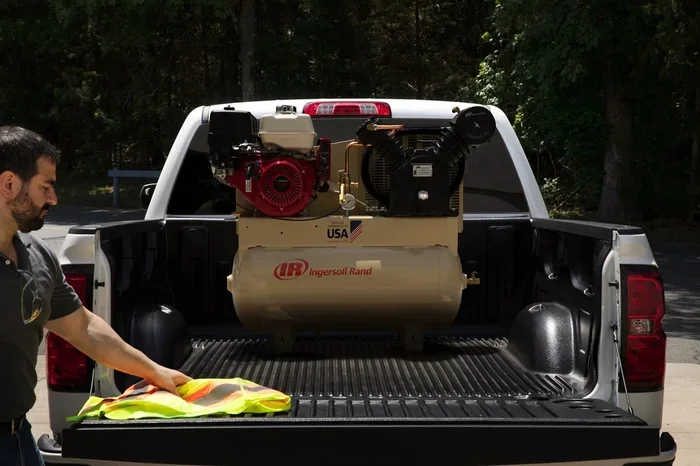
For serious workshops, manufacturing floors, and construction sites, larger compressors are essential. These units deliver high CFM and PSI continuously. They handle multiple tools at once without breaking a sweat. The compressed air system in a shop like this becomes the backbone of production.
These compressors come with higher price tags and greater power requirements. They also need proper ventilation and maintenance schedules. But for operations that depend on consistent air supply, the investment pays for itself quickly.
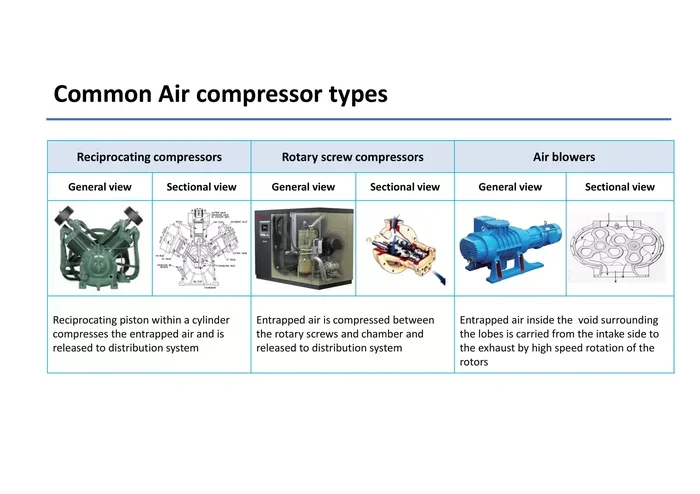
Compressor Type Matters: Reciprocating vs. Rotary Screw
The type of compressor you choose affects your sizing decision just as much as the tank size does. There are two main categories to consider.
Reciprocating Compressors
Reciprocating compressors use pistons to compress air. They are the most common type for home and light commercial use. They are affordable, widely available, and come in many sizes. Their compressor ratings make them easy to compare across brands.
The downside is that they tend to have shorter duty cycles. They also require more maintenance because of the moving parts. For intermittent use, they are a great fit. For continuous industrial operations, they may not be the best choice.
Rotary Screw Compressors
Rotary screw compressors use two rotating screws to compress air continuously. They run cooler, last longer, and deliver consistent output. They are the go-to choice for industrial compressor applications where downtime is not an option.
The trade-off is cost. Rotary screw compressors are significantly more expensive upfront. They also require specialized maintenance. But for businesses that need 24/7 air supply, the compressor efficiency and reliability make them worth every penny.
Matching Power Requirements and Electrical Considerations
Power requirements play a big role in air compressor sizing. You need to make sure your electrical system can handle the compressor you choose. This is especially important for larger units.
Most small compressors run on standard 120-volt household outlets. Medium units often require 240-volt service. Large industrial compressors may need three-phase power. Always check the compressor’s electrical requirements before purchasing.
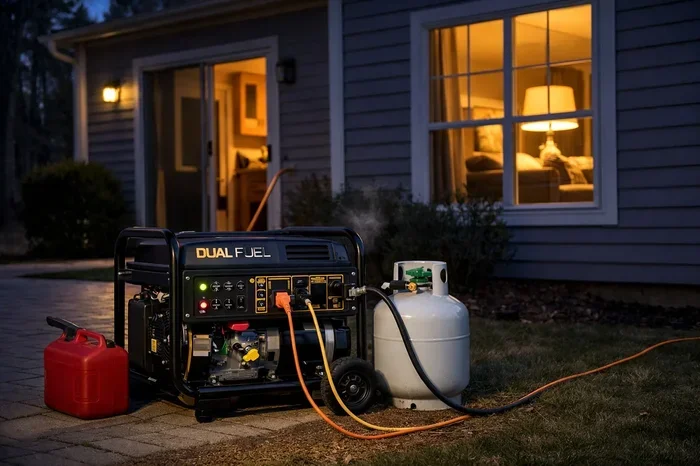
If you are also considering backup power or working in remote locations, you may want to look at how other equipment is sized for power needs. For example, when people need to power a 30 amp RV air conditioner, they carefully calculate the wattage and starting requirements. The same careful approach applies to compressor power planning. You need to know both running and starting power demands.
Starting vs. Running Power
Here is something many people overlook. Compressors draw more power when starting than when running. This is called the starting or surge wattage. Your electrical system must be able to handle this initial spike. If it cannot, you will trip breakers or damage the compressor motor.
To avoid this, check the compressor’s starting amp rating and compare it to your circuit capacity. When in doubt, consult a licensed electrician. Proper electrical planning is a crucial part of compressor sizing that many people skip entirely.
Common Mistakes to Avoid When Sizing Your Compressor
Even with all the information available, mistakes still happen. Here are the most common ones to watch out for.
Focusing Only on Tank Size
A bigger tank does not mean a better compressor. Tank size determines how much stored air is available, but it does not tell you how fast the compressor can refill that tank. A large tank on a weak compressor still leaves you waiting. Focus on CFM and PSI first, then consider tank size as a secondary factor.
Ignoring Peak Demand
Many people calculate their average air demand and call it good. But tools do not always run at average levels. Sometimes you run multiple tools at peak demand simultaneously. Always plan for your worst-case scenario. Add that buffer we talked about earlier. It will save you from frustrating performance issues down the road.
Buying Based on Price Alone
The cheapest compressor on the shelf is rarely the best choice. It may not meet your air demand, and you will end up replacing it sooner. Invest in the right size for your needs. The savings from avoiding a second purchase far outweigh the upfront cost difference.
Overlooking Maintenance Requirements
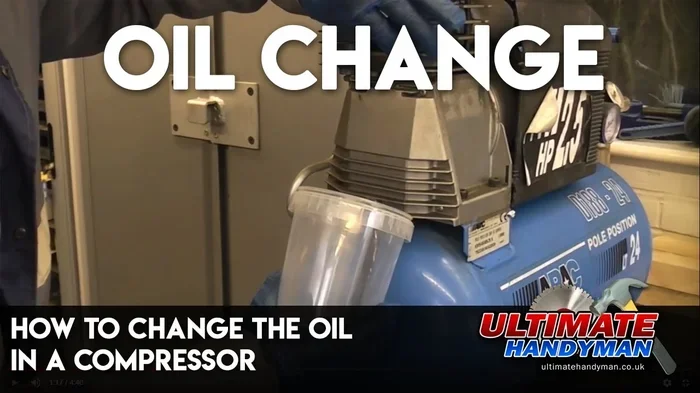
Larger compressors need more maintenance. Oil changes, filter replacements, and belt inspections all add up. Before you buy, understand what maintenance the unit requires. A portable air compressor might be easier to maintain than a large industrial model, even if it costs less upfront.
How to Choose the Right Compressor for Your Specific Needs
By now, you understand the key concepts. Let us put it all together with a practical decision framework.
Start by writing down every tool you plan to run. Note the CFM and PSI for each one. Calculate your total demand and add your buffer. Then decide whether you need a portable or stationary unit based on your workspace and mobility needs.
Consider your duty cycle requirements. If you run tools for hours at a time, invest in a unit with a higher duty cycle. If you only use tools occasionally, a smaller compressor with a lower duty cycle will serve you well.
Finally, think about your future needs. If you plan to add more tools to your setup, size up now rather than later. It is much easier to have extra capacity than to outgrow your compressor and need to replace it.
Remember that air compressor sizing is not a one-time decision. As your needs change, your compressor requirements change too. Revisit this process whenever you add new tools or take on different projects. The right compressor is the one that grows with you.
Taking the time to get this right pays off every single day. Your tools will perform better. Your workflow will be smoother. And your compressor will last for years. That is the real value of proper compressor sizing.
Conclusion
Air compressor sizing does not have to be complicated. It all comes down to understanding your CFM and PSI requirements, calculating your total air demand, and choosing a unit that meets those needs with a comfortable buffer. Whether you need a small portable unit for home projects or a large industrial machine for a full shop, the principles remain the same.
Avoid the common mistakes we covered. Do not focus only on tank size. Do not ignore duty cycle. And never buy based on price alone. Take the time to match your compressor to your actual needs, and you will enjoy reliable performance for years to come.
The right compressor is out there. Use this guide to find it with confidence. Your tools, your projects, and your wallet will all thank you.
Frequently Asked Questions
What size air compressor do I need for home use?
For most home users, a compressor with 2 to 5 CFM at 90 PSI is sufficient. This covers common tools like brad nailers, small impact wrenches, and inflators. A 6 to 20-gallon tank is usually the right fit for home workshops.
How do I know if my compressor is undersized?
Signs of an undersized compressor include frequent cycling, tools that lose power, and the compressor running constantly without building pressure. If you notice these issues, your air demand likely exceeds your compressor’s capacity.
Can I run multiple tools on one compressor?
Yes, as long as the combined CFM of all running tools stays within your compressor’s output. Always add up the CFM requirements and add a 25 to 30 percent buffer for safety margin.
Does tank size affect compressor performance?
Tank size affects how long the compressor can deliver air before needing to restart. A larger tank provides more consistent air supply and reduces cycling. However, it does not increase the compressor’s CFM output.
What is the best compressor for a small auto shop?
A 30 to 60-gallon compressor with 10 to 15 CFM at 100 PSI is a solid choice for a small auto shop. It can handle impact wrenches, air ratchets, and spray guns simultaneously without straining.
How often should I recalculate my compressor sizing needs?
Reassess whenever you add new tools or change your workflow. If your air demand increases, you may need a larger compressor. Reviewing your setup annually helps ensure you are still getting the best performance.