Why a 3000 Watt Solar Generator Is Simply a Game Changer
A 3000 watt solar generator delivers reliable, clean power for your home, RV, or outdoor adventures. It combines solar panels, a battery bank, and a power inverter into one portable system that saves you money and reduces your carbon footprint. Whether you face frequent power outages or want energy independence, this size hits the sweet spot between capacity and portability. Let us explore why so many people are making the switch to 3000 watt solar generator setups.
A 3000 watt solar generator is one of the most popular choices for homeowners and outdoor enthusiasts alike. It strikes a perfect balance between raw power and practical portability. Unlike bulky gas generators, a solar setup runs silently, produces zero emissions, and refuels itself using sunlight.
More people are discovering the real-world benefits of a 3000 watt solar generator every single day. From powering your refrigerator during a storm to running tools at a remote job site, the possibilities are genuinely exciting. In this guide, we will break down everything you need to know about choosing, using, and getting the most from your solar generator.
The demand for portable solar generator solutions has exploded in recent years. People want energy independence, lower utility bills, and a reliable backup source when the grid goes down. A 3000 watt system checks all those boxes without breaking the bank or requiring a massive installation. Let us dive into the details.
Key Takeaways
- Perfect Power Balance: A 3000 watt solar generator offers enough output to run essential home appliances while remaining portable and manageable.
- Significant Cost Savings: Switching to solar reduces your electricity bills and protects you from rising energy costs over time.
- Clean and Renewable: Solar power produces zero emissions, making it an eco-friendly alternative to gas-powered generators.
- Emergency Ready: A 3000 watt system keeps your critical devices running during blackouts and natural disasters.
- Easy to Size: Understanding wattage needs helps you choose the right solar panels, battery capacity, and inverter for your situation.
📑 Table of Contents
- What Exactly Is a 3000 Watt Solar Generator?
- How Does a 3000 Watt Solar Generator Work?
- What Can You Run on a 3000 Watt Solar Generator?
- Benefits of Choosing a 3000 Watt Solar Generator
- How to Choose the Right 3000 Watt Solar Generator
- Is a 3000 Watt Solar Generator Worth the Investment?
- Common Mistakes to Avoid with Solar Generators
- Quick Tips for Getting the Most from Your 3000 Watt Solar Generator
- Conclusion
What Exactly Is a 3000 Watt Solar Generator?
At its core, a 3000 watt solar generator is a self-contained power system that captures sunlight and converts it into usable electricity. It typically includes three main components: solar panels, a battery bank, and a power inverter. Together, these parts work as a complete solar power system that you can set up in minutes.
The “3000 watt” label refers to the maximum power output the generator can handle at any given time. This means you can run devices that draw up to 3000 watts simultaneously. Some systems also offer a higher surge wattage for short bursts, which is helpful when starting heavy appliances like air conditioners or pumps.
How It Differs from a Gas Generator
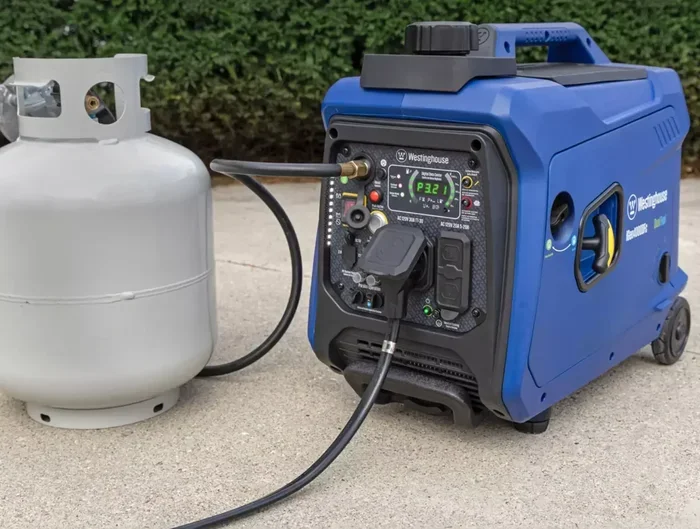
A traditional gas generator burns fuel to produce electricity. A solar generator uses sunlight instead. This difference matters in several important ways. Solar generators run quietly, require no fuel purchases, and need very little maintenance. They also produce no toxic fumes, making them safe to use indoors or in enclosed spaces like tents and RVs.
Gas generators tend to be louder and heavier. They also depend on a constant supply of fuel, which can be hard to find during emergencies. A 3000 watt solar generator eliminates all of these headaches. You simply set up the panels, let the sun do its work, and enjoy free power.
How Does a 3000 Watt Solar Generator Work?
Understanding the basic process helps you appreciate what your system is doing every day. The science behind solar energy output is simpler than most people think. Here is how each component contributes to keeping your devices powered.
The Solar Panels
Solar panels sit outside and absorb photons from sunlight. They convert that light into direct current (DC) electricity. The number of panels you need depends on your solar panel wattage goals and how much sunlight your area receives. Most setups for a 3000 watt system use between two and four panels.
Placement matters a lot. You want your panels in a spot with maximum sun exposure throughout the day. South-facing roofs or open ground spaces work best. Even on cloudy days, your panels will still generate some power, though at reduced efficiency.
The Battery Bank
The battery bank stores the electricity your panels produce. This is what allows you to use solar power at night or during cloudy periods. Most solar generators use lithium-ion batteries because they are lightweight, long-lasting, and hold a strong charge.
Battery capacity is measured in watt-hours (Wh). A larger battery bank means you can store more energy for later use. When choosing a 3000 watt solar generator, look for a battery capacity that matches your daily energy consumption. This ensures you have enough stored power to last through the night.
The Power Inverter
The inverter converts DC electricity from your panels and battery into alternating current (AC) electricity. Most household appliances run on AC power, so the inverter is essential. A quality inverter delivers clean, stable power that is safe for sensitive electronics like laptops and phones.
Some solar generators include pure sine wave inverters, which produce the smoothest power output. This is ideal for delicate equipment. If you plan to power medical devices or expensive electronics, always check that your inverter type supports them.
What Can You Run on a 3000 Watt Solar Generator?
This is one of the most common questions people ask. The answer depends on what devices you want to power and how long you need to run them. A 3000 watt solar generator can handle a wide range of appliances and tools. Here is a practical breakdown.
Home Essentials During a Power Outage:
- Refrigerator (running wattage around 700 watts)
- Lights and fans (100 to 300 watts total)
- Wi-Fi router and modem (around 20 watts)
- Phone and laptop chargers (50 to 100 watts combined)
- Small television or radio (100 to 200 watts)
Tools and Equipment for Work Sites:
- Power drill and circular saw (combined around 1500 watts)
- Air compressor (running around 1000 to 2000 watts)
- Work lights and fans (100 to 300 watts)
RV and Camping Power:
- Microwave (1000 to 1500 watts)
- Coffee maker (800 to 1200 watts)
- Air conditioner in an RV (1000 to 2000 watts with surge)
- Charging stations for phones, cameras, and laptops
The key is to add up the wattage of all the devices you plan to run at the same time. As long as your total stays under 3000 watts, your generator will handle the load comfortably. Always leave a small buffer for safety.
Benefits of Choosing a 3000 Watt Solar Generator
Switching to a solar power station with 3000 watts of capacity brings real advantages. These benefits go beyond just saving money on electricity. Here is why so many people are making the change.
Energy Independence
When you generate your own electricity, you rely less on the grid. This is especially valuable in areas prone to power outages or regions with unstable electrical service. A 3000 watt solar generator gives you control over your power supply, rain or shine.
Energy independence also means you are not subject to rising electricity rates. Once your system is paid for, the fuel source is completely free. Sunlight costs nothing, and maintenance costs are minimal. Over time, the savings add up significantly.
Environmental Impact
Solar energy is one of the cleanest forms of renewable energy available. A 3000 watt solar generator produces zero greenhouse gas emissions during operation. By choosing solar, you reduce your carbon footprint and contribute to a healthier planet.
Every solar panel installation helps decrease our collective dependence on fossil fuels. Even a single household switching to solar makes a meaningful difference over the long term. It is a simple yet powerful way to live more sustainably.
Quiet and Safe Operation
One of the biggest complaints about traditional generators is the noise. A solar generator operates almost silently. You can use it at a campsite, in your backyard, or even inside your home without disturbing anyone.
There are no open flames, no toxic fumes, and no risk of carbon monoxide poisoning. This makes solar generators inherently safer for indoor use and for families with children or pets. You get peace of mind along with reliable power.
Low Maintenance Costs
Gas generators require regular oil changes, filter replacements, and fuel storage. A 3000 watt solar generator has far fewer moving parts. You mainly need to keep the panels clean and check the battery connections occasionally. That is about it.
Most solar systems come with long warranties, often 10 to 25 years for panels. The batteries typically last 5 to 10 years before needing replacement. Overall, the long-term maintenance cost is a fraction of what you would pay for a comparable gas unit.
How to Choose the Right 3000 Watt Solar Generator
Not all solar generators are created equal. With so many options on the market, finding the right one can feel overwhelming. Here are the key factors to consider before you buy.
Battery Type and Capacity
Lithium-ion batteries are the standard for most modern solar generators. They charge quickly, last longer, and weigh less than traditional lead-acid batteries. Look for a battery capacity of at least 3000 watt-hours if you want to run essential devices through the night.
Some systems use lithium iron phosphate (LiFePO4) batteries, which offer even longer lifespans and better thermal stability. These are worth the extra investment if you plan to use your generator frequently. Check the manufacturer’s specifications carefully.
Solar Panel Compatibility
Make sure the generator you choose is compatible with the solar panels you plan to use. Some brands sell their own proprietary panels, while others allow you to connect third-party panels. Flexible options give you more freedom to scale your system as needed.
Look for panels with high efficiency ratings and durable construction. Waterproof and foldable panels are great for portability. The better your panels, the faster your battery charges and the more power you generate each day.
Inverter Quality
The inverter is the heart of your solar generator. A cheap inverter can damage your electronics and reduce overall efficiency. Always choose a system with a pure sine wave inverter for the cleanest power output.
Check the inverter’s continuous and surge wattage ratings. A 3000 watt continuous rating means you can run up to 3000 watts of devices at once. The surge rating, which is often higher, handles the extra power needed when motors start up.
Portability and Build Quality
If you plan to move your generator around, look for a model with wheels and a sturdy handle. Some units are designed as wheeled stations that function like a compact solar power station. Others are more compact and better suited for camping trips.
Build quality matters for longevity. Look for weather-resistant frames, solid connectors, and reliable cooling fans. Reading user reviews and checking warranty terms will help you make a confident choice.
Is a 3000 Watt Solar Generator Worth the Investment?
The upfront cost of a 3000 watt solar generator can range from $2000 to $5000 depending on the brand, battery type, and panel quality. That might sound like a lot at first glance. But when you factor in the long-term savings, the answer becomes clear.
Compare this to a gas generator of similar output. A gas generator costs less upfront but requires fuel, oil, and regular maintenance. Over five years, the fuel and maintenance costs alone can exceed the price of a solar system. Plus, gas generators lose value over time, while solar systems retain their value surprisingly well.
If you live in an area with frequent blackouts or high electricity rates, a 3000 watt solar generator pays for itself within just a few years. For outdoor enthusiasts, the convenience and silence make it an easy choice. For homeowners seeking backup power, it is one of the smartest investments you can make.
Many users also pair their solar generator with a standard electrical generator for hybrid setups. This gives you the best of both worlds: quiet solar power for daily use and a fuel backup for extended cloudy periods. You can learn more about different electrical generator options and how they compare on our electrical generator guide.
Battery life is another important consideration. Understanding how long a generator battery lasts helps you plan your energy usage and budget for eventual replacements. Most lithium-ion batteries in a 3000 watt system last between 5 and 10 years with proper care.
When sizing your backup power needs, it helps to evaluate how much power you truly require. Check out our guide on how big of a backup generator you need to make sure you are choosing the right capacity for your situation.
Regular maintenance keeps your system running at peak performance. Our generator testing resources offer practical tips for checking your solar setup and ensuring everything works when you need it most.
Common Mistakes to Avoid with Solar Generators
Even the best 3000 watt solar generator can underperform if you make avoidable mistakes. Here are some pitfalls to watch out for.
- Underestimating your power needs: Always calculate the total wattage of your devices before purchasing. Running at maximum capacity constantly can strain the system and shorten its lifespan.
- Skipping battery maintenance: Even low-maintenance batteries need occasional checks. Keep terminals clean and ensure proper ventilation around the battery bank.
- Poor panel placement: Shaded panels produce significantly less power. Place your panels where they will receive uninterrupted sunlight for most of the day.
- Ignoring the inverter type: A modified sine wave inverter can damage sensitive electronics. Always go with a pure sine wave model for safety and performance.
- Overloading the system: Plugging in too many high-wattage devices at once can trip the inverter or drain the battery too quickly. Spread out your usage when possible.
Avoiding these simple mistakes ensures your solar generator delivers reliable power for years to come. A little planning goes a long way toward getting the best results from your investment.
Quick Tips for Getting the Most from Your 3000 Watt Solar Generator
Maximizing your system’s performance does not require technical expertise. Follow these practical tips to get the best results every day.
- Charge your batteries fully before you need them, especially if a storm or outage is forecasted.
- Clean your solar panels regularly. Dust, leaves, and bird droppings can reduce energy absorption significantly.
- Use energy-efficient appliances wherever possible. LED lights and ENERGY STAR devices draw far less power than older models.
- Monitor your battery levels through the generator’s display or app. Keeping your battery between 20 and 80 percent charged extends its overall lifespan.
- Expand your panel array over time if your energy needs grow. Most 3000 watt systems support additional panels with simple adapters.
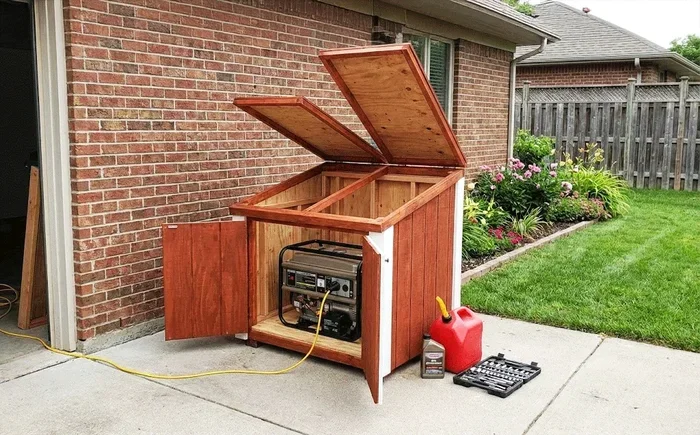
- Store your generator in a cool, dry place when not in use. Extreme heat and moisture can damage internal components over time.
These small habits make a big difference. You will notice improved performance, longer battery life, and more consistent power output from day one.
Conclusion
A 3000 watt solar generator is more than just a piece of equipment. It is a gateway to cleaner, quieter, and more affordable energy. Whether you need backup power for your home, a reliable source for your RV, or a dependable solution for outdoor adventures, this size generator delivers exactly what you need.
The combination of low operating costs, minimal maintenance, and zero emissions makes solar generators a smart choice for today and tomorrow. You gain energy independence, protect the environment, and enjoy the peace of mind that comes with knowing you have power when you need it most.
Take the time to choose the right system for your needs. Follow the tips in this guide, maintain your equipment properly, and your 3000 watt solar generator will serve you well for many years to come. The sun gives us energy every single day. It is time we put it to good use.
Frequently Asked Questions
How many solar panels do I need for a 3000 watt solar generator?
Most setups require between two and four solar panels to adequately charge a 3000 watt system. The exact number depends on your panel wattage and local sunlight conditions. For example, four 400-watt panels will generate around 1600 watts of power in direct sunlight, which is enough to charge a full battery bank in a few hours.
Can a 3000 watt solar generator power a central air conditioner?
It depends on the air conditioner’s wattage. Most central AC units draw between 2000 and 5000 watts, which may exceed the continuous output of a 3000 watt system. Smaller window units or energy-efficient models are more likely to run comfortably. Always check the appliance’s running and surge wattage before connecting it to your generator.
How long does it take to charge a 3000 watt solar generator?
Charging time varies based on panel wattage, battery capacity, and sunlight availability. With four 400-watt panels in full sun, a depleted battery bank can typically charge within 4 to 8 hours. On cloudy days or with fewer panels, the process takes longer. Using high-efficiency panels speeds up the charging process significantly.
Is a 3000 watt solar generator loud?
No. Solar generators operate almost silently. The only sounds you might hear are a gentle fan cooling the inverter or battery system. This makes them ideal for camping, residential neighborhoods, and any situation where noise would be a problem. Compare this to gas generators, which can produce 60 to 80 decibels of constant noise.
Can I use a 3000 watt solar generator indoors?
Yes, safely. Unlike gas generators, solar generators produce no fumes or carbon monoxide. This makes them perfectly safe for indoor use in garages, basements, or living spaces. Just make sure the area has adequate ventilation and that your panels are positioned outside in direct sunlight.
What is the lifespan of a 3000 watt solar generator?
With proper care, the solar panels can last 25 years or more. The battery bank typically lasts 5 to 10 years depending on usage and maintenance. The inverter and other electronic components usually last 10 to 15 years. Overall, a well-maintained 3000 watt solar generator provides reliable power for well over a decade.