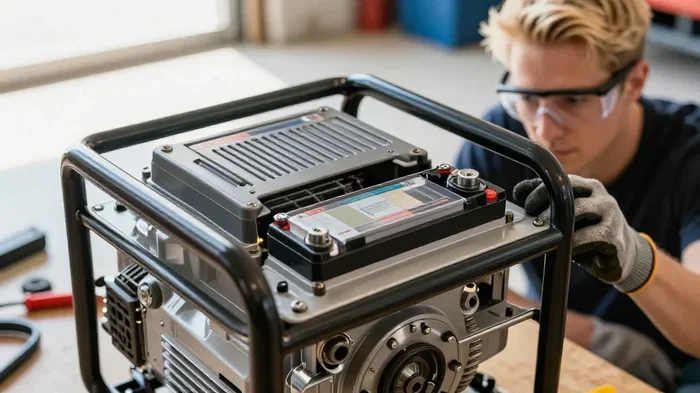
How Long Does a Generator Battery Last and Why It Matters
How long does a generator battery last depends on several key factors, including battery type, usage patterns, and maintenance habits. Most standby generator batteries last between 3 to 5 years with proper care, while some can reach 7 years or more. Understanding generator battery life helps homeowners avoid unexpected power failures and costly emergency replacements. Regular generator battery maintenance is the single most effective way to extend generator battery lifespan and keep your home protected.
There is nothing worse than a storm rolling in and your generator failing to start. You stand there in the dark, listening to rain pound your roof, and realize the real problem might be something small but critical: the battery. If you have ever wondered how long does a generator battery last, you are not alone. This is one of those things homeowners tend to ignore until something goes wrong.
The truth is that generator battery life varies quite a bit. Some batteries give you 3 solid years. Others fail after just 18 months. The difference usually comes down to three things: the type of battery you have, how often you use your generator, and whether you bother with regular maintenance. In this guide, we will walk through everything you need to know about generator battery lifespan, what shortens it, and how to get the most miles out of your battery.
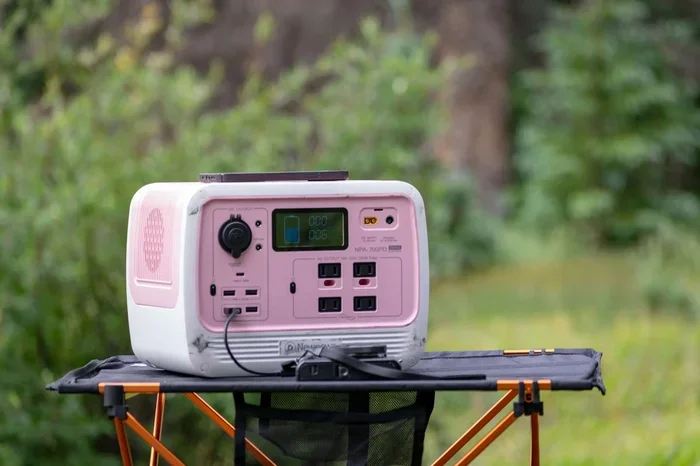
Whether you own a standby generator for your home or a portable battery backup generator for camping trips, understanding your battery’s health is essential. A well-maintained standby generator battery can mean the difference between a smooth power transition and a frustrating outage in the middle of the night. Let us dig into the details.
Key Takeaways
- Average Lifespan: Most generator batteries last 3 to 5 years, depending on type and care.
- Battery Type Matters: Sealed lead acid and lithium batteries have very different lifespans.
- Maintenance Is Key: Regular testing and cleaning can add years to your battery life.
- Climate Affects Performance: Extreme heat and cold both shorten battery life significantly.
- Watch for Warning Signs: Slow cranking, corrosion, and frequent recharges signal a dying battery.
- Replacement Timing: Replace your battery every 3 to 5 years even if it seems to work fine.
- Proper Charging: Using the right generator battery charger prevents overcharging and damage.
📑 Table of Contents
- How Long Does a Generator Battery Last on Average
- Factors That Affect Generator Battery Life
- Types of Generator Batteries and Their Lifespans
- Signs Your Generator Battery Needs Replacement
- How to Extend Your Generator Battery Life
- How Often Should You Replace Your Generator Battery
- Expert Tips to Get More Years from Your Battery
- Key Takeaways
- Conclusion
How Long Does a Generator Battery Last on Average
The short answer is that most generator batteries last between 3 and 5 years. But that range is wide, and the real answer depends on several variables. Let us break down what you can realistically expect from different scenarios.
Typical Lifespan by Generator Type
Not all generators are built the same, and neither are their batteries. Here is a quick look at what you can expect:
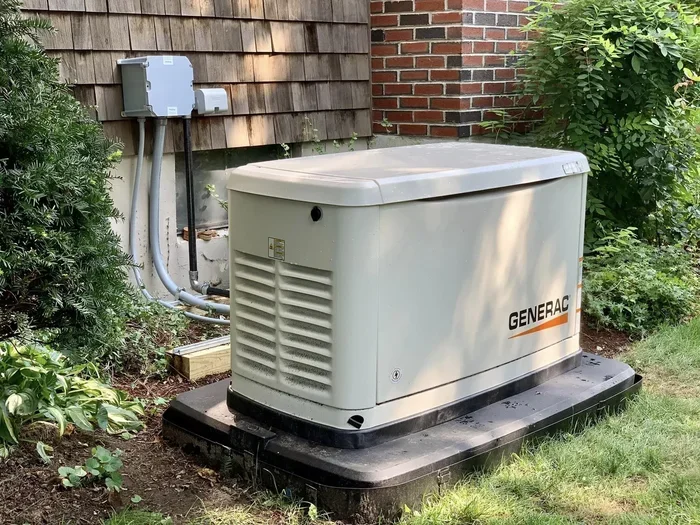
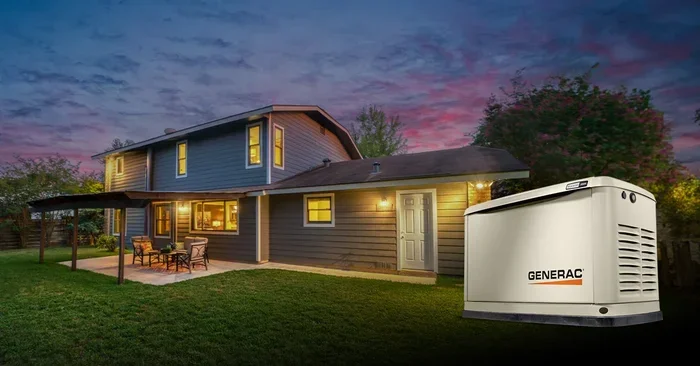
- Home Standby Generators: These units use larger batteries designed for infrequent but reliable starts. With proper care, the standby power battery in a home standby system typically lasts 4 to 5 years.
- Portable Generators: Smaller portable units often have simpler battery systems. Generator battery life on portables tends to be shorter, around 2 to 3 years.
- Inverter Generators: These are more energy efficient, and their batteries often last 3 to 4 years because of gentler power draw.
- RV and Marine Generators: Batteries in recreational vehicles and boats face unique conditions. Expect 2 to 4 years depending on usage and climate.
What “Lasting” Really Means
When we talk about battery life, we are really talking about two things: calendar life and cycle life. Calendar life is simply how long the battery sits on the shelf before it degrades too much to work. Cycle life refers to how many times the battery can charge and discharge before it wears out.
Most homeowners care more about calendar life because their generators sit idle for weeks or months at a time. The battery just needs to be ready when you flip the switch. If your generator battery age is approaching 4 years, it is worth getting it tested even if everything seems fine.
Factors That Affect Generator Battery Life
Why do some generator batteries die young while others keep going strong? Several factors play a role in determining your generator battery lifespan. Understanding these can help you take control of your battery’s health.
Climate and Temperature
Temperature is one of the biggest enemies of battery health. Extreme heat speeds up chemical reactions inside the battery, which causes it to degrade faster. On the other hand, extreme cold reduces the battery’s ability to hold a charge.
A cold weather generator battery can lose up to 30 to 50 percent of its cranking power at freezing temperatures. This is why generators stored in unheated garages or outdoor sheds may have shorter battery lives than those kept in climate-controlled spaces.
Ideally, you want to store your generator and its battery in a cool, dry place. If that is not possible, consider investing in a battery blanket or heater pad for winter months. These small accessories can make a big difference in generator battery life.
Usage Frequency
Here is an interesting paradox: batteries that are used regularly often last longer than batteries that sit unused. When a battery sits fully charged and untouched for months, it slowly loses its charge through a process called self-discharge.
If your generator only runs a few times a year during power outages, the battery may not get enough cycling to stay healthy. This is why many experts recommend running your generator for 15 to 20 minutes once a month. Regular generator battery charging keeps the cells active and ready for action.
Battery Age and Manufacturing Quality
Not all batteries are created equal. A premium sealed lead acid battery from a reputable manufacturer will outlast a cheap no-name alternative every single time. When shopping for a replacement, always check the generator battery warranty before buying. A longer warranty often signals better build quality and confidence from the manufacturer.
Also, pay attention to the manufacture date, not just the purchase date. A battery that has been sitting on a store shelf for six months is already six months older than you think.
Charging Practices
How you charge your battery matters more than most people realize. Overcharging can cause heat buildup and water loss in flooded batteries. Undercharging leads to sulfation, where lead sulfate crystals build up on the plates and reduce capacity.
Using a smart generator battery charger with automatic voltage regulation helps prevent both problems. These chargers adjust the charging rate based on the battery’s condition, which is much gentler and safer.
Load and Power Demand
The more electrical load your generator handles during a start cycle, the harder the battery has to work. If you are running multiple high-wattage appliances at startup, the battery draws more current. Over time, this extra strain can shorten generator battery life.
Try to minimize the load during startup. Let essential circuits come on first, and then add other loads gradually. This simple habit reduces stress on the battery and the generator’s engine.
Types of Generator Batteries and Their Lifespans
The type of battery inside your generator plays a huge role in how long it will last. Let us compare the most common options you will encounter.
Sealed Lead Acid (SLA) Batteries
SLA batteries are the most common type found in standby generators. They are reliable, affordable, and widely available. A typical sealed lead acid battery lasts 3 to 5 years under normal conditions.
These batteries are maintenance-free, which means you do not need to add water or clean terminals as often. However, they are sensitive to deep discharging and extreme temperatures. If you live in a very hot climate, your SLA battery might last closer to 3 years.
Lithium-Ion Batteries
Lithium generator battery technology is newer and increasingly popular. Lithium batteries are lighter, charge faster, and handle temperature swings better than lead acid alternatives.
The lifespan of a lithium battery is significantly longer. You can expect 5 to 8 years or more from a quality lithium unit. They also handle partial discharges much better, which means they do not degrade as quickly when you only use a portion of their capacity.
The tradeoff is cost. Lithium batteries are more expensive upfront, but they often pay for themselves over time through longer life and fewer replacements.
Deep Cycle Batteries
Some generators, especially those used for off-grid or solar applications, use deep cycle battery generator setups. These batteries are designed for sustained power delivery rather than short bursts of high current.
A deep cycle battery can last 4 to 6 years if you avoid draining it below 50 percent capacity. They respond well to regular maintenance and proper charging routines.
Comparison Table
| Battery Type | Average Lifespan | Best For | Cost |
|---|---|---|---|
| Sealed Lead Acid | 3 to 5 years | Standard standby generators | Low to Medium |
| Lithium-Ion | 5 to 8 years | High-performance and cold climates | High |
| Deep Cycle | 4 to 6 years | Off-grid and solar systems | Medium |
| AGM (Absorbent Glass Mat) | 4 to 6 years | Harsh environments and vibration-prone setups | Medium to High |
Signs Your Generator Battery Needs Replacement
Catching a failing battery early can save you from a miserable night during a power outage. Here are the most common warning signs that your generator battery replacement is overdue.
Slow or Weak Cranking
If your generator takes longer than usual to start, the battery is likely losing its punch. A healthy battery should start the generator within 3 to 5 seconds. If you notice it struggling or cranking slowly, it is time to test the battery.
Corrosion on the Terminals
Visible battery terminal corrosion is a clear sign of battery trouble. White, blue, or greenish buildup on the terminals indicates that acid is leaking or the battery is overcharging. Corrosion increases resistance and reduces the current flowing to the starter motor.
You can clean minor corrosion with a baking soda and water solution. But if the corrosion keeps coming back, the battery itself is failing and needs to be replaced.
Battery Keeps Dying After Charging
If you fully charge your battery and it still dies within a day or two, the internal plates are likely damaged. This is a common symptom of an old battery that can no longer hold a charge. At this point, replace generator battery should be your next step.
Swollen or Bulging Case
A swollen battery case is a serious safety concern. It usually means the battery has been overcharged or exposed to excessive heat. A swollen battery should be replaced immediately and disposed of properly at a recycling center.
Age Over 4 Years
Even if your battery passes all visual and performance tests, age alone is a reason to consider replacement. After 4 years, most batteries are on borrowed time. Proactive replacement during fair weather saves you from emergency situations during storms.
How to Extend Your Generator Battery Life
The good news is that you can take several simple steps to stretch your generator battery life well beyond the average. Think of these as small habits that add up to big savings over time.
Run Your Generator Monthly
Running your generator for 15 to 20 minutes once a month does two important things. First, it keeps the engine lubricated and the fuel system clear. Second, it allows the generator battery charger to top off the battery and keep it in ready condition.
Set a recurring reminder on your phone or calendar. This one habit alone can add a year or more to your battery’s life.
Keep the Battery Clean and Dry
Dirt, moisture, and debris all accelerate battery degradation. Wipe down the battery terminals and housing every few months. Make sure the battery tray is clean and free of corrosion buildup.
If you live in a humid area, consider using a battery terminal protector spray. These products create a thin barrier that prevents moisture and oxidation from eating away at the connections.
Use a Smart Battery Maintainer
A trickle charger or smart battery maintainer is a great investment for generators that sit idle for long periods. These devices deliver a low, steady charge that keeps the battery at full capacity without overcharging.
Look for a maintainer with automatic shutoff and temperature compensation. These features protect your battery and make the generator battery charging process foolproof.
Check the Water Level (for Flooded Batteries)
If your generator uses a flooded lead acid battery, check the water level every 3 to 6 months. The plates should always be covered by at least half an inch of distilled water. Never use tap water, as minerals can shorten battery life.
Store Batteries Properly During Off-Seasons
If you use your generator seasonally, remove the battery and store it in a cool, dry place. A cold weather generator battery stored indoors will hold its charge much better than one left outside in a shed.
Before storing, fully charge the battery. Check the charge level once a month and top off if needed. This simple routine preserves battery health during long periods of inactivity.
Get Professional Battery Tests Annually
Most generator dealers and auto parts stores offer free battery load testing. This test measures the battery’s actual capacity and internal resistance. It gives you a clear picture of how much life is left in the battery.
A generator battery test takes just a few minutes and can give you peace of mind. Schedule it at the start of storm season each year to make sure your system is ready.
How Often Should You Replace Your Generator Battery
The general recommendation is to replace your generator battery every 3 to 5 years, regardless of how it looks or performs. This is because batteries degrade slowly over time, and by the time you notice a problem, the damage is already done.
If you live in a hot climate or use your generator frequently, consider replacing it closer to the 3-year mark. In milder climates with occasional use, you might stretch it to 5 years with proper maintenance.
Always keep a spare battery on hand if you rely on your generator for critical power needs. Having a replacement ready means you never have to wait days for a new battery during an emergency.
Check your generator battery warranty before purchasing a replacement. Many manufacturers offer 2 to 3 year warranties, which gives you confidence in the product and protects your investment.
Expert Tips to Get More Years from Your Battery
Here are some bonus tips from experienced technicians who service generators every day:
- Invest in a lithium battery if your budget allows. The upfront cost is higher, but the longer lifespan and better cold-weather performance make it worth it.
- Never let a battery sit completely discharged. A fully drained battery can suffer permanent damage in just a few days.
- Use the right size battery for your generator. An undersized battery will work harder and wear out faster.
- Keep a log of battery purchases and replacements. Tracking dates helps you stay ahead of the replacement cycle.
- Consider a battery monitor or indicator. These devices give you real-time information about battery health so you never get surprised.
Key Takeaways
- Average Lifespan: Most generator batteries last 3 to 5 years, depending on type and care.
- Battery Type Matters: Sealed lead acid and lithium batteries have very different lifespans.
- Maintenance Is Key: Regular testing and cleaning can add years to your battery life.
- Climate Affects Performance: Extreme heat and cold both shorten battery life significantly.
- Watch for Warning Signs: Slow cranking, corrosion, and frequent recharges signal a dying battery.
- Replacement Timing: Replace your battery every 3 to 5 years even if it seems to work fine.
- Proper Charging: Using the right generator battery charger prevents overcharging and damage.
Conclusion
Understanding how long does a generator battery last is one of the simplest things you can do to protect your home and family during power outages. Most batteries give you 3 to 5 years of reliable service, but only if you take care of them properly. Regular maintenance, smart charging habits, and timely replacements are the keys to a long generator battery lifespan.
Do not wait until a storm hits to discover your battery is dead. Start implementing the tips in this guide today. Test your battery, clean the terminals, and make a note of when it was installed. These small actions today will save you from big headaches tomorrow.
Your generator is only as good as the battery that starts it. Treat that battery well, and it will be there for you when you need it most. Take charge of your generator battery life now, and enjoy the peace of mind that comes with knowing your backup power is always ready to go.
Frequently Asked Questions
How long does a generator battery last in cold weather?
A generator battery in cold weather typically lasts 2 to 4 years because freezing temperatures reduce its ability to hold a charge and increase internal resistance. Using a battery blanket or storing the generator indoors can help extend the life of your cold weather generator battery significantly.
Can I use any battery to replace my generator battery?
No, you should always use the battery type and size recommended by your generator manufacturer. Using the wrong battery can lead to poor performance, damage to the charging system, and voided warranties. Check your owner’s manual or contact the manufacturer for the correct standby generator battery specifications.
How do I know if my generator battery needs replacing?
Common signs include slow cranking, visible corrosion on terminals, the battery not holding a charge after overnight charging, and the generator failing to start even after a full charge. If your generator is over 4 years old and showing any of these symptoms, it is likely time for a generator battery replacement.
Does running my generator monthly really help the battery last longer?
Yes, absolutely. Running your generator for 15 to 20 minutes once a month keeps the battery charged, the engine lubricated, and the fuel system clear. This regular cycling prevents the battery from sitting in a discharged state, which is one of the fastest ways to shorten generator battery life.
What is the difference between a sealed lead acid and a lithium generator battery?
A sealed lead acid battery is the traditional, affordable option that lasts 3 to 5 years. A lithium generator battery is newer, more expensive, but lasts 5 to 8 years or more. Lithium batteries are also lighter, charge faster, and perform better in extreme temperatures, making them a premium choice for homeowners who want the best generator battery lifespan possible.
How can I test my generator battery at home?
You can use a multimeter to check the battery voltage. A fully charged 12-volt battery should read 12.6 volts or higher. If it reads below 12.0 volts, the battery needs charging. For a more thorough generator battery test, visit a local auto parts store or generator dealer, as they can perform a load test that measures actual battery capacity and internal health.

One Comment