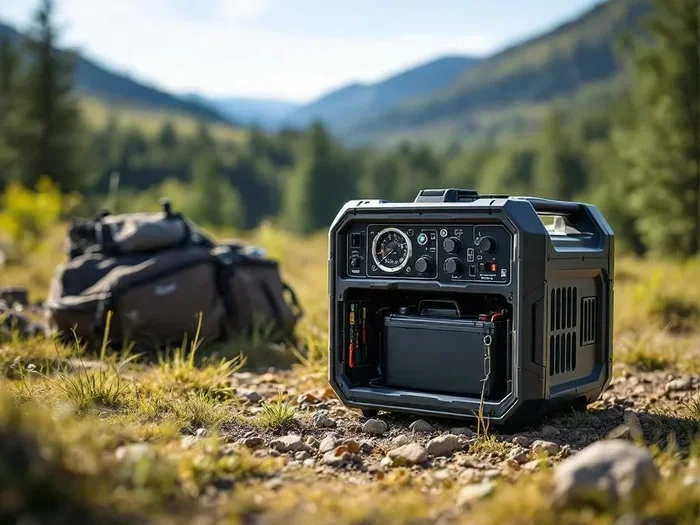
The Ultimate Guide to Mobile Generator Power Solutions
A mobile generator is your best friend during power outages, outdoor events, or emergency situations. This guide walks you through everything from types and fuel options to installation tips and maintenance best practices so you can pick the right portable power solution with confidence.
Key Takeaways
- Know your power needs: Calculating your wattage requirements before buying a mobile generator prevents undersizing or oversizing the unit.
- Fuel type matters: Choosing between gasoline, propane, and diesel affects fuel efficiency, runtime, and overall cost.
- Safety first: Proper placement, ventilation, and generator testing are critical to avoiding carbon monoxide risks and equipment damage.
- Regular maintenance extends life: Simple tasks like oil changes and filter cleaning keep your mobile generator running reliably for years.
- Consider add-on features: Features like automatic start, remote monitoring, and transfer switch compatibility add convenience and protection.
- Compare before you buy: Weighing noise level, weight, and power output helps you find the best match for your situation.
📑 Table of Contents
- What Is a Mobile Generator and Why Should You Care?
- Types of Mobile Generators
- How to Choose the Right Mobile Generator
- Installation and Setup Tips
- Maintenance and Safety Best Practices
- Common Problems and How to Troubleshoot Them
- How Big of a Mobile Generator Do You Need?
- Expert Insights and Pro Tips
- Final Thoughts on Mobile Generator Power Solutions
What Is a Mobile Generator and Why Should You Care?
A mobile generator is a portable power unit you can move from place to place. Unlike a standby generator that sits permanently outside your home, a mobile unit gives you flexibility. You can take it camping, to a job site, or fire it up when the grid goes down.
Think of it as your personal power station. When a storm knocks out electricity, your lights stay on. When you are working remotely in a field, your tools keep running. The portable power you get from a good mobile generator is unmatched in convenience.
But not all units are created equal. Some focus on fuel efficiency. Others pack massive power output. Knowing what you actually need saves you money and headaches. Let us break it all down so you can make a smart choice.
Types of Mobile Generators
Not every mobile generator works the same way. Different fuel sources and designs serve different purposes. Here is a look at the main types you will encounter.
Gasoline Mobile Generators
Gasoline-powered models are the most common. They are affordable and widely available. You can find fuel at almost any gas station. These units work great for short-term use like power outage situations or outdoor events.
However, gasoline has a shorter generator runtime compared to other fuels. Storage can also be tricky. Fuel degrades over time, so you need to rotate your supply regularly.
Propane Mobile Generators
Propane is a clean-burning alternative. Many homeowners like propane because it stores indefinitely without going bad. A propane generator also produces fewer emissions, which is better for the environment.
The trade-off? Propane contains less energy per gallon than gasoline. That means slightly lower power output and higher fuel consumption for the same workload. Still, it is a solid option for emergency backup.
Diesel Mobile Generators
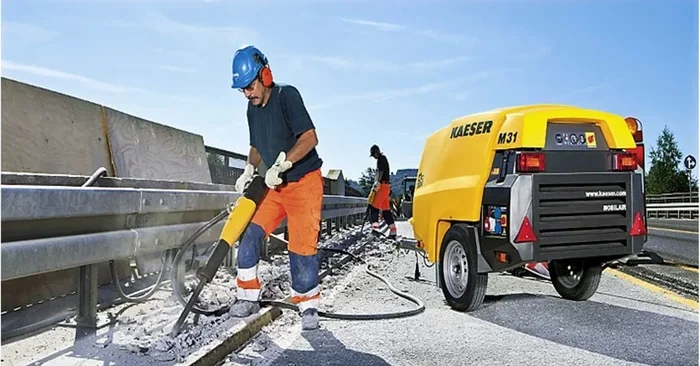
Diesel units are the heavy hitters. They deliver excellent fuel efficiency and long runtime. Construction sites and industrial setups often rely on diesel generators because they handle heavy loads with ease.
On the downside, diesel engines tend to be louder and heavier. They also cost more upfront. But if you need serious load capacity, diesel is hard to beat.
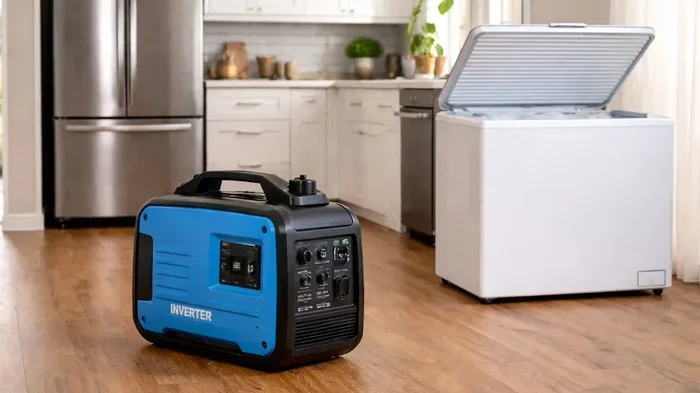
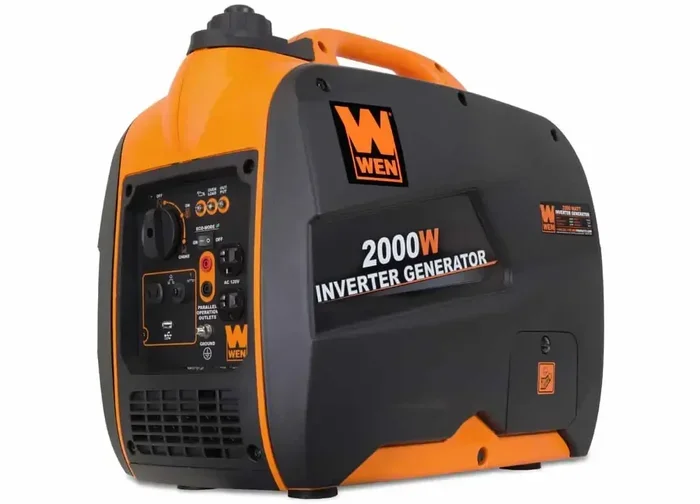
Inverter Generators
Inverter generators produce clean, stable power. They are quieter and more fuel-efficient than conventional models. Electronics like laptops and phones charge safely because the current stays consistent.
These units sacrifice raw surge capacity for precision. They are perfect for recreational use and sensitive equipment. If you want whisper-quiet portable power, an inverter model is your best bet.
How to Choose the Right Mobile Generator
Picking the right mobile generator comes down to a few key factors. Let us walk through each one so you know exactly what to look for.
Calculate Your Wattage Requirements
Before you shop, list every device you plan to power. Add up their wattage requirements. Do not forget to account for surge capacity too. Motors on refrigerators and air conditioners draw extra power when they kick on.
Here is a quick example:
- Lights: 200 watts
- Refrigerator: 1,200 watts (with surge)
- Phone chargers: 50 watts
- TV: 300 watts
That adds up to roughly 1,750 watts. You would want a unit rated at least 2,000 watts to handle it comfortably. Always add a buffer so the generator is not running at full tilt all the time.
Consider Fuel Type and Availability
Your fuel choice directly impacts fuel efficiency and convenience. Gasoline is easiest to find. Propane lasts longer in storage. Diesel wins for heavy-duty use. Think about where and how often you will use the unit before deciding.
Evaluate Noise Level
Nobody wants a generator that sounds like a jet engine. Noise level is measured in decibels (dB). Inverter generators typically run between 50 and 60 dB. Conventional models can hit 75 dB or higher. If you plan to use the generator near neighbors or sleeping areas, go for a quieter option.
Check Weight and Portability
A true mobile generator should be easy to move. Look for models with built-in handles or wheels. Lighter units are great for camping. Heavier steel-framed models last longer but are harder to transport. Match the weight to your use case.
Installation and Setup Tips
Getting your mobile generator set up right makes a huge difference. Poor installation leads to problems down the road. Follow these tips for a smooth start.
Placement Matters
Always place your generator outdoors. Never run it inside a garage or enclosed space. Carbon monoxide from exhaust is deadly. Keep the unit on a flat, dry surface away from windows and doors.
A covered area with open sides works well. It protects from rain while allowing proper airflow. Some people install a generator tent or canopy for added protection.
Use a Transfer Switch
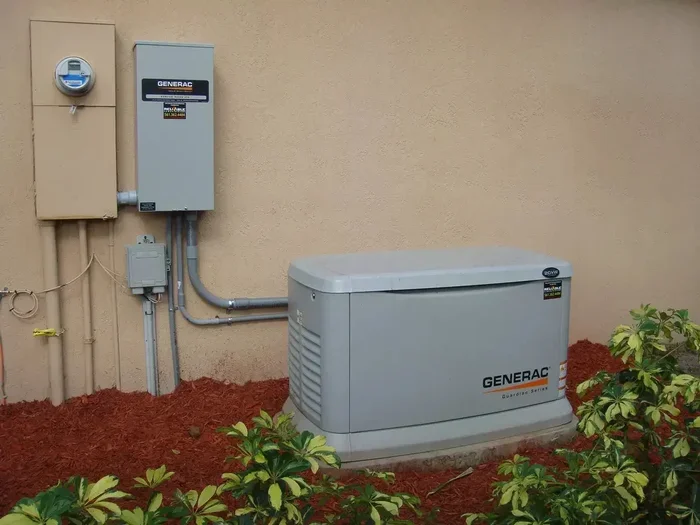
A transfer switch connects your generator to your home’s electrical panel safely. It prevents backfeeding, which can injure utility workers. It also lets you power hardwired appliances like well pumps and HVAC systems.
Manual transfer switches are affordable. Automatic ones detect power outage and start the generator for you. If you want the convenience of automatic start, invest in an automatic transfer switch.
Position the Fuel Tank Properly
Keep the fuel tank elevated above the generator engine. This prevents fuel from leaking into the unit. It also makes refueling easier. Always let the engine cool before adding fuel. Spills are a fire hazard.
Maintenance and Safety Best Practices
Your mobile generator needs regular care to perform when you need it most. Neglect leads to breakdowns at the worst possible time. Here is how to keep it in top shape.
Oil and Filter Changes
Change the oil after the first 20 hours of use. After that, swap it every 100 hours or at least once per season. Fresh oil keeps the engine running smoothly. A dirty oil filter restricts flow and reduces power output.
Fuel System Care
Stale fuel is the number one killer of generators. If you store gasoline, use a fuel stabilizer. Run the unit dry before long periods of storage. Check fuel lines for cracks or leaks regularly.
For those wondering how much natural gas does a generator use, the answer depends on your load. Lighter loads consume less fuel, while heavy draw increases consumption. Monitoring your usage helps you plan fuel supplies better.
Battery and Spark Plug Checks
Keep the starter battery charged. Replace spark plugs annually. These small tasks prevent big surprises. A generator that starts instantly when you need it is a generator you can trust.
Schedule Regular Generator Testing
Run your generator at least once a month for 15 to 30 minutes. This is called generator testing. It keeps the engine lubricated and catches issues early. You do not want to discover a dead battery during a real emergency.
Safety Reminders
Never skip these safety rules:
- Keep the generator dry at all times.
- Use heavy-duty extension cords rated for outdoor use.
- Install carbon monoxide detectors in your home.
- Let the unit cool completely before refueling.
- Store fuel in approved containers away from living spaces.
Common Problems and How to Troubleshoot Them
Even well-maintained generators can act up. Here are a few common issues and quick fixes.
Generator Won’t Start
Check the battery charge first. Then look at the fuel valve and spark plug. Often, a simple carburetor cleaning does the trick. If the unit sat unused for months, stale fuel is likely the culprit.
Low Power Output
Dirty air filters reduce airflow and cut power output. Clogged fuel lines also starve the engine. Clean or replace these components before assuming the worst. In many cases, a simple fix restores full performance.
Overheating
Low oil levels cause overheating quickly. Check the oil before every use. Also, make sure the cooling vents are not blocked by dirt or debris. Running the generator beyond its load capacity will also trigger overheating warnings.
Excessive Vibration
Vibration usually means loose bolts or worn engine mounts. Tighten all connections. Check the mounting bracket. If vibration persists, the engine mounts may need replacement.
How Big of a Mobile Generator Do You Need?
This is the question everyone asks. The answer depends on what you want to power. Here is a simple comparison to guide you.
| Use Case | Recommended Wattage | Best Fuel Type |
|---|---|---|
| Camping and outdoor trips | 1,000 – 2,500 watts | Gasoline or propane |
| Home emergency backup (essentials) | 3,000 – 5,000 watts | Propane or gasoline |
| Whole house power | 5,000 – 10,000 watts | Diesel or natural gas |
| Construction and job sites | 10,000+ watts | Diesel |
These are general guidelines. Always add 20 percent extra capacity to your total wattage requirements. It gives your generator breathing room and extends its lifespan. If you are unsure about sizing, check our detailed guide on how big of a backup generator do I need for step-by-step help.
Expert Insights and Pro Tips
Here are a few insider tips that experienced users swear by:
- Run parallel units for double power. Two smaller generators can connect for extra power output when needed. This gives you flexibility without buying a massive unit.
- Invest in remote monitoring. Some modern mobile generators offer remote monitoring apps. You can check fuel levels and runtime from your phone. This feature is a game changer for emergency backup setups.
- Keep a maintenance log. Writing down oil changes and part replacements helps you stay on track. It also helps when selling the unit later. Buyers love documented history.
- Consider dual-fuel models. Dual-fuel units switch between gasoline and propane. You get the best of both worlds. More flexibility means more options during a crisis.
Final Thoughts on Mobile Generator Power Solutions
A mobile generator is more than a convenience. It is a lifeline during storms, a power source for adventures, and a tool for work sites. Choosing the right unit means understanding your wattage requirements, fuel preferences, and runtime needs.
Take time to compare types before buying. Think about placement and safety from day one. Stick to a maintenance schedule so your unit starts when you flip the switch. With the right mobile generator in place, you never have to worry about being left in the dark.
Whether you need portable power for a weekend camping trip or a full whole house power setup for emergencies, there is a perfect match for you. Do your research, plan ahead, and invest in quality. Your future self will thank you when the lights stay on no matter what happens.
Frequently Asked Questions
How long does a mobile generator run on a full tank?
Generator runtime depends on fuel type and load. A gasoline unit typically runs 8 to 12 hours at half load. Propane models can last 15 to 20 hours on a standard tank. Diesel units often push past 24 hours under moderate use. For specific fuel consumption details, check resources on how much natural gas does a generator use and related fuel guides.
Can I run a mobile generator in the rain?
Never operate a generator in open rain. Water causes short circuits and creates serious shock hazards. Use a generator tent or canopy designed for the purpose. These covers block rain while allowing airflow. Keeping your unit dry is essential for both safety and performance.
What is the difference between a mobile generator and a standby generator?
A mobile generator is portable and manual. You wheel it into position and start it yourself. A standby generator installs permanently and activates automatically during a power outage. Standby units cost more and offer whole house power without effort. Mobile units are cheaper and more flexible for varied uses.
How often should I change the oil in my mobile generator?
Change the oil after the first 20 hours of break-in. Then change it every 100 hours of use or at least once per season. If you use the generator heavily, shorten the interval. Fresh oil protects the engine and maintains strong power output over time.
Are inverter generators worth the extra cost?
Yes, if you power sensitive electronics. Inverter generators produce clean, stable electricity. They are also quieter and more fuel efficient than conventional models. The trade-off is lower surge capacity. For most households needing emergency backup for phones, laptops, and medical devices, the investment pays off quickly.
What should I look for in a transfer switch?
Choose a switch rated for your generator’s power output. Manual switches are budget-friendly and straightforward. Automatic switches offer automatic start capability and detect outages instantly. Make sure the switch is compatible with your home’s electrical panel. Proper installation prevents backfeeding and keeps everyone safe.