Does a Generator Increase Your Home Value Significantly
Yes, a generator can increase your home value significantly, especially in areas prone to power outages. Buyers increasingly want backup power solutions, and a well-installed generator makes your property stand out. Let us explore exactly how much value a generator adds and what you need to know before buying one.
Key Takeaways
- Generators boost resale value: Homes with backup power systems often sell faster and at higher prices.
- Buyer demand is rising: More homeowners prioritize properties with reliable power during outages.
- Return on investment is strong: A generator can recoup 50-70% of its cost at resale.
- Installation matters: Professional installation maximizes value and avoids common mistakes.
- Type of generator counts: Standby generators add more value than portable units.
- Location plays a role: Homes in storm-prone areas benefit the most from generator installations.
📑 Table of Contents
- Does a Generator Increase Your Home Value Significantly?
- Why Homebuyers Love Backup Power
- How Much Value Does a Generator Really Add?
- What Kind of Generator Adds the Most Value?
- Installation Tips That Maximize Home Value
- How Buyers and Appraisers View Generators
- Common Mistakes to Avoid
- Final Thoughts
- Frequently Asked Questions
Does a Generator Increase Your Home Value Significantly?
Homeowners always look for ways to boost their property value. Some upgrades like kitchen remodels or new roofs are obvious choices. But what about a generator? The question does a generator increase home value comes up more and more these days. And the answer might surprise you.
A backup power system is no longer a luxury. It has become a must-have in many neighborhoods. Power outages happen more often now. Storms, grid failures, and extreme weather keep people without electricity for hours or even days. A generator solves this problem. And it does something else too. It makes your home more attractive to buyers.
So let us dig into the details. We will look at how generators affect home value, which types add the most value, and what you should know before making a purchase. Whether you are planning to sell soon or just want a better home, this guide covers it all.
Why Homebuyers Love Backup Power
The real estate market has changed a lot in recent years. Buyers now look for features that make daily life easier and safer. Backup power is one of those features. Here is why it matters so much.
Power Outages Are Happening More Often
Climate change means more severe weather. Hurricanes, ice storms, and wildfires cause widespread blackouts. In some areas, power goes out several times a year. A portable generator or a whole-house standby generator gives homeowners peace of mind. When buyers see a home that stays powered during storms, they get excited.
The Modern Homebuyer Expects It
Think about it. We rely on electricity for almost everything. Refrigerators, Wi-Fi, heating, and medical devices all need power. A home without backup power feels risky to many buyers. A home with a generator feels safe and smart. That feeling translates into higher offers and quicker sales.
Energy Independence Appeals to Many
More people want to feel self-sufficient. Solar panels, battery storage, and generators all contribute to energy independence. A natural gas generator connects to your existing fuel line. It runs automatically when the power goes out. This kind of convenience is a huge selling point.
How Much Value Does a Generator Really Add?
Now let us talk numbers. How much does a generator actually add to your home value? The answer depends on several factors.
Standby Generators vs. Portable Generators
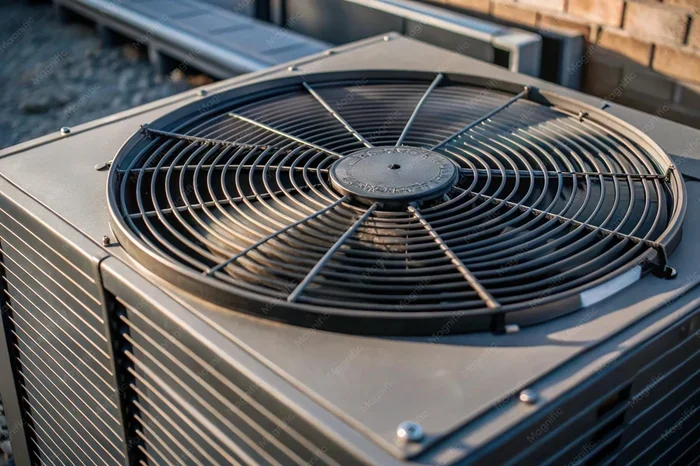
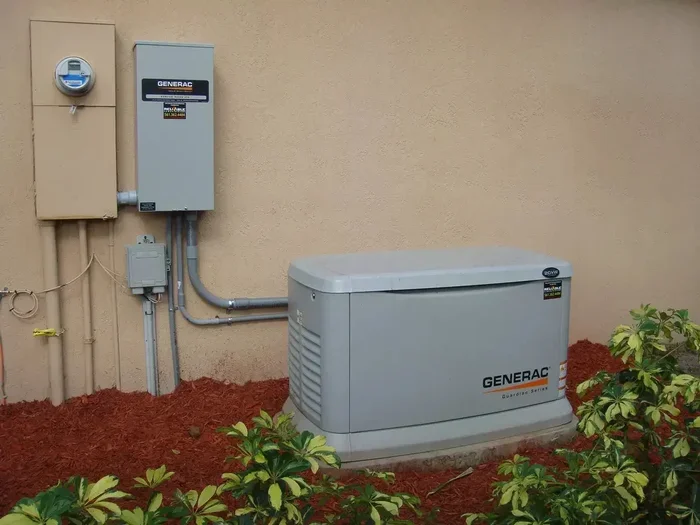
Not all generators are equal when it comes to value. A standby generator is a permanent installation. It sits outside your home like a central air unit. It powers your entire house automatically. These units add significant value because they are convenient and powerful.
A portable generator is a different story. It is smaller and less convenient. You have to set it up yourself. You also need extension cords. While it still provides backup power, it does not impress buyers as much. A standby system clearly wins in the value department.
Average Return on Investment
Studies show that a generator installation can return 50 to 70 percent of its cost at resale. A standby generator costs between $3,000 and $20,000 to install. That means it could add $1,500 to $14,000 in home value. The exact number depends on the unit size, brand, and your local market.
Here is a quick comparison:
- Portable Generator ($500-$2,000): Adds modest value. Buyers appreciate it but do not pay a premium.
- Standby Generator ($3,000-$20,000): Adds significant value. Buyers see it as a major home improvement.
- Whole-House Standby ($10,000-$20,000): Highest value add. Powers everything in the home automatically.
Location Matters a Lot
Where you live plays a big role. If you are in a hurricane zone or an area with frequent storms, a generator is almost expected. In these markets, homes without backup power may actually sell for less. On the other hand, if you live in a mild climate with rare outages, the value boost may be smaller.
Still, even in stable areas, buyers love the idea of never losing power. It is a universal appeal that works in almost any market.
What Kind of Generator Adds the Most Value?
If you are thinking about buying a generator to increase your home value, the type you choose really matters. Not all generators deliver the same return.
Whole-House Standby Generators
These are the gold standard. A whole-house unit connects to your home’s electrical panel. It kicks on automatically within seconds of a power loss. You do not have to do anything. The generator just works.
Buyers love this hands-off approach. They know the home will stay comfortable and functional no matter what. When you want to sell, a whole-house standby is a huge selling point.
Natural Gas and Propane Options
Fuel type also affects value. Natural gas generators connect to your existing gas line. You never need to refill fuel tanks. This convenience appeals to buyers. Propane generators need tank replacements. They work well but require more maintenance.
If you are choosing a fuel source, natural gas is the easiest and most attractive option for homebuyers. You can learn more about how much natural gas a generator uses on our dedicated guide.
Size and Capacity Considerations
Bigger is not always better. You need a generator that fits your home’s actual needs. An oversized unit wastes money. An undersized unit does not impress buyers. The right size depends on your home’s square footage and power needs.
A good rule of thumb is to choose a unit that can handle your essential circuits. These include the refrigerator, HVAC system, lights, and a few outlets. If you want to power everything in your home, go with a whole-house model.
Installation Tips That Maximize Home Value
Buying a generator is only half the battle. How you install it matters just as much. A poor installation can actually hurt your home value instead of helping it.
Hire a Professional
DIY generator installation is risky. You need proper electrical wiring and gas connections. A licensed electrician ensures everything is safe and up to code. Buyers trust professionally installed systems. They also pay more for them at resale.
Placement Matters
Where you put the generator affects both function and curb appeal. It should be accessible for maintenance. It should also be away from windows and doors to reduce noise. A well-placed generator looks intentional and professional.
Get the Right Permits
Do not skip permits. Local building codes require them. Without proper permits, a future buyer could face fines or removal costs. Proper paperwork also proves to appraisers that the generator is a legitimate home improvement.
How Buyers and Appraisers View Generators
Understanding how the real estate market values generators helps you make smarter decisions. Let us break it down.
What Appraisers Look For
Home appraisers consider generators as improvements. They compare your home to similar properties in the area. If comparable homes have generators and yours does not, you could lose value. If your home has one and theirs do not, you gain an edge.
Appraisers also look at the generator’s condition and age. A newer, well-maintained unit adds more value than an old one. Keep all maintenance records handy. They prove the unit is in good shape.
What Buyers Notice First
Buyers notice generators during showings. They ask questions about the type, age, and fuel source. A standby generator that runs on natural gas is the most appealing. It shows the homeowner thought about long-term convenience.
Buyers also care about noise levels. Modern generators are much quieter than older models. If yours is quiet, mention that. It is a big selling point.
The Marketing Advantage
When you list your home, highlight the generator in your marketing materials. Include it in the home description. Take good photos of the exterior unit. In a competitive market, this small detail can set your listing apart.
Generators are especially valuable in areas where power outages are common. They give buyers confidence that the home will remain comfortable no matter the weather. That confidence leads to stronger offers.
Common Mistakes to Avoid
Before you buy a generator, learn from the mistakes others have made. Here are some pitfalls to watch out for.
Buying the Wrong Size
Too many homeowners buy a generator based on price alone. They pick the cheapest option. But an undersized generator does not power the essentials. It frustrates buyers and adds little value. Always size your generator based on your home’s actual power needs.
Ignoring Maintenance
A generator that has not been maintained loses value fast. Old fuel, dirty filters, and worn parts cause breakdowns. Buyers do not want to inherit a generator that needs immediate work. Schedule regular maintenance and keep records.
Skipping Professional Installation
A generator installed incorrectly is a liability. It can cause electrical problems or gas leaks. Buyers will hesitate to purchase a home with a DIY-installed generator. Always hire a licensed professional for the job.
Forgetting About Fuel Supply
Portable generators need fuel. If the fuel supply is empty or expired, the unit is useless. Standby generators run on natural gas or propane. Make sure the fuel source is reliable and accessible.
Final Thoughts
So, does a generator increase home value? The answer is a clear yes. A well-chosen, properly installed generator adds real value to your home. It appeals to buyers, boosts resale prices, and gives you peace of mind every day.
The type of generator matters. Standby models add more value than portable ones. Natural gas options are the most attractive to buyers. Professional installation is non-negotiable if you want to maximize your return.
If you are ready to invest in a backup power system, do your research first. Understand how much natural gas a generator uses and what size fits your home. Check out our guide on how big of a backup generator you need for more helpful tips.
A generator is more than a convenience. It is a smart investment in your home’s future. Whether you plan to stay for years or sell soon, the value it adds is real and measurable.
Frequently Asked Questions
Does a generator add value to a home?
Yes, a generator does add value to a home. Standby generators in particular are viewed as significant home improvements by buyers and appraisers. The exact value added depends on the type, size, and your local real estate market. On average, homeowners recover 50 to 70 percent of the installation cost at resale.
What type of generator adds the most home value?
Whole-house standby generators add the most value. They are permanent, automatic, and powerful. Buyers love the convenience of a home that stays powered during outages. Natural gas models are especially attractive because they connect to an existing fuel line and require no manual refueling.
Is a portable generator worth it for home value?
A portable generator adds modest value compared to a standby unit. It is less expensive but also less impressive to buyers. Portable generators require manual setup and extension cords. If your goal is maximizing home value, a standby system is the better choice.
How much does a generator installation cost?
Generator installation costs range from $3,000 to $20,000 depending on the unit size and type. Portable generators cost less upfront but add less value. Standby generators cost more but deliver a stronger return on investment. The price includes the unit, electrical wiring, gas connections, and permits.
Do appraisers include generators in home value?
Yes, appraisers include generators as home improvements. They compare your property to similar homes in the area. If nearby homes have generators and yours does not, you could lose value. Keeping maintenance records and proper permits helps appraisers recognize the full value of your system.
Does a generator help sell a home faster?
In many cases, yes. Homes with backup power systems attract more buyers and often receive stronger offers. This is especially true in areas prone to storms or frequent power outages. A generator signals to buyers that the home is well-maintained and ready for any situation.