Industrial Backup Generator Solutions That Actually Work
An industrial backup generator is one of the most important investments you can make for your business. Whether you face frequent power outages or want to protect critical equipment, having the right emergency power system ensures power continuity and keeps your operations running without interruption. In this guide, we cover everything you need to know about choosing, sizing, installing, and maintaining an industrial backup generator that actually delivers reliable performance when you need it most.
Key Takeaways
- Right Sizing Matters: An oversized or undersized industrial backup generator can waste fuel or fail during outages. Always calculate your electrical load before purchasing.
- Fuel Type Affects Performance: Diesel, natural gas, and propane each offer different generator runtime, fuel efficiency, and cost benefits. Choose based on your needs.
- Automatic Transfer Switches Are Essential: An automatic transfer switch detects power loss and starts your generator within seconds, minimizing downtime.
- Regular Maintenance Extends Lifespan: Routine generator maintenance including oil changes, filter checks, and load bank testing keeps your system reliable for 20+ years.
- Professional Installation Is Worth It: Proper generator installation ensures safety, code compliance, and optimal performance during emergencies.
- Avoid Common Sizing Mistakes: Many businesses underestimate their load capacity needs. Always account for startup surges and future growth.
📑 Table of Contents
What Is an Industrial Backup Generator?
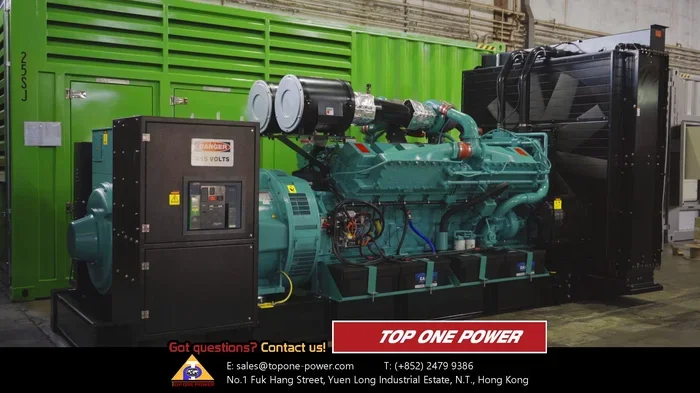
An industrial backup generator is a large-scale power system designed to supply electricity to commercial buildings, factories, data centers, hospitals, and other critical facilities when the main power grid fails. Unlike a small portable generator you might use at a campsite, these systems are built to handle heavy electrical loads and keep entire operations running.
Think of it this way. When a storm knocks out power or a transformer blows on the street, your regular electricity supply stops. Without a backup plan, everything shuts down. Production lines stop. Servers crash. Lights go dark. An emergency power system steps in within seconds and keeps things moving as if nothing happened.
These systems are not just for large corporations. Small businesses, schools, retail stores, and even farms benefit from having a reliable backup power supply. The key is choosing the right type and size for your specific needs.
There are several reasons businesses invest in these systems:
- Protecting sensitive equipment from power surges
- Maintaining power continuity during storms or grid failures
- Meeting insurance or regulatory requirements
- Avoiding revenue loss from shutdowns
- Keeping employees safe and productive
Whether you operate a warehouse, a restaurant, or a tech startup, understanding how industrial backup generators work puts you in a much better position to protect your investment.
How to Size Your Industrial Backup Generator
Industrial generator sizing is arguably the most important step in the entire process. Get it right, and your system handles every demand. Get it wrong, and you either waste money on oversized equipment or face embarrassing failures when the power goes out.
Understanding Electrical Load
Your electrical load is the total amount of electricity your facility needs to operate. This includes everything from lighting and HVAC systems to heavy machinery and computer servers. To calculate it, you need to list every piece of equipment, note its power consumption, and add it all up.
Here is a simple way to break it down:
- List all essential circuits. Write down every system you absolutely cannot afford to lose during an outage.
- Check the wattage labels. Look at the nameplates on your equipment or check the manufacturer specifications.
- Account for startup surges. Many motors and compressors draw two to three times their running power when starting up. This is called load capacity surge, and it matters a lot.
- Add a buffer. Experts recommend adding 10 to 20 percent extra capacity for future growth and unexpected additions.
Using a Generator Sizing Calculator
If math is not your thing, you are not alone. Many facility managers use an online how big of a backup generator do I need calculator to simplify the process. These tools ask for basic information about your building, equipment, and power needs, then recommend an appropriate unit size.
For a more detailed guide on matching your power needs to the right unit, check out this electrical generator resource that walks you through the fundamentals of generator selection.
Common Sizing Mistakes
Even experienced buyers make these errors:
- Forgetting to include generator fuel consumption costs in the long-term budget
- Ignoring the difference between running watts and starting watts
- Sizing based only on current needs without planning for expansion
- Assuming all equipment runs at the same time (it usually does not, but planning for the worst case is safer)
Types of Industrial Backup Generators
Not all generators are the same. Different fuel sources and designs offer different advantages. Here is a breakdown of the most common types you will encounter when shopping for an industrial backup generator.
Diesel Generators
Diesel units are the workhorses of the industrial world. They are durable, fuel-efficient, and can run for extended periods. Diesel generator engines typically last longer than their gas counterparts and handle heavy loads with ease.
Key benefits include:
- Excellent fuel efficiency compared to gasoline models
- High generator runtime on a single tank
- Lower maintenance costs over time
- Reliable performance in extreme temperatures
The downside? Diesel fuel can be harder to store on-site, and the upfront cost is usually higher than comparable natural gas units.
Natural Gas Generators
Natural gas generators connect directly to your facility’s gas line, so you never need to worry about refueling. They burn cleaner than diesel and produce fewer emissions. Many businesses prefer them for indoor or semi-enclosed installations.
However, during widespread outages, natural gas supply can sometimes be disrupted along with the power grid. This is something to consider when evaluating your backup power solutions.
Propane Generators
Propane is another solid option. It stores indefinitely without degrading, making it a great choice for emergency reserves. Propane burns cleanly and is widely available. The trade-off is lower energy density, which means you need more fuel volume for the same runtime.
Quick Comparison
| Feature | Diesel | Natural Gas | Propane |
|---|---|---|---|
| Fuel Efficiency | High | Medium | Lower |
| Runtime | Very Long | Unlimited (with gas line) | Limited by tank size |
| Emissions | Higher | Lower | Lowest |
| Storage Life | Moderate | N/A (piped supply) | Indefinite |
| Upfront Cost | Higher | Medium | Medium |
Your choice depends on your budget, fuel availability, emission requirements, and how long you need the system to run during an outage. If you want to dig deeper into fuel usage estimates, this how much natural gas does a generator use guide provides helpful data for planning.
Key Features to Look For
When you start comparing units, the technical specifications can feel overwhelming. Here are the features that actually matter for real-world performance.
Automatic Transfer Switch
An automatic transfer switch (ATS) is a game-changer. It monitors your connection to the power grid and automatically starts your generator within seconds of detecting an outage. When power is restored, it switches everything back. No manual intervention needed.
Without an ATS, someone has to physically start the unit and reconnect circuits. That delay can cost thousands of dollars in lost production or data. If your business cannot afford even a minute of downtime, an ATS is non-negotiable.
Voltage Regulation
Stable voltage is critical for sensitive equipment. Poor voltage regulation can damage computers, servers, medical devices, and manufacturing tools. Look for generators with automatic voltage regulation (AVR) technology. This feature keeps output steady even when loads change suddenly.
Sound Attenuation
Industrial generators can be loud. If your facility is near residential areas or operates in noise-sensitive environments, look for units with sound-attenuated enclosures. Some models reduce noise levels to around 60 to 70 decibels, which is comparable to normal conversation.
Remote Monitoring Capabilities
Modern industrial backup generators often include Wi-Fi or cellular connectivity. This lets you monitor fuel levels, run diagnostics, and receive alerts from your smartphone. Remote monitoring is especially useful for facilities that operate 24/7 and cannot afford surprise breakdowns.
Enclosure and Weather Protection
If your generator sits outdoors, it needs protection from rain, snow, dust, and extreme heat. Weather-resistant enclosures extend the life of your equipment and reduce the risk of corrosion. Some units come fully enclosed; others need aftermarket canopy additions.
Installation and Maintenance Tips
Even the best industrial backup generator will fail if it is poorly installed or neglected. Here is how to keep your system running strong for 20 or more years.
Professional Installation Matters
Generator installation is not a DIY project for most businesses. Licensed electricians and certified technicians handle gas line connections, electrical integration, exhaust systems, and foundation work. They also ensure your setup meets local building codes and fire safety regulations.
Skipping professional installation might save money upfront, but it creates serious safety risks and can void your warranty. A proper installation also optimizes generator runtime and efficiency from day one.
Create a Maintenance Schedule
Regular generator maintenance is the single best way to avoid surprise failures. Here is a basic maintenance checklist:
- Change oil every 150 to 250 operating hours or at least once a year
- Replace air filters and fuel filters on schedule
- Check coolant levels and inspect for leaks
- Test the battery and clean terminals
- Run the generator under load at least once a month
- Schedule annual load bank testing to verify full capacity
Many facility managers set up a quarterly maintenance plan with a certified generator testing service. This catches small issues before they become expensive problems.
Fuel Management
Fuel degradation is a hidden enemy. Diesel can go bad after six to twelve months if not treated with stabilizers. Natural gas is fresher since it comes from a pipeline, but you should still inspect lines for leaks. Store backup fuel in approved containers and rotate stock regularly.
Keeping a close eye on generator fuel consumption also helps you budget accurately and avoid mid-outage fuel shortages.
Exercise the Generator Regularly
Generators that sit idle for months can develop issues with fuel systems, batteries, and control panels. Running your unit under load for 30 minutes each week keeps everything lubricated, charges the battery, and verifies that the system starts when called upon. This simple habit adds years to your equipment lifespan.
Common Mistakes to Avoid
Even smart business owners stumble when it comes to backup power. Here are the most frequent mistakes and how to dodge them.
- Underestimating power needs: Many companies calculate only their current load without factoring in growth or startup surges. Always plan for the worst-case scenario.
- Ignoring maintenance: A generator that sits untouched for years is unreliable at best. Treat it like any other critical piece of equipment and maintain it regularly.
- Skipping load bank testing: Running a generator without a real load does not prove it can handle full demand. Load bank testing simulates real conditions and reveals hidden weaknesses.
- Choosing the wrong fuel type: What works for a construction site might not suit a hospital or data center. Match your fuel to your environment and runtime requirements.
- Poor placement: Installing a generator too close to windows, vents, or flammable materials creates safety hazards. Follow manufacturer clearance guidelines and local codes.
- Neglecting exhaust systems: Proper exhaust routing prevents carbon monoxide buildup and noise complaints. Do not improvise here. Use certified exhaust systems designed for your specific unit.
Avoiding these pitfalls puts you ahead of most businesses. A well-planned industrial backup generator investment pays for itself the first time it keeps your operations running during an outage.
Expert Insights on Industrial Backup Power
Industry professionals consistently stress one point: preparation is everything. The facilities that handle power disruptions best are those that planned months in advance rather than scrambling after the lights go out.
One key insight from experienced power engineers is to think beyond just the generator itself. Your entire emergency power system includes fuel storage, switchgear, wiring, grounding, and monitoring. A weak link anywhere in that chain compromises the whole setup. That is why many experts recommend a full system audit before purchasing any equipment.
Another expert tip is to involve your insurance provider early. Some policies offer premium discounts for facilities with documented backup power systems. Having proper coverage and equipment in place can reduce your overall risk profile and save money on premiums over time.
Finally, professionals recommend building a relationship with a local backup power solutions provider. Having a trusted technician on call makes a huge difference when something goes wrong at 2 a.m. during a storm. Fast response times mean faster recovery.
Conclusion
An industrial backup generator is not a luxury. It is a necessity for any business that values power continuity, equipment protection, and employee safety. From proper industrial generator sizing to choosing the right fuel type and maintaining a strict upkeep schedule, every decision matters.
Take the time to calculate your electrical load, invest in an automatic transfer switch, and schedule regular maintenance. Avoid common pitfalls like undersizing your unit or neglecting fuel management. These steps will ensure your system performs reliably for decades.
The bottom line is simple. Businesses that plan for power failures recover faster, lose less revenue, and protect their reputation. Whether you are a small shop or a large manufacturing plant, the right industrial backup generator gives you one less thing to worry about when the lights go out. Start planning today, and your future self will thank you when the next outage hits.
Frequently Asked Questions
How long can an industrial backup generator run continuously?
A well-maintained diesel industrial backup generator can run for several days to weeks on a full fuel tank, depending on the load. Natural gas units can run indefinitely as long as the gas supply remains uninterrupted. Most manufacturers rate standard units for 500 to 3,000 hours of annual runtime, which is more than enough for typical emergency use.
How often should I test my industrial backup generator?
You should run your generator under load at least once a month for 30 minutes. Annual load bank testing is also recommended to verify full load capacity. Many facilities schedule quarterly professional inspections to catch issues early and maintain warranty compliance.
Can I install an industrial backup generator myself?
It is strongly recommended to hire licensed professionals for generator installation. Improper wiring, exhaust routing, or fuel connections create serious safety hazards and may violate local building codes. Professional installation also ensures your automatic transfer switch integrates correctly with your facility’s electrical system.
What fuel type is best for industrial backup generators?
Diesel is the most popular choice for heavy-duty applications due to its fuel efficiency and long runtime. Natural gas is ideal if you have a reliable gas line and want cleaner emissions. Propane works well for facilities that need fuel with an indefinite shelf life. Your best choice depends on your budget, runtime needs, and local fuel availability.
How much does an industrial backup generator cost?
Costs vary widely based on size and features. A small commercial unit might start around $5,000, while large industrial systems can exceed $50,000 or more. Installation, fuel storage, and maintenance add to the total investment. However, the cost of even one major power outage often exceeds the price of a reliable emergency power system.
What is load bank testing and why does it matter?
Load bank testing simulates real-world electrical demand on your generator. It verifies that the unit can handle its full rated load capacity without overheating or failing. This test is critical because a generator that has only been run unloaded may not perform when real power loss occurs. Regular load bank testing extends equipment life and ensures power continuity during actual emergencies.