Frigidaire Compressor Start Relay Replacement Guide
Frigidaire compressor start relay replacement is a simple DIY fix that can save you hundreds of dollars. This guide walks you through the entire process step by step, from diagnosing a faulty relay to installing the new part safely. You’ll learn the tools you need, safety precautions, and how to test your fridge afterward.
If your Frigidaire refrigerator is not cooling and you hear a rapid clicking noise, the Frigidaire compressor start relay might be to blame. This small electrical component is responsible for delivering the initial jolt of power that gets your compressor running. Without a working relay, your fridge compressor sits idle, and your food starts to warm up.
Many homeowners panic when their refrigerator stops cooling, but the good news is that replacing a faulty start relay is one of the most straightforward repairs you can do yourself. You don’t need advanced electrical training or expensive tools. In this guide, I will walk you through the entire Frigidaire compressor start relay replacement process, from diagnosing the problem to testing the new part. By the end, you will feel confident tackling this repair and saving hundreds of dollars in service fees.
The relay is a simple electromagnetic switch. When the compressor needs to start, the relay energizes its coil, pulls a set of contacts closed, and sends power to the start winding of the compressor motor. Once the motor reaches a certain speed, a centrifugal switch inside the relay disconnects the start winding. The run winding then keeps the compressor spinning smoothly. This entire process happens in a fraction of a second. If any part of this sequence fails, your compressor will not start. Understanding this basic operation helps you see why a failed relay causes such obvious symptoms, like the dreaded clicking sound and a warm fridge.
Key Takeaways
- Identify the symptoms: A clicking relay or fridge not cooling often points to a failed start relay.
- Gather the right tools: A multimeter, screwdrivers, and the correct relay model are essential.
- Safety first: Always unplug the refrigerator before starting any repair work.
- Follow the steps carefully: Locate, remove, and install the new relay with patience.
- Test after replacement: Listen for the compressor to start and check for cooling.
- Know when to call a pro: If the compressor still won’t run, a professional may be needed.
📑 Table of Contents
- Understanding the Frigidaire Compressor Start Relay
- Tools and Safety Precautions Before You Begin
- Frigidaire Compressor Start Relay Replacement: Step-by-Step
- Troubleshooting Common Issues After Replacement
- Cost Considerations and When to Call a Professional
- Preventive Maintenance Tips for Your Frigidaire Refrigerator
- Conclusion
Understanding the Frigidaire Compressor Start Relay
What Does the Start Relay Do?
The start relay works hand-in-hand with the compressor to kick your refrigerator into action. When you plug in the fridge or after a defrost cycle, the compressor needs extra torque to begin its rotation. The relay provides that boost by temporarily connecting the start winding to the power supply. This creates a rotating magnetic field that gets the compressor shaft turning.
Once the compressor reaches about 75% of its running speed, the relay disengages the start winding. The run winding then keeps the compressor spinning smoothly. This entire process happens in a fraction of a second. If the relay’s internal contacts are burned or the coil is open, the start winding never receives power, and the compressor just hums and clicks.
Common Signs of a Failing Relay
How do you know your relay is failing? Look for these telltale relay symptoms:
- Rapid clicking sound: You hear a fast clicking every few seconds as the relay tries and fails to engage.
- Fridge not cooling: The compressor never starts, so the condenser coils stay silent while the evaporator warms up.
- Intermittent cooling: The relay works sometimes and fails other times, leading to inconsistent temperatures.
- Burning smell: Overheated relay contacts can produce a sharp, acrid odor near the compressor.
- Compressor overheats: Without the start winding helping, the compressor draws more current and overheats.
If you notice any of these signs, it is time to test the relay. You can use a multimeter to check for continuity across the relay coil and the contacts. A relay with an open coil or stuck contacts will fail the test and need replacement. This simple compressor relay test can save you from buying parts you don’t need.
Tools and Safety Precautions Before You Begin
Safety First: Unplug the Refrigerator
Before you touch any internal component, unplug the refrigerator from the wall outlet. A refrigerator stores electricity in its capacitors, and a shock can be dangerous. Give the unit at least five minutes to discharge after unplugging. This is the single most important safety rule in any appliance repair.
Also, make sure your work area is dry and well-lit. Wear rubber-soled shoes and avoid touching metal surfaces inside the fridge while working. If you are not comfortable with basic electrical safety, consider calling a professional. Your safety is always worth more than the cost of a repair call.
Tools You’ll Need
Gather these tools before you start the Frigidaire compressor start relay replacement:
- Phillips-head and flat-head screwdrivers
- A digital multimeter
- Needle-nose pliers
- A flashlight or headlamp
- The correct replacement relay (match the model number)
- A small container for screws
Having everything ready keeps the repair smooth and prevents frustration. I always recommend buying the relay from a trusted parts supplier and double-checking the model number against your Frigidaire refrigerator’s specification sheet.
Frigidaire Compressor Start Relay Replacement: Step-by-Step
Locating the Start Relay
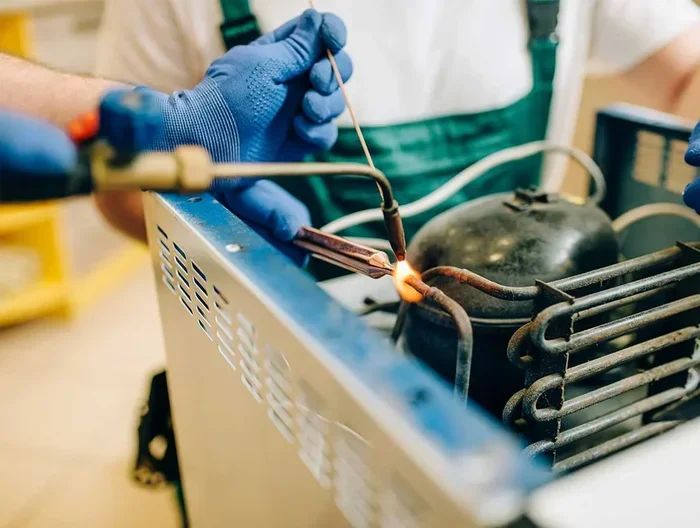
On most Frigidaire refrigerators, the start relay sits on the side of the compressor, which is usually found at the back of the unit. Remove the rear access panel by unscrewing the screws. Once the panel is off, you will see the compressor, a large black box with copper tubes running into it. The relay is a small plastic box clipped or plugged onto the compressor’s side.
Take a photo or note the wire connections before you disconnect anything. This makes reinstallation much easier. The relay typically has a wiring harness connector that plugs into a set of terminals on the compressor. Some models also have a run capacitor nearby, which is a cylindrical metal can with wires coming out of it. Do not confuse the relay with the capacitor.
Removing the Old Relay
To remove the old relay, gently pull the wiring harness connector straight out from the compressor terminal. Use your fingers or needle-nose pliers if it is snug. Avoid yanking the wires themselves. Next, remove the relay mounting clip or screw that holds it in place. The relay should lift off the compressor housing easily.
Before you discard the old relay, inspect it closely. You may see a black burn mark on the contacts or a cracked plastic body. These are clear signs of a failed relay. Even if the relay looks okay, a multimeter test will confirm whether it is still good. I always test the old relay first to rule out other electrical problems.
Installing the New Relay
Take your new Frigidaire compressor start relay and match the wire terminals to the same positions on the compressor. The connector should plug in with a firm click. Make sure no wires are pinched or loose. Secure the relay with its mounting clip or screw, ensuring it sits flush against the compressor housing.
If your model has a run capacitor, leave it exactly as it was. Do not disconnect the capacitor unless you are replacing it as well. Reconnect any other wires you may have moved, such as the compressor ground wire. Double-check every connection before you move on.
Testing the Replacement
Once the new relay is installed, replace the rear access panel and plug the refrigerator back in. Listen carefully for the compressor to start. You should hear a single click from the relay, followed by a low hum as the compressor kicks in. The fan inside the fridge and the condenser fan should also start running.
Wait about 10 minutes and check if the fridge is cooling. Place a thermometer in the fresh food compartment to verify the temperature is dropping. If the compressor starts and runs smoothly, your relay replacement was successful. If you hear continuous clicking or the compressor never starts, turn off the fridge and recheck your wiring.
Quick Tips for a Smooth Replacement
- Always take a photo of the wiring before disconnecting anything.
- Keep the new relay in its anti-static bag until you are ready to install it.
- Clean the relay contacts with a small amount of electrical contact cleaner if they look slightly corroded.
- Work on a stable surface and never place tools on the compressor tubing.
Common Mistakes to Avoid
- Forgetting to unplug the refrigerator before starting the repair.
- Forcing the wiring harness connector, which can damage the terminals.
- Installing the relay backwards or with loose wires, causing a short circuit.
- Replacing the relay without testing the compressor windings first, which can lead to a repeated failure.
Troubleshooting Common Issues After Replacement
When the Relay Works but the Compressor Won’t Start
If you have a new relay installed and the compressor still refuses to start, the problem may lie elsewhere. The relay is just one part of the compressor start circuit. Other components that can cause a no-start condition include a failed run capacitor, a grounded compressor winding, or a defective overload relay. Use your multimeter to test the compressor windings for continuity and insulation breakdown.
Check the start capacitor if your model has one separate from the relay. A swollen or leaking capacitor will not provide the necessary boost. Also, inspect the compressor relay wiring for any burned or loose connections. Sometimes the issue is a simple loose wire that was bumped during the repair.
Relay Still Clicking After Replacement
A relay that clicks but does not engage could mean the new relay is also defective, or the compressor has a mechanical binding issue. Try swapping the relay with an identical model to rule out a bad part. If the new relay clicks and disengages but the compressor never turns, the compressor itself may be seized or have a faulty run winding. In that case, a professional compressor evaluation is necessary.
Cost Considerations and When to Call a Professional
DIY vs. Professional Repair Cost Comparison
One of the biggest advantages of replacing the relay yourself is the cost savings. A new Frigidaire compressor start relay typically costs between $20 and $50, depending on the model. Professional repair calls often range from $150 to $300, which includes the labor charge and the part.
| Repair Option | Part Cost | Labor Cost | Total Cost | Difficulty |
|---|---|---|---|---|
| DIY Relay Replacement | $20 – $50 | $0 | $20 – $50 | Easy |
| Professional Repair | $20 – $50 | $150 – $300 | $170 – $350 | None required |
As you can see, the DIY approach saves a significant amount of money. However, if you are uncomfortable with electrical work or the troubleshooting steps above do not resolve the issue, do not hesitate to call a licensed technician.
How to Choose the Right Replacement Relay
Finding the correct relay for your Frigidaire refrigerator is crucial. The relay must match the compressor’s voltage, amperage, and terminal configuration. Look for the model number on the old relay or in your refrigerator’s user manual. Many online parts retailers allow you to search by model number, which ensures a perfect fit.
Avoid universal relays unless you are certain of the specifications. A mismatched relay can cause the compressor to run poorly or fail prematurely. If you are unsure, take a photo of the old relay and the wiring diagram and ask a parts specialist for help.
Preventive Maintenance Tips for Your Frigidaire Refrigerator
Keeping Your Relay and Compressor Healthy
While a start relay has a limited lifespan, you can take steps to extend its life and prevent premature failure. Keep the condenser coils clean by vacuuming them every six months. Dirty coils force the compressor to run longer and hotter, which stresses the relay and other electrical components.
Ensure the fridge is level and has adequate ventilation around the condenser fan. Good airflow reduces the overall heat load on the compressor. Also, avoid overloading the refrigerator with warm food, which causes the compressor to cycle more frequently. A little preventive maintenance goes a long way toward avoiding a relay repair or a more serious compressor failure.
Expert Insights: Why Relay Failures Happen
Experienced technicians often see relay failures caused by voltage spikes or frequent power surges. These electrical events degrade the relay coil and contacts over time. Another common cause is a failing compressor that draws too much current, which overheats the relay. Keeping your refrigerator on a surge protector can help extend the life of the relay and other sensitive components.
Key Takeaways
- A clicking noise and warm fridge are the top signs of a bad start relay.
- Always unplug the fridge and use a multimeter to confirm the relay is faulty.
- The replacement process is simple: locate, disconnect, remove, install, and test.
- DIY replacement costs under $50, while professional repair can exceed $150.
- If the new relay does not solve the problem, check the run capacitor and compressor windings.
- Regular coil cleaning and surge protection help prevent future relay failures.
Conclusion
Replacing a Frigidaire compressor start relay is a rewarding DIY project that can restore cooling to your refrigerator in under an hour. You have learned how to identify the symptoms of a failed relay, gather the right tools, and follow a clear step-by-step process. By testing the new relay and confirming that your fridge cools properly, you gain the confidence to handle this common repair on your own.
Remember, a small relay is a big deal when it comes to keeping your compressor running. If you ever feel unsure, don’t hesitate to consult a professional. But for most homeowners, this repair is quick, safe, and surprisingly easy. Apply what you have learned, and your Frigidaire refrigerator will be back to keeping your food cold in no time.
Frequently Asked Questions
How do I know if my Frigidaire compressor start relay is bad?
The most common sign is a rapid clicking sound coming from the back of the fridge while the compressor never starts. You may also notice that your refrigerator is not cooling properly, and the condenser fan might run while the compressor stays silent. A simple multimeter test can confirm whether the relay coil is open or the contacts are burned.
Can I replace the start relay myself?
Yes, this is one of the easiest refrigerator repairs you can do at home. You only need basic tools like screwdrivers and a multimeter, along with the correct replacement relay. Always unplug the fridge before starting, and follow the wiring diagram carefully to avoid any electrical mishaps.
How much does it cost to replace a Frigidaire compressor start relay?
A new relay typically costs between $20 and $50 for most Frigidaire models. If you hire a professional, expect to pay between $150 and $300 for labor and the part. Doing it yourself saves a significant amount of money and gives you the satisfaction of a successful repair.
What causes a refrigerator compressor start relay to fail?
Relay failures are often caused by voltage spikes, power surges, or normal wear and tear over time. A compressor that draws too much current can also overheat and damage the relay. Keeping your fridge on a surge protector and ensuring proper ventilation around the condenser coils can help extend the relay’s lifespan.
Is it safe to run a refrigerator with a bad start relay?
No, running a fridge with a failed relay can cause the compressor to overheat because it never gets the initial start winding boost. This can lead to more expensive compressor damage or even a complete compressor failure. It is best to replace the relay as soon as you notice symptoms.
Where can I buy a replacement relay for my Frigidaire refrigerator?
You can find the correct relay through online appliance parts retailers, Frigidaire’s official parts website, or local appliance repair shops. Always verify the model number of your refrigerator and the part number on the old relay before ordering to ensure a perfect fit.