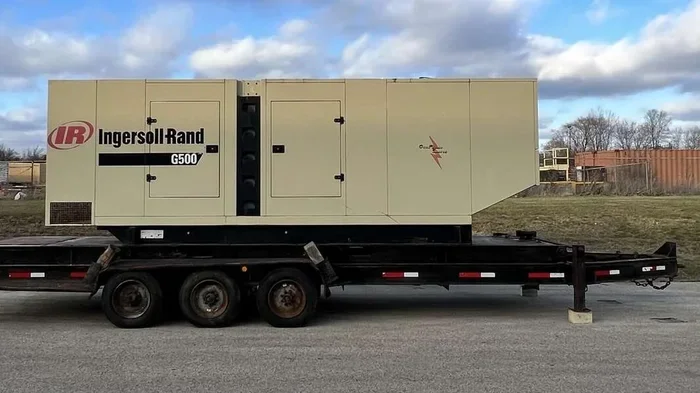
Everything You Need to Know About 3 Phase Generator Rental
3 phase generator rental is the go-to solution for businesses and construction sites that need reliable, heavy-duty power. Whether you are running a job site, hosting an outdoor event, or keeping operations alive during an outage, a three phase unit delivers consistent energy that single phase simply cannot match. This guide covers everything from sizing and costs to fuel types and rental tips so you can make a confident decision.
When you need serious power, a 3 phase generator rental is the answer. Whether you are managing a construction project, powering a large outdoor event, or keeping a business running through an outage, understanding how these machines work and what to look for in a rental can save you time, money, and headaches.
A three phase generator produces three alternating currents that work together to deliver smooth, balanced power. This is very different from a standard single phase unit you might see at a home improvement store. The result is a power supply that can handle heavy loads without breaking a sweat. If you have ever seen a construction site with massive equipment running all day, there is a good chance they were using three phase power.
In this guide, we will walk you through everything you need to know. We will cover how these generators work, what sizes you might need, how much they cost, and how to pick the right rental equipment for your situation. By the end, you will feel confident making the right choice.
Key Takeaways
- Three phase power delivers balanced, efficient energy that is ideal for heavy machinery and large-scale operations.
- Rental costs vary widely based on size, fuel type, and duration, typically ranging from a few hundred to several thousand dollars per week.
- Choosing the right size matters more than you think — undersizing leads to overloads while oversizing wastes money.
- Diesel and natural gas are the most common fuel options, each with distinct pros and cons for different use cases.
- Always inspect the unit before rental and confirm delivery, setup, and pickup logistics with the provider.
- Safety and compliance are non-negotiable — proper grounding, load management, and ventilation are essential.
- Renting is often smarter than buying for short-term needs, offering flexibility and maintenance-free operation.
📑 Table of Contents
- What Is a 3 Phase Generator and Why Does It Matter?
- Common Uses for 3 Phase Generator Rentals
- How to Size the Right Generator for Your Needs
- Fuel Types and Their Impact on Rental Cost
- Rental Costs and What Affects the Price
- Tips for a Smooth Rental Experience
- Common Mistakes to Avoid When Renting a 3 Phase Generator
- Why Renting Beats Buying for Most Projects
- Final Thoughts
What Is a 3 Phase Generator and Why Does It Matter?
A three phase generator produces electrical power using three separate coils spaced 120 degrees apart. This creates three alternating current waves that peak at different times. The result is a constant, steady flow of energy. Single phase generators, by contrast, have pauses between their power waves, which can cause flickering and instability.
Here is why that matters for your project:
- Smooth power delivery: Three phase current flows continuously, reducing vibration and wear on motors and heavy equipment.
- Higher efficiency: These generators use fuel more effectively, especially under heavy loads.
- Greater capacity: They can handle much larger wattage capacity demands than single phase units.
- Better for motors: Industrial motors run cooler and last longer on three phase power.
If you are running an industrial generator setup or powering tools like welders, compressors, or large pumps, three phase is not just nice to have. It is often a requirement. The voltage output is more stable, which protects sensitive electrical equipment from damage caused by power fluctuations.
Single Phase vs. Three Phase: A Quick Comparison
It helps to understand the difference clearly before you commit to a rental. Here is a simple breakdown:
- Single phase: Good for homes, small tools, and light commercial use. It delivers power in a single wave that dips to zero twice per cycle.
- Three phase: Ideal for construction sites, factories, farms, and large events. The three waves overlap, providing near-uninterrupted power delivery.
For most residential backup needs, a single phase unit works fine. But if you are dealing with heavy machinery or need to run multiple high-draw tools at once, a three phase power setup is the clear winner.
Common Uses for 3 Phase Generator Rentals
These generators are incredibly versatile. They show up in a wide range of situations where reliable, high-capacity power is essential. Let us look at the most common uses.
Construction Sites
Construction is probably the biggest user of 3 phase generator rental services. Job sites need to power concrete mixers, saws, cranes, lighting rigs, and air compressors. A single phase generator simply cannot keep up with all of these tools running at the same time. A three phase unit provides the continuous power these tools demand without tripping breakers or causing voltage drops.
For example, a mid-sized construction project might need a generator rated at 100 to 250 kilowatts. This is well beyond what a typical portable unit can handle. Renting a three phase machine lets the crew work efficiently without worrying about power interruptions.
Outdoor Events and Festivals
Concerts, fairs, and festivals often take place in locations without access to permanent electrical infrastructure. Event organizers rely on temporary power solutions to run sound systems, lighting rigs, food vendors, and ticket booths. A three phase generator delivers the stable power needed to keep everything running smoothly throughout the event.
Emergency Backup for Businesses
Hospitals, data centers, and manufacturing plants cannot afford even a momentary power outage. A standby generator with three phase output serves as a reliable backup that kicks in automatically when main power fails. Renting one for a short-term project or during maintenance of the primary backup system is a smart and cost-effective strategy.
Agricultural Operations
Farms often need three phase power to run irrigation systems, milking machines, grain dryers, and barn ventilation. Many rural areas do not have three phase utility power available, making rental units an essential investment for seasonal work.
How to Size the Right Generator for Your Needs
Sizing is one of the most important decisions you will make. Too small, and you risk overloading the unit or damaging your equipment. Too large, and you waste money on fuel and rental fees. Here is how to get it right.
Step 1: List Your Equipment and Calculate Total Load
Start by making a list of every tool and machine you plan to run at the same time. Check the nameplate on each device for its wattage or amperage. Add up the running wattage and then add a buffer of about 25 percent for startup surges. This gives you your minimum required wattage capacity.
For instance, if your tools total 80 kilowatts of running load, you should look for a generator rated at least 100 kilowatts. This extra headroom prevents overloads and extends the life of both the generator and your equipment.
Step 2: Consider Prime Power vs. Standby Power
Generators are rated for different types of use. Prime power means the unit can run continuously at full load for an unlimited number of hours. Standby power means it is designed to kick in during outages and run for limited periods, typically no more than 500 hours per year.
If you need power for a multi-week construction project, you want a prime-rated unit. If you only need it for occasional backup, a standby-rated machine will work and may cost less to rent.
Step 3: Match the Phase Configuration to Your Equipment
Check whether your tools and machinery require three phase input. Many industrial motors and heavy-duty tools are built specifically for three phase power. Running them on a single phase generator through a phase converter can cause performance issues and even damage. Always confirm the voltage and phase requirements before you rent.
If you are unsure about sizing, many rental companies offer free consultations. They can help you match the right generator size to your specific project needs.
Fuel Types and Their Impact on Rental Cost
The fuel type you choose affects everything from rental price to operating cost and environmental impact. Here are the most common options for 3 phase generators.
Diesel
Diesel is the most popular fuel for three phase generators, especially in construction and industrial settings. It offers excellent fuel efficiency, high torque, and reliable performance under heavy loads. Diesel units also tend to have longer engine lives and lower maintenance costs compared to other fuel types.
The downside is that diesel fuel costs more per gallon than natural gas and produces more emissions. For indoor or enclosed spaces, proper ventilation is critical. However, for outdoor job sites, diesel remains the top choice for most contractors.
Natural Gas
Natural gas is a cleaner-burning fuel that is often cheaper than diesel. It produces fewer emissions and is widely available through utility lines. Some electrical generator setups use natural gas as a primary or backup fuel source.
However, natural gas has lower energy density than diesel, meaning a natural gas unit may consume more fuel to produce the same output. If you are concerned about natural gas consumption or fuel costs over a long rental period, this is an important factor to consider.
Propane
Propane is a middle-ground option. It burns cleaner than diesel and is often easier to store and transport than natural gas. Propane units are popular for events and remote locations where utility connections are not available. The trade-off is slightly lower fuel efficiency compared to diesel.
| Fuel Type | Efficiency | Cost per Unit | Emissions | Best For |
|---|---|---|---|---|
| Diesel | High | Higher | Moderate | Construction, industrial, heavy loads |
| Natural Gas | Moderate | Lower | Low | Backup power, environmentally sensitive areas |
| Propane | Moderate | Moderate | Low | Events, remote sites, clean-burning needs |
Your choice should depend on your project location, duration, budget, and environmental requirements. Talk with your rental provider about which fuel makes the most sense for your specific situation.
Rental Costs and What Affects the Price
Understanding generator rental cost helps you budget accurately and avoid surprises. The price you pay depends on several factors.
Size and Capacity
Larger generators cost more to rent. A small three phase unit in the 30 to 50 kilowatt range might cost a few hundred dollars per day. A large industrial unit rated at 500 kilowatts or more can run several thousand dollars per week. The generator size you need directly drives the rental rate.
Rental Duration
Most rental companies offer discounts for longer rental periods. A daily rate might be $150 to $300, but a weekly rate could be $500 to $1,200. Monthly rates are even lower per day. If your project timeline is flexible, renting for a longer period at a discounted weekly or monthly rate can save significant money.
Delivery and Setup Fees
Some rental companies include delivery and setup in the price, while others charge separately. If the generator is heavy and requires special transport equipment, delivery fees can add up. Always ask for a full breakdown of costs before you sign a rental agreement. This includes delivery, pickup, fuel charges, and any applicable taxes.
Additional Services
Options like fuel delivery, on-site maintenance, and load management equipment can increase the total cost. However, these services add convenience and peace of mind, especially for long-term rentals or complex setups. Weigh the cost against the value of not having to manage these details yourself.
Tips for a Smooth Rental Experience
Renting a three phase generator is straightforward, but a few smart moves can make the process much smoother. Here are practical tips that real users swear by.
Inspect the Unit Before Accepting Delivery
When the generator arrives, do a thorough inspection before you sign off on the delivery. Check for visible damage, verify the fuel level, test the start-up, and confirm all outlets and connections are working properly. Take photos and note any existing damage on the rental agreement. This protects you from being charged for pre-existing issues later.
Confirm Load Management Practices
Do not just plug everything in and turn it on. Spread your loads evenly across all three phases to maintain balance. An unbalanced load can cause overheating, reduced efficiency, and even equipment damage. If you are not sure how to distribute your loads, ask the rental company for guidance or hire a licensed electrician for the setup.
Plan for Ventilation and Placement
Generators produce carbon monoxide and exhaust fumes that are dangerous in enclosed or poorly ventilated spaces. Always place the unit outdoors or in a well-ventilated area. Keep it away from doors, windows, and air intakes. A backup generator size that fits your space safely is just as important as one that fits your power needs.
Keep a Rental Log
Track your usage hours, fuel consumption, and any issues that arise during the rental period. This information is valuable for future rentals and helps you refine your power planning for upcoming projects. It also helps you understand your actual fuel consumption patterns, which can inform purchasing decisions if you ever decide to buy instead of rent.
Return the Unit on Time and in Good Condition
Late returns often come with extra fees, so plan your project timeline carefully. Before returning the unit, run it under load to confirm it is still functioning properly. Clean it up, return all accessories, and document the condition with photos. A smooth return process protects your deposit and your relationship with the rental company.
Common Mistakes to Avoid When Renting a 3 Phase Generator
Even experienced project managers sometimes make mistakes when renting power equipment. Here are the most common ones and how to avoid them.
- Undersizing the generator: This is the number one mistake. Running a generator at or near full capacity constantly reduces its lifespan and increases the risk of breakdowns. Always add a safety buffer to your load calculations.
- Ignoring fuel logistics: Do not assume fuel is included or that you can easily refuel during the rental period. Confirm fuel arrangements upfront, especially for remote sites.
- Skipping the inspection: Accepting a damaged unit without documentation can lead to disputes and unexpected charges later.
- Neglecting load balancing: Uneven loads across phases cause inefficiency and can damage both the generator and your connected equipment.
- Forgetting about noise and permits: Some rental sites have noise restrictions or require permits for generator use. Check local regulations before you set up.
Avoiding these mistakes keeps your project on schedule, your budget intact, and your equipment safe. A little planning goes a long way toward a successful rental experience.
Why Renting Beats Buying for Most Projects
You might wonder whether it is better to buy a three phase generator instead of renting one. For most people and businesses, renting is the smarter choice. Here is why.
First, rental equipment comes with maintenance included. The rental company handles all servicing, repairs, and compliance checks. You do not need to worry about engine oil changes, filter replacements, or seasonal storage. This alone can save thousands of dollars over the life of a generator.
Second, renting gives you flexibility. Project needs change. A unit that is perfect for one phase of a construction project might be oversized for the next phase. With rental, you can swap to a different size or type without the hassle of selling or storing old equipment.
Third, the upfront cost is much lower. A quality three phase generator can cost tens of thousands of dollars to purchase. Renting the same unit for a few weeks costs a fraction of that. For short-term projects, the financial case for renting is clear.
If you are only using a generator for a one-time event, a seasonal project, or a temporary backup solution, renting is almost always the better option. Save your capital for the things that matter most to your business.
Final Thoughts
3 phase generator rental is a powerful, flexible, and cost-effective way to keep your operations running. From construction sites to outdoor events to emergency backup, these machines deliver the reliable, balanced power that heavy-duty operations demand. By understanding how they work, sizing correctly, choosing the right fuel, and following smart rental practices, you set yourself up for success.
Take the time to plan ahead. Calculate your load, compare rental options, and ask questions before you commit. The right rental partner will guide you through the process and make sure you get exactly what you need. With the right three phase generator on site, you can tackle any project with confidence.
Power your next project the smart way. Rent a 3 phase generator that matches your needs and enjoy the peace of mind that comes with reliable, professional-grade power. Your equipment, your timeline, and your budget will all thank you.
Frequently Asked Questions
How much does it cost to rent a 3 phase generator?
Rental costs depend on the size, fuel type, and duration. Small units in the 30 to 50 kilowatt range may cost a few hundred dollars per day, while large industrial units can run several thousand dollars per week. Always ask for a full cost breakdown before booking.
What size 3 phase generator do I need for a construction site?
It depends on your equipment. List all tools and machines, add up their wattage, and include a 25 percent buffer for startup surges. Most construction sites need a unit between 100 and 300 kilowatts, but your specific requirements may vary.
Can I use a 3 phase generator for residential backup power?
Yes, but most homes use single phase power. You would need a phase converter or a transformer to adapt the output. For most residential backup needs, a single phase generator is simpler and more cost-effective. A three phase unit makes sense mainly for large homes with heavy electrical loads.
What is the difference between prime power and standby power ratings?
Prime power means the generator can run continuously at full load for unlimited hours. Standby power is for intermittent use during outages, typically limited to 500 hours per year. Choose prime power for ongoing operations and standby power for backup-only applications.
Do I need to hire an electrician for setup?
It depends on your experience and the complexity of the setup. For simple connections, a knowledgeable operator can handle it. For complex installations or high-voltage setups, hiring a licensed electrician is strongly recommended for safety and compliance.
How far in advance should I book a generator rental?
For common sizes and short-term needs, booking a week or two in advance is usually enough. For large industrial units or peak demand periods like summer hurricane season, booking a month or more ahead is wise to ensure availability.