How Many Gallon Air Compressor Do I Actually Need
Choosing the right air compressor starts with understanding gallon size. A small 1- to 6-gallon unit works great for quick tasks like inflating tires, while a 20- to 60-gallon tank handles heavy-duty shop work. The right air compressor tank size depends on your tools, your space, and how often you use it.
So you need an air compressor, but you are not sure what size to get. The question “how many gallon air compressor do i need” comes up all the time, and for good reason. The gallon size of your air compressor tank directly affects how long you can run your tools, how often the motor kicks on, and whether the unit fits in your workspace.
Picking the wrong size can leave you frustrated. A tank that is too small means constant refilling and downtime. One that is too big wastes money and takes up space you do not have. The sweet spot is somewhere in the middle, but that middle ground looks different for every user.
This guide breaks down everything you need to know about air compressor tank size. We will walk through common uses, tool requirements, and practical tips so you can make a confident choice. Whether you are a weekend DIYer or a full-time mechanic, you will find the answers here.
Let us start with the basics of how compressor tanks work and why gallons matter so much.
Key Takeaways
- Small compressors (1-6 gallons): Best for inflating tires and light tasks around the house.
- Medium compressors (20-30 gallons): Perfect for most home garage projects and common air tools.
- Large compressors (60+ gallons): Built for professional workshops and continuous heavy-duty work.
- Match your compressor to the tools you use most. CFM and horsepower matter just as much as gallons.
- Portable units save space but may not deliver enough power for demanding jobs.
- Duty cycle and runtime affect how long you can run your compressor before it needs to rest.
- Don’t overspend on a tank that’s too big for your actual needs.
📑 Table of Contents
Understanding Air Compressor Tank Sizes
What Does Tank Size Mean?
The gallon rating on an air compressor tells you the volume of air the tank can hold. Think of it like a gas tank in a car. A bigger tank holds more compressed air, which means your tools run longer before the motor needs to kick back on.
Compressor tanks come in a wide range of sizes. At the small end, you have portable units around 1 to 6 gallons. These are compact and lightweight. In the middle, you find 20- to 30-gallon tanks that handle most home and garage tasks. On the large end, 60-gallon and bigger tanks are built for professional shops and continuous use.
The compressor gallons you need depend entirely on what you plan to do with it. A homeowner inflating tires does not need the same setup as a painter running a spray gun for hours.
Why Gallons Matter for Your Tools
Here is why tank size matters. When you fire up an air tool, it draws air from the tank. If the tank is small, it empties fast. The compressor motor kicks on to refill the tank, and your tool pressure drops. This cycle repeats over and over.
A larger air compressor capacity means the tank holds more reserve air. Your tools stay at steady pressure longer. The motor cycles less often, which reduces wear and tear. You also get fewer interruptions during your work.
This is especially important for tools that need a constant airflow. A compressor for nail gun work, for example, requires steady pressure to drive nails consistently. The same goes for a compressor for impact wrench, which needs a big burst of air each time you pull the trigger.
How to Choose the Right Gallon Size
Match the Compressor to Your Tools
The first step in choosing your air compressor tank size is to look at the tools you will be using. Each tool has a CFM (cubic feet per minute) rating that tells you how much air it consumes. The higher the CFM, the more air the tool needs.
Here is a simple way to think about it. If your tools have low CFM requirements, a smaller tank works fine. If your tools demand high CFM, you need a bigger tank to keep up. Here is a quick breakdown:
- Low CFM tools (0-3 CFM): Brad nailers, pin nailers, small inflators. A 1- to 6-gallon tank handles these easily.
- Medium CFM tools (3-5 CFM): Drills, grinders, basic impact wrenches. A 20- to 30-gallon tank is the sweet spot.
- High CFM tools (5+ CFM): Sandblasters, large impact wrenches, spray painting equipment. You need a 60-gallon or larger tank.
Always check the CFM requirements of your most demanding tool. That tool will dictate the minimum air compressor capacity you need.
Consider Your Usage Frequency
How often you use your compressor matters too. If you only use it once a month to inflate tires, a small portable unit is all you need. But if you run a garage full of time every day, you want a larger tank that can keep up.
Frequent users also benefit from a higher compressor horsepower rating. A bigger motor fills the tank faster, which means less waiting between tasks. Think about your routine. Are you doing quick jobs or long projects? The answer helps you pick the right size.
Also consider the space where your compressor will live. A compressor for home garage setup needs to fit comfortably without blocking your workspace. Measure your available space before you shop.
Common Uses and Recommended Sizes
Home Garage Projects
For most homeowners, a 20- to 30-gallon compressor hits the sweet spot. It is big enough to run common tools like impact wrenches, drills, and air ratchets. It is also small enough to fit in a standard two-car garage without taking over the whole space.
A 20-gallon pancake compressor is a popular choice for this use case. Pancake models are compact and lightweight, making them easy to move around. They work great for tire inflation, light drilling, and basic fastening tasks.
If you do occasional sanding or minor painting, a 30-gallon tank gives you a bit more reserve air. You will spend less time waiting for the tank to refill between coats.
Professional Workshop Use
Professional shops and serious hobbyists usually need more air. A large air compressor with a 60-gallon tank or bigger is the standard for these setups. These units can run multiple tools at once and handle continuous work without overheating.
Think about a compressor for painting a full car. Spray guns use a lot of air, and you need a steady supply for hours. A 60-gallon tank with a high-HP motor keeps the pressure consistent throughout the job.
Similarly, if you run a shop with several workers using tools at the same time, a bigger tank is non-negotiable. The air tool CFM adds up fast when multiple people are working.
Portable and On-the-Go Needs
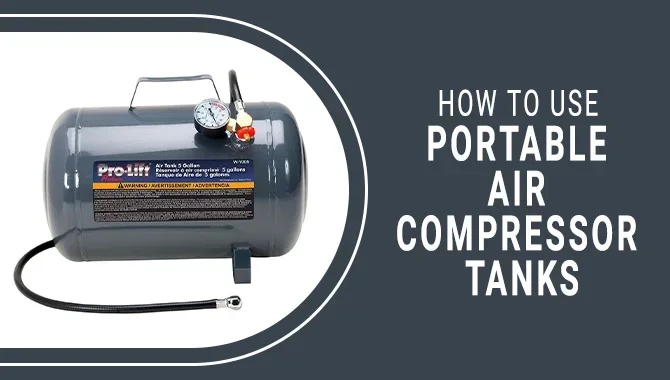
If you need your compressor on job sites or for travel, portability is key. A portable air compressor in the 1- to 6-gallon range is lightweight and easy to transport. These units are perfect for inflating tires on the road, powering small nail guns, or running basic air tools at remote locations.
Some people also need a compressor for camping or RV setups. If you are comparing power equipment for portable use, you might also want to check out how big of a generator do i need for my camper to make sure your whole setup works together.
Portable vs. Stationary Compressors
Small Air Compressor Options
Small compressors in the 1- to 6-gallon range are the go-to choice for light-duty work. They are affordable, easy to store, and perfect for simple tasks like inflating balls, tires, and small toys.
Most small units are oil-free designs, which means less maintenance. You do not need to check or change oil levels. Just plug them in, and they are ready to go. A small air compressor is also quiet compared to larger models, making it a good choice for indoor use.
The trade-off is runtime. A 2-gallon tank might only give you 30 seconds to a minute of continuous air before the motor kicks on to refill. That is fine for quick jobs, but it will slow you down on bigger projects.
Large Air Compressor Options
Large compressors with 60-gallon or bigger tanks are built for heavy-duty, all-day work. They typically come with more powerful motors, higher CFM output, and longer runtime between refill cycles.
These units are heavier and less portable. They are usually stationary and stay in one spot in a shop or garage. But for continuous work, nothing beats a big tank. The motor cycles less, the tools stay at steady pressure, and you get more done in less time.
When comparing options, think about how long you can run a piece of equipment before it needs refueling or rest. This is similar to thinking about how long can a generator run on a full tank, because both questions deal with runtime and capacity.
Factors That Affect Your Decision
Horsepower and CFM Ratings
Horsepower and CFM go hand in hand when choosing a compressor. Horsepower determines how fast the motor can fill the tank. CFM tells you how much air the compressor delivers at a given pressure. Both numbers matter for picking the right compressor gallons.
A higher HP motor fills a tank faster. This is especially helpful if you use tools that demand a lot of air in short bursts. But HP alone does not tell the whole story. You also need to look at the CFM rating at the pressure your tools require.
A good rule of thumb: add up the CFM of all the tools you plan to run at the same time, then multiply by 1.5. This gives you a buffer for peak demand. Choose a compressor that meets or exceeds that number.
Duty Cycle and Runtime
The compressor duty cycle tells you what percentage of time the compressor can run safely before it needs to rest. A 50% duty cycle means the compressor can run for 10 minutes out of every 20-minute period. A 100% duty cycle means it can run continuously without stopping.
For light home use, a 50% duty cycle is usually fine. For professional or continuous use, look for a unit with a higher duty cycle or a larger tank. A bigger tank gives you more stored air, which effectively extends your runtime between motor cycles.
If you are comparing equipment options, you might also want to understand how long different types of power equipment can run. For example, check out how long can a generator run to compare runtime across different types of machines.
Oil-Free vs. Oil-Lubricated Models
Most small and medium compressors today are oil-free. They require less maintenance and are lighter in weight. For home and garage use, oil-free models are the practical choice.
Larger professional compressors sometimes use oil lubrication. These models last longer under heavy use and run cooler, but they require regular oil changes and maintenance. If you are running a professional shop, an oil-lubricated compressor might be worth the extra care.
Common Mistakes to Avoid
One of the biggest mistakes people make is buying a compressor based on price alone. A cheap small tank might seem like a good deal, but if it cannot keep up with your tools, you will be frustrated every time you use it.
Another common error is ignoring the CFM requirements of your tools. Gallons and CFM are different things. A tank can be big but still deliver air too slowly for your needs. Always match both the tank size and the CFM rating to your tools.
People also forget about placement. Where you put your compressor matters for safety and performance. Just like how far should generator be from house for safety reasons, your compressor should be placed in a well-ventilated area away from heat sources and flammable materials.
Finally, do not ignore maintenance. Even a small compressor needs regular draining of the tank to prevent moisture buildup. A quick drain after each use can extend the life of your machine significantly.
Conclusion
So, how many gallon air compressor do i need? The answer depends on your tools, your workspace, and how often you use the compressor. For most homeowners, a 20- to 30-gallon unit covers the majority of tasks. Light users can get by with a 6-gallon portable model. Heavy-duty professionals need 60 gallons or more.
The key is to match your air compressor tank size to your actual needs. Look at the CFM requirements of your most demanding tool, consider how often you will use the compressor, and think about the space you have available. Get these factors right, and you will have a setup that works smoothly for years.
Take the time to do your research before you buy. A well-chosen compressor saves you time, money, and frustration. Use the guidelines in this article to find your perfect match, and you will be ready to tackle any project that comes your way.
Frequently Asked Questions
Can I use a small air compressor for impact wrench work?
A small compressor can run a light impact wrench for quick jobs, but it will struggle with sustained use. Impact wrenches need a lot of air in short bursts. A 20- to 30-gallon tank is a better match for regular impact wrench work.
What happens if my compressor tank is too small?
A tank that is too small means the motor cycles on and off frequently. This wears out the motor faster, reduces tool performance, and interrupts your workflow. You will also notice pressure drops when you trigger your air tools.
Is a 20-gallon compressor enough for home use?
Yes, a 20-gallon compressor handles most home garage tasks with ease. It works well for impact wrenches, drills, nail guns, and tire inflation. Most homeowners find this size to be the perfect balance of power and portability.
Do I need an oil-free compressor for my garage?
Oil-free compressors are ideal for home garages. They require less maintenance, are lighter, and do not risk oil contamination in your air tools. For most homeowners, an oil-free model is the smarter and simpler choice.
How often should I drain my compressor tank?
You should drain your compressor tank after every use. Moisture from compressed air collects at the bottom of the tank. If left unchecked, it can cause rust and reduce tank life. A quick drain takes only a few seconds.
Can I run multiple air tools on one compressor?
Yes, but only if your compressor has enough CFM output to handle the combined demand of all the tools. Add up the CFM ratings of each tool and make sure your compressor exceeds that total by at least 50% for reliable performance.