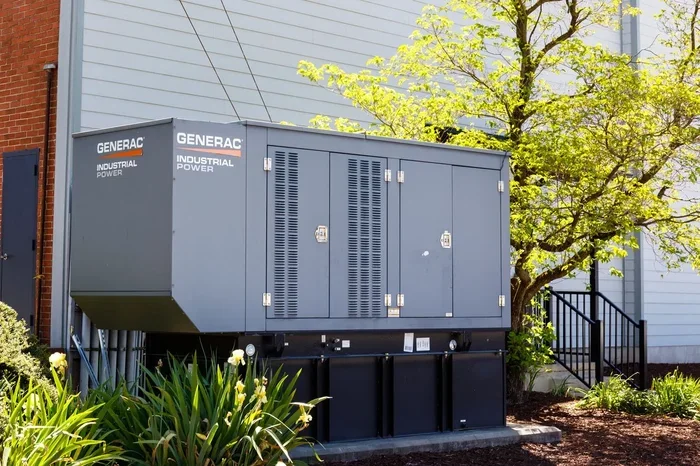
Best Commercial Standby Generator for Your Business
A commercial standby generator keeps your business running when the power goes out. It provides automatic backup power within seconds, protecting your equipment, data, and revenue. Choosing the right unit means understanding your power needs, fuel options, and budget. This guide covers everything you need to pick the best commercial standby generator for your business.
Running a business means dealing with surprises. Power outages are among the most disruptive. They can shut down operations, ruin sensitive equipment, and cost thousands of dollars per hour. That is exactly why a commercial standby generator is one of the smartest investments a business owner can make.
Unlike portable generators, a commercial standby unit is a permanent installation. It sits outside your building and connects directly to your electrical system. When the grid goes down, it automatically kicks in, usually within seconds. You barely even notice the switch. This seamless backup keeps lights on, computers running, and production lines moving.
But not all standby generators are the same. Size, fuel type, brand, and features all vary widely. Picking the wrong one can lead to wasted money or, worse, a system that fails when you need it most. This guide walks you through everything you need to know about selecting the best commercial standby generator for your business.
The most important step in choosing a commercial standby generator is understanding your power needs. Every business is different. A small retail shop has very different requirements than a large manufacturing facility.
Start by making a list of all the equipment and systems that must stay running during an outage. This includes lights, computers, HVAC systems, production machinery, and security systems. Write down the wattage or amperage for each item. Add them all up to get your total power requirement.
There are two key numbers to understand: running watts and starting watts. Running watts are the continuous power needed to keep equipment running. Starting watts are the extra burst of power needed when motors and compressors kick on. This is especially important if your business uses refrigeration or heavy machinery.
A commercial standby generator is rated in kilowatts (kW) or kilovolt-amperes (kVA). As a rule of thumb, you should size your generator about 20 to 25 percent higher than your peak load. This buffer prevents the unit from running at full capacity all the time, which reduces wear and improves longevity.
If you are unsure about your power needs, consult a licensed electrician. They can perform a load analysis and recommend the right size. Getting this step right is the foundation of a good backup power system.
Now let us talk about fuel. The fuel type you choose affects everything from operating costs to environmental impact. The two most common options for a commercial standby generator are diesel and natural gas.
Diesel generators are known for their durability and high energy output. They are ideal for heavy-duty applications like construction sites, warehouses, and manufacturing plants. Diesel fuel has a long shelf life, which makes it reliable for emergency storage. However, diesel units tend to be louder and produce more emissions. They also require more frequent maintenance.
Natural gas generators are cleaner and quieter. They connect directly to your existing gas line, so you never run out of fuel. This is a huge advantage during long outages. Natural gas is also widely available and often cheaper than diesel. Many businesses prefer natural gas for their commercial standby generator because of the lower operating costs and reduced environmental footprint.
Propane is another option, though less common for large commercial units. It works well in areas where natural gas is not available. Propane burns clean and stores indefinitely, but it requires on-site tank storage.
Each fuel type has trade-offs. Consider your local fuel availability, budget, noise restrictions, and environmental regulations when making your choice.
The commercial standby generator market is filled with reputable brands. Here is a closer look at some of the top contenders.
Generac is one of the most popular names in standby power. They offer a wide range of commercial units with automatic transfer switches. Generac generators are known for their reliability and user-friendly controls. Their commercial line handles everything from small offices to large industrial sites.
Cummins is a powerhouse in the generator world. They build heavy-duty units designed for continuous, demanding use. Cummins generators are built to last, with robust frames and long service intervals. They are a top choice for hospitals, data centers, and large manufacturing plants.
Kohler also has a strong reputation. Their commercial generators are engineered for efficiency and quiet operation. Kohler units often include advanced monitoring systems that send alerts to your phone or computer. This makes remote management much easier.
When comparing brands, look at warranty coverage, parts availability, and local service support. A great unit means little if you cannot get it repaired quickly. You may also want to check out electrical generator options for smaller-scale backup needs.
Installing a commercial standby generator is not a DIY project. It requires professional expertise to ensure safety and code compliance. A licensed installer will handle electrical connections, fuel line setup, and ventilation requirements.
The installation process typically starts with site preparation. Your installer will determine the best location for the unit, usually outside and away from windows and air intakes. They will pour a concrete pad or use a mounting frame to secure the generator.
Next comes the electrical connection. An automatic transfer switch (ATS) is installed between the generator and your main panel. The ATS detects power loss and signals the generator to start. Once power is restored, it switches back to the grid seamlessly. This entire process happens in seconds.
Fuel line installation depends on your chosen fuel type. For natural gas, a licensed plumber connects the unit to your gas main. For diesel, a fuel tank is installed with proper containment measures.
After installation, the unit must be tested. Generator testing ensures everything works correctly under load. The installer will run the generator at full capacity and check all safety features.
Ongoing maintenance is just as important as installation. Regular servicing keeps your commercial standby generator ready to perform when you need it most. Most manufacturers recommend a maintenance schedule based on runtime hours or calendar intervals.
A typical maintenance plan includes oil changes, filter replacements, coolant checks, and battery inspections. The starter battery is especially important. A dead battery means the generator will not start, no matter how well the rest of the unit is maintained.
Many modern commercial generators include self-testing features. These systems run automatic weekly or monthly test cycles. They exercise the engine under light load and report any issues. This proactive approach helps catch problems early.
You should also keep a maintenance log. Document every service, repair, and test. This record is valuable for warranty claims and resale value. And it gives you peace of mind knowing your backup power system is in top shape.
The cost of a commercial standby generator varies significantly. Several factors influence the final price, including size, fuel type, brand, and installation complexity.
Small commercial units in the 50 to 100 kW range typically cost between $15,000 and $40,000 installed. These are suitable for small businesses, retail stores, and offices. Mid-range units from 100 to 250 kW run from $40,000 to $100,000. These serve medium-sized businesses with moderate power demands.
Large industrial generators above 250 kW can exceed $100,000, sometimes reaching $200,000 or more. These are for factories, hospitals, data centers, and other high-demand operations.
Natural gas units tend to cost more upfront than diesel but often have lower long-term fuel costs. Diesel units are cheaper to purchase but require more maintenance and have higher fuel expenses over time.
Installation costs add another $5,000 to $15,000 depending on your location and complexity. Electrical upgrades, concrete pads, and fuel line work all factor in.
Do not forget to budget for ongoing maintenance. Annual servicing typically costs 10 to 15 percent of the unit’s purchase price. This investment pays for itself many times over by preventing costly breakdowns.
For a detailed look at fuel consumption and operating costs, you can explore how much natural gas does a generator use to better estimate your monthly expenses.
A commercial standby generator is more than a convenience. It is a critical component of business continuity planning. Power outages happen for many reasons: storms, equipment failures, grid overloads, and accidents. Without backup power, every minute of downtime translates to lost revenue.
Many industries face strict regulations about power reliability. Healthcare facilities, data centers, and food storage operations must maintain uninterrupted power. A standby generator helps you meet these requirements and avoid penalties.
Beyond compliance, a backup power system protects your reputation. Customers expect consistent service. A prolonged outage without backup power can drive clients to competitors. Having a reliable commercial standby generator signals professionalism and preparedness.
The return on investment is clear when you calculate the cost of a single major outage. Lost sales, spoiled inventory, damaged equipment, and recovery time all add up fast. A quality generator pays for itself after just one significant power event.
Now that you understand the key factors, here are some quick tips to guide your decision.
- Get a professional load assessment. Do not guess your power needs. Let an expert calculate your requirements accurately.
- Choose a fuel type that fits your location. Natural gas is great where available. Diesel works well in remote areas.
- Prioritize brands with strong local support. You want service technicians nearby when you need them.
- Invest in an automatic transfer switch. This ensures seamless, hands-free power switching during outages.
- Plan for future growth. Size your generator with room to expand if your business grows.
- Ask about warranty and service plans. A strong warranty gives you confidence and protects your investment.
One common mistake is buying a generator that is too small. People often underestimate their power needs and end up with a unit that cannot handle the load. This leads to overload trips and potential damage to both the generator and your equipment. Always add a safety margin when sizing your unit.
Another mistake is skipping professional installation. A commercial standby generator is a complex system. Improper wiring or fuel connections create serious safety hazards, including fire risks and carbon monoxide exposure. Always hire qualified professionals.
Neglecting maintenance is perhaps the biggest error of all. A generator that sits unused for years may fail when you turn it on during an emergency. Regular testing and servicing are non-negotiable for reliable performance.
Finally, do not overlook the importance of monitoring. Modern generators come with advanced diagnostic systems. Use them to track performance, fuel levels, and maintenance reminders. Remote monitoring can alert you to issues before they become serious problems.
The power of technology has made standby generators smarter and more efficient. Today’s commercial standby generator units come equipped with digital controls, remote monitoring, and automated diagnostics. You can check your generator’s status from your smartphone or computer.
Some advanced models integrate with building management systems. They can automatically adjust power distribution based on real-time demand. This level of intelligence helps businesses optimize energy use and reduce waste.
Generator battery technology has also improved. Lithium-ion batteries are becoming more common, offering longer life and faster recharge times. For businesses that rely on a commercial standby generator as their primary backup, this means greater reliability and less downtime.
Fuel efficiency has improved dramatically as well. Modern engines use advanced combustion technology to extract more power from less fuel. This reduces operating costs and lowers emissions. If you are considering a natural gas unit, you may want to learn more about natural gas generator fuel usage to understand the long-term savings.
Looking ahead, the commercial standby generator market will continue to evolve. Expect to see more units with hybrid fuel capabilities, AI-driven predictive maintenance, and even tighter emission controls. Businesses that invest in quality backup power today are positioning themselves for the future.
Choosing the best commercial standby generator for your business comes down to understanding your needs, comparing options, and working with trusted professionals. There is no one-size-fits-all answer. The right generator is the one that matches your power requirements, fits your budget, and suits your operating environment.
Take the time to research and plan. Get multiple quotes from reputable dealers. Ask questions about fuel efficiency, maintenance schedules, and warranty terms. The more informed you are, the better your decision will be.
A reliable backup power system gives you peace of mind. It means you can focus on running your business, not worrying about the next outage. Whether you run a small office or a large industrial facility, investing in a quality commercial standby generator is a decision you will not regret.
Start the process today. Assess your power needs, explore your options, and connect with a professional installer. Your business deserves the protection that only a dependable backup power system can provide.
Key Takeaways
- Automatic Power Protection: A commercial standby generator kicks in within seconds of an outage, keeping operations smooth.
- Fuel Options Matter: Diesel and natural gas are the top choices, each with distinct benefits for different business sizes.
- Sizing Is Critical: Matching your generator capacity to your actual power needs prevents overspending or underperformance.
- Maintenance Extends Lifespan: Regular testing and servicing keep your backup power system reliable for years.
- Cost Varies Widely: Prices range from a few thousand dollars to over $50,000 depending on size and features.
- Professional Installation Pays Off: Proper setup ensures safety, compliance, and optimal performance.
Frequently Asked Questions
What size commercial standby generator do I need for my business?
Your generator size depends on your total power requirements. Add up the wattage of all essential equipment and add a 20 to 25 percent buffer. A licensed electrician can perform a load analysis to give you an accurate recommendation for your commercial standby generator size.
How long can a commercial standby generator run continuously?
Most commercial standby generators can run for 24 to 72 hours on a full tank of fuel. Natural gas units can run indefinitely as long as the gas supply remains active. Regular maintenance and proper sizing help maximize runtime and engine life.
Is diesel or natural gas better for a commercial standby generator?
It depends on your needs. Diesel offers higher energy density and lower upfront cost but requires more maintenance. Natural gas burns cleaner and connects to a steady fuel supply but may cost more initially. Evaluate your budget, fuel availability, and environmental goals before deciding.
How often should I service my commercial standby generator?
Most manufacturers recommend servicing every 500 to 1,000 runtime hours or at least once per year. Regular oil changes, filter replacements, and battery checks keep your generator running reliably. Skipping maintenance is the fastest way to ensure a failure when you need backup power most.
Can I install a commercial standby generator myself?
No. Professional installation is required for safety and code compliance. A licensed installer handles electrical connections, fuel line setup, and ventilation. Improper installation can void warranties and create serious safety hazards including fire and carbon monoxide risks.
How much does a commercial standby generator cost installed?
Costs range from $15,000 for small units to over $200,000 for large industrial systems. Installation adds $5,000 to $15,000 depending on complexity. Natural gas units tend to have higher upfront costs but lower long-term fuel expenses compared to diesel models.