Speed Air Compressor Parts and How to Pick the Right One
Choosing the right speed air compressor parts can make or break your equipment performance. This guide walks you through every major component, from pumps and motors to valves and filters. You will learn how to match parts to your machine, avoid costly mistakes, and get the best value for your money.
Key Takeaways
- Know your compressor type: Different machines need different parts, so identifying yours is step one.
- Focus on compatibility: Always check part specs against your compressor model before buying.
- Prioritize quality over price: Cheap parts may save money upfront but cost more in repairs later.
- Regular maintenance extends part life: Simple upkeep keeps your speed air compressor parts running smoothly for years.
- Watch for warning signs: Unusual noises, pressure drops, and leaks signal parts that need replacing.
- Buy from trusted brands: Reputable manufacturers offer better durability and warranty support.
📑 Table of Contents
- What Are Speed Air Compressor Parts and Why Do They Matter?
- Understanding Your Compressor Type Before Buying Parts
- Key Speed Air Compressor Parts You Should Know
- How to Pick the Right Speed Air Compressor Parts
- Common Mistakes When Buying Speed Air Compressor Parts
- Maintenance Tips to Extend the Life of Your Compressor Parts
- Where to Buy Quality Speed Air Compressor Parts
- How to Know When Your Speed Air Compressor Parts Need Replacing
- Final Thoughts on Choosing the Right Speed Air Compressor Parts
What Are Speed Air Compressor Parts and Why Do They Matter?
Every speed air compressor relies on a collection of moving parts working together. These components compress air, store it, and deliver it at the right pressure. Without the right parts, your machine simply cannot do its job well.
Think of your compressor like a car engine. You would never put the wrong fuel in a high-performance engine. The same logic applies here. Using the correct speed air compressor parts ensures smooth operation, better efficiency, and a longer machine lifespan.
Whether you run a small garage workshop or a large industrial facility, the parts inside your compressor matter a lot. They affect airflow, pressure levels, energy consumption, and even safety. Choosing the right components saves you time, money, and headaches down the road.
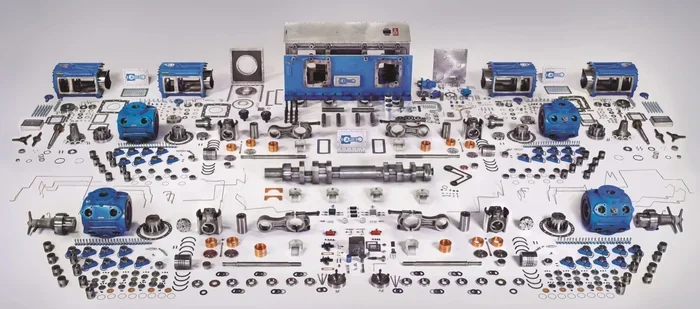
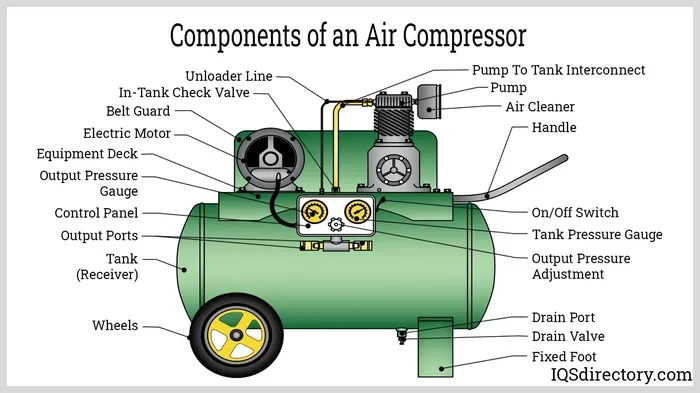
So what exactly are these parts? Let us break it down simply. The main components include the pump, motor, tank, valves, filters, belts, and pressure switches. Each one plays a specific role in the compression process. When even one part wears out or fails, the entire system suffers.
The good news is that replacing or upgrading parts is straightforward once you know what to look for. This guide will walk you through everything you need to make smart decisions. You will understand how each part works, what to look for, and how to avoid common buying mistakes.
Let us start with the basics. Understanding your compressor type is the first step toward finding the right parts.
Understanding Your Compressor Type Before Buying Parts
Not all compressors are the same. Different machines use different speed air compressor parts, and mixing them up can cause serious problems. Before you buy anything, you need to know exactly what type of compressor you own.
Rotary Screw Compressors
Rotary screw compressors use two interlocking rotors to compress air. They are popular in industrial settings because they run smoothly and handle continuous duty well. The parts for these machines are often specialized. You cannot swap rotary screw parts with parts from a different compressor type.
Common parts in rotary screw compressors include male and female rotors, oil separators, air-end filters, and specialized seals. These components work together at high speed to deliver consistent airflow. If you own a rotary screw machine, always check the manufacturer’s part list before ordering replacements.
Piston (Reciprocating) Compressors
Piston compressors use a back-and-forth motion to compress air. They are common in smaller workshops and home garages. These machines have several moving parts, including pistons, connecting rods, crankshafts, and valve plates.
The speed air compressor parts for piston models tend to be more accessible and affordable. Many owners can even do basic replacements themselves. However, piston compressors require more frequent maintenance because of the high number of moving components.
Portable and Diaphragm Compressors
Portable compressors are compact and lightweight. They use smaller pumps and tanks, which means their parts are different from larger industrial models. Diaphragm compressors use a flexible membrane instead of pistons, making them ideal for applications where oil-free air is essential.
For these machines, you will need specific speed air compressor parts designed for their unique mechanics. Always match the part to the exact model number of your compressor.
Key Speed Air Compressor Parts You Should Know
Now that you understand compressor types, let us look at the major parts in detail. Knowing what each part does helps you make better purchasing decisions.
The Compressor Pump
The pump is the heart of your air compressor. It draws in air and compresses it before sending it to the tank. Without a working pump, your machine produces zero airflow.
When shopping for a replacement pump, pay close attention to the cubic feet per minute (CFM) rating and the maximum pressure it can handle. A pump that does not match your machine’s requirements will either underperform or strain the motor. Always verify the pump compatibility with your specific compressor model.
The Motor
The motor drives the pump. It converts electrical energy into mechanical motion. A weak or failing motor means your compressor will not reach the required pressure levels.
Motor size matters a lot. A motor that is too small will overheat and burn out quickly. One that is too large wastes energy and increases operating costs. Check your compressor’s horsepower (HP) rating and voltage requirements before ordering a replacement motor.
The Air Tank
The air tank stores compressed air for use when needed. It also helps reduce the frequency of motor cycling, which extends the motor’s life. Tanks come in various sizes, typically measured in gallons.
When replacing a tank, make sure the new one matches the pressure rating of your system. Using a tank with a lower pressure rating is a serious safety hazard. Always look for tanks that meet industry safety standards and carry proper certifications.
Valves and Filters
Valves control the flow of air in and out of the compressor. The intake valve draws air in, while the discharge valve sends compressed air to the tank. Filters remove moisture, oil, and contaminants from the output air.
Worn valves cause pressure drops and reduced efficiency. Dirty filters restrict airflow and force the motor to work harder. Replacing these parts regularly is one of the easiest ways to keep your compressor running at peak performance.
Belts and Pressure Switches
Belts connect the motor to the pump in many compressor models. Over time, belts stretch, crack, or wear out. A broken belt means the pump stops turning entirely. Keeping a spare belt on hand is a smart practice for any compressor owner.
The pressure switch turns the compressor on and off based on the air demand in your system. A faulty pressure switch can cause the motor to run continuously, which leads to overheating and premature failure.
How to Pick the Right Speed Air Compressor Parts
Choosing the right parts does not have to be confusing. Follow these practical steps to make confident purchasing decisions every time.
Step 1: Check Your Owner’s Manual
Your owner’s manual is the single best resource for finding compatible parts. It lists the exact specifications for every component in your machine. If you have lost your manual, most manufacturers offer free PDF downloads on their websites.
Write down the model number, serial number, and part numbers before you start shopping. This information prevents costly ordering mistakes and ensures a perfect fit every time.
Step 2: Measure and Compare Specifications
Do not rely on part numbers alone. Physically measure the old part if possible, and compare its specifications to the replacement. Look at dimensions, thread sizes, pressure ratings, and material types.
For example, when replacing a speed air compressor part like a valve plate, check the thickness, hole pattern, and spring tension. Even a small difference can cause poor sealing and air leaks.
Step 3: Choose Quality Over Price
It is tempting to go with the cheapest option. But low-quality parts often fail quickly, leading to more downtime and repair costs. Invest in parts from reputable brands and trusted suppliers.
Look for parts that come with a warranty. A warranty is a strong indicator of quality and manufacturer confidence. It also protects you if the part turns out to be defective.
Step 4: Consider Your Usage Level
How often you use your compressor matters when choosing parts. A machine that runs eight hours a day in a busy workshop needs heavy-duty components. A unit that sees occasional weekend use can work fine with standard parts.
Heavy-duty parts cost more upfront but last significantly longer under constant use. Calculate the cost-per-use over time rather than just the upfront price. You will often find that premium parts save money in the long run.
Common Mistakes When Buying Speed Air Compressor Parts
Even experienced compressor owners make mistakes when ordering replacement parts. Here are the most common errors and how to avoid them.
Buying Based on Looks Alone
A part may look identical to the original but have subtle differences that affect performance. Always cross-reference part numbers and specifications. Visual similarity does not guarantee a proper fit.
Ignoring Compatibility with the Speed Air Compressor Model
Some parts are universal, but many are model-specific. Installing a universal part where a specific one is required can cause damage. Always confirm compatibility before completing your purchase. If you are unsure, contact the manufacturer directly with your model number.
Skipping Regular Maintenance
Many owners only think about parts when something breaks. But regular maintenance prevents unexpected failures and extends the life of every component. Simple tasks like draining the tank, checking belt tension, and replacing filters on schedule keep your compressor in top shape.
Ordering from Unverified Sellers
The internet is full of counterfeit and low-quality parts. Buy from authorized dealers or the manufacturer directly. Third-party sellers on marketplace platforms often sell refurbished or substandard components without clear labeling.
Maintenance Tips to Extend the Life of Your Compressor Parts
Proper maintenance is the best way to get the most out of your speed air compressor parts. A little effort goes a long way toward preventing breakdowns and costly replacements.
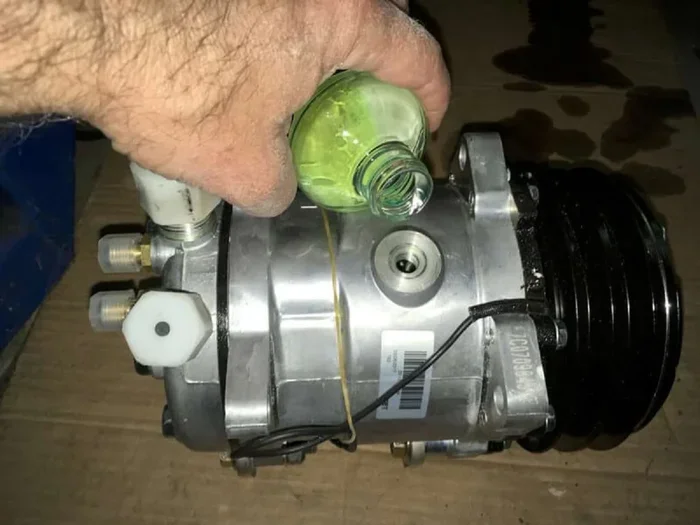
Start by checking your oil level regularly if your compressor is oil-lubricated. Clean or replace the oil filter according to the manufacturer’s schedule. Dirty oil causes extra wear on internal components and reduces efficiency.
Drain the air tank after every use to prevent moisture buildup. Moisture causes rust inside the tank and can contaminate your compressed air supply. This is especially important in humid environments.
Inspect belts and hoses for cracks or wear during routine check-ups. Replace them at the first sign of damage rather than waiting for a failure. A broken belt during operation can damage the pump and motor if not caught quickly.
Keep the intake filters clean and replace them when they become clogged. A dirty filter restricts airflow, which forces the motor to work harder and consume more electricity. Clean filters also help maintain consistent pressure output.
Finally, lubricate all moving parts as recommended. Proper lubrication reduces friction, prevents overheating, and minimizes wear on pistons, bearings, and seals. Follow the lubrication schedule in your owner’s manual to stay on track.
For more detailed guidance on compressor maintenance and part selection, check out our article on what size generator for 30 amp RV air conditioner to understand how power requirements affect equipment performance.
Where to Buy Quality Speed Air Compressor Parts
Finding the right supplier is just as important as choosing the right parts. Here are some trusted sources to consider.
- Manufacturer websites: Buying directly from the OEM ensures perfect compatibility and genuine quality.
- Authorized dealers: These retailers carry factory-approved parts and offer expert advice.
- Specialty compressor supply stores: They stock a wide range of parts and often have knowledgeable staff.
- Online marketplaces: Use caution here. Stick to verified sellers with strong ratings and return policies.
Always compare prices across multiple sources. But remember, the lowest price is not always the best deal. Factor in warranty coverage, shipping costs, and return policies when making your decision.
How to Know When Your Speed Air Compressor Parts Need Replacing
Catching worn parts early saves you from unexpected breakdowns and expensive repairs. Watch for these warning signs.
- Unusual noises: Grinding, squealing, or knocking sounds often indicate worn bearings, belts, or internal components.
- Pressure drops: If your compressor cannot maintain the set pressure, a valve or seal may be failing.
- Excessive vibration: Worn mounts, unbalanced parts, or loose fittings can cause excessive vibration during operation.
- Air leaks: Visible hissing or a drop in tank pressure when the motor is off signals leaking seals or fittings.
- Increased energy bills: A compressor working harder than it should consumes more electricity. This often points to clogged filters or inefficient internal parts.
If you notice any of these signs, inspect your compressor thoroughly. Replacing worn parts promptly prevents minor issues from turning into major repairs.
Final Thoughts on Choosing the Right Speed Air Compressor Parts
Selecting the right speed air compressor parts does not have to be overwhelming. Start by knowing your compressor type and model. Check the owner’s manual for exact specifications. Choose quality parts from trusted suppliers, and never skip regular maintenance.
The right parts keep your compressor running efficiently, safely, and reliably for years. They also save you money by reducing energy consumption and preventing costly emergency repairs. Take the time to make informed choices, and your compressor will reward you with consistent performance.
Whether you are replacing a worn valve plate, upgrading to a heavier-duty motor, or simply stocking spare parts, the principles remain the same. Match the part to your machine, buy from reputable sources, and maintain your equipment properly. You will enjoy a compressor that works hard and lasts even harder.
Remember, every speed air compressor part plays a role in the overall system. Neglecting even one component can affect everything else. Treat your compressor with care, and it will serve you well for many years to come.
Frequently Asked Questions
What are the most common speed air compressor parts that need replacing?
The most common parts that wear out include valves, filters, belts, seals, and pressure switches. These components experience the most stress during daily operation and need regular inspection. Replacing them on a scheduled basis prevents unexpected breakdowns and keeps your compressor running efficiently.
Can I use universal parts for my speed air compressor?
Some universal parts like filters and basic fittings work across multiple models. However, critical components like pumps, motors, and valve plates are usually model-specific. Always verify compatibility before installing a universal part, as incorrect fitment can damage your compressor or void the warranty.
How often should I replace my speed air compressor parts?
Replacement frequency depends on usage level and part type. Filters and belts may need replacement every 3 to 6 months for heavy use. Valves and seals typically last 1 to 2 years. Check your owner’s manual for the manufacturer’s recommended maintenance schedule and adjust based on your actual usage conditions.
Are OEM parts better than aftermarket speed air compressor parts?
OEM (Original Equipment Manufacturer) parts are designed specifically for your compressor model. They offer the best fit, performance, and reliability. Aftermarket parts can be a good budget option, but quality varies widely. Always buy aftermarket parts from reputable suppliers and check warranty terms before purchasing.
What should I do if my compressor makes a strange noise after installing new parts?
A strange noise after part replacement usually indicates improper installation or a defective part. Turn off the compressor immediately and inspect the new part for correct fitment. Check that all fasteners are tight and that the part is seated properly. If the noise continues, contact the supplier or a qualified technician for assistance.
Where can I find the right parts for my specific compressor model?
Start with your owner’s manual, which lists OEM part numbers and specifications. You can also visit the manufacturer’s website or contact their customer support directly. Authorized dealers and specialty compressor supply stores are excellent resources for finding the correct speed air compressor parts for your specific model and application.