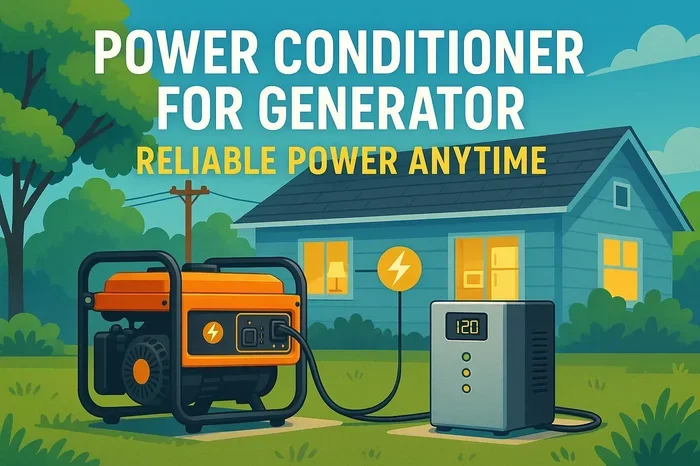
Best Power Conditioner for Generator Reviews and Guide
A power conditioner for generator setups is essential for protecting your sensitive electronics from voltage spikes, fluctuations, and dirty power. This guide covers everything you need to know, from how power conditioners work to top picks and buying tips. Whether you own a portable generator for electricity or a home backup unit, the right conditioner keeps your devices safe and running smoothly.
A power conditioner for generator setups is one of the most important investments you can make for your electrical equipment. Generators, especially portable and backup models, often produce power that is unstable. This unstable power can harm your TVs, computers, refrigerators, and other sensitive devices. A conditioner acts as a shield, cleaning up the electricity before it reaches your gear.
Think of it this way. Your generator creates raw power, much like a rough diamond. The power conditioner polishes that diamond into something safe and usable. Without one, you risk power surges, voltage drops, and electrical noise. All of these problems can shorten the life of your equipment or cause sudden failures.
In this guide, we break down everything you need to know. We cover how conditioners work, what features matter most, top product picks, and practical tips for choosing the right unit. Whether you use a small portable setup or a large home electrical generator, this article has you covered.
Key Takeaways
- Protects Sensitive Electronics: A power conditioner filters out voltage spikes and electrical noise that can damage your devices.
- Improves Power Quality: It delivers clean, stable sine wave output, reducing harmonic distortion from your generator.
- Extends Equipment Life: By regulating voltage, conditioners prevent wear and tear on connected appliances and tools.
- Multiple Types Available: You can choose from portable units, standalone conditioners, or built-in options depending on your needs.
- Right Size Matters: Matching the conditioner to your generator’s wattage ensures optimal performance and safety.
- Regular Maintenance Helps: Simple upkeep like cleaning filters and checking connections keeps your conditioner working at peak efficiency.
📑 Table of Contents
- What Is a Power Conditioner for Generator Use?
- Key Features to Look For in a Power Conditioner
- Top Power Conditioners for Generators Reviewed
- How to Choose the Right Power Conditioner for Your Generator
- Common Mistakes to Avoid When Using a Power Conditioner
- Maintenance Tips for Your Power Conditioner
- Expert Insights on Power Conditioning
- Final Verdict
What Is a Power Conditioner for Generator Use?
A power conditioner is an electrical device that sits between your generator and your appliances. Its job is to regulate the electricity flowing through the circuit. Generators are known for producing power that varies in voltage and frequency. A conditioner smooths out these variations and delivers steady, clean power to your devices.
The term power conditioning covers several processes. These include voltage regulation, noise filtering, and surge suppression. Some conditioners also correct the waveform of the power output. This is especially important for devices that need a pure sine wave to operate correctly.
How Does a Power Conditioner Work?
Inside a conditioner, you will find several key components. Transformers help adjust voltage levels. Capacitors filter out electrical noise. Varistors absorb sudden voltage spikes. Together, these parts work to create a stable power supply for your devices.
When your generator runs, it produces alternating current, or AC power. The frequency and voltage of this power can shift based on the generator’s engine speed and load. A conditioner monitors the incoming power and adjusts it. It then sends out clean, consistent electricity to your appliances. This process happens continuously and automatically.
Why Do Generators Need Power Conditioning?
Generators are not like the power from your wall outlet. The electricity from a wall plug is very stable. A generator, on the other hand, can swing in voltage by as much as ten percent or more. These swings happen when you turn on a heavy appliance or when the engine speed changes.
Sensitive electronics like laptops and TVs cannot handle these swings. They may reset, shut down, or suffer permanent damage over time. A conditioner solves this problem by acting as a buffer. It absorbs the bad parts of the power and only lets the clean power through.
If you rely on a backup generator for your home, a conditioner becomes even more critical. During a power outage, your generator is your only source of electricity. You cannot afford to have your fridge, medical equipment, or security systems fail because of dirty power.
Key Features to Look For in a Power Conditioner
Not all conditioners are the same. Some are basic, while others offer advanced features. Knowing what to look for helps you make the best choice for your setup.
Voltage Regulation
This is the most important feature. Voltage regulation keeps the output voltage steady, even when the input voltage from the generator fluctuates. Look for conditioners that offer automatic voltage regulation, or AVR. These units adjust the output without any input from you. They respond quickly to changes in load and keep your devices safe.
A good conditioner should maintain voltage within a range of plus or minus three to five percent. Anything wider may not provide enough protection for sensitive electronics.
Surge Protection
Surge protection guards against sudden spikes in voltage. These spikes can come from lightning, generator malfunction, or sudden changes in load. A surge protector absorbs the extra energy and diverts it away from your devices.
Look for conditioners with a high joule rating. The higher the joule rating, the more energy the unit can absorb before it needs replacement. A rating of 1000 joules or more is a good starting point for most setups.
Sine Wave Output
The shape of the electrical wave matters a lot. Pure sine wave output is the gold standard. It matches the power quality you get from your utility company. Modified sine wave or square wave output is cheaper but can cause problems with some devices.
Equipment like laser printers, variable speed tools, and medical devices often require pure sine wave power. If you use any of these, make sure your conditioner delivers a true sine wave. A conditioner with clean power output also reduces humming and buzzing in audio and video equipment.
Noise Filtering
Generators produce electrical noise, also called electromagnetic interference. This noise can show up as static on your radio, flickering on your TV screen, or glitches in your computer. A conditioner with good noise filtering removes this interference. Look for units that use EMI/RFI filters for the best results.
Capacity and Wattage Matching
You need to match the conditioner to your generator’s output. A conditioner that is too small will overload. One that is too large wastes money and may not operate efficiently. Check the wattage rating of both your generator and the conditioner before buying.
As a rule of thumb, choose a conditioner that handles at least 25 percent more wattage than your maximum load. This gives you room to grow and prevents the unit from running at full capacity all the time.
Top Power Conditioners for Generators Reviewed
Here we look at some of the best options available. Each pick is based on features, reliability, and value for money.
1. Pure Sine Wave Power Conditioner
This type of conditioner delivers the cleanest power possible. It is ideal for homes with sensitive electronics and for users who run a generator for electricity during outages. The pure sine wave output ensures that all your devices run as they would on grid power. These units are more expensive but offer the best protection.
2. Portable Voltage Stabilizer
Portable stabilizers are great for people who move their generator around. They are lightweight and easy to set up. These units focus mainly on voltage regulation and are a good choice for tools and basic appliances. They may not offer the same level of noise filtering as larger models, but they get the job done.
3. Heavy-Duty Standalone Conditioner
For larger setups, a standalone conditioner is the way to go. These units handle high wattages and are built to last. They are perfect for job sites, RV setups, and whole-home backup systems. Many models include both surge protection and noise filtering in one box.
4. Built-In Generator Conditioner
Some modern generators come with built-in conditioning. These units save you the trouble of buying a separate device. However, the built-in options are often basic. They may not offer the same level of protection as a dedicated external conditioner. Check your generator’s manual to see what is included.
| Type | Best For | Price Range | Key Benefit |
|---|---|---|---|
| Pure Sine Wave Conditioner | Sensitive electronics, home use | $$$ | Cleanest power output |
| Portable Voltage Stabilizer | On-the-go use, tools | $ | Lightweight and affordable |
| Heavy-Duty Standalone | Job sites, RVs, whole home | $$$$ | High capacity and durability |
| Built-In Conditioner | Convenience, basic needs | Included | No extra purchase needed |
How to Choose the Right Power Conditioner for Your Generator
Choosing the right conditioner comes down to a few simple steps. Follow this guide to make the best decision.
First, list all the devices you plan to run on the generator. Add up their wattage. This gives you your total load. Next, check the wattage rating of the conditioner. Make sure it exceeds your total load by at least 25 percent. This buffer prevents overheating and ensures safe operation.
Second, consider the type of devices you are running. If you have mostly basic tools and lights, a simple voltage stabilizer works well. If you have computers, TVs, and medical equipment, invest in a pure sine wave conditioner. The extra cost is worth the protection.
Third, think about portability. If you move your generator often, a lightweight portable conditioner makes sense. If your generator stays in one place, a larger standalone unit offers better features and durability.
Fourth, check for extra features. Some conditioners include USB charging ports, digital displays, or remote monitoring. These are nice to have but not essential. Focus on the core features first: voltage regulation, surge protection, and clean output.
Finally, read reviews and compare brands. Look for units with solid warranties and good customer feedback. A reliable power conditioning unit should last for many years with proper care.
Common Mistakes to Avoid When Using a Power Conditioner
Even the best conditioner can cause problems if you make these common errors.
One big mistake is mismatching the wattage. People often buy a conditioner that is too small for their load. This causes the unit to overheat and can lead to failure. Always check the ratings before connecting anything.
Another mistake is ignoring the generator’s grounding. A conditioner needs a proper ground to work safely. If your generator does not have a ground rod, install one before using the conditioner. This protects both your equipment and your safety.
Some users forget to maintain their conditioner. Dust buildup, loose connections, and worn-out surge components all reduce performance. Check your unit regularly and clean it as needed. Replace the unit if the surge protection light shows it has absorbed a major spike.
Running too many devices at once is also a problem. Even with a conditioner, exceeding the rated load causes voltage drops and can damage both the conditioner and your appliances. Spread your load across circuits when possible.
Finally, do not skip the breaker. Always use a circuit breaker between your generator and conditioner. This adds an extra layer of protection against overloads and short circuits.
Maintenance Tips for Your Power Conditioner
Keeping your conditioner in good shape ensures it protects your devices for years. Here are some simple maintenance steps.
- Clean the unit regularly. Dust can build up inside and block ventilation. Use a soft brush or compressed air to keep it clean.
- Check connections often. Loose wires create heat and can cause fires. Make sure all connections are tight and secure.
- Inspect the surge indicator. Most conditioners have a light that shows when the surge protection has been used. Replace the unit if this light is on.
- Store it properly. If you use a portable conditioner, store it in a dry, cool place when not in use. Moisture can damage internal components.
- Test it periodically. Plug in a voltage meter and check the output. You want to see steady voltage within the rated range.
- Replace filters if applicable. Some models have internal filters that trap dust and debris. Check the manual for replacement schedules.
Taking care of your conditioner also helps your generator battery last longer. When your conditioner works efficiently, your generator does not have to work as hard. This reduces strain on the engine and extends its overall lifespan.
Expert Insights on Power Conditioning
Industry experts agree that a conditioner is one of the most overlooked parts of a generator setup. Many users focus on the generator itself but forget about power quality. The truth is, even the best generator produces dirty power without proper conditioning.
Electrical engineers recommend using a conditioner for any setup that powers sensitive electronics. This includes home offices, medical setups, and entertainment systems. The small investment in a conditioner can save hundreds or even thousands of dollars in equipment replacements.
For users with a portable generator, a compact voltage regulator is often enough. These units are affordable and easy to carry. For home backup systems, a full-featured power conditioning unit with AVR and pure sine wave output is the better choice. The key is matching the conditioner to your specific needs and budget.
One expert tip is to never daisy-chain power strips or extension cords through a conditioner. This can create voltage drops and reduce the effectiveness of the conditioning. Always plug devices directly into the conditioner when possible.
Another tip from professionals is to consider the total harmonic distortion, or THD, of your generator. Lower THD means cleaner power. Most modern generators aim for THD below six percent. A conditioner further reduces this, bringing the power quality even closer to what you get from the utility grid.
Final Verdict
A power conditioner for generator setups is not a luxury. It is a necessity. The right conditioner protects your devices, improves power quality, and extends the life of your electrical equipment. Whether you need a basic voltage stabilizer or a premium pure sine wave unit, there is an option that fits your needs and budget.
Take the time to understand your power needs. Match the conditioner to your generator’s output and your devices’ requirements. Keep up with maintenance, and your setup will run smoothly for years to come. Investing in a quality conditioner today saves you money, stress, and heartache tomorrow.
Start by reviewing the options we covered in this guide. Consider your setup, your budget, and the types of devices you need to protect. With the right power conditioning unit, you can run your generator with confidence, knowing your valuable equipment is safe.
Frequently Asked Questions
Do I really need a power conditioner for my generator?
Yes, if you run sensitive electronics like computers, TVs, or medical devices. Generators produce power that can fluctuate in voltage and frequency. A conditioner smooths out these fluctuations and protects your equipment from damage.
Can I use a power conditioner with any generator?
Most conditioners work with any generator that produces AC power. However, you need to match the conditioner’s wattage rating to your generator’s output. Always check both ratings before making a connection.
What is the difference between a power conditioner and a surge protector?
A surge protector only guards against voltage spikes. A power conditioner does much more. It regulates voltage, filters noise, and often delivers a pure sine wave output. Think of a conditioner as a complete power cleaning system.
How long does a power conditioner last?
With proper maintenance, a good conditioner can last five to ten years. Regular cleaning, checking connections, and monitoring the surge indicator all help extend its lifespan.
Are portable power conditioners effective?
Yes, portable conditioners are effective for basic voltage regulation and surge protection. They are ideal for users who move their generator frequently. However, they may not offer the same advanced features as larger standalone units.
What happens if I overload my power conditioner?
Overloading causes the conditioner to overheat and can damage both the conditioner and your connected devices. Always keep your total load below the conditioner’s rated capacity, and use a circuit breaker for added safety.