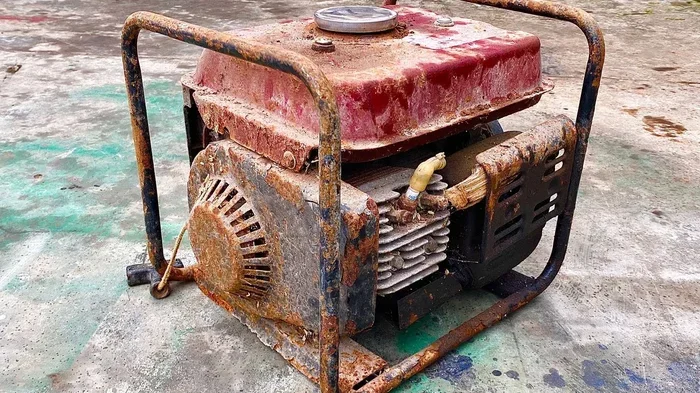
How Long Can Gas Sit in a Generator Before It Goes Bad
Gasoline doesn’t last forever, especially inside a generator’s fuel system. The shelf life of regular gas is typically 3 to 6 months when stored in the tank. Using a fuel stabilizer can extend that window, but ethanol-blended fuels degrade faster. Learn how long can gas sit in a generator before it goes bad and what happens when fuel ages, so you can avoid starting problems and keep your machine ready.
Have you ever wondered how long can gas sit in a generator before it becomes a problem? It’s a question many people overlook until the power goes out and their machine refuses to start. Stale fuel is one of the top reasons generators fail to run when you need them most.
The gasoline in your tank doesn’t last forever. Over time, the chemical composition breaks down, leading to fuel degradation and a host of engine issues. Whether you use your generator seasonally or keep it on standby, understanding gasoline shelf life can save you from costly repairs and frustrating downtime.
In this guide, I’ll walk you through everything you need to know about fuel storage, degradation rates, and simple steps to keep your generator running smoothly. I’ll cover what happens to old gas, how to spot bad fuel, and the best practices for long-term storage. Let’s dive in.
Key Takeaways
- Gas goes bad in 3-6 months: Regular gasoline starts to degrade after three to six months of sitting in a generator’s tank.
- Ethanol fuel attracts moisture: E10 and E15 blends absorb water from the air, leading to phase separation and engine damage.
- Stabilizer extends shelf life: Adding a quality fuel stabilizer can keep gas fresh for up to 12 months or longer.
- Stale fuel causes clogs: Old gas forms varnish and gum that clog the carburetor, fuel filter, and lines.
- Drain old fuel before storage: If you won’t use the generator for months, drain the tank and carburetor bowl to prevent damage.
- Use fresh fuel and proper containers: Store gas in approved cans with tight lids, and always use fuel within 30 days of purchase.
📑 Table of Contents
- What Happens When Gas Sits Too Long in a Generator (and Why It Matters)
- How Long Can Gas Sit in a Generator? (Shelf Life by Fuel Type)
- Signs Your Generator Fuel Has Gone Bad
- How to Prevent Fuel Degradation (Practical Tips)
- Step-by-Step: Draining and Refilling Your Generator Safely
- Common Mistakes That Shorten Fuel Life
- Expert Insights: What a Mechanic Wants You to Know
- Conclusion
What Happens When Gas Sits Too Long in a Generator (and Why It Matters)
The Science of Fuel Degradation
Gasoline is a complex mixture of hydrocarbons. When it sits in a generator fuel tank, it begins to oxidize. Oxygen reacts with the fuel molecules, causing a chemical change. This process is called fuel oxidation. As oxidation progresses, the fuel loses its combustibility.
You might not see the change right away, but it’s happening. The lighter compounds in gasoline evaporate first, leaving behind heavier residues. This leads to a drop in octane loss, which means the fuel won’t ignite properly. Over weeks and months, the fuel turns into a thick, sticky substance that can clog your entire fuel system.
The rate of degradation depends on storage temperature and air exposure. Hot, humid environments speed up the process. A tank left in direct sunlight or a humid garage will degrade fuel faster. Even a sealed container will eventually oxidize, though more slowly. That’s why knowing the fuel degradation rate matters for planning.
How Ethanol Changes the Game
Most modern gasoline contains ethanol, typically E10 (10% ethanol). Ethanol is hygroscopic, meaning it absorbs moisture from the air. When you store a generator for a long time, that moisture can cause a serious problem called phase separation. The ethanol and water sink to the bottom of the tank, leaving behind a weaker gasoline layer on top.
Phase-separated fuel can cause rough idling, stalling, and even permanent damage to the carburetor. It also promotes varnish buildup in the fuel lines and injectors. If you’re using ethanol-blended fuels, the clock ticks faster. The gasoline shelf life shrinks to about three months, compared to six months for pure gasoline.
Ethanol also acts as a solvent. It can dissolve old gum and varnish deposits in the tank, which then clog the fuel filter and fuel pump. This is especially problematic in older generators with metal tanks that may have rust particles. The combination of moisture, solvent action, and oxidation creates a perfect storm for fuel system failure.
How Long Can Gas Sit in a Generator? (Shelf Life by Fuel Type)
Regular Gasoline
So, how long can gas sit in a generator if it’s pure regular gasoline? Under ideal storage conditions, regular gasoline stays fresh for three to six months. The key is a sealed container and a cool, dry place. If you keep the tank full, you reduce the air space, which slows oxidation.
However, most generators use ethanol-blended fuel from the pump. That shortens the timeline. Even with a full tank, the fuel can start to degrade within 90 days. The best practice is to use fresh fuel and plan your usage accordingly. Buy only what you’ll use within a month or two.
If you purchase a fuel container, label it with the date. Use the oldest fuel first. This simple habit ensures you never run old gas in your generator. It also helps you avoid the buildup of fuel contamination from prolonged storage.
Ethanol-Blended Fuels (E10, E15, E85)
Ethanol-blended fuels are common at the pump. They’re cheaper, but they don’t store as well. E10 fuel (10% ethanol) is the most common. It can cause problems after just 30 to 60 days in a generator. The ethanol attracts water, and the fuel starts to break down faster.
If you must store ethanol-blended gas, use a fuel stabilizer right away. Stabilizers can double or even triple the shelf life. But they work best when added to fresh fuel, not after the gas has already gone bad. Think of stabilizer as a preservative, not a fix for already degraded fuel.
E15 and E85 blends are even worse for small engines. They contain higher ethanol levels, which means more moisture absorption and faster degradation. Most small engine manufacturers recommend avoiding these blends entirely. Stick with E10 or, better yet, ethanol-free gasoline if you can find it.
Diesel Generators (Brief Note)
Diesel fuel has a longer shelf life than gasoline. It can last six to twelve months without a stabilizer. However, diesel generators are a different topic. If you’re asking about gas generators, stick with gasoline and follow the guidelines above. Using diesel fuel in a gasoline generator will cause immediate and severe damage.
Signs Your Generator Fuel Has Gone Bad
Visual Clues
Sometimes the fuel tells you it’s bad before you start the engine. Fresh gasoline is clear and light amber. As it ages, it darkens. If you see a deep brown or reddish tint, the fuel is old.
Check the fuel filter too. A clogged filter is a strong sign of fuel contamination. You might also notice a gritty texture or sediment at the bottom of the fuel container or tank. These particles come from oxidation and can block the fuel line and fuel pump. In metal tanks, you might see rust particles floating in the fuel. Rust indicates moisture inside the tank, which accelerates degradation and can clog the system.
Performance Symptoms
When you try to start the generator, pay attention to how it runs. A rough idle, frequent stalling, or failure to start are classic signs of stale fuel. The engine might surge or lack power under load.
These issues happen because the degraded fuel doesn’t burn cleanly. The carburetor jets get clogged with varnish, disrupting the air-fuel mixture. If you notice a strong, sour smell instead of the usual gasoline odor, that’s another red flag. Stale fuel has a distinct, acrid scent. You might also see dark smoke or soot around the exhaust. These symptoms mean the fuel is no longer combustible and needs to be replaced.
The Smell Test
Your nose can be a useful tool. Fresh gas has a sharp, sweet smell. Old gas smells like varnish or paint thinner. If you open the tank and get a strong chemical odor that makes you cough, the fuel has likely oxidized. Don’t risk running it. Drain it and replace it with fresh gas. The smell test is quick, free, and surprisingly reliable for checking fuel freshness.
Quick Tips for Checking Fuel Freshness
- Use a clear container: Pour a small amount of fuel into a clean glass jar. Look for dark color or separation.
- Check the date: If you can’t remember when you bought the gas, it’s probably too old.
- Trust your senses: If it smells harsh or looks cloudy, don’t use it.
- Test before a storm: Always check your fuel a week before you need the generator, not the night before.
How to Prevent Fuel Degradation (Practical Tips)
Use Fuel Stabilizer
The easiest way to extend gasoline shelf life is to add a fuel stabilizer. Products like STA-BIL or Sea Foam are widely available. They work by slowing the oxidation process and preventing moisture absorption.
Here’s how to do it right. Add the stabilizer to fresh gasoline before you store the generator. Run the engine for a few minutes to circulate the treated fuel through the fuel system. This ensures the stabilizer reaches the carburetor bowl and fuel lines.
A single bottle of stabilizer can treat up to 25 gallons. It’s a small cost for big peace of mind. For seasonal storage, a stabilizer can keep gas fresh for up to 12 months. Make sure to follow the manufacturer’s dosage instructions. Using too little won’t help, and using too much won’t add extra benefit.
Drain the Tank for Long-Term Storage
If you won’t use the generator for more than six months, the best approach is to drain the fuel entirely. An empty generator fuel tank can’t develop stale fuel or moisture problems.
Start by running the engine until it stalls. This uses up the fuel in the carburetor and lines. Then, drain the remaining fuel from the tank and the carburetor bowl. Some generators have a drain plug on the tank. If not, you can use a siphon pump.
Store the generator in a cool, dry place. Cover it to keep out dust and moisture. Before the next use, add fresh fuel and a stabilizer, and let the engine run for a few minutes. This ensures everything flows smoothly.
Choose the Right Gas Can and Storage Conditions
The container matters. Always store gasoline in an approved fuel container with a tight-sealing lid. Avoid old milk jugs or non-rated containers, as they can leak or allow vapor escape.
Keep the container in a well-ventilated area away from direct sunlight and heat sources. A garage or shed is ideal. Temperature swings cause condensation inside the tank, which introduces water into the fuel. A cool, stable environment slows fuel degradation.
Also, label your fuel cans with the date you filled them. This helps you track fuel freshness and use the oldest gas first. A good practice is the “first in, first out” method. Rotate your fuel supply just like you would with groceries.
Quick Tips for Preventing Fuel Problems
- Keep the tank full: Less air means less condensation and slower oxidation.
- Use a fuel filter: Install an inline fuel filter to catch debris before it reaches the carburetor.
- Vent the tank properly: A clogged vent can create a vacuum and starve the engine of fuel.
- Avoid old gas cans: Old plastic cans degrade and shed particles into the fuel.
- Add stabilizer to every fill-up: It’s cheaper than cleaning a clogged carburetor.
Step-by-Step: Draining and Refilling Your Generator Safely
Preparing the Generator
Before you start, make sure the generator is turned off and cool. Work in a well-ventilated area away from open flames. Have a fuel drain pan, a siphon pump, and a fresh fuel container ready. Wear gloves and safety glasses to protect your skin from old fuel.
Locate the fuel shut-off valve if your generator has one. Turn it off to stop fuel flow. This prevents fuel from spilling while you work on the carburetor and tank. Place a drain pan under the valve and the carburetor bowl drain plug. Have rags handy for any spills.
Draining Old Fuel
Open the fuel valve or remove the carburetor bowl drain plug. Let the old fuel flow out completely. You’ll see the dark, degraded fuel draining out. This is the stale fuel that could have caused starting problems. Collect it in the drain pan.
For the tank, you can also use a siphon pump to remove the remaining gas. Insert the pump tube into the tank, pump the handle, and let the fuel flow into your drain pan. Dispose of the old fuel properly at a local recycling center or hazardous waste facility. Never pour old fuel down the drain or onto the ground.
Adding Fresh Gas and Stabilizer
Once the tank is empty, close the drain valve and reattach the carburetor bowl. Now it’s time to add fresh fuel. Fill the tank with new gasoline, leaving a little room for expansion. Then add the recommended amount of fuel stabilizer directly to the tank.
Run the generator for three to five minutes. This circulates the fresh, stabilized fuel through the entire system. You’ll notice the engine runs smoother and more responsive. Your generator is now ready for the next power outage or job site visit. This simple routine can double the life of your fuel and prevent many common starting issues.
Common Mistakes That Shorten Fuel Life
Buying Gas Too Early
One of the biggest mistakes is buying gas months in advance and letting it sit in the can. Gas from the pump should be used within 30 days if untreated. Even with stabilizer, it’s best to use fuel within six months. Buying in bulk seems smart, but if the gas goes bad, you waste money and risk damaging your generator.
Ignoring the Half-Empty Tank
Another mistake is storing the generator with a half-empty tank. The air space creates condensation and accelerates oxidation. The moisture that forms can cause phase separation in ethanol-blended fuels. Always fill the tank to 95% capacity if you plan to store the generator for a month or more. This minimizes the air gap and reduces moisture buildup.
Using Old Fuel from Storage Cans
Some folks skip the stabilizer and assume the generator will start fine after a long break. That’s a gamble. Even with a stabilizer, it’s best to drain old fuel if the generator will sit for more than six months. Another common error is using old gas from a can that’s been sitting in the shed for a year. Always check the date and smell before pouring it into your generator. If you’re unsure, it’s better to be safe and dispose of the old fuel properly.
Skipping the Fuel Filter
A dirty or clogged fuel filter can restrict flow and mimic the symptoms of stale fuel. Many people blame bad gas when the real culprit is a clogged filter. Check and replace the fuel filter regularly, especially if you’ve been using older fuel. A clean filter keeps the fuel system healthy and prevents fuel system clog issues.
Expert Insights: What a Mechanic Wants You to Know
The Carburetor Is the First Casualty
Experienced small-engine mechanics see the damage caused by stale fuel every day. They often say, “The carburetor is the first thing to go.” The tiny jets in the carburetor clog with varnish and gum from oxidized fuel. Cleaning or rebuilding a carburetor can cost more than the generator is worth.
Prevention is simple. Use fresh fuel, add stabilizer, and drain the tank for long-term storage. If you do find varnish in the carburetor, a good soak in carburetor cleaner can often save it. But why spend the time and money when a little prevention works so well?
The Case for Ethanol-Free Gas
They also recommend using ethanol-free gas for small engines if you can find it. Ethanol-free fuel has a longer shelf life and doesn’t attract moisture. It reduces the risk of phase separation and varnish buildup, making it ideal for generators that sit idle for long periods.
Some hardware stores and marinas sell ethanol-free gasoline in approved containers. It’s a bit pricier, but it pays for itself in avoided repairs. For anyone who stores a generator seasonally, this is the gold standard for fuel quality and fuel freshness.
Conclusion
So, how long can gas sit in a generator? The answer depends on the fuel type and storage conditions. Regular gasoline lasts three to six months, while ethanol-blended fuels degrade faster, often within 90 days. The good news is that with a few simple habits, you can protect your generator and ensure it starts when you need it.
Use fresh fuel, add a fuel stabilizer for storage, and drain the tank if you won’t use the machine for months. Pay attention to the signs of stale fuel and act quickly. A little prevention goes a long way in avoiding fuel system clog and carburetor issues.
Take a few minutes today to check your generator’s fuel situation. Your future self will thank you the next time the power goes out and your machine fires right up. Keep that fuel fresh, and your generator will be ready to go whenever you are.
Frequently Asked Questions
Can I use gas that has been sitting in the generator for a year?
It’s not recommended. Gas that has sat for a year is likely degraded and can cause starting problems, clogged carburetors, and engine damage. Always drain old fuel and replace it with fresh gasoline mixed with a fuel stabilizer.
Does fuel stabilizer make gas last forever?
No, stabilizer extends the shelf life but doesn’t make gas last indefinitely. It can keep fuel fresh for up to 12 months or more, but it’s best to use treated fuel within a year and always start with fresh gas.
How can I tell if my generator fuel is bad?
Look for dark color, a sour or varnish-like smell, and performance issues like rough idling or failure to start. If the fuel has separated or has sediment, it’s time to drain and refill the tank.
Is ethanol-free gas better for generators?
Yes, ethanol-free gas has a longer shelf life and doesn’t absorb moisture. It reduces the risk of phase separation and varnish buildup, making it ideal for generators that sit idle for long periods.
How often should I drain my generator fuel tank?
If you use the generator regularly, drain and refill the tank every 3 to 6 months with fresh fuel. For long-term storage, drain the tank completely and add a fuel stabilizer to any remaining fuel before storing.
Can old gas damage a generator engine?
Yes, old gas can cause significant damage. It can clog the fuel line, fuel filter, and carburetor, and the varnish deposits can harm the engine internals. Always use fresh fuel and replace stale gas promptly.