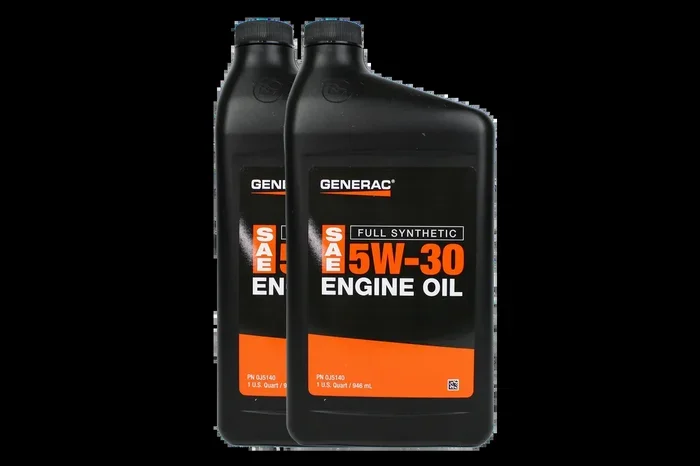
What Type of Oil Does a Generator Take for Best Performance
Knowing what type of oil does a generator take is essential for keeping your machine running strong and lasting for years. Most generators use SAE 30 or 10W-30 oil, but the right choice depends on your engine type, climate, and usage. This guide walks you through every oil option, capacity, and change schedule so you can make the best decision for your generator maintenance routine.
You just bought a generator, and you are ready to keep your home running no matter what. But there is one thing that trips up a lot of people. What type of oil does a generator take? It sounds simple, but the wrong oil can cause serious damage. Your generator engine needs the right generator oil to stay healthy. Using the wrong one is like putting the wrong fuel in a car. It might run for a little while, but the damage adds up fast.
This guide covers everything you need to know. We will look at oil types, viscosity ratings, change schedules, and common mistakes. By the end, you will feel confident picking the right oil every single time. Let us get into it.
Key Takeaways
- SAE 30 and 10W-30 are the most common oils: These are the standard choices for most portable and standby generators.
- Synthetic oil offers better protection: It performs well in extreme temperatures and extends change intervals.
- Oil capacity varies by model: Always check your owner’s manual before adding oil to your unit.
- Change oil after the first 20-30 hours: This break-in oil change is critical for new generators.
- Climate affects your oil choice: Hotter climates need higher viscosity, while cold climates benefit from multi-viscosity options.
- Never mix oil types: Stick with one type and brand for consistent generator engine health.
- Regular oil changes save money: Preventing engine damage is far cheaper than repairing a seized generator.
📑 Table of Contents
Understanding Generator Oil Basics
Before you buy any oil, it helps to understand the basics. Generator oil is not just any motor oil. It is specially formulated for small engines that run at high speeds for long hours. These engines work hard, and they need oil that can handle the heat and pressure.
The most important thing to know is the oil viscosity rating. Viscosity is how thick or thin the oil is at different temperatures. You will see numbers like SAE 30 or 10W-30 on every bottle. These numbers tell you how the oil flows when the engine is cold and when it is hot. Let us break that down.
What Does SAE Mean?
SAE stands for the Society of Automotive Engineers. They set the standards for oil thickness. The number before the W stands for cold-weather performance. The W means winter. The number after the W tells you how the oil behaves at operating temperature. A lower number means the oil flows more easily in the cold. This matters a lot if you use your generator in winter or in a cold climate.
Why Oil Viscosity Matters for Generators
Generators run hot. They do not have the same cooling systems as car engines. That means the oil takes on extra heat. If the oil is too thin, it will not protect the engine parts. If it is too thick, it will not flow properly. Either way, your generator engine suffers. The right viscosity keeps everything lubricated and cool. It also reduces wear and tear on internal parts like pistons and bearings.
Here is a quick look at the most common viscosity ratings for generators:
- SAE 30: A single-weight oil best for warm climates and older engines.
- 10W-30: A multi-viscosity oil that works well in both cold and warm weather.
- 5W-30: Great for very cold climates. It flows easily during startup.
- 15W-40: Often used in larger diesel generators and heavy-duty units.
Types of Oil for Generators
Not all oils are the same. There are three main types you will see on store shelves. Each has its own strengths. Let us go over them so you can pick the best one for your portable generator or standby unit.
Conventional Oil
Conventional oil is the most basic option. It is made from refined crude oil and works well for standard engines. It is affordable and easy to find. Most generators come with conventional oil from the factory. It is a solid choice for light use and moderate temperatures.
Synthetic Oil
Synthetic oil is engineered in a lab. It offers superior protection in extreme heat and cold. It also lasts longer between changes. If you run your generator a lot or in tough conditions, synthetic oil is a great investment. It costs more upfront, but it saves money over time by extending engine life.
Synthetic Blend Oil
A synthetic blend mixes conventional and synthetic oils. You get better protection than conventional oil without the full synthetic price tag. This is a popular middle-ground option for homeowners who use their generators regularly but do not need full synthetic performance.
Comparison Table: Oil Types for Generators
| Oil Type | Best For | Cost | Change Interval |
|---|---|---|---|
| Conventional | Light use, moderate climates | Low | Every 50-100 hours |
| Synthetic Blend | Regular use, varied climates | Medium | Every 100-150 hours |
| Full Synthetic | Heavy use, extreme temperatures | High | Every 150-200 hours |
As you can see, the right engine oil for generator depends on how much you use it and the conditions you run it in. There is no one-size-fits-all answer, but this table gives you a great starting point.
Oil Capacity and Change Intervals
Every generator has a specific oil capacity. That is the total amount of oil the engine holds. Overfilling or underfilling can cause problems. Too much oil can cause foaming and leaks. Too little oil leads to engine wear and overheating.
How to Find Your Generator Oil Capacity
Check your owner’s manual first. It will list the exact oil capacity in quarts or liters. If you do not have the manual, you can also look up the model number online. Most manufacturers list this information on their websites. Here are some common oil capacities:
- Small portable generators (1,000-3,000 watts): Usually 0.5 to 0.6 quarts.
- Medium generators (3,000-7,000 watts): Typically 1 to 1.5 quarts.
- Large standby generators (7,000+ watts): Often 2 to 3 quarts or more.
- Diesel generators: Can hold 4 to 8 quarts depending on size.
When to Change the Oil
Oil breaks down over time. It loses its ability to lubricate and cool the engine. For new generators, the first oil change is the most important one. You should change the break-in oil after the first 20 to 30 hours of use. After that, follow the manufacturer’s recommended schedule. Most generators need an oil change every 50 to 100 hours of use. If you use your generator heavily during storm season, keep track of your generator running hours and change the oil accordingly.
Here are some quick tips for tracking oil changes:
- Keep a logbook or use a maintenance app.
- Set a reminder on your phone after each use.
- Check the oil level before every use.
- Change the oil even if you have not hit the hour mark if it has been more than six months.
How to Choose the Right Oil for Your Generator
Choosing the right oil does not have to be confusing. A few simple factors will guide your decision. Let us walk through them one by one.
Check Your Owner’s Manual
This is the single most important step. Your generator manufacturer knows the engine best. They will tell you exactly which oil type and viscosity to use. Following their recommendation keeps your warranty intact. It also ensures the best generator performance from day one.
Consider Your Climate
Where you live matters a lot. If you live in a warm southern state, SAE 30 is a reliable choice. If you live in the north where winters are harsh, go with 10W-30 or 5W-30. Multi-viscosity oils are great for places with big temperature swings. They handle cold starts and hot running conditions with ease.
Think About Your Usage
How often do you run your generator? A unit that sits idle most of the year has different needs than one that runs every week. For infrequent use, synthetic oil is a smart choice. It stays fresh longer and protects the engine even during storage periods. For heavy, regular use, you might prefer a high-mileage synthetic blend that can handle the extra heat.
Look for API Certification
Always choose oil that carries an API (American Petroleum Institute) certification. Look for the API donut symbol on the bottle. The rating should be SJ, SL, SM, or higher. These ratings mean the oil meets industry standards for engine protection. Never use oil without this certification in your generator.
Step-by-Step Oil Change Guide
Changing the oil in your generator is easy. You can do it at home with just a few tools. Here is a simple walkthrough.
What You Will Need
- The right type of oil for your generator
- A new oil filter (if your model uses one)
- A drain pan or shallow container
- A wrench or socket set
- A funnel
- Clean rags or paper towels
The Process
First, run the generator for a few minutes. Warm oil drains better than cold oil. Turn off the engine and let it sit for a minute. Then, place the drain pan under the drain plug. Remove the plug and let the old oil flow out completely. This is a good time to remove the old oil filter if your generator has one. Once the oil stops dripping, reinstall the drain plug and tighten it securely. Next, pour in the new oil through the fill cap. Use a funnel to avoid spills. Check the oil level with the dipstick. Add more if needed, but do not overfill. Finally, run the generator for a few minutes and check for leaks.
Quick Tips for a Clean Oil Change
- Always dispose of old oil properly. Take it to a recycling center.
- Never dump oil down a drain or in the trash.
- Keep a dedicated oil change kit ready for quick changes.
- Replace the oil filter every other oil change for best results.
Common Mistakes and Expert Insights
Even experienced generator owners make oil mistakes. Let us go over the most common ones so you can avoid them.
Common Mistakes
Using the wrong oil viscosity: This is the number one mistake. People grab whatever oil they have in the garage. But the wrong viscosity causes poor lubrication and increased wear. Always match the oil to your engine and climate.
Overfilling the crankcase: Too much oil causes foaming. Foamy oil does not lubricate properly. It can also push past the seals and cause leaks. Always check the dipstick and stay within the recommended range.
Skipping oil changes: Old oil gets dirty and loses its additives. Skipping changes leads to sludge buildup and engine damage. Stick to your schedule no matter how busy you are.
Mixing oil brands: Different brands use different additive packages. Mixing them can reduce effectiveness. Stick with one brand and type for consistency.
Expert Insights
Experienced technicians agree on a few key points. First, synthetic oil is worth the extra cost for generators that run often. Second, always change the oil after the first 20 hours of use. This break-in period is when the engine is most vulnerable. Third, keep your oil filter clean and replace it regularly. A clogged filter restricts oil flow and starves the engine. Finally, store your generator with fresh oil if you plan to leave it unused for months. Fresh oil protects the internals during storage.
Final Thoughts on Generator Oil
Choosing the right oil for your generator is one of the simplest things you can do to protect your investment. The answer to what type of oil does a generator take comes down to a few key factors. Check your manual, consider your climate, and match the oil to your usage level. Whether you choose conventional, synthetic blend, or full synthetic, the most important thing is to stay consistent and change the oil on schedule.
Your generator works hard to keep your home powered. Give it the care it deserves with the right generator oil and regular maintenance. A few simple habits will keep your engine running smoothly for years to come. Now you have the knowledge to make the best choice every time.
Frequently Asked Questions
Can I use car oil in my generator?
You can use car oil in some generators, but it is not always the best choice. Car oils are formulated for four-cylinder car engines, which run differently than small generator engines. Always check your owner’s manual first. If the manual approves car oil, make sure it matches the recommended viscosity and API rating.
How often should I change the oil in my generator?
Most generators need an oil change every 50 to 100 hours of use. For new generators, change the oil after the first 20 to 30 hours. If you do not use your generator often, change the oil at least once a year. Old oil breaks down over time even if the engine is not running.
Is synthetic oil better for generators?
Yes, synthetic oil offers excellent protection for generators. It handles extreme temperatures better than conventional oil and lasts longer between changes. Synthetic oil is especially beneficial for generators that run frequently or in harsh conditions. It is a great choice if you want fewer oil changes and better engine protection.
What happens if I put too much oil in my generator?
Overfilling causes the oil to foam, which reduces its ability to lubricate the engine. Foamy oil can also leak past seals and gaskets. In severe cases, excess oil can enter the combustion chamber and cause smoking or carbon buildup. Always check the dipstick and stay within the recommended fill level.
Can I reuse old generator oil?
No, you should never reuse old generator oil. Used oil contains contaminants and metal particles that damage engine parts. Always drain the old oil completely and dispose of it properly at a recycling center. Fresh oil ensures your generator engine stays clean and well-protected.
Do all generators use the same type of oil?
No, different generators require different oils. The right oil depends on the engine size, type, and manufacturer recommendations. Small air-cooled generators often use SAE 30, while larger water-cooled units may need 15W-40 or other multi-viscosity oils. Always refer to your owner’s manual for the specific oil type your generator needs.