How to Check AC Compressor Clutch and Spot Problems
Knowing how to check AC compressor clutch can save you hundreds in repair costs. This guide walks you through every step, from visual inspection to electrical testing, so you can spot problems fast. Whether your clutch is not engaging or making strange noises, we have the answers you need.
Your car’s air conditioning system works hard to keep you cool on hot days. At the heart of that system sits the AC compressor clutch. When it fails, your entire cooling system goes down fast. If you have ever wondered how to check AC compressor clutch and find the root cause of cooling problems, you are in the right place.
Checking the compressor clutch is not as scary as it sounds. With a few basic tools and some simple steps, you can diagnose the issue yourself. This guide breaks everything down into easy-to-follow sections. We will cover visual inspection, electrical testing, common symptoms, and when to call a professional. By the end, you will feel confident tackling this common AC compressor diagnosis task.
The compressor clutch is a small but mighty component. It connects and disconnects the compressor from the engine. When you turn on the AC, the clutch engages and spins the compressor. When you turn it off, the clutch disengages. Over time, this constant cycling can cause wear. Knowing the signs of trouble early can save you from a full AC compressor failure.
Key Takeaways
- Visual Inspection Matters: Looking at the clutch clutch plate and pulley can reveal wear, damage, or debris before you do any testing.
- Electrical Testing Is Key: Using a multimeter to check the clutch coil resistance helps confirm if the clutch is getting power.
- Common Symptoms Are Easy to Spot: Warm air, clicking sounds, and a clutch that won’t engage are clear warning signs.
- Safety First: Always disconnect the battery and handle refrigerant systems with care to avoid injury.
- Know When to Call a Pro: Some clutch issues require a certified technician, especially when refrigerant leaks are involved.
- Regular Maintenance Helps: Keeping your AC system clean and checking connections can extend clutch life significantly.
📑 Table of Contents
- Understanding the AC Compressor Clutch
- Signs Your AC Compressor Clutch Is Failing
- Tools You Will Need for Testing
- Step-by-Step: How to Check AC Compressor Clutch
- Common Causes of Clutch Failure
- When to Call a Professional
- Prevention Tips to Keep Your Clutch Healthy
- Quick Tips for Diagnosing Clutch Problems
- Expert Insight: The Most Overlooked Clutch Problem
- Final Thoughts
Understanding the AC Compressor Clutch
Before you dive into testing, it helps to understand what the clutch does and how it works. The air conditioning compressor relies on the clutch to engage and disengage. Think of the clutch as a switch that tells the compressor when to start and stop.
How the Clutch Works
The clutch assembly has several parts working together. The clutch plate connects to the compressor shaft. The pulley sits on the front and spins with the engine belt. When you activate the AC, electromagnetic force pulls the clutch plate against the pulley. This transfers power and starts the compressor.
Here is a quick breakdown of the main parts:
- Clutch Coil: This is the electromagnetic part that creates the pull.
- Clutch Plate: Connects to the compressor shaft and transfers torque.
- Pulley: Spins freely when the clutch is disengaged.
- Air Gap: The tiny space between the coil and the plate that affects performance.
When any of these parts fail, your cooling system suffers. Understanding this helps you know exactly what to look for when testing.
Signs Your AC Compressor Clutch Is Failing
Catching problems early makes a huge difference. Here are the most common signs that your compressor clutch is on its way out.
Warm Air From the Vents
This is the number one clue. If your AC blows warm or lukewarm air, the clutch may not be engaging the compressor. Without engagement, the compressor cannot circulate refrigerant through the system.
Clicking Sounds From the Engine Bay
Do you hear rapid clicking when you turn the AC on? This often means the clutch is trying to engage but cannot. The clicking comes from the clutch cycling on and off rapidly. It is a clear sign of an electrical or mechanical problem.
Clutch Not Engaging at All
Sometimes the clutch simply does not respond when you turn on the AC. The pulley may spin freely while the compressor stays still. This points to a failed clutch coil or a broken electrical connection.
Visible Wear or Damage
Pop the hood and take a look. You might see a worn clutch plate, a damaged coil, or debris around the assembly. Even a loose serpentine belt can cause clutch problems. Just like checking electrical wiring on a generator setup, visual inspection of connections is always the first step.
AC Compressor Cycling Too Frequently
If your AC keeps turning on and off every few minutes, the clutch may be malfunctioning. Normal cycling should be smooth and consistent. Rapid cycling often signals a low refrigerant level or a faulty clutch coil.
Tools You Will Need for Testing
Gathering the right tools before you start makes the process smooth and safe. You do not need anything fancy, but having the correct equipment is essential.
- Multimeter: For testing voltage and resistance on the clutch coil.
- Basic Socket Set: To remove covers and access the clutch assembly.
- Safety Glasses: Protect your eyes from debris and refrigerant.
- Gloves: Keep your hands safe from sharp edges and chemicals.
- Owner’s Manual: Your vehicle-specific guide for clutch specifications.
- Flashlight: Good lighting helps you spot small cracks or wear marks.
Having these tools ready means you can move from one step to the next without stopping. It also keeps you safe throughout the process.
Step-by-Step: How to Check AC Compressor Clutch
Now let us get into the hands-on part. Follow these steps carefully to diagnose your AC compressor clutch issue.
Step 1: Safety First
Before you touch anything under the hood, turn off the engine and remove the key. Just as with ozone generator safety, you want to make sure the system is completely powered down. Disconnect the negative battery terminal to prevent any electrical surprises. Wear your safety glasses and gloves before proceeding.
Step 2: Visual Inspection
Open the hood and locate the AC compressor. It is usually a pump-like component with a pulley on the front. Look closely at the clutch assembly. Check for any visible damage such as:
- Cracks in the clutch housing.
- Worn or glazed clutch plate surfaces.
- Burn marks on the coil.
- Loose or corroded electrical connectors.
- Debris or oil leaks around the compressor.
Take your time with this step. Sometimes the problem is obvious right from the start. A damaged coil or a worn plate tells you everything you need to know.
Step 3: Check the Clutch Air Gap
The air gap is the distance between the clutch coil and the plate. Too much or too little gap causes engagement problems. Use a feeler gauge to measure the gap. Compare your reading to the manufacturer’s specification in the owner’s manual.
If the gap is too wide, the electromagnetic force may not be strong enough to pull the plate. If it is too narrow, the coil may drag against the plate and cause overheating. Adjusting the air gap is a simple fix in many cases.
Step 4: Test the Clutch Coil with a Multimeter
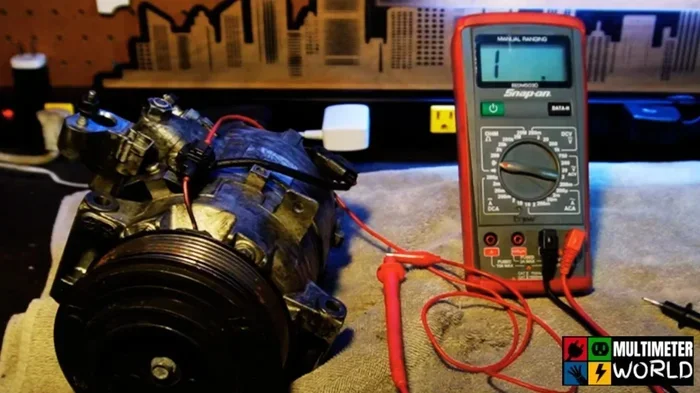
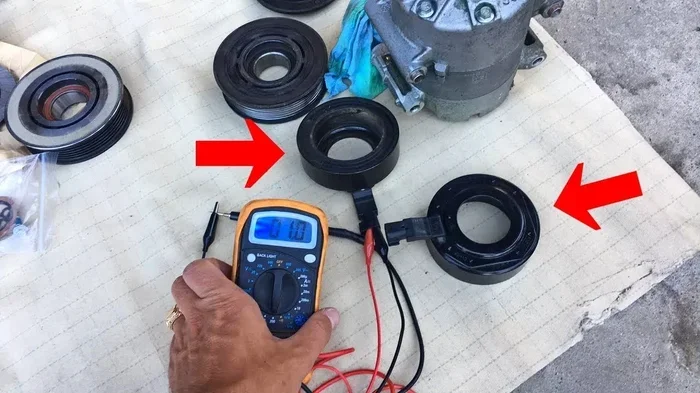
This is the most important electrical test. Set your multimeter to the resistance setting (ohms). Disconnect the electrical connector from the clutch coil. Place the multimeter leads on the coil terminals.
A healthy clutch coil typically reads between 3 and 5 ohms. If you get a reading of zero, the coil is shorted. If you get an infinite reading, the coil is open and burned out. Either way, the clutch coil needs replacement.
Step 5: Test for Voltage at the Clutch Connector
Reconnect the battery and turn the AC on. Set your multimeter to voltage (DC). Probe the clutch connector terminals. You should see battery voltage (around 12 volts) when the AC is on. If you see no voltage, the problem is upstream. It could be a bad relay, a blown fuse, or a faulty AC pressure switch.
Step 6: Check the Serpentine Belt and Tensioner
A loose or worn belt can prevent the clutch from spinning properly. Inspect the belt for cracks, glazing, or fraying. Check the tensioner to make sure it applies the right amount of pressure. A failing tensioner causes belt slippage, which mimics clutch problems.
Common Causes of Clutch Failure
Understanding why clutches fail helps you prevent future problems. Here are the most common causes of AC compressor clutch issues.
Low Refrigerant Levels
When refrigerant runs low, the AC system works harder. The clutch cycles more frequently and wears out faster. Low refrigerant often points to a leak somewhere in the system. Have a professional check for leaks if you notice your AC losing charge often.
Electrical Problems
Corroded connectors, bad relays, and blown fuses all prevent the clutch from getting power. These are among the easiest issues to fix but are often overlooked. Always check the electrical side before replacing the clutch assembly.
Overheating
The clutch generates heat during normal operation. But if the air gap is wrong or the coil is failing, overheating becomes a serious problem. Overheated coils burn out and cause complete clutch failure.
Worn Clutch Plate
Like a brake pad, the clutch plate wears down over time. A glazed or cracked plate cannot grip the pulley properly. This causes slipping and eventually complete failure. Replacement of the clutch plate is the fix here.
Contamination and Debris
Dirt, metal shavings, and oil contamination inside the clutch assembly cause premature wear. Keeping the compressor area clean goes a long way in extending clutch life.
When to Call a Professional
Not every clutch problem is a DIY fix. Here are situations where you should call a certified technician.
- Refrigerant Leaks: Handling refrigerant requires special certification and equipment.
- Compressor Internal Failure: If the compressor itself is damaged, not just the clutch, you need professional help.
- Electrical Diagnosis Beyond Basic Testing: Complex wiring issues require advanced diagnostic tools.
- AC System Fully Depressurized: Recharging the system after repair should be done by a licensed professional.
Remember, safety always comes first when working on vehicle systems. If you are unsure about any step, it is perfectly fine to seek expert help.
Prevention Tips to Keep Your Clutch Healthy
Preventing clutch problems is much easier than fixing them. Follow these simple tips to keep your air conditioning compressor running smoothly.
- Run Your AC Regularly: Even in winter, running the AC for 10 minutes keeps the system lubricated and the clutch in good condition.
- Check Refrigerant Levels Annually: Low refrigerant is the enemy of the clutch. Keep levels topped off.
- Inspect the Serpentine Belt: Replace worn belts before they cause clutch or compressor damage.
- Keep the Compressor Area Clean: Remove dirt and debris from around the compressor to prevent contamination.
- Address Warning Signs Early: Do not ignore clicking sounds, warm air, or frequent cycling. Early action prevents costly repairs.
Taking care of your AC compressor clutch is simple but makes a big difference over time. A little prevention saves a lot of money in the long run.
Quick Tips for Diagnosing Clutch Problems
Here are some fast tips to keep in your back pocket when diagnosing clutch issues:
- Always start with a visual inspection before doing any electrical testing.
- Use the owner’s manual for your specific vehicle to find exact specifications.
- Take photos during disassembly to help with reassembly.
- Label all connectors and bolts so nothing gets mixed up.
- If the clutch clicks but does not engage, check the relay and fuse first.
- Double-check your multimeter battery before taking readings.
Expert Insight: The Most Overlooked Clutch Problem
Many people focus on the clutch coil and plate, but the air gap is often the real culprit. A slightly off air gap causes the clutch to slip, overheat, and eventually fail. Always measure the air gap as part of your diagnosis. It takes two minutes and can save you from replacing parts you do not need to replace.
Another overlooked issue is the AC pressure switch. This switch tells the compressor when to engage based on refrigerant pressure. If the switch fails, the clutch will not engage even if everything else is working perfectly. Testing the pressure switch is a quick step that many people skip.
Final Thoughts
Learning how to check AC compressor clutch is a valuable skill for any car owner. It saves money, builds confidence, and keeps your cooling system running strong. Start with a visual inspection, move to electrical testing, and know when to call a pro. The steps in this guide give you everything you need to diagnose common clutch problems. Keep your tools handy, stay safe, and trust your instincts. Your AC system will thank you for it.
Remember that regular maintenance is the best defense against clutch failure. A few minutes of care today can prevent a major repair tomorrow. Share this guide with a friend who might need it, and keep driving cool all summer long.