How to Wire a Generator to a Breaker Box Step by Step
Wiring a generator to a breaker box gives you reliable backup power during outages. This guide covers everything from choosing the right transfer switch to safe installation steps. You will learn about manual and automatic options, safety precautions, and common mistakes to avoid. Whether you own a portable or standby generator, this tutorial helps you connect power correctly. Follow our expert tips to protect your home and family while keeping the lights on.
Power outages happen when you least expect them. Storms hit, grids fail, and suddenly your whole house goes dark. Having a backup power source changes everything. But knowing how to wire a generator to a breaker box safely is what separates a smart setup from a dangerous one.
This guide walks you through every step of the process. You will learn about transfer switches, wiring methods, safety rules, and common pitfalls. By the end, you will feel confident about your next backup power project. Let us dive in and make your home ready for the next outage.
Key Takeaways
- Use a transfer switch: It is the safest and most legal way to connect a generator to your breaker box.
- Choose between manual and automatic options: Each has its own benefits depending on your budget and needs.
- Turn off the main breaker first: This prevents backfeed and protects utility workers.
- Match wattage carefully: Overloading your system can cause fires or damage your appliances.
- Hire a licensed electrician when unsure: Electrical work carries serious risks and code requirements.
- Never use a generator indoors: Carbon monoxide poisoning is a real and deadly danger.
- Test your setup regularly: Routine checks ensure everything works when you need it most.
📑 Table of Contents
- What You Need to Know Before Wiring a Generator
- Types of Generator Connections for Breaker Boxes
- Step-by-Step Guide to Wiring Your Generator
- Safety Tips You Cannot Skip
- Common Mistakes and How to Avoid Them
- When to Call a Professional Electrician
- Maintenance Checklist for Your Generator Setup
- Conclusion
What You Need to Know Before Wiring a Generator
Before you touch any wires, you need to understand the basics. Connecting a generator to your electrical panel is not like plugging in a lamp. It involves your home’s electrical system, which carries real risks if handled incorrectly.
Why Proper Wiring Matters
Improper wiring can send electricity back through the power lines. This is called backfeed, and it can kill utility workers repairing power lines. It can also fry your generator and every appliance connected to your panel. Proper wiring keeps everyone safe and your system running smoothly.
Most local building codes require a licensed professional to handle generator connections. Even if your area allows DIY electrical work, you must follow strict safety rules. Ignoring these rules can result in fines, insurance denial, or worse.
Key Terms You Should Know
Here are some common terms you will encounter while learning how to wire a generator to a breaker box:
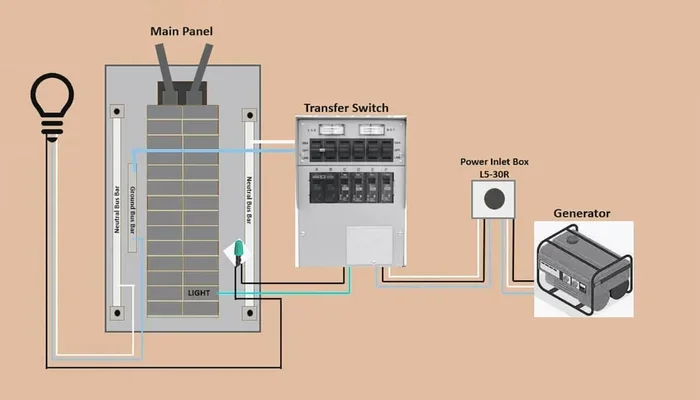
- Transfer switch: A device that safely switches your home between utility power and generator power.
- Breaker panel: The electrical box that distributes power to different circuits in your home.
- Wattage: The measure of electrical power your generator can produce.
- Grounding: Connecting your system to the earth to prevent electrical shocks.
- Interlock kit: A cheaper alternative to a transfer switch that prevents backfeed.
- Manual transfer switch: Requires you to physically flip a switch to switch power sources.
- Automatic transfer switch: Detects power loss and switches to generator power on its own.
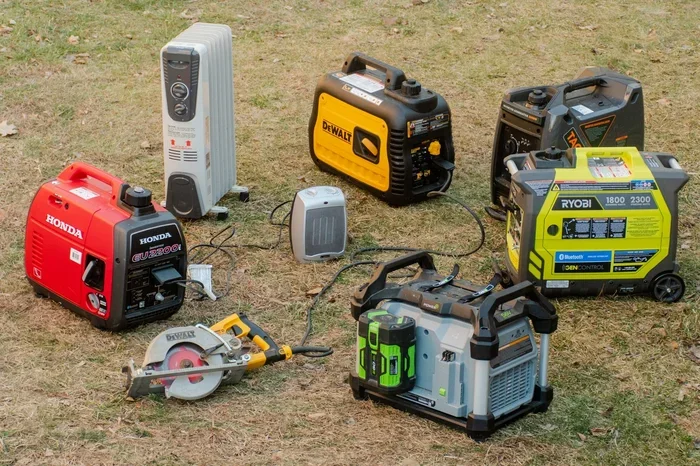
- Portable generator: A movable generator you can store and use as needed.
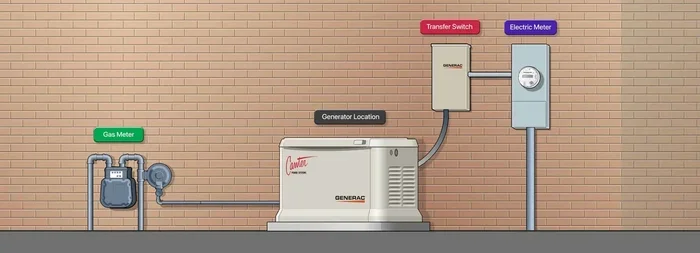
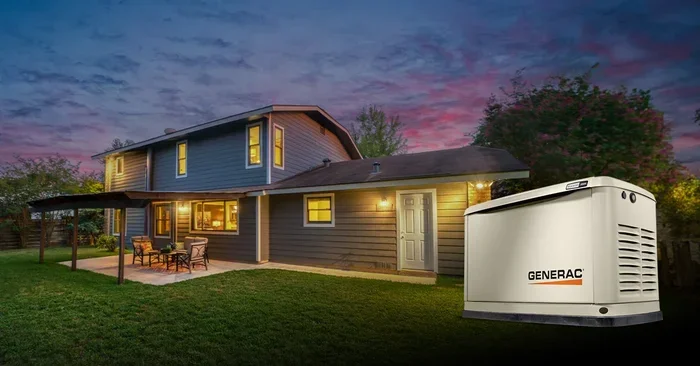
- Standby generator: A permanent unit that installs outside and kicks in automatically during outages.
- Circuit breaker: A safety device that shuts off power when it detects an overload.
Types of Generator Connections for Breaker Boxes
Not all generator connections are the same. The method you choose depends on your budget, your generator type, and your local codes. Here are the three main options.
Option 1: Manual Transfer Switch
A manual transfer switch is the most popular choice for homeowners. It installs between your generator and your breaker panel. When the power goes out, you start your generator and manually flip the switch.
This option is affordable and reliable. Most manual transfer switches cost between 300 and 800 dollars. They work well with both portable generators and standby generators.
Option 2: Automatic Transfer Switch
An automatic transfer switch does everything for you. It senses a power outage, starts your standby generator, and switches your home to generator power within seconds.
This is the most convenient option. However, it comes at a higher price. Automatic transfer switches can cost anywhere from 500 to 2000 dollars, plus installation fees. They are ideal for people who want a hands-off backup power solution.
Option 3: Interlock Kit
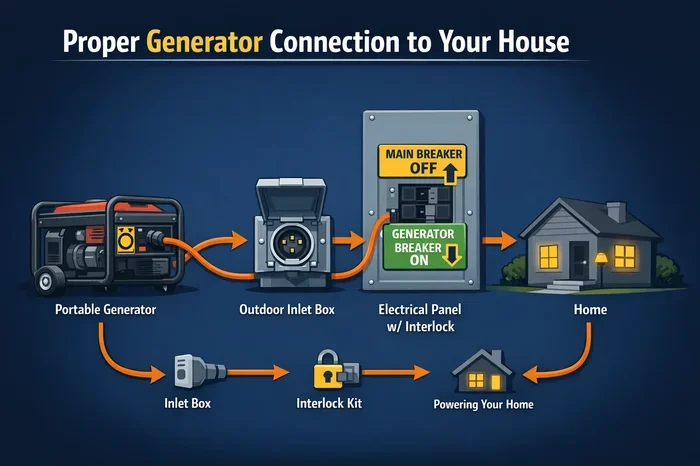
An interlock kit is a budget-friendly alternative. It is a mechanical device that prevents your breaker panel from backfeeding power to the grid. You install it directly on your breaker panel.
Interlock kits typically cost between 150 and 300 dollars. They are legal in many areas, but not all. Always check your local building codes before choosing this option.
| Feature | Manual Transfer Switch | Automatic Transfer Switch | Interlock Kit |
|---|---|---|---|
| Average Cost | 300 – 800 USD | 500 – 2000 USD | 150 – 300 USD |
| Automatic Switching | No | Yes | No |
| Installation Difficulty | Moderate | Professional Required | Moderate |
| Works with Portable Generators | Yes | Usually No | Yes |
| Works with Standby Generators | Yes | Yes | Yes |
| Backfeed Protection | Yes | Yes | Yes |
| Code Compliance | Usually Yes | Usually Yes | Varies by Location |
Step-by-Step Guide to Wiring Your Generator
Now that you understand your options, let us walk through the wiring process. This guide assumes you are using a manual transfer switch with a portable generator. Always consult your specific product manual before starting.
Step 1: Choose the Right Location
Place your generator outside, at least 20 feet from your home. Keep it away from windows, doors, and vents. Generator exhaust contains carbon monoxide, which is odorless and deadly. Proper placement is the single most important safety step.
Step 2: Install the Transfer Switch
Your transfer switch mounts next to your breaker panel. A licensed electrician should handle this installation in most cases. The switch connects to a dedicated circuit in your panel.
Make sure the transfer switch matches your generator’s amperage rating. For example, a 7500-watt generator typically needs a 30-amp transfer switch. Check the label on your generator to find the correct rating.
Step 3: Run the Generator Cord
Use a heavy-duty extension cord rated for outdoor use. The cord should have a ground prong and weather-resistant insulation. Connect one end to your generator and the other to the transfer switch input.
Never run cords through windows or doors where they can get pinched. Keep them away from water sources and high-traffic areas. A damaged cord can cause fires or electrocution.
Step 4: Turn Off the Main Breaker
This step cannot be skipped. Before connecting any power, flip the main breaker to the off position. This disconnects your home from the utility grid and prevents backfeed.
Use a voltage tester to confirm there is no power flowing through the panel. Treat every wire as if it is live until you verify otherwise.
Step 5: Start the Generator and Switch Power
Start your generator and let it run for a few minutes to stabilize. Then flip the transfer switch to the generator position. Your breaker panel now draws power from the generator.
Turn on your essential circuits one at a time. Start with refrigerators, medical devices, and lights. Avoid plugging in everything at once to prevent overloading.
Step 6: Switch Back to Utility Power
When grid power returns, turn off all generator-connected circuits first. Then flip the transfer switch back to the utility position. Finally, turn the main breaker back on.
Let your generator run for a few minutes before shutting it down completely. This allows the engine to cool down and prevents damage.
Safety Tips You Cannot Skip
Working with electricity demands respect. Every year, people are injured or killed by improper generator connections. Follow these safety rules every single time.
Always Use a Transfer Switch or Interlock
Never connect a generator directly to your breaker panel. This is called a “suicide cord” and it is extremely dangerous. A transfer switch or interlock kit prevents backfeed and keeps utility workers safe.
Install Carbon Monoxide Detectors
Generator exhaust contains carbon monoxide, which you cannot see or smell. Install CO detectors on every floor of your home. Test them monthly and replace batteries twice a year.
Use the Correct Gauge Wiring
Undersized wiring overheats and can start fires. Match your wire gauge to your generator’s amperage and the length of the cord run. Thicker cords handle more power safely.
Keep Generators Dry
Operate your generator on a dry surface under a canopy-like structure. Never use it in rain or wet conditions. Water and electricity are a deadly combination.
Store Fuel Safely
Keep generator fuel in approved containers away from living areas. Store fuel outside, in a well-ventilated area. Never refuel a hot generator.
Perform Regular Maintenance
Run your generator for 15 to 20 minutes every month. This keeps the engine lubricated and ensures it starts when you need it. Replace fuel stabilizer if the generator sits unused for long periods.
Quick Tip: Label every breaker in your panel with the room or appliance it controls. This makes it easy to select only essential circuits during a power outage and prevents accidental overloads.
Common Mistakes and How to Avoid Them
Even experienced DIYers make mistakes when wiring a generator. Here are the most common errors and how to avoid them.
Mistake 1: Underestimating Wattage Needs
Many people buy a generator without calculating their actual power needs. Add up the wattage of everything you want to run simultaneously. Then add a 20 percent buffer for startup surges. Buying a generator that is too small damages both the generator and your appliances.
Mistake 2: Skipping the Transfer Switch
Some people try to save money by skipping the transfer switch. This is a dangerous shortcut. Without a transfer switch, your generator can backfeed power into the grid, which is illegal in most areas and potentially lethal.
Mistake 3: Overloading Circuits
Connecting too many appliances to one circuit trips the breaker constantly. Spread your essential loads across multiple circuits. Prioritize refrigerators, medical equipment, and basic lighting first.
Mistake 4: Ignoring Local Codes
Every jurisdiction has its own electrical codes. Some require permits for generator installations. Others mandate specific types of transfer switches. Contact your local building department before you start any work.
Mistake 5: Forgetting to Test the System
A generator that sits unused for months may not start when you need it. Test your entire setup quarterly. Run it under load for at least 30 minutes to verify everything works correctly.
Expert Insight: “The most common mistake I see is people treating generator wiring as a simple plug-in task,” says licensed electrician Marcus Delgado. “Your electrical panel is live. If you are not 100 percent confident, hire a professional. It is worth the cost for the peace of mind and safety.”
When to Call a Professional Electrician
There is no shame in calling a pro. Some aspects of generator wiring are best left to licensed professionals. Here are situations where you should definitely hire an electrician.
- You are uncomfortable working inside your breaker panel.
- Your local codes require a licensed professional for the installation.
- You need to install an automatic transfer switch.
- Your breaker panel is old or does not have space for a dedicated generator circuit.
- You need to upgrade your electrical panel to handle the generator load.
- You are unsure about any part of the wiring process.
A licensed electrician will ensure your installation meets all code requirements. They can also advise on the right generator size and transfer switch for your home. Many electricians offer free estimates, so it pays to get at least two quotes.
The cost of professional installation typically runs between 500 and 1500 dollars. This includes the transfer switch, wiring, and labor. While it is an investment, it is a small price compared to the safety it provides.
Maintenance Checklist for Your Generator Setup
Once your generator is wired to your breaker box, maintenance keeps it running reliably. Here is a simple checklist to follow.
- Monthly: Run the generator for 15 to 20 minutes under light load.
- Quarterly: Test the transfer switch by switching between utility and generator power.
- Every 6 months: Check all connections for signs of corrosion or looseness.
- Annually: Replace the oil, air filter, and spark plug.
- As needed: Test carbon monoxide detectors and replace batteries.
- Before storm season: Run a full load test to verify capacity.
- After any outage: Inspect cords and connections for damage.
Staying on top of maintenance means your backup power system will be ready when you need it most. A well-maintained generator can last 10 to 20 years with proper care.
Conclusion
Learning how to wire a generator to a breaker box is a valuable skill for any homeowner. It gives you control during power outages and keeps your essential appliances running. From choosing the right transfer switch to following strict safety rules, every step matters.
Always prioritize safety over savings. A transfer switch or interlock kit is non-negotiable. Never skip the main breaker before making connections. And when in doubt, call a licensed electrician.
Your family deserves reliable backup power without the risks. Use this guide as your roadmap, test your setup regularly, and stay prepared. With the right knowledge and precautions, you can weather any power outage with confidence.
Frequently Asked Questions
Can I plug a generator directly into my breaker box?
No, you should never connect a generator directly to your breaker panel without a transfer switch or interlock kit. Direct connection causes backfeed, which is extremely dangerous to utility workers and can damage your generator and home electrical system. Always use a proper transfer switch to safely switch between power sources.
What size generator do I need to power my whole house?
A typical home needs a generator rated between 7000 and 12000 watts to run essential circuits. If you want to power your entire home including air conditioning and electric heat, you may need a 15000 to 20000 watt standby generator. Calculate your total wattage needs by adding up the appliances you want to run simultaneously, then add a 20 percent buffer for startup surges.
Do I need a permit to wire a generator to my breaker box?
Most jurisdictions require an electrical permit for generator installations. Some also require inspection to ensure the work meets local building codes. Check with your city or county building department before starting any electrical work. Failing to obtain a permit can result in fines and may void your homeowner’s insurance.
How far should my generator be from my house?
Place your generator at least 20 feet from your home, with the exhaust pointing away from windows and doors. This distance prevents carbon monoxide from entering your living space. Never operate a generator in a garage, basement, or any enclosed area, even with the doors open.
What is the difference between a portable generator and a standby generator?
A portable generator is movable, runs on gasoline or propane, and requires manual setup during an outage. A standby generator is a permanent unit installed outside, connects to natural gas or propane lines, and turns on automatically when power is lost. Standby generators cost more upfront but offer greater convenience and higher power capacity.
How often should I test my generator wiring setup?
Test your entire generator setup at least once every three months. Run the generator under load for 30 minutes to verify the transfer switch, circuits, and connections all work properly. Testing before storm season is especially important to ensure your backup power system is ready when you need it most.
=== CONCLUSION ===
Wiring a generator to a breaker box is a straightforward process when you follow the right steps. Choose a transfer switch that fits your generator, install it properly, and always prioritize safety. Remember to turn off the main breaker, use the correct gauge wiring, and never operate your generator indoors.
Whether you opt for a manual transfer switch or an automatic setup, the goal is the same: reliable backup power for your home. Avoid common mistakes, maintain your equipment regularly, and do not hesitate to call a professional when needed.
With this guide, you now have the knowledge to connect your generator safely and effectively. Stay prepared, stay safe, and keep your home powered no matter what comes your way.