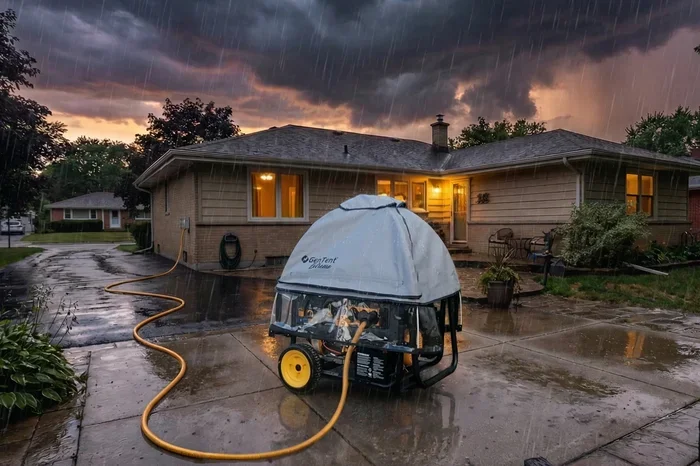
Can You Run a Portable Generator in the Rain Safely
Yes, you can run a portable generator in the rain, but only with proper precautions and protection. Operating a generator in wet conditions without a cover or shelter creates serious electrical and safety hazards. This guide covers everything you need to know about running a portable generator in the rain safely, from waterproof covers to correct placement and essential safety tips.
Key Takeaways
- Never place a generator directly on wet ground: moisture causes electrical shorts and fire risks.
- Use a generator tent or canopy: a proper rain cover keeps water away from outlets and vents.
- Always position the generator outdoors: never run it indoors or in a garage due to carbon monoxide.
- Dry your hands before touching the generator: wet hands increase the risk of electrical shock.
- Check your generator’s manual: some models handle light rain better than others.
- Use a GFCI outlet for extra safety: ground fault circuit interrupters prevent electrocution in wet areas.
- Act fast if your generator gets wet: turn it off, dry it completely, and inspect before restarting.
📑 Table of Contents
- Is It Safe to Run a Portable Generator in the Rain?
- Understanding Your Generator’s Weather Resistance
- How to Protect Your Generator From Rain
- Best Practices for Operating a Generator Outdoors in Wet Weather
- What to Do If Your Generator Gets Wet
- Expert Insights on Generator Safety in Wet Conditions
- Final Thoughts on Running a Portable Generator in the Rain
Is It Safe to Run a Portable Generator in the Rain?
The short answer is yes. But the full answer is more complicated. Running a portable generator in the rain comes with real risks. Water and electricity are a dangerous combination. Without the right setup, you could face electrical shocks, short circuits, or even fires.
Many homeowners need backup power during storms. When the lights go out during a heavy downpour, your generator becomes essential. But that does not mean you should just set it up in the open and hope for the best.
The key is preparation. A little planning goes a long way. This article walks you through everything you need to know about operating a generator in wet weather. You will learn about covers, placement, electrical safety, and common mistakes to avoid.
Why Rain and Generators Are a Dangerous Mix
Generators produce electricity. Water is a conductor of electricity. When rain hits exposed electrical parts, the risk of shock increases significantly. Even a small splash into an outlet can cause serious harm.
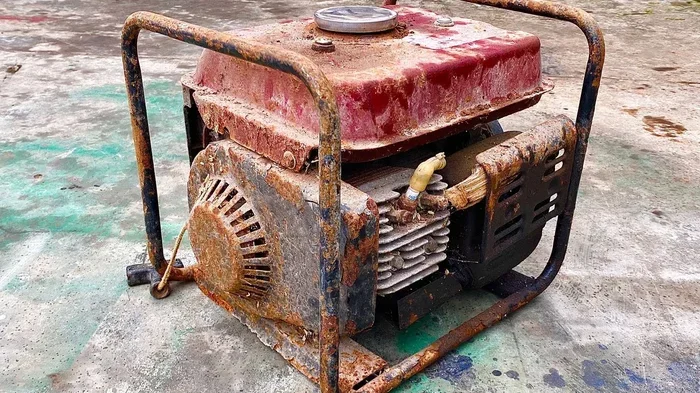
Beyond electrical hazards, water can damage the generator’s internal components. The engine, alternator, and control panel are not all fully sealed. Moisture can cause rust, corrosion, and long-term damage.
Carbon monoxide is another concern. Generators produce this deadly gas. Rain does not stop carbon monoxide production. In fact, people sometimes move generators closer to their homes during storms, which increases the risk of indoor poisoning.
Understanding Your Generator’s Weather Resistance
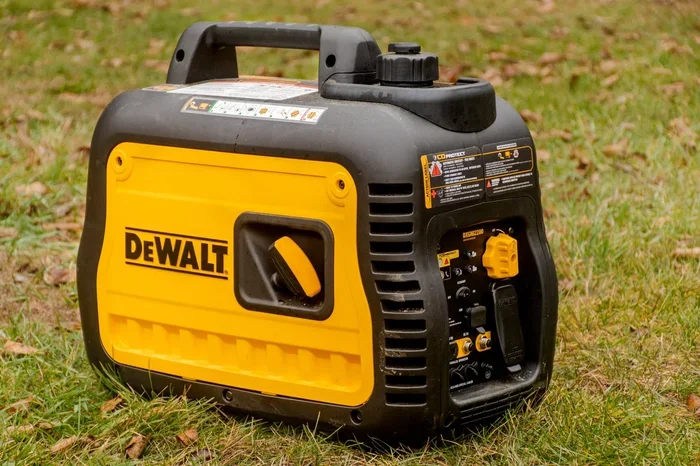
Not all generators handle rain the same way. Before you run a portable generator in the rain, check what your owner’s manual says. Manufacturers rate generators differently when it comes to moisture exposure.
Check the IP Rating
Some generators come with an IP rating, which stands for Ingress Protection. This rating tells you how well a device resists water and dust. A higher second digit means better water resistance.
For example, a generator with an IP rating of IP44 can handle splashing water from any direction. An IP20 rating means the generator has no water protection at all.
Most standard portable generators have limited water resistance. They are not fully waterproof. You should treat them with care during rainstorms.
What the Manual Says Matters
Your generator manual is your best friend. It tells you exactly what the manufacturer recommends. Some manuals explicitly warn against operating the unit in rain. Others allow light rain if you take precautions.
Do not guess. Read the manual cover to cover. If the manual says not to use the generator in wet conditions, follow that advice. Ignoring it can void your warranty.
How to Protect Your Generator From Rain
Protecting your generator from rain is entirely possible. You just need the right tools and setup. Here are the best ways to keep your generator dry during a storm.
Use a Generator Tent or Canopy
A generator tent is the most popular solution. These pop-up shelters are designed specifically for generators. They allow proper ventilation while keeping rain out.
You can also buy waterproof generator canopies. These attach over the generator and create a dry operating space. Make sure the cover has openings for exhaust fumes to escape safely.
Never use a tarp directly over the generator without ventilation. Trapped heat and exhaust fumes create a serious fire and poisoning risk.
Build a Generator Shelter
For a more permanent setup, consider building a generator shelter. A simple three-sided structure with a roof works well. Use materials that allow airflow, like plywood panels with gaps at the bottom.
Place the shelter on a dry, elevated surface. A concrete pad or wooden platform keeps the generator off wet ground. This also protects against flooding during heavy rain.
Use a Waterproof Generator Cover
Waterproof covers are another great option. Look for covers made from heavy-duty vinyl or polyester with a waterproof coating. The cover should fit snugly but allow space around the exhaust and vents.
Some covers come with clear windows so you can monitor the generator’s display panel. This helps you check the fuel level and output without removing the cover.
Quick Tips for Generator Rain Protection
- Always keep the generator on a dry, elevated surface.
- Use a cover or tent designed for generators, not a generic tarp.
- Ensure the cover allows full ventilation around the exhaust.
- Keep the cover away from hot engine parts to prevent melting.
- Inspect the cover regularly for tears or holes.
- Never let the cover touch the generator’s hot surfaces.
Best Practices for Operating a Generator Outdoors in Wet Weather
Protecting the generator from rain is only part of the equation. You also need to follow safe operating practices. These steps keep you and your family safe during wet weather power outages.
Placement Is Everything
Where you place the generator matters more than you think. Always set it up outdoors, away from windows and doors. Even with a cover, exhaust fumes contain carbon monoxide.
Place the generator at least 20 feet from your home. Point the exhaust away from windows and vents. This keeps deadly gases from entering your living space.
Choose a flat, stable surface for the generator. Wet grass or dirt can cause the unit to tip over. A concrete slab or sturdy platform works best.
Keep Everything Dry
Your hands should be completely dry before touching the generator. Wet hands conduct electricity more easily. This is a simple step that many people overlook.
Make sure all electrical connections are dry. Use weatherproof extension cords designed for outdoor use. These cords have extra insulation that protects against moisture.
Never let water pool around the generator. If rain is heavy, consider redirecting water flow away from your setup. A small drainage channel or elevated platform can make a big difference.
Use a GFCI Outlet
A Ground Fault Circuit Interrupter, or GFCI, is a life-saving device. It shuts off power instantly if it detects a ground fault. This is especially important when operating electrical devices in wet conditions.
Many modern generators come with GFCI outlets built in. If yours does not, you can plug a GFCI adapter into the generator’s outlet. This adds an extra layer of protection.
Test your GFCI outlet before you need it during an emergency. Press the test button to make sure it trips correctly. Replace any GFCI outlet that does not work.
Ground Your Generator Properly
Generator grounding is an important safety step. A grounded generator reduces the risk of electrical shock. It also protects your appliances from power surges.
Drive a grounding rod into the earth near the generator. Connect the generator’s grounding bolt to the rod with a copper wire. This creates a safe path for electrical current to flow into the ground.
Check your generator manual for specific grounding instructions. Some generators come pre-grounded through their frame. Others require a separate grounding rod.
Never Backfeed Into Your Home’s Electrical System
Backfeeding is extremely dangerous. It involves plugging the generator directly into a wall outlet. This sends electricity backward through your home’s wiring.
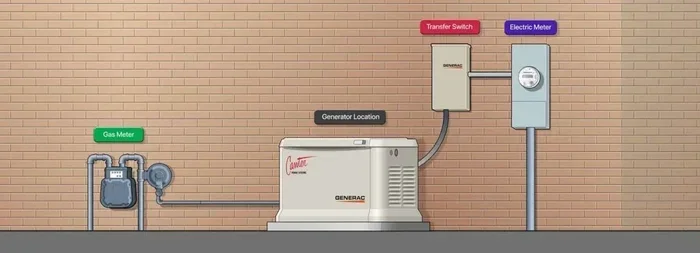
Backfeeding can electrocute utility workers repairing power lines. It can also fry your appliances and start electrical fires. Always use a transfer switch installed by a licensed electrician.
A transfer switch lets you power your home safely from the generator. It isolates your home from the utility grid. This protects you, your family, and your neighbors.
Common Mistakes People Make With Generators in Wet Weather
Even well-meaning homeowners make mistakes when using generators in the rain. Here are the most common errors to avoid.
Covering Vents and Exhaust
One of the biggest mistakes is blocking the exhaust or ventilation openings. Generators need airflow to cool the engine and vent exhaust gases safely.
A tarp pulled too tight over the generator can block these openings. This causes heat to build up. It can also trap carbon monoxide near the unit.
Always make sure your cover or tent has plenty of open space for airflow. Check this before you start the generator.
Placing the Generator Too Close to the House
During a storm, it is tempting to place the generator close to the garage or back door. This is a dangerous habit. Exhaust fumes can easily seep through open doors and windows.
Carbon monoxide is odorless and colorless. You cannot see or smell it. By the time you notice symptoms, it may be too late.
Keep the generator at least 20 feet from any building opening. This includes doors, windows, and vents.
Using the Wrong Extension Cords
Not all extension cords are created equal. Indoor cords are not designed for wet conditions. Using them outdoors during rain creates a shock hazard.
Always use heavy-duty outdoor extension cords rated for wet use. Look for cords with a grounded three-prong plug. Check the cord for any cuts or damage before plugging it in.
Ignoring Fuel Spills
Refueling a generator while it is running is dangerous in any weather. But it is even more dangerous in the rain. Spilled fuel on wet surfaces increases the fire risk.
Always turn off the generator and let it cool before adding fuel. Wipe up any spills immediately. Keep the fuel container away from the generator and any ignition sources.
What to Do If Your Generator Gets Wet
Despite your best efforts, your generator might get wet. Here is what to do if rain soaks your unit.
Turn It Off Immediately
If water touches the generator while it is running, turn it off right away. Do not touch the generator with wet hands. Use a dry towel or gloves to handle the unit.
Move the generator to a dry location if it is safe to do so. Wait for the engine to cool completely before inspecting it.
Dry It Thoroughly
Use a clean, dry cloth to wipe down the entire generator. Pay special attention to the outlets, control panel, and air filter.
If water has gotten inside the engine, do not try to start it yet. Let it air dry for at least 24 hours. You can use a fan to speed up the drying process.
Inspect Before Restarting
Before you restart the generator, check for any visible damage. Look at the spark plug, air filter, and fuel lines. If anything looks corroded or damaged, have a professional inspect it first.
Plug in a small appliance to test the generator. If it runs smoothly and delivers steady power, you are probably good to go. If you notice sparking, unusual smells, or irregular power output, turn it off and seek professional help.
Expert Insights on Generator Safety in Wet Conditions
We spoke with certified electricians and generator safety experts to get their top tips. Here is what they recommend for anyone who needs to run a portable generator in the rain.
Always prioritize ventilation. A generator tent is great, but only if it does not trap heat or exhaust. The experts also stress the importance of regular maintenance. A well-maintained generator handles wet conditions better than a neglected one.
Another expert tip is to keep a fire extinguisher nearby when operating a generator. In wet conditions, electrical faults can still happen. Having an extinguisher within reach adds an extra layer of protection.
Finally, the experts recommend investing in a generator with a higher IP rating if you live in a rainy area. A weatherproof generator saves you time, money, and worry during storm season.
Final Thoughts on Running a Portable Generator in the Rain
So, can you run a portable generator in the rain? Yes, you can. But safety must come first. With the right cover, proper placement, and smart operating habits, you can keep your home powered even during the heaviest storms.
Remember to always read your generator manual. Use a proper generator tent or canopy. Keep the unit dry and well-ventilated. Never place the generator too close to your home.
Following these generator safety tips protects your family and your equipment. A little preparation makes all the difference when the rain starts falling and the power goes out.
Stay safe, stay dry, and keep your power running no matter what the weather throws at you.
Frequently Asked Questions
Can I use a regular tarp as a generator cover in the rain?
A regular tarp is not ideal for covering a generator. Tarps often block ventilation and trap heat. This can cause overheating and exhaust buildup. Use a generator-specific cover or tent that allows proper airflow around the unit.
What happens if water gets into my portable generator?
Water can damage the internal electrical components of a generator. It may cause short circuits, corrosion, or motor failure. If water gets inside, turn the generator off immediately and let it dry completely before attempting to restart it. Have a professional inspect it if needed.
Do I need a special generator to use it in wet weather?
You do not necessarily need a special generator. Most portable generators can handle light rain if you use a proper cover and follow safety guidelines. However, generators with higher IP ratings offer better protection against moisture and are a smart choice for rainy climates.
Is it safe to run a generator in the rain with a transfer switch?
Yes, using a transfer switch is safe and recommended. A transfer switch connects the generator to your home’s electrical system safely. It prevents backfeeding and reduces electrical hazards. Keep the generator itself covered and dry, even when using a transfer switch.
How far should my generator be from my house during rain?
Place your generator at least 20 feet away from your home. This distance helps prevent carbon monoxide from entering your living space. It also keeps rainwater runoff away from the generator’s electrical components. Point the exhaust away from windows and doors.
Can I leave my generator outside during a rainstorm if it is covered?
Yes, you can leave a covered generator outside during a rainstorm. Make sure the cover is a proper generator tent or canopy with adequate ventilation. Never use an airtight cover. Check that rainwater is not pooling around the base of the generator. Keep the surface elevated and dry.