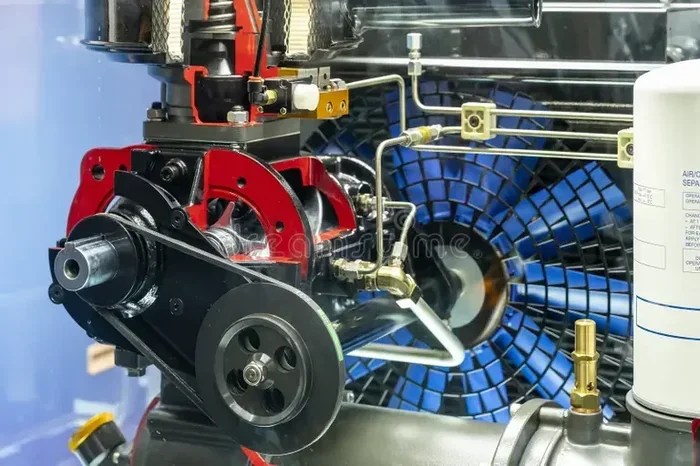
OEM Compressor Parts How to Choose the Perfect Fit
Choosing the right OEM compressor parts ensures your equipment runs smoothly, lasts longer, and stays under warranty. This guide breaks down everything you need to know about oem compressor parts, from compatibility checks to avoiding common buying mistakes. You will learn how to match parts to your specific compressor model and save money without sacrificing quality.
Your compressor is the heartbeat of your operation. Whether you run a small workshop or a large industrial facility, every part matters. When something breaks, finding the right replacement can feel overwhelming. That is where oem compressor parts come in. They are the original components made by the manufacturer who built your machine. This guide will walk you through everything you need to know about selecting the perfect fit for your compressor.
Not all replacement parts are created equal. Some people reach for the cheapest option they can find. Others wonder if generic parts will work just as well. The truth is, oem compressor parts offer benefits that go beyond simple compatibility. They deliver reliability, performance, and peace of mind. In this article, we will explore how to choose the right oem compressor parts, what to watch out for, and why genuine components are almost always the smarter investment.
Key Takeaways
- OEM parts guarantee compatibility: Genuine oem compressor parts are designed specifically for your machine, reducing the risk of breakdowns.
- Quality and durability matter: OEM components are built to higher standards than most aftermarket alternatives.
- Warranty protection is preserved: Using oem compressor parts keeps your manufacturer warranty intact.
- Know your compressor model: Always check your user manual and serial number before ordering any replacement component.
- Price vs. value is a real tradeoff: Cheaper parts may cost more in the long run through frequent replacements and downtime.
- Buy from trusted sources: Authorized dealers and certified suppliers ensure you get authentic oem compressor parts.
📑 Table of Contents
- What Are OEM Compressor Parts?
- Why Choosing OEM Compressor Parts Matters
- How to Choose the Right OEM Compressor Parts
- Common OEM Compressor Parts You May Need
- Where to Buy OEM Compressor Parts
- Common Mistakes to Avoid When Buying OEM Compressor Parts
- Expert Tips for Maintaining Your Compressor with OEM Parts
- Conclusion
What Are OEM Compressor Parts?
OEM stands for Original Equipment Manufacturer. When we talk about oem compressor parts, we mean the parts that the original maker of your compressor produced. These are not copies or replicas. They are the exact components that came inside your machine when you first bought it.
Think of it this way. If you buy a Toyota truck, the parts stamped with the Toyota logo are OEM parts. The same logic applies to your compressor. Brands like Ingersoll Rand, Quincy, Sullair, and Quincy all manufacture their own genuine components. These compressor replacement parts are engineered to work perfectly with the rest of the system.
OEM vs Aftermarket Parts
Aftermarket parts are made by third-party companies. They are designed to fit similar models. However, they are not built to the same specifications. Here is a quick comparison of what sets them apart:
- OEM compressor parts are made from the same materials and to the same tolerances as your original components.
- Aftermarket parts may use cheaper materials to cut costs.
- OEM parts come with a manufacturer warranty and quality assurance.
- Aftermarket parts often have inconsistent quality control.
- Genuine oem parts maintain the performance ratings your compressor was designed for.
- Aftermarket parts can sometimes void your compressor warranty.
The difference may not be obvious at first glance. But over time, using non-OEM components can lead to premature wear, reduced efficiency, and unexpected breakdowns. This is why choosing oem compressor parts is almost always the better long-term decision.
Why Choosing OEM Compressor Parts Matters
You might be tempted to save a few dollars with a cheaper alternative. But the real cost of cutting corners can be much higher. Here is why investing in oem compressor parts pays off.
1. Perfect Compatibility
Every compressor model has unique specifications. The dimensions, materials, and tolerances vary from one machine to the next. OEM compressor accessories are designed to match those exact specifications. When you install a genuine part, you know it will fit correctly and function as intended.
With aftermarket options, you often have to guess. Even if a part looks similar, small differences in threading, pressure ratings, or material thickness can cause problems. These issues may not show up immediately, but they can lead to serious damage over time.
2. Maintaining Your Warranty
Most compressor manufacturers require you to use genuine oem parts to keep your warranty valid. If you install a non-OEM component and something goes wrong, the manufacturer may refuse to cover the repair. That single aftermarket part could end up costing you thousands in unpaid repair bills.
Using OEM parts is an easy way to protect your investment. It keeps your coverage active and gives you a clear path to getting support if something goes wrong.
3. Performance and Efficiency
Compressors are precision machines. Every part works together to deliver consistent pressure and airflow. When you swap in a non-OEM component, you risk disrupting that balance. OEM compressor parts are tested to work seamlessly with the rest of the system. They maintain the efficiency ratings that made your compressor worth buying in the first place.
4. Longevity and Reliability
OEM components are built to last. They undergo rigorous testing and quality control. When you use compressor replacement parts from the original manufacturer, you are getting parts that meet the same standards as the ones that came with your machine. This means fewer breakdowns, less downtime, and a longer overall lifespan for your equipment.
How to Choose the Right OEM Compressor Parts
Finding the perfect fit for your compressor is not as hard as it seems. You just need to know what to look for. Follow these steps to make the right choice every time.
Step 1: Identify Your Compressor Model
Start by finding your compressor model number. This is usually printed on a metal plate attached to the machine. Write it down and keep it handy. You will need it every time you order a part. The model number tells the supplier exactly which oem compressor parts are compatible with your unit.
Step 2: Check Your User Manual
Your user manual is a goldmine of information. It lists every part number, specification, and recommended maintenance schedule. If you have lost your manual, most manufacturers offer free PDF versions on their websites. Look up your model number and download the manual. It will help you identify the exact compressor components you need.
Step 3: Know Your Serial Number
Your serial number tells you when your compressor was manufactured. Over time, manufacturers may update parts designs. The serial number ensures you get the correct version of the part that matches your specific machine. Always provide this number when ordering oem compressor parts.
Step 4: Verify the Part Number
Every genuine part has a unique part number. Never order a part based on a description alone. Cross-reference the part number with your manual or the manufacturer’s online catalog. This small step can save you from receiving the wrong compressor spare parts and dealing with frustrating returns.
Step 5: Buy from Authorized Sources
Not every seller offering oem compressor parts is legitimate. To ensure you are getting genuine components, buy from authorized dealers or directly from the manufacturer. Authorized sellers can provide proof of authenticity and often offer better warranty support on the parts they sell.
Common OEM Compressor Parts You May Need
Understanding the different types of compressor replacement parts can help you prepare for future maintenance. Here are some of the most common oem compressor parts you may need to replace over time.
Valve Plates and Valves
Valve plates control the flow of air inside your compressor. They open and close thousands of times per day. Over time, they wear out and lose their seal. Replacing valve plates with oem compressor parts ensures your compressor maintains proper pressure and efficiency.
Piston Rings and Cylinder Components
Piston rings seal the combustion chamber and control oil consumption. When they wear out, your compressor may lose pressure or use too much oil. Genuine compressor piston rings from the OEM manufacturer are designed to match the exact specifications of your cylinder.
Gaskets and Seals
Gaskets prevent air leaks at connection points. A worn gasket can cause pressure drops and reduce efficiency. Using an oem compressor gasket set ensures a perfect seal and prevents costly air leaks.
Filters and Air Intake Components
Clean air is essential for compressor performance. OEM air filters are designed to trap contaminants while allowing proper airflow. Regular replacement of compressor air filters with genuine parts keeps your system running clean and efficient.
Motor and Electrical Parts
The motor is the engine of your compressor. Electrical components like capacitors, contactors, and wiring harnesses are critical to reliable operation. OEM compressor motor parts are built to handle the electrical demands of your specific compressor model safely.
Where to Buy OEM Compressor Parts
Finding the right source for oem compressor parts is just as important as choosing the right parts. Here are some trusted options to consider.
Manufacturer Direct
Buying directly from the compressor manufacturer is the safest route. You get guaranteed authenticity and full warranty support. Most major brands have online parts catalogs where you can search by model number and order directly.
Authorized Dealers
Authorized dealers carry genuine oem compressor parts and often have knowledgeable staff who can help you find the right component. They may also offer bulk pricing for businesses that need multiple parts.
Certified Online Retailers
Some online retailers specialize in industrial compressor parts and are certified by manufacturers. Always verify their authorization before placing an order. Look for reviews, return policies, and proof of genuine sourcing.
What to Avoid
Steer clear of unknown sellers on random marketplaces. Parts that seem too cheap are often counterfeit or low-quality imitations. These compressor components may fit physically but fail to perform or could even damage your machine.
Common Mistakes to Avoid When Buying OEM Compressor Parts
Even with the best intentions, people make mistakes when ordering replacement parts. Here are the most common ones and how to avoid them.
Mistake 1: Guessing the Part Number
Never assume you know which part you need. Always look up the exact part number from your manual or the manufacturer’s catalog. A wrong part can cause serious damage to your compressor.
Mistake 2: Ignoring Serial Number Differences
Two compressors of the same model can have different serial numbers and different part requirements. Always provide your serial number when ordering oem compressor parts.
Mistake 3: Choosing Price Over Authenticity
It is tempting to go with the lowest price. But counterfeit parts are a real problem in the industrial market. Stick with authorized sources and pay a fair price for genuine quality.
Mistake 4: Skipping Compatibility Checks
Do not order a part just because it says it fits your model. Always double-check compatibility using your model number, serial number, and part number before placing an order.
Expert Tips for Maintaining Your Compressor with OEM Parts
Using oem compressor parts is only half the battle. Proper maintenance keeps your compressor running at peak performance for years.
Follow the Maintenance Schedule
Your user manual includes a recommended maintenance schedule. Follow it closely. Replace filters, gaskets, and oil at the intervals specified by the manufacturer. Using OEM parts during maintenance ensures everything works as designed.
Keep a Parts Inventory
For businesses that rely on compressors, keeping a small inventory of common compressor spare parts can minimize downtime. Stock items like gaskets, filters, and valve plates so you are ready when a replacement is needed.
Document Every Replacement
Keep a log of every part you replace. Record the part number, date, and compressor hours at the time of replacement. This log helps you predict future needs and troubleshoot problems faster.
Work with a Qualified Technician
Even with the best oem compressor parts, improper installation can cause problems. If you are not confident in your mechanical skills, hire a qualified compressor technician. They have the expertise to install parts correctly and identify potential issues before they become serious.
Conclusion
Choosing the right oem compressor parts is one of the most important decisions you can make for your compressor. Genuine parts offer compatibility, reliability, warranty protection, and long-term value. They may cost a bit more upfront, but they save you money, time, and headaches in the long run.
Follow the steps in this guide. Know your model. Verify your part numbers. Buy from trusted sources. And always prioritize quality over price. Your compressor works hard for you. Give it the genuine oem compressor parts it deserves, and it will keep running smoothly for years to come.
Take the time to do it right the first time. Your compressor and your bottom line will thank you.
Frequently Asked Questions
What does OEM stand for in compressor parts?
OEM stands for Original Equipment Manufacturer. OEM compressor parts are the exact components made by the company that built your compressor. They are not reproductions or generic alternatives. They are the same parts that came with your machine when you first purchased it.
Are OEM compressor parts worth the extra cost?
Yes, OEM compressor parts are almost always worth the investment. They offer perfect compatibility, superior quality, and warranty protection. While aftermarket parts may seem cheaper, they can lead to premature wear, reduced efficiency, and costly breakdowns. Over time, OEM parts save you money by lasting longer and performing better.
Can using non-OEM parts void my compressor warranty?
Yes, using non-OEM parts can void your compressor warranty. Most manufacturers require genuine oem compressor parts to keep your coverage valid. If a problem occurs and the manufacturer discovers you used aftermarket components, they may refuse to pay for repairs. Always check your warranty terms before ordering replacement parts.
How do I find the right OEM part for my compressor?
Start by locating your compressor model number and serial number. Check your user manual for the specific part number you need. You can also search the manufacturer’s online parts catalog using your model number. Always verify the part number before placing an order to ensure you get the correct oem compressor parts.
Where can I buy genuine OEM compressor parts?
You can buy genuine oem compressor parts directly from the manufacturer, through authorized dealers, or from certified online retailers. Avoid unknown sellers on general marketplaces, as counterfeit parts are common. Always confirm the seller is authorized by the compressor brand before purchasing.
How often should I replace OEM compressor parts?
Replacement frequency depends on your compressor model, usage, and operating conditions. Check your user manual for the manufacturer’s recommended maintenance schedule. Common parts like filters, gaskets, and valve plates typically need replacement every few months to a few years. Regular maintenance with OEM parts keeps your compressor running efficiently and extends its lifespan.