What Does the HVAC Compressor Do and Why It Matters
The HVAC compressor is the heart of your air conditioning system. It pumps refrigerant through the system, enabling heat exchange that keeps your home cool. Without a working compressor, your AC unit cannot cool your home at all. Understanding how it works helps you maintain it properly and avoid costly repairs.
Your air conditioner works hard every summer to keep your home comfortable. But have you ever wondered what makes it all happen? The answer starts with one small but mighty component. The HVAC compressor is the engine that drives your entire cooling system. Without it, your AC would be nothing more than a big fan blowing warm air.
In this guide, we will break down exactly what the compressor does, how it works, and why it is so important. Whether you are a homeowner trying to understand your system or someone dealing with a noisy or failing unit, this article has you covered. We will also share practical tips to keep your compressor running strong for years to come.
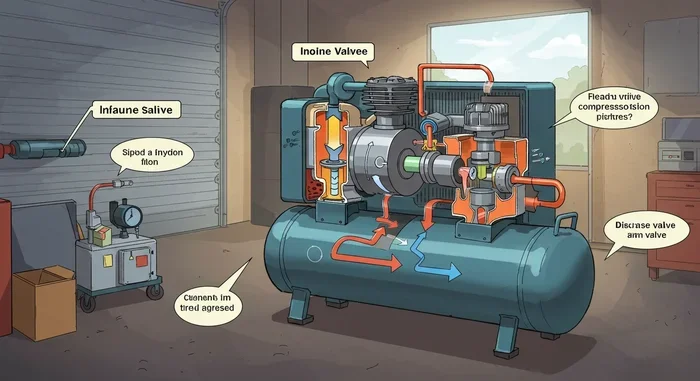
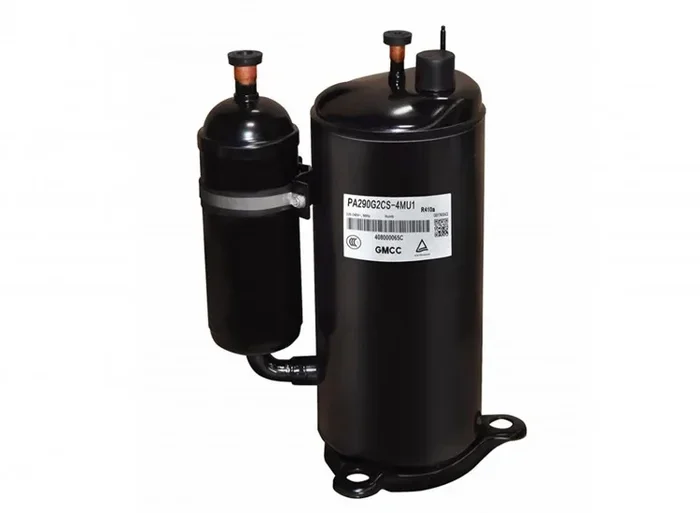
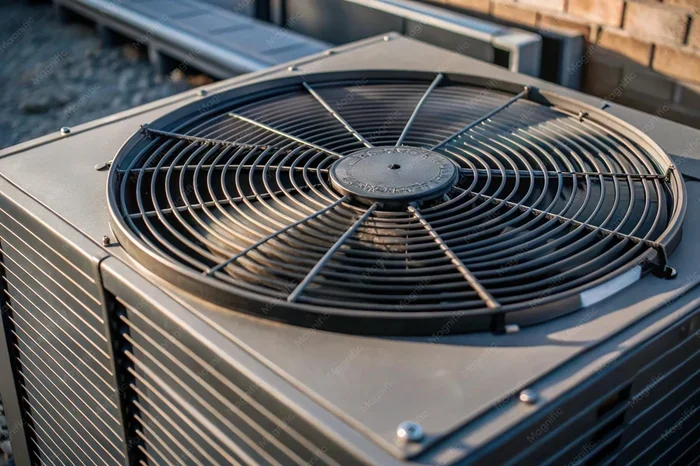
Let us start with the basics. The compressor sits in the outdoor unit of your central air system. It is a metal box, usually about the size of a large suitcase. Inside, a motor drives a piston or rotating mechanism that pressurizes refrigerant gas. This pressurized gas then flows through the system to absorb heat from inside your home and release it outside.
Key Takeaways
- The compressor pressurizes and circulates refrigerant through the entire HVAC system to enable cooling.
- It converts low-pressure gas into high-pressure gas, which is essential for the heat exchange process.
- Several types of compressors exist, including rotary, reciprocating, scroll, and screw compressors.
- Common problems include overheating, refrigerant leaks, and electrical failures that can stop your system entirely.
- Regular maintenance like cleaning coils and checking refrigerant levels can extend compressor life significantly.
- The compressor runs on electricity, so understanding your home’s electrical setup matters for performance.
📑 Table of Contents
What Is an HVAC Compressor?
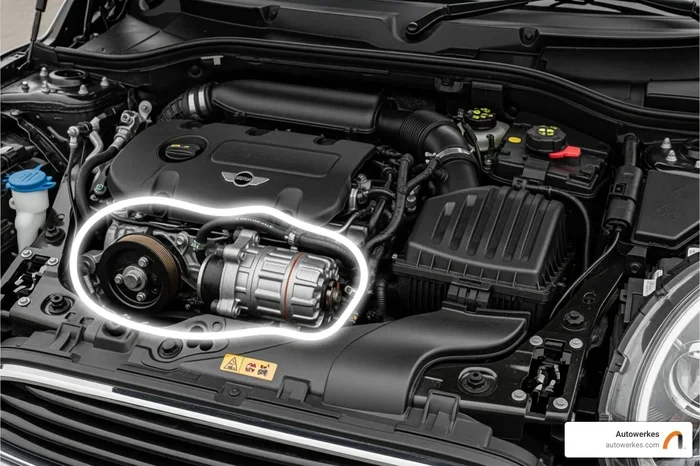
The air conditioning compressor is often called the heart of your HVAC system. Just like your heart pumps blood through your body, the compressor pumps refrigerant through the cooling cycle. It is the component that makes the entire heat exchange process possible.
Here is a simple way to think about it. Your AC system has two main sides: the indoor side and the outdoor side. The indoor unit, called the evaporator coil, absorbs heat from your home. The outdoor unit, called the condenser coil, releases that heat outside. The compressor is what moves refrigerant between these two coils. It creates the pressure difference that allows the refrigerant to change from a gas to a liquid and back again.
Without the compressor doing its job, the refrigerant would just sit still. No heat would move. No cool air would blow into your rooms. That is why compressor problems are among the most serious issues an HVAC system can face.
Most compressors run on electricity. They need a steady power supply to operate. If you are considering a backup generator for your home, it helps to know what kind of electrical load your compressor draws. For example, if you already have a Generac generator, you will want to make sure it can handle the compressor’s startup surge, which is much higher than its running wattage.
How the HVAC Compressor Works
Now let us look under the hood. Understanding the cooling cycle helps you appreciate what the compressor actually does. The process has four main stages, and the compressor plays a role in at least two of them.
Step 1: Refrigerant Absorbs Heat Indoors
Warm air from your home blows over the evaporator coil inside. The refrigerant inside that coil is cold and low-pressure. It absorbs heat from the air, which cools the air down. The refrigerant then turns from a cool liquid into a warm gas.
Step 2: The Compressor Pressurizes the Gas
This is where the magic happens. The warm, low-pressure gas flows to the outdoor unit and enters the compressor. The compressor squeezes this gas, raising both its pressure and temperature. The gas now becomes a hot, high-pressure substance ready to release its heat.
Step 3: Heat Releases Through the Condenser Coil
The hot gas flows through the condenser coil outside. A fan blows outdoor air across the coil, and the heat escapes into the atmosphere. As the gas cools, it turns back into a high-pressure liquid.
Step 4: The Refrigerant Expands and Cools
The high-pressure liquid passes through an expansion valve, which drops its pressure. This causes the refrigerant to cool down significantly. It is now ready to flow back inside to the evaporator coil and absorb more heat. The cycle starts all over again.
The compressor is the driving force behind steps 2 and 3. It is what keeps the refrigerant moving and the cycle going. If the compressor fails, the entire cooling process stops dead in its tracks.
Types of HVAC Compressors
Not all compressors are the same. Different systems use different compressor designs, and each has its own strengths. Here are the most common types you will encounter.
Reciprocating Compressors
This is the most traditional type. It uses a piston inside a cylinder to compress the refrigerant. Think of it like a car engine. Reciprocating compressors are reliable and work well for smaller residential systems. They are also relatively affordable to replace.
Rotary Compressors
Rotary compressors use a rotating blade or roller to compress the refrigerant. They are quieter and smoother than reciprocating models. You will often find them in smaller window units or mini-split systems. Their energy efficiency is one of their biggest selling points.
Scroll Compressors
Scroll compressors use two spiral-shaped pieces that orbit each other to compress refrigerant. They are very popular in modern central AC systems. They run smoothly, have fewer moving parts, and tend to last longer. Many HVAC professionals consider scroll compressors the gold standard for residential use.
Screw Compressors
Screw compressors are bigger and more powerful. They are typically found in large commercial buildings rather than homes. They use two rotating screws to compress refrigerant and can handle very high cooling loads.
Each type has its own advantages. When you are shopping for a new system, the compressor type is one of the first things to consider. It affects noise level, efficiency, and long-term maintenance needs.
Why the Compressor Is the Heart of Your HVAC System
The compressor does not just cool your home. It plays a bigger role in your overall comfort and energy use than most people realize. Here is why it matters so much.
It Controls Cooling Capacity
The compressor determines how much cool air your system can produce. A bigger compressor can move more refrigerant, which means more cooling power. But an oversized compressor is not always better. It can short-cycle, which wastes energy and wears out parts faster. The right cooling capacity depends on your home size, insulation, and climate.
It Affects Energy Bills
A compressor that runs efficiently keeps your energy bills low. An old or failing compressor has to work harder to produce the same amount of cool air. This means higher electricity consumption and higher monthly costs. If you notice your energy bills climbing, the compressor might be the culprit.
It Impacts Indoor Air Quality
The compressor helps control humidity too. As the refrigerant absorbs heat, it also pulls moisture from the air. This dehumidification process keeps your indoor air comfortable and helps prevent mold growth. A weak compressor may not remove enough moisture, leaving your home feeling damp and sticky.
It Determines System Lifespan
Most HVAC systems last 15 to 20 years. But the compressor is often the first major component to fail. If your compressor dies, you may need a full system replacement. That is why protecting your compressor through proper maintenance is so important.
If you are planning to install a new system or replace an old one, you may want to check whether your electrical setup can support the new compressor. In some cases, homeowners need to upgrade their electrical panel or consider a whole house generator to ensure the compressor starts properly during power fluctuations.
Common HVAC Compressor Problems
Compressors are built to last, but they are not indestructible. Over time, wear and tear can cause problems. Here are the most common issues homeowners face.
Refrigerant Leaks
Refrigerant is the lifeblood of your compressor. If there is a leak in the refrigerant lines, the compressor has to work harder with less fluid. This can cause overheating and eventual failure. Signs of a refrigerant leak include warm air blowing from vents, ice on the outdoor unit, and a hissing sound near the compressor.
Electrical Failures
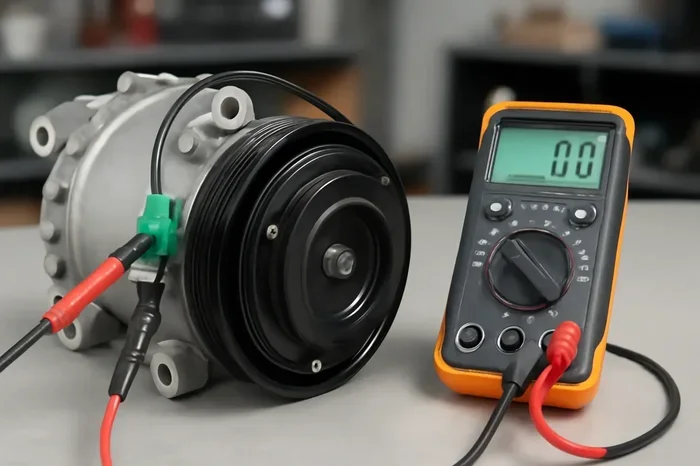
Compressors rely on electrical components like contactors, relays, and capacitors to start and run. Over time, these parts can wear out. A failed capacitor is one of the most common reasons a compressor will not start. Electrical issues can also be caused by power surges or aging wiring in your home.
Overheating
Compressors generate a lot of heat during operation. If the outdoor unit does not have enough airflow, the compressor can overheat. Dirty condenser coils, clogged debris around the unit, or a failing fan motor can all cause overheating. Regular cleaning goes a long way toward preventing this problem.
Short Cycling
Short cycling means the compressor turns on and off too frequently. This puts extra stress on the motor and reduces the system’s lifespan. Short cycling can be caused by a clogged air filter, an oversized system, or a thermostat that is placed in a bad location.
Compressor Lockup
In severe cases, the compressor motor can seize up completely. This is called compressor lockup, and it usually means the compressor needs to be replaced. Lockup often happens when the system goes without maintenance for a long time or when refrigerant levels drop too low.
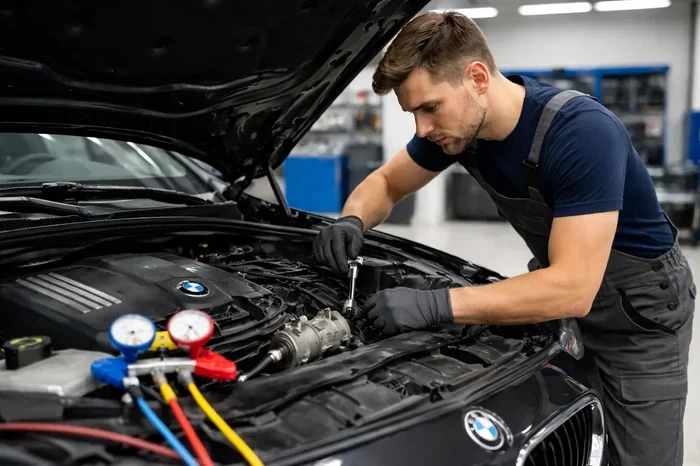
If you suspect any of these problems, it is best to call a licensed HVAC technician. Trying to fix compressor issues yourself can be dangerous, especially when dealing with refrigerant and electrical components.
How to Keep Your HVAC Compressor Running Strong
The good news is that you can take simple steps to protect your compressor and extend its life. Most of these tasks are easy and affordable.
Change Your Air Filter Regularly
A dirty air filter restricts airflow, which makes the compressor work harder. Check your filter every month during heavy use seasons and replace it when it looks dirty. A clean filter helps the system breathe and keeps the compressor cool.
Keep the Outdoor Unit Clean
The outdoor unit needs plenty of airflow to release heat. Remove leaves, dirt, and debris from around the unit at least twice a year. Trim any bushes or plants that are growing too close. A clear space of at least two feet around the unit is ideal.
Schedule Professional Maintenance
A trained technician can inspect your compressor, check refrigerant levels, clean the coils, and spot small problems before they become big ones. Most experts recommend a professional tune-up at least once a year, ideally before the cooling season starts.
Listen for Warning Signs
Pay attention to unusual sounds. Grinding, squealing, or clicking noises from the outdoor unit can signal compressor trouble. Also watch for warm air coming from your vents, even when the system is running. Catching problems early can save you from a full compressor replacement.
Consider a Surge Protector
Power surges can damage the compressor’s electrical components. A whole-home surge protector or a dedicated compressor surge protector can add an extra layer of defense. This is especially helpful if you live in an area with frequent thunderstorms or electrical grid issues.
Taking care of your compressor is one of the best investments you can make for your home. A well-maintained compressor can run efficiently for 15 years or more, saving you money on repairs and energy bills.
Expert Insights
HVAC professionals agree that the compressor is the single most important component in any air conditioning system. Here is what the experts want you to know.
Do not ignore small problems. A slight drop in cooling performance or a faint clicking sound might seem minor. But these early warning signs often point to compressor issues that get worse over time. The sooner you address them, the better your chances of avoiding a costly replacement.
Match your compressor to your system. When replacing a compressor, it is essential to match it with the correct refrigerant type and system capacity. Mixing incompatible components can lead to poor performance and even damage to other parts of the system.
Consider efficiency ratings. When buying a new compressor or a new system, look for the SEER rating (Seasonal Energy Efficiency Ratio). Higher SEER ratings mean better energy efficiency and lower operating costs over time.
Key Takeaways
- The HVAC compressor pressurizes and circulates refrigerant through the system to enable the cooling cycle.
- It converts low-pressure gas into high-pressure gas, which allows heat to be released outside.
- Scroll and rotary compressors are the most common types in modern residential systems.
- Refrigerant leaks, electrical failures, and overheating are the top three compressor problems.
- Regular filter changes and professional maintenance can significantly extend compressor lifespan.
- The compressor runs on electricity, so your home’s electrical setup matters for performance and reliability.
- A failing compressor often requires full system replacement, making prevention far better than repair.
Conclusion
The HVAC compressor is the unsung hero of your air conditioning system. It works quietly in the background, pressurizing refrigerant and keeping your home cool and comfortable through the hottest months of the year. Understanding what it does and how to care for it puts you in a much better position as a homeowner.
Regular maintenance, prompt attention to warning signs, and a basic understanding of how the system works can save you thousands of dollars in repair costs. Your compressor is a long-term investment in your home’s comfort, and treating it well pays off for years to come.
If you ever notice something feels off with your cooling system, do not wait. Call a professional, get it checked out, and keep your compressor running at its best. A little attention today can prevent a big headache tomorrow.
Frequently Asked Questions
What happens when an HVAC compressor fails?
When the compressor fails, your AC system cannot cool your home at all. The outdoor unit may stop running, or it may run but blow warm air. In most cases, a failed compressor requires professional repair or full system replacement, especially if the unit is older than 10 years.
How long does an HVAC compressor typically last?
Most HVAC compressors last between 15 and 20 years with proper maintenance. However, factors like refrigerant leaks, electrical issues, and lack of regular upkeep can shorten that lifespan significantly. Keeping up with annual professional tune-ups is the best way to maximize compressor longevity.
Can I run my HVAC system with a bad compressor?
No, a bad compressor will not cool your home effectively. In some cases, the system may blow warm air or trip the circuit breaker. Running a system with a damaged compressor can cause further damage to other components, so it is best to address the problem right away.
How much does it cost to replace an HVAC compressor?
Compressor replacement typically costs between $1,000 and $2,500 for parts and labor, depending on the type and size of your system. However, if your system is older or uses a discontinued refrigerant type, a full system replacement might be more cost-effective than a compressor-only repair.
What causes an HVAC compressor to overheat?
Common causes include dirty condenser coils, blocked airflow around the outdoor unit, low refrigerant levels, and electrical issues. Overheating puts extra stress on the compressor motor and can lead to premature failure if the underlying cause is not addressed promptly.
Is HVAC compressor maintenance worth the cost?
Absolutely. A professional maintenance visit typically costs $100 to $200, which is a small price compared to the cost of compressor replacement. Regular maintenance catches small issues early, improves energy efficiency, and can extend the life of your compressor by several years.