Ingersoll Rand T30 Air Compressor Parts and Accessories
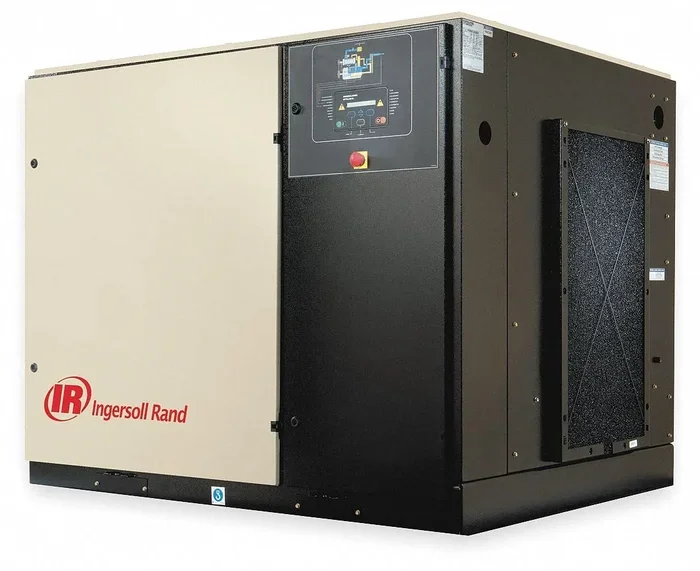
The Ingersoll Rand T30 air compressor is a reliable workhorse, but keeping it in top shape requires the right parts and accessories. This guide covers everything you need to know about Ingersoll Rand T30 air compressor parts, from replacement filters and belts to pressure regulators and tank fittings. Whether you are troubleshooting a problem or planning preventive maintenance, you will find clear, practical advice to help you choose the correct components and extend the life of your machine.
The Ingersoll Rand T30 air compressor has earned a solid reputation among professionals and hobbyists alike. It is built tough, designed for continuous use, and capable of delivering consistent air pressure for a wide range of pneumatic tools. But like any machine, it needs the right air compressor parts and compressor accessories to stay in peak condition.
If you have been searching for Ingersoll Rand T30 air compressor parts, you are in the right place. This guide walks you through everything from the most common replacement components to smart upgrades that can make your compressor last longer and perform better. We will keep things simple and practical, so you can get back to work without guesswork.
Whether you are a seasoned technician or a first-time owner, understanding your compressor parts saves time, money, and frustration. Let us dive in.
Key Takeaways
- Knowing your T30 model: Understanding the specific T30 series helps you identify the correct parts every time.
- Essential replacement parts: Filters, belts, valves, and seals are the most commonly needed components for daily upkeep.
- OEM vs aftermarket: Original parts offer reliability, but quality aftermarket options can save money without sacrificing performance.
- Regular maintenance prevents costly repairs: A simple routine keeps your compressor running efficiently for years.
- Common problems have simple fixes: Most T30 issues like pressure drops or unusual noises trace back to a few replaceable parts.
- Accessories boost performance: Upgrading hoses, regulators, and fittings can improve air flow and tool compatibility.
📑 Table of Contents
- Understanding Your Ingersoll Rand T30 Air Compressor
- Essential Ingersoll Rand T30 Air Compressor Parts
- Choosing the Right Replacement Parts
- Maintenance Tips to Extend Part Life
- Common Problems and How to Fix Them
- Upgrading Your T30 with Accessories
- Where to Buy Genuine Ingersoll Rand T30 Parts
- Expert Insights on Compressor Part Selection
- Conclusion
Understanding Your Ingersoll Rand T30 Air Compressor
The T30 series is a single-stage, belt-driven compressor pump that comes in several configurations. Before you order any replacement parts, it helps to know exactly what you are working with. Different models may have slight variations in motor size, tank capacity, and fitting types.
Start by locating the model number on the data plate, usually found near the motor housing. This number tells you the exact specifications, including air pressure ratings, horsepower, and voltage requirements. Having this information handy makes shopping for parts much faster and eliminates costly mistakes.
Key Specifications to Know
- Motor horsepower: Determines the compressor’s overall power and recovery time.
- Tank size: Measured in gallons, this affects how long you can run tools before the motor kicks back on.
- Maximum PSI: The highest air pressure the machine can produce safely.
- Fitting type: Standard quick-connect or NPT threads, which affects hose and accessory compatibility.
- Belt size: The correct belt length and width ensure smooth power transfer from the motor to the pump.
When you know these details, finding the right Ingersoll Rand T30 air compressor parts becomes straightforward. You will not end up with the wrong filter or an incompatible regulator gathering dust in your garage.
Essential Ingersoll Rand T30 Air Compressor Parts
Every air compressor has a core set of components that wear out over time. Understanding these parts helps you troubleshoot problems early and plan for replacements before a breakdown stops your work.
Air Filters and Intake Filters
The compressor filter keeps dust, debris, and moisture from entering the pump and motor. A clogged filter restricts airflow, which forces the motor to work harder and wear out faster. For the T30, check your intake filter regularly, especially if you work in a dusty environment.
Replacement filters are inexpensive and easy to swap out. Most owners can do this in under five minutes. Look for filters that match your specific T30 model number to ensure a proper fit and efficient filtration.
Drive Belts and Pulleys
The drive belt connects the motor to the compressor pump. Over time, belts stretch, crack, or fray. A worn belt slips, causing the compressor to lose power and take longer to build air pressure. You may also hear a squealing noise that signals the belt needs replacing.
Always replace belts with the exact size recommended for your T30 model. Using the wrong belt can damage the motor or cause the pump to underperform. Keep a spare belt on hand so you are never sidelined by a broken one.
Pressure Regulator and Gauge
The pressure regulator controls the air pressure delivered to your tools. The pressure gauge lets you monitor the output in real time. Together, these components ensure your pneumatic tools receive the correct amount of force.
If your tools are running weak or inconsistent, a faulty regulator or gauge is often the culprit. Replacing these parts on the T30 is a simple job that requires basic hand tools and a few minutes of your time.
Tank Fittings and Drain Valves
Tank fittings connect the compressor to hoses and tools, while the drain valve lets you release moisture that collects inside the tank. Rust and moisture buildup can damage the tank from the inside out, so draining it after every use is a smart habit.
Over time, fittings can corrode or loosen, leading to air leaks. Check all connections regularly and replace any worn gaskets or valves to maintain a tight seal and efficient operation.
Unloader Valve and Safety Valve
The unloader valve releases trapped pressure when the compressor shuts off, making it easier for the motor to restart. The safety valve acts as a backup, preventing the tank from over-pressurizing. Both valves are critical for safe, reliable operation.
If your compressor hums but will not start, a stuck unloader valve is a common cause. Cleaning or replacing this small part often solves the problem without a service call.
Choosing the Right Replacement Parts
When your Ingersoll Rand T30 air compressor parts need replacing, you have two main options: OEM (original equipment manufacturer) parts and aftermarket alternatives. Both have pros and worth considering.
OEM Parts: What You Get
OEM parts are made by Ingersoll Rand or authorized suppliers to exact factory specifications. They guarantee compatibility and often come with a warranty. If you use your compressor professionally or in demanding conditions, OEM parts offer peace of mind.
The downside is cost. OEM components tend to run higher in price compared to aftermarket options. However, they typically last longer and maintain the compressor’s original performance ratings.
Aftermarket Parts: A Cost-Effective Alternative
Quality aftermarket air compressor parts can match or closely approach OEM performance at a fraction of the price. Many aftermarket manufacturers use similar materials and manufacturing processes. The key is to buy from reputable suppliers who specify compatibility with the T30 series.
Look for parts that include clear installation instructions and customer reviews. A well-made aftermarket filter or belt can perform just as well as the original, especially for routine maintenance tasks.
Quick Tips for Buying the Right Parts
- Always verify the part number against your T30 model and serial number.
- Buy from authorized dealers or trusted online suppliers to avoid counterfeits.
- Keep a small inventory of common consumables like filters and belts.
- Compare OEM and aftermarket options side by side before deciding.
- Check return policies in case a part does not fit correctly.
Maintenance Tips to Extend Part Life
Prevention is always cheaper than repair. A consistent air compressor maintenance routine keeps your T30 running smoothly and reduces the need for frequent compressor repair. Here is what every owner should do.
Daily and Weekly Checks
- Drain the tank moisture after every use to prevent internal rust.
- Check for air leaks around fittings, hoses, and connections.
- Listen for unusual sounds like grinding, squealing, or knocking.
- Inspect the intake filter for dust buildup and clean or replace as needed.
Monthly and Seasonal Maintenance
- Check belt tension and look for cracks or wear.
- Test the pressure regulator and gauge for accuracy.
- Inspect the unloader valve for proper operation.
- Lubricate moving parts according to the owner’s manual.
- Clean the motor cooling fins to prevent overheating.
Following these simple steps can double or even triple the lifespan of your Ingersoll Rand T30 air compressor parts. A few minutes of care each week saves hours of downtime and costly repairs down the road.
Proper maintenance also ensures your compressor operates at peak air pressure efficiency, which means your pneumatic tools perform at their best. If you want to learn more about keeping your compressor powered and running efficiently, check out this guide on what size generator you need for a 30 amp RV air conditioner, which covers power requirements and electrical considerations that apply to compressor setups as well.
Common Problems and How to Fix Them
Even with regular care, things go wrong. The good news is that most T30 compressor issues trace back to a small number of replaceable components. Here are the most common problems and their solutions.
Compressor Won’t Start
If the motor hums but the pump does not engage, the unloader valve may be stuck. Clean the valve or replace it. Also check the compressor motor capacitor, which helps start the motor. A failed capacitor will prevent startup entirely.
Low Air Pressure
Weak air pressure usually points to a leak or a worn component. Check all fittings and hoses for cracks or loose connections. A damaged compressor valve inside the pump can also cause pressure loss, though this requires more advanced repair.
Excessive Noise or Vibration
Loose belt pulleys, worn bearings, or a damaged pump can create excessive noise. Inspect the belt and pulley first, as these are the easiest and cheapest parts to replace. If the noise persists, the pump internals may need professional attention.
Motor Overheating
A compressor that shuts off frequently may be overheating. Common causes include a clogged intake filter, low air pressure demand relative to motor capacity, or a failing motor winding. Cleaning the filter and ensuring proper ventilation around the motor often solves the problem.
Upgrading Your T30 with Accessories
Beyond replacement parts, there is a world of compressor accessories that can improve your T30’s performance and convenience. Upgrades are not just for pros, they make any user’s experience better.
Better Air Hoses and Fittings
Upgrading to a high-quality braided hose reduces air loss and kinking. Look for hoses rated for your compressor’s maximum air pressure and fitted with quick-connect couplings that match your T30’s output.
Moisture Traps and Aftercoolers
Moisture in the air line can damage pneumatic tools and affect work quality. A moisture trap or aftercooler removes condensation before it reaches your tools. These accessories are especially valuable if you work in humid environments or with painting and finishing equipment.
Pressure Boosters and Regulators
If you need higher air pressure than the T30 normally provides, a pressure booster can help. However, always stay within the safe operating limits of your compressor and tools. A good pressure regulator gives you precise control over output, which is essential for delicate tasks like sanding or spraying.
Storage and Mobility Options
Wheel kits, carrying handles, and compact storage carts make moving your T30 easier, especially on job sites. These simple compressor accessories add convenience and protect the unit from damage during transport.
Where to Buy Genuine Ingersoll Rand T30 Parts
Finding the right source for Ingersoll Rand T30 air compressor parts matters. Counterfeit or incorrectly sized parts can cause damage and void warranties. Here are the best places to look.
- Ingersoll Rand authorized dealers: They carry genuine OEM parts with full warranty coverage.
- Official Ingersoll Rand website: Offers a parts lookup tool where you can enter your model number.
- Specialized compressor parts retailers: Many online stores specialize in compressor components and offer competitive pricing.
- Local industrial supply stores: Some carry popular T30 parts and can order specialty items quickly.
Before purchasing, always confirm the part number matches your specific T30 model. Taking a photo of the old part or noting its dimensions makes the ordering process smoother and helps you avoid returns.
Expert Insights on Compressor Part Selection
Experienced technicians often emphasize one rule above all others when selecting air compressor parts: match the part to the machine, not the other way around. A filter or belt that is close but not exact can cause performance issues or premature wear.
Another expert tip is to keep a maintenance log. Every time you replace a part, note the date, part number, and any observations. Over time, this log becomes an invaluable resource that helps you predict when parts will need replacing again and keeps your Ingersoll Rand T30 air compressor parts inventory organized.
Finally, do not overlook the importance of proper installation. Even the best replacement parts will underperform if installed incorrectly. Follow the manufacturer’s instructions carefully, use the right tools, and never overtighten fittings. If you are unsure about a repair, consult a qualified technician rather than risking further damage.
Conclusion
Keeping your Ingersoll Rand T30 air compressor in top shape comes down to knowing which parts you need, where to find them, and how to maintain them properly. From filters and belts to regulators and valves, each air compressor part plays a vital role in delivering consistent, reliable performance.
Regular maintenance, smart part selection, and timely replacements will save you money and keep your compressor running for years. Whether you choose OEM or quality aftermarket components, the key is to match every part to your specific T30 model and follow proper installation procedures.
Take the time to understand your machine, stock essential consumables, and address small issues before they become big problems. Your Ingersoll Rand T30 air compressor parts are the foundation of a tool that works hard for you, and with the right care, it will keep delivering strong air pressure for every job.
Frequently Asked Questions
What are the most common Ingersoll Rand T30 air compressor parts that need replacing?
The most frequently replaced parts include intake filters, drive belts, unloader valves, and tank drain valves. These components experience the most wear and tear during regular use and should be checked as part of routine air compressor maintenance.
How do I know if a part is OEM or aftermarket?
OEM parts carry the Ingersoll Rand brand name and come with official documentation and warranty. Aftermarket parts are made by third-party manufacturers but should clearly state compatibility with the T30 model. Always check the part number against your compressor’s specifications.
Can I use a different belt size on my T30 compressor?
No, using the wrong belt size can cause slippage, reduced air pressure, and premature motor wear. Always refer to your owner’s manual for the exact belt dimensions and order a replacement that matches those specifications precisely.
How often should I replace the air filter on my T30?
In normal conditions, replace the intake filter every three to six months. If you work in a dusty or high-particulate environment, check it monthly and replace more frequently. A clean filter ensures proper airflow and protects the compressor pump from contamination.
Are aftermarket parts as reliable as OEM parts for the T30?
Many quality aftermarket parts perform just as well as OEM components, especially for routine replacements like filters and belts. The key is to purchase from reputable suppliers who guarantee compatibility with your specific T30 model and serial number.
What should I do if my T30 compressor keeps losing air pressure?
Start by checking for leaks at fittings and hoses, then inspect the unloader valve and tank drain for proper sealing. If those check out, the compressor valve inside the pump may be worn and need replacement. Regularly checking these components prevents small issues from becoming major repairs.