HVAC Compressor Replacement Cost Explained for Homeowners
The HVAC compressor replacement cost typically ranges from $1,300 to $2,800 for most homeowners. The final price depends on your unit type, compressor model, labor rates, and whether you choose a single-stage or two-stage compressor. This guide covers everything you need to know about pricing, warning signs, and how to save money.
Key Takeaways
- Average Cost: Most homeowners pay between $1,300 and $2,800 for a full compressor replacement.
- Compressor Type Matters: Scroll compressors cost more than reciprocating models, but last longer.
- Labor Drives the Price: Installation labor can add $500 to $1,500 to your total bill.
- Warranty Helps: Many new compressors come with 5 to 10-year warranties that protect your investment.
- Timing Is Key: Replacing your compressor during off-peak seasons can save you hundreds of dollars.
- Know the Warning Signs: Strange noises, warm air, and frequent cycling all point to compressor trouble.
- Get Multiple Quotes: Always get at least three estimates from licensed HVAC contractors.
📑 Table of Contents
- HVAC Compressor Replacement Cost Explained for Homeowners
- What Does an HVAC Compressor Do?
- Signs Your Compressor Needs Replacement
- HVAC Compressor Replacement Cost Breakdown
- Factors That Affect the HVAC Compressor Replacement Cost
- DIY vs Professional Replacement
- How to Save Money on Compressor Replacement
- How Long Does a Compressor Last?
- When Should You Replace the Entire Unit Instead?
- Conclusion
HVAC Compressor Replacement Cost Explained for Homeowners
Your HVAC compressor is the heart of your cooling system. When it breaks down, your home gets hot fast. And the repair bill? It can sting. HVAC compressor replacement cost is something every homeowner should understand before the next heat wave hits.
In this guide, we will walk you through everything you need to know. We will cover what the compressor does, how much it costs to replace, what drives the price up or down, and how to avoid common money mistakes. By the end, you will feel confident making the right call for your home and your budget.
Let us be real for a second. Nobody wants to think about their AC compressor failing. But here is the truth: compressors do wear out. They work hard every summer, pushing refrigerant through your system to keep your home cool. After 10 to 15 years of service, parts start to wear. Understanding the air conditioning compressor replacement cost ahead of time puts you in a much better position.
If you already have a backup power system like a home generator, you know how important it is to keep all your home systems running smoothly. Your HVAC system is no different. Regular maintenance and timely repairs go a long way in extending the life of your compressor and avoiding sudden breakdowns.
What Does an HVAC Compressor Do?
The compressor is often called the “engine” of your air conditioning system. It pressurizes refrigerant gas and pushes it through the coils. This process is what makes your home cool. Without a working compressor, your AC unit simply blows warm air.
Here is a simple way to think about it. Your compressor works like a pump. It takes low-pressure gas from inside your home and turns it into high-pressure gas. That gas then releases heat outside. Then it cools down and cycles back in to absorb more heat. This loop runs continuously while your system is on.
There are two main types of compressors you will encounter:
- Reciprocating compressors: These use pistons to compress refrigerant. They are common in smaller home units and tend to be more affordable.
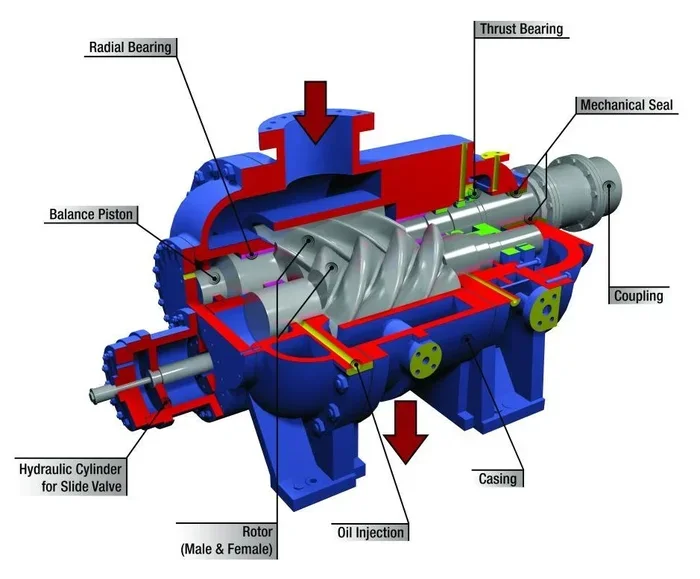
- Scroll compressors: These use a spinning scroll mechanism. They are quieter, more efficient, and often found in higher-end systems.
Both types can fail over time. The good news is that knowing what each one costs to replace helps you plan better. Understanding your central air compressor setup also makes it easier to talk to your HVAC contractor about the right solution.
Signs Your Compressor Needs Replacement
Catching compressor problems early can save you thousands of dollars. Many homeowners ignore warning signs until the system completely shuts down. Do not let that be you. Here are the most common signs that your compressor is failing.
1. Warm Air Coming From Vents
If your AC is running but blowing warm air, the compressor may not be pumping refrigerant properly. This is one of the first and most obvious signs of a cooling system compressor problem.
2. Strange Noises From the Outdoor Unit
Grinding, squealing, or clanking sounds coming from your outside unit are never a good sign. These noises often mean internal parts are wearing out or have already broken.
3. Frequent On-and-Off Cycling
If your system turns on and off more often than usual, it might be short-cycling. A failing compressor often causes this. Short cycling puts extra stress on the entire HVAC system compressor and reduces its lifespan.
4. High Energy Bills
A struggling compressor uses more electricity. If you notice a sudden spike in your energy bills without changing your usage habits, your compressor might be working overtime.
5. Ice Buildup on the Unit
Ice forming on your outdoor unit or refrigerant lines can signal low refrigerant levels caused by a compressor leak. This is a serious issue that needs immediate attention.
HVAC Compressor Replacement Cost Breakdown
Now let us get to the numbers you came here for. The AC compressor replacement cost varies widely depending on several factors. But here is a general breakdown to give you a clear picture.
| Component | Average Cost Range |
|---|---|
| Compressor Unit (Part Only) | $400 – $1,200 |
| Labor for Installation | $500 – $1,500 |
| Refrigerant Recharge | $100 – $400 |
| Additional Parts (Valves, Coils) | $100 – $300 |
| Total Average Replacement Cost | $1,300 – $2,800 |
As you can see, the compressor installation cost is not just about the part itself. Labor makes up a big chunk of the bill. Replacing a compressor requires specialized skills, proper refrigerant handling certification, and the right tools. That is why most homeowners should not attempt a DIY compressor replacement.
Here is a closer look at what drives these numbers. The compressor unit itself can range from about $400 for a basic reciprocating model to over $1,200 for a high-efficiency scroll compressor. AC compressor price also depends on the brand and tonnage of your unit.
Labor costs vary by region and contractor. In some areas, you might pay $100 per hour. In others, rates can climb to $200 per hour. A typical compressor replacement takes 4 to 8 hours, which explains the wide labor cost range.
If your system uses a specific type of refrigerant, you may also need a recharge. Older systems using R-22 refrigerant are more expensive to service since this type has been phased out. Newer systems using R-410A are more affordable to maintain. Keep all of this in mind when budgeting for your air conditioner compressor replacement.
Some homeowners pair their HVAC upgrades with a whole house generator to ensure their home stays comfortable during power outages. If you are planning a larger home improvement project, this can be a smart move to consider alongside your compressor work.
Factors That Affect the HVAC Compressor Replacement Cost
Why does one homeowner pay $1,500 while another pays $2,800 for the same type of replacement? Several factors come into play. Let us break them down.
1. Type of Compressor
As mentioned earlier, scroll compressors generally cost more than reciprocating ones. But they also tend to be more energy-efficient and longer-lasting. If you are replacing an older unit, you might want to consider upgrading to a scroll compressor for better long-term value.
2. Size of Your HVAC Unit
Larger homes need bigger compressors. A two-ton unit costs less to replace than a five-ton unit. The size of your system directly impacts both the part cost and the labor time required.
3. Age of Your System
Older systems often require extra work. Corroded connections, outdated refrigerant lines, and worn-out mounting brackets all add to the HVAC compressor replacement cost. If your system is over 15 years old, your contractor may recommend replacing the entire unit instead of just the compressor.
4. Your Location
Where you live matters. Contractors in urban areas typically charge more than those in rural areas. Labor rates, permit fees, and local building codes all influence the final price.
5. Time of Year
AC compressor replacements are most in demand during spring and early summer. If you can schedule the work in the fall or winter, you may find lower labor rates and faster availability. Timing your replacement strategically can save you real money.
6. Warranty Coverage
If your compressor is still under warranty, your out-of-pocket cost drops significantly. Many compressors come with a 5 to 10-year parts warranty. Check your warranty documents before you commit to a replacement. You might be surprised at how much of the cost is already covered.
DIY vs Professional Replacement
Some homeowners wonder if they can save money by replacing the compressor themselves. We strongly advise against this. Here is why.
Compressor replacement involves handling refrigerants, which are regulated by federal law. Only certified technicians can legally purchase and handle most refrigerants. Attempting a DIY replacement can result in fines, improper installation, and voided warranties.
Beyond the legal issues, compressor installation requires specialized tools and knowledge. A improper installation can lead to refrigerant leaks, system damage, and even safety hazards. A licensed HVAC contractor has the training and experience to do the job right the first time.
That said, you can still save money on professional replacement. Get multiple quotes, ask about seasonal discounts, and check for rebates or manufacturer promotions. These small steps add up and can significantly reduce your compressor replacement cost.
How to Save Money on Compressor Replacement
Dealing with a compressor replacement is expensive enough. You do not want to overpay. Here are practical tips to help you save money without cutting corners on quality.
- Get at least three quotes. Pricing varies widely between contractors. Comparing estimates helps you find a fair price.
- Ask about refurbished or remanufactured compressors. These can cost 30 to 50 percent less than brand-new units and often come with warranties.
- Check for local and federal rebates. Energy-efficient compressors may qualify for rebates through utility companies or government programs.
- Consider replacing the entire unit. If your system is over 15 years old, a full replacement might be more cost-effective than a compressor-only swap.
- Schedule during off-peak seasons. Fall and winter are slower months for HVAC work. Contractors often offer lower rates during this time.
- Maintain your system regularly. Annual tune-ups and filter changes prevent many problems that lead to compressor failure.
Following these tips can help you manage the HVAC compressor replacement cost and get the best value for your investment. Think of regular maintenance as insurance for your compressor. A little prevention now saves a lot of money later.
If you are also thinking about home energy solutions, understanding what a home generator costs can help you plan for all your essential home systems. A reliable backup power source keeps your HVAC running during outages and protects your investment in new equipment.
How Long Does a Compressor Last?
On average, an HVAC compressor lasts between 12 and 20 years. However, this depends heavily on how well you maintain your system. Units that receive regular maintenance often last closer to the 20-year mark. Neglected systems may fail after just 8 to 10 years.
Factors that shorten compressor lifespan include:
- Dirty air filters and coils
- Low refrigerant levels from leaks
- Electrical problems in the system
- Improper sizing during original installation
- Lack of annual professional tune-ups
Keeping up with HVAC maintenance cost is one of the smartest investments you can make. A yearly inspection typically costs $100 to $200, which is a fraction of what you would pay for a compressor replacement. Stay on top of maintenance, and your compressor will reward you with years of reliable service.
When Should You Replace the Entire Unit Instead?
Sometimes replacing just the compressor is not the best option. If your system is over 15 years old, the compressor failure might be a sign that the entire unit is wearing out. Putting a new compressor into an old unit often leads to another failure within a few years.
Here are some signs that a full replacement makes more sense than a compressor-only repair:
- Your system uses R-22 refrigerant (no longer manufactured)
- You have needed multiple major repairs in the past two years
- Your energy bills have been rising steadily
- Your system struggles to cool your home even when running constantly
- The unit is over 15 years old
A full system replacement costs more upfront, but it also means better energy efficiency, lower monthly bills, and fewer repair headaches. If you are considering this route, some homeowners choose to install a whole house generator at the same time to keep their home fully powered and comfortable during outages.
Conclusion
The HVAC compressor replacement cost is a significant expense, but understanding what drives the price helps you make confident decisions. Most homeowners can expect to pay between $1,300 and $2,800 for a full replacement. The final number depends on your compressor type, system size, location, and whether any extra repairs are needed.
Remember to watch for warning signs like warm air, strange noises, and high energy bills. Catching problems early keeps repair costs lower. And staying on top of regular maintenance extends the life of your compressor and your entire system.
Do not let a broken compressor leave you sweating through the summer. Use the tips in this guide to plan your budget, find a reliable contractor, and get the best deal on your replacement. Your home comfort is worth the investment.
Frequently Asked Questions
How much does it cost to replace an HVAC compressor?
The average HVAC compressor replacement cost ranges from $1,300 to $2,800, including parts and labor. The exact price depends on your system size, compressor type, and local labor rates.
Can I replace my AC compressor myself?
No. Compressor replacement requires EPA certification to handle refrigerants legally. It also demands specialized tools and technical knowledge. Always hire a licensed HVAC contractor for this job.
How long does a compressor replacement take?
Most replacements take between 4 and 8 hours. The exact time depends on the complexity of the job, your system type, and whether any additional parts need to be replaced.
Is it better to replace the compressor or the whole unit?
If your system is under 10 years old and in good condition, replacing just the compressor makes sense. If your unit is over 15 years old, a full replacement is usually more cost-effective in the long run.
Does homeowners insurance cover compressor replacement?
It depends on your policy. Most insurance covers compressor damage caused by covered events like storms or electrical surges. Normal wear and tear is typically not covered. Check with your provider for specifics.
How can I lower my HVAC compressor replacement cost?
You can save money by getting multiple quotes, scheduling work during off-peak seasons, asking about refurbished compressors, and checking for available rebates. Regular maintenance also prevents costly failures.