Everything About Bendix Air Compressor Parts Explained
Bendix air compressor parts are essential components that keep your compressor running smoothly and efficiently. Whether you need a replacement valve, motor component, or full rebuild kit, understanding these parts helps you make smarter repair decisions. This guide covers everything from identifying the right Bendix air compressor parts to troubleshooting common issues and finding authentic replacements.
Bendix has been a trusted name in air compressor manufacturing for decades. From small garage units to heavy-duty industrial systems, Bendix compressors power countless pneumatic tools and operations. But like any machine, these compressors need regular care and occasional part replacements to keep running at their best. Understanding your Bendix air compressor parts is the first step toward smarter maintenance and faster repairs.
Whether you are a weekend DIYer or a professional mechanic, knowing which Bendix air compressor parts you need can save you hours of frustration and hundreds of dollars. This guide breaks down everything you need to know. We will cover the main components, how to find the right parts, common problems, and where to buy authentic replacements. Let us get started.
Key Takeaways
- Bendix air compressor parts cover a wide range of components including valves, pistons, belts, and motors.
- Using genuine Bendix replacement parts extends the life of your compressor and improves performance.
- Regular maintenance of Bendix air compressor parts prevents costly breakdowns and downtime.
- Knowing how to identify the correct part number saves time and money during repairs.
- Common problems with Bendix compressors often trace back to a few key components that are easy to replace.
- Always buy from authorized dealers to avoid counterfeit or low-quality Bendix air compressor parts.
- Proper installation of Bendix air compressor parts requires basic tools and a little mechanical know-how.
📑 Table of Contents
- What Are Bendix Air Compressor Parts?
- Common Bendix Air Compressor Parts and Their Functions
- How to Find the Right Bendix Air Compressor Parts
- Tips for Maintaining Your Bendix Air Compressor Parts
- Common Problems with Bendix Air Compressor Parts
- Where to Buy Authentic Bendix Air Compressor Parts
- Expert Tips for Extending the Life of Bendix Air Compressor Parts
- Conclusion
What Are Bendix Air Compressor Parts?
Bendix air compressor parts refer to every individual component that makes up a Bendix air compressor system. These parts work together to compress air, store it in a tank, and deliver it through hoses to power pneumatic tools. Each part plays a specific role in the overall function of the compressor.
The Bendix air compressor parts lineup includes everything from large structural components like the pump housing to small but critical pieces like O-rings and seals. Over time, wear and tear affect different parts at different rates. Some components need regular replacement, while others can last for years with proper care.
Why Knowing Your Parts Matters
Understanding the individual components of your Bendix compressor helps you in several ways. First, it allows you to diagnose problems faster. Instead of calling a repair technician for every issue, you can identify the faulty part yourself. Second, it helps you order the correct replacement. Using the wrong part can cause further damage or even void your warranty. Third, knowing your parts helps you plan preventive maintenance schedules that keep your compressor in top shape.
Common Bendix Air Compressor Parts and Their Functions
Every Bendix air compressor contains a set of core components. Let us walk through the most important Bendix air compressor parts and what each one does.
Compressor Pump
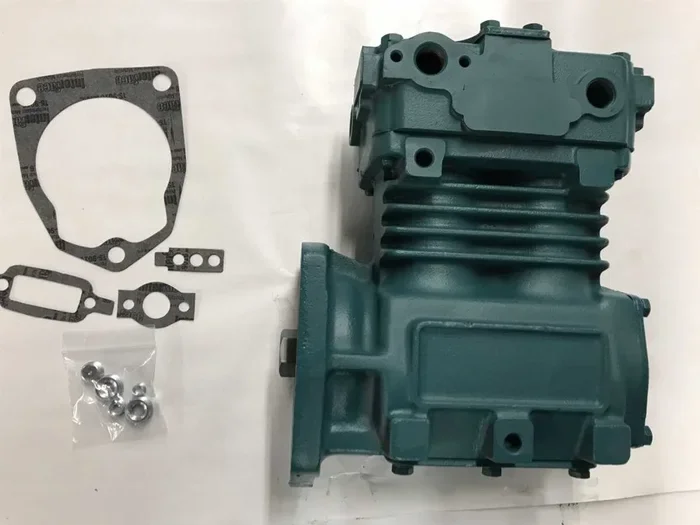
The pump is the heart of any air compressor. It draws in ambient air and compresses it before sending it into the storage tank. Bendix compressors use different pump designs depending on the model, but most rely on a piston-and-cylinder mechanism. The pump contains several internal Bendix air compressor parts including piston rings, cylinder walls, and valve plates. Regular inspection of the pump can prevent major failures down the road.
Pressure Switch
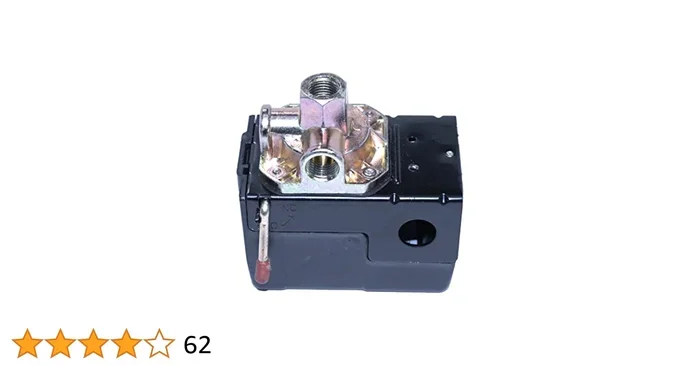
The pressure switch controls when the compressor turns on and off. It monitors the air pressure inside the tank and activates the motor when the pressure drops below a set level. When the pressure reaches the maximum limit, the switch shuts the compressor off. A faulty pressure switch is one of the most common issues with Bendix compressors, and replacing it is usually straightforward.
Motor and Starter
The motor provides the power needed to drive the pump. Bendix compressors typically use electric motors rated for continuous or intermittent duty. The starter motor helps kick the compressor into action when you press the start button. Motor-related Bendix air compressor parts include capacitors, windings, and starter relay components. If your compressor fails to start, the motor or starter is often the culprit.
Air Tank and Fittings
The air tank stores compressed air until you need it. Tank-related Bendix air compressor parts include the tank itself, drain valves, safety relief valves, and connection fittings. The safety relief valve is especially important because it releases excess pressure to prevent tank explosions. Always check this valve during routine maintenance.
Belts and Couplings
Belts transfer power from the motor to the pump. Over time, belts wear out, stretch, or crack. Replacing a worn belt is one of the simplest and most affordable maintenance tasks. Couplings connect the motor shaft to the pump shaft and can also degrade with use. Keeping belts and couplings in good condition ensures smooth, efficient compressor operation.
Valve Kits and Seals
Valve kits contain intake and exhaust valves that control the flow of air into and out of the pump cylinder. Seals and O-rings prevent air leaks at various connection points. These small but vital Bendix air compressor parts are often the source of pressure loss and reduced performance. Replacing valve kits and seals regularly keeps your compressor running efficiently.
How to Find the Right Bendix Air Compressor Parts
Finding the correct replacement parts for your Bendix compressor can feel overwhelming at first. But with a few simple steps, the process becomes much easier.
Step 1: Identify Your Compressor Model
Every Bendix compressor has a model number printed on a label, usually located on the tank or the motor housing. Write this number down and keep it handy. The model number tells you exactly which Bendix air compressor parts are compatible with your unit.
Step 2: Check the Part Number
Most replacement parts have their own part numbers printed on them or listed in the owner manual. When ordering a replacement, always use the exact part number. Using a similar but incorrect part can lead to poor performance or damage.
Step 3: Consult the Parts Diagram
Bendix provides exploded-view parts diagrams for most of their compressor models. These diagrams show every component and its location. They are incredibly helpful when you need to identify a specific part or understand how everything fits together.
Step 4: Buy from Authorized Dealers
Always purchase Bendix air compressor parts from authorized dealers or directly from Bendix. Aftermarket parts may be cheaper, but they often lack the quality and precision of genuine components. Genuine parts come with warranties and are designed to meet Bendix specifications.
Quick Tip: Keep a Parts Inventory
Smart compressor owners keep a small inventory of common replacement parts on hand. Items like O-rings, valve gaskets, belts, and filters are inexpensive and wear out regularly. Having these parts ready means you can fix problems immediately instead of waiting for shipping.
Tips for Maintaining Your Bendix Air Compressor Parts
Regular maintenance is the best way to extend the life of your Bendix air compressor parts and avoid expensive repairs. Here are some practical tips that make a big difference.
Check Oil Levels Regularly
Most Bendix compressors use oil lubrication to keep the pump running smoothly. Check the oil level before each use and change the oil according to the manufacturer’s schedule. Low or dirty oil causes increased friction, overheating, and premature wear on pump components.
Drain the Tank After Every Use
Moisture from compressed air collects in the tank over time. This moisture can cause rust and corrosion inside the tank and on internal Bendix air compressor parts. Make it a habit to open the drain valve after every use to release accumulated water.
Inspect Hoses and Fittings
Check all hoses and fittings for cracks, leaks, or loose connections. A small air leak not only wastes energy but also forces the compressor to work harder, which wears out the motor and pump faster. Replace damaged hoses immediately.
Replace Filters on Schedule
Air intake filters and oil filters should be replaced at regular intervals. Clogged filters restrict airflow and reduce compressor efficiency. Clean or replace filters based on your usage frequency and the conditions in your work environment.
Lubricate Moving Parts
Components like couplings, bearings, and piston rods benefit from periodic lubrication. Use only the lubricant recommended by Bendix for your specific model. Proper lubrication reduces friction and prevents premature wear on critical Bendix air compressor parts.
Run the Compressor Periodically
If you do not use your compressor every day, run it for a few minutes at least once a week. This keeps seals from drying out and prevents moisture buildup. It also keeps the motor and electrical components in good working condition.
Common Problems with Bendix Air Compressor Parts
Even well-maintained compressors develop issues over time. Here are the most common problems and what Bendix air compressor parts are typically responsible.
Compressor Won’t Start
If your compressor fails to start, the problem is usually in the motor or pressure switch. Check the power supply first, then inspect the pressure switch for continuity. A failed start capacitor or worn motor windings can also prevent the compressor from turning on.
Low Pressure or Air Leaks
Low pressure often points to worn valve plates, damaged piston rings, or leaking seals. Inspect the pump head for air leaks and listen for hissing sounds. Replacing the valve kit and piston rings usually resolves this issue.
Excessive Noise or Vibration
Unusual noise or vibration can indicate a damaged pump, loose belt, or worn bearings. Check the belt tension first, as a loose belt often causes squealing or rattling sounds. If the noise comes from the pump, internal Bendix air compressor parts like bearings or piston rods may need replacement.
Compressor Runs But Does Not Build Pressure
This problem typically results from a failed check valve, worn cylinder, or damaged piston seal. The check valve prevents compressed air from flowing back into the pump. When it fails, the compressor runs but cannot build adequate pressure in the tank.
Overheating
An overheating compressor usually means insufficient oil, blocked ventilation, or a failing motor. Check the oil level, clean any debris from the motor vents, and inspect the motor windings for signs of damage. Running the compressor beyond its duty cycle can also cause overheating.
Where to Buy Authentic Bendix Air Compressor Parts
Finding the right source for Bendix air compressor parts is just as important as knowing which parts you need. Here are some reliable options.
Official Bendix Dealers
The safest way to purchase genuine Bendix air compressor parts is through authorized Bendix dealers. These dealers have access to the full catalog and can help you find the exact part for your model. They also honor manufacturer warranties on genuine parts.
Online Equipment Retailers
Reputable online retailers like Equipment Max Tools carry a wide selection of Bendix compressor components. Shopping online gives you access to detailed product descriptions, compatibility charts, and customer reviews. Always verify that the retailer is an authorized Bendix seller before placing an order.
Local Industrial Supply Stores
Your local industrial supply store may carry common Bendix replacement parts in stock. Visiting a physical store allows you to inspect parts in person and get expert advice from knowledgeable staff. This is especially helpful when you need a part quickly.
What to Avoid
Steer clear of unknown sellers offering deep discounts on Bendix air compressor parts. Counterfeit parts may look similar but are often made from inferior materials. Using fake parts can lead to compressor failure, safety hazards, and voided warranties. Stick with trusted sources to protect your investment.
When you are replacing parts, it helps to understand how your compressor fits into your larger setup. For example, if you are running a Bendix compressor to power a 30 amp RV air conditioner, you need to ensure your generator or power source can handle the electrical load. Check out our guide on what size generator for 30 amp RV air conditioner to make sure your entire setup works together seamlessly.
Another important consideration is matching your compressor’s output to the tools you plan to use. Different pneumatic tools have different CFM and PSI requirements, and your compressor needs to meet those demands consistently. Understanding your Bendix air compressor parts helps you make informed decisions about upgrades or replacements that better suit your workflow.
Expert Tips for Extending the Life of Bendix Air Compressor Parts
Beyond regular maintenance, a few expert practices can significantly extend the lifespan of your Bendix air compressor parts.
Keep a Repair Log
Record every repair, part replacement, and maintenance task in a logbook. This history helps you track patterns, predict future issues, and remember which parts have been replaced and when. A repair log is invaluable when troubleshooting recurring problems.
Use Quality Replacement Parts
Never cut corners on replacement parts. Cheap, low-quality components may save a few dollars upfront but often fail quickly and cause secondary damage. Investing in genuine Bendix air compressor parts pays off through longer service life and better performance.
Follow the Manufacturer’s Schedule
Bendix provides detailed maintenance schedules for each compressor model. Follow these recommendations closely. They specify exactly when to replace oil, filters, belts, and other consumable parts. Sticking to the schedule prevents unexpected breakdowns.
Train Your Team
If multiple people operate the compressor, make sure everyone understands basic maintenance procedures. Simple tasks like draining the tank, checking oil levels, and inspecting hoses should be part of every operator’s routine. Well-trained users cause fewer problems and spot issues earlier.
Conclusion
Understanding your Bendix air compressor parts empowers you to take control of your compressor’s maintenance and repair needs. From the pump and motor to small seals and valve kits, each component plays a vital role in delivering reliable compressed air. Regular maintenance, proper part selection, and buying from trusted sources keep your Bendix compressor running efficiently for years to come.
Whether you are troubleshooting a problem, planning a rebuild, or simply staying ahead of wear and tear, this guide gives you the knowledge you need. Take the time to learn your compressor, stock common replacement parts, and follow a consistent maintenance routine. Your Bendix compressor will reward you with dependable performance every time you flip the switch.
Frequently Asked Questions
What are the most common Bendix air compressor parts that need replacement?
The most commonly replaced Bendix air compressor parts include valve kits, piston rings, O-rings, belts, pressure switches, and air filters. These parts experience the most wear due to continuous use and exposure to moisture and heat. Keeping spares on hand helps you address issues quickly.
How do I know if I need genuine Bendix parts or aftermarket alternatives?
Genuine Bendix parts are designed and tested to meet the manufacturer’s exact specifications. They come with warranties and ensure optimal performance. Aftermarket parts vary widely in quality and may not fit or function correctly. For critical components like pumps and motors, always choose genuine Bendix air compressor parts.
Can I rebuild my Bendix compressor myself?
Yes, many compressor owners successfully rebuild their units with basic mechanical skills and the right tools. You will need a set of wrenches, screwdrivers, and the appropriate Bendix air compressor parts for your model. Always refer to the owner manual and follow safety precautions before starting any rebuild project.
How often should I replace the oil in my Bendix compressor?
Most Bendix compressors require oil changes every 500 to 1,000 operating hours, or at least once a year for occasional users. Check your specific model’s manual for the exact recommendation. Using the correct oil grade and changing it on schedule protects internal Bendix air compressor parts from premature wear.
Where can I find a parts diagram for my Bendix compressor model?
Bendix provides exploded-view parts diagrams in the owner manual and on their official website. You can also contact authorized dealers who can email or print the diagram for your specific model. Having the diagram makes identifying and ordering the correct Bendix air compressor parts much easier.
What should I do if my Bendix compressor keeps tripping the pressure switch?
A pressure switch that trips frequently usually indicates an air leak, a faulty switch, or a problem with the pump seals. Start by checking all fittings and hoses for leaks. If the system holds pressure, inspect the pressure switch itself. Replacing worn seals and gaskets often resolves this issue with Bendix air compressor parts.