How Much Is a Gas Generator Prices And Buying Guide
The cost of a gas generator ranges from about $500 for small portable units to over $5,000 for large standby models. Your gas generator cost depends on wattage, brand, fuel efficiency, and features. This guide breaks down all the prices and helps you find the right gas powered generator for your home or job site.
If you have ever searched for a gas generator, you know the prices vary a lot. One unit might cost five hundred dollars while another costs five thousand. So how much is a gas generator really? The answer depends on the type, size, and brand you choose.
This guide walks you through every price tier. You will learn about portable models, standby units, and inverter generators. We also break down what drives the cost and how to pick the best one for your needs. By the end, you will feel confident making a smart buy.
Key Takeaways
- Portable gas generators cost between $500 and $2,000 and are great for camping and small jobs.
- Standby gas generators range from $2,000 to $5,000+ and power your whole home during outages.
- Inverter gas generators are quieter and more fuel-efficient, priced from $800 to $3,000.
- Wattage, brand, runtime, and extra features all affect the final generator price.
- Installation and fuel costs add to the total, so budget for those too.
- Top brands like Honda, Generac, and Yamaha offer reliable options at different price points.
- Buying off-season and comparing models can help you save real money.
📑 Table of Contents
- Gas Generator Price Ranges by Type
- What Affects the Price of a Gas Generator
- How to Choose the Right Gas Generator for Your Needs
- Top Gas Generator Brands Compared
- Installation and Running Costs You Should Know
- Tips for Saving Money on a Gas Generator
- Gas Generator vs Other Fuel Types
- How to Maintain Your Gas Generator for Long Life
- Final Thoughts: How Much Should You Spend?
Gas Generator Price Ranges by Type
The first thing to know is that not all generators are the same. Different types serve different purposes, and each comes with its own price tag. Here is a look at the main categories and what you can expect to pay.
Portable Gas Generators
A portable gas generator is the most common type. These units are easy to move around. You can wheel them to a campsite, a job site, or use them during a power outage at home.
Most portable gas generators cost between $500 and $2,000. Smaller units under 3,000 watts start around $500. Mid-size models between 3,000 and 7,000 watts run from $800 to $1,500. Larger portables above 7,000 watts can reach $2,000 or more.
These units run on regular gasoline. They are simple to start and maintain. Many people buy them as an affordable generator option for basic needs.
Standby Gas Generators
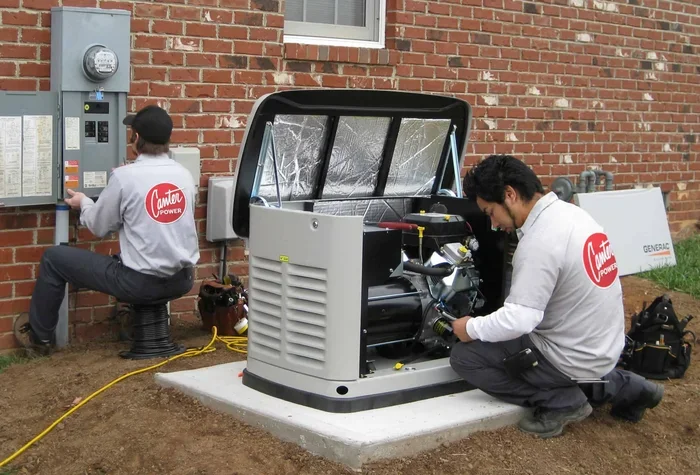
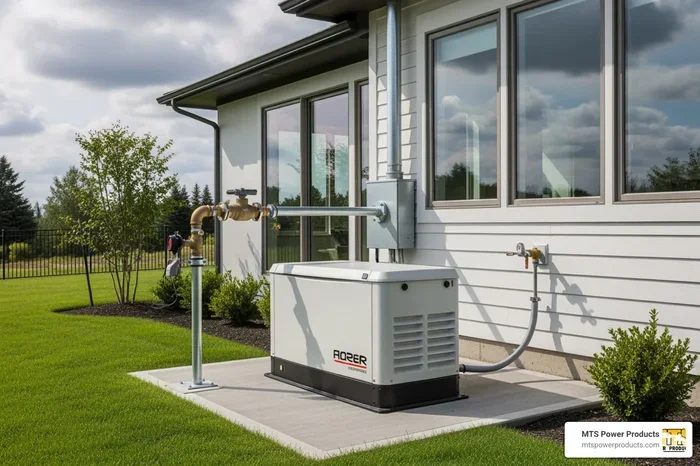
A standby gas generator is a permanent unit installed outside your home. It kicks on automatically when the power goes out. These are also called whole house generators because they can run your entire home.
Standby gas generator prices start around $2,000 and go up to $5,000 or more. The cost depends on the wattage. A 7,000-watt unit might cost $2,000. A 20,000-watt unit can run $4,500 to $5,500.
Keep in mind that standby units need professional installation. That adds $500 to $2,000 to the total. You will also need a propane or natural gas line connected.
Inverter Gas Generators
An inverter gas generator is a newer type of unit. It produces clean, stable power. This makes it safe for sensitive electronics like laptops and phones.
Inverter generator price ranges from $800 to $3,000. They tend to cost more than traditional portable units. But they are also quieter and more fuel-efficient.
Inverter generators are popular with campers and RV owners. They are also great for people who need reliable power for work tools or medical devices.
Here is a quick comparison of the three main types:
| Type | Price Range | Wattage | Best For |
|---|---|---|---|
| Portable Gas Generator | $500 – $2,000 | 1,000 – 10,000W | Camping, job sites, small homes |
| Standby Gas Generator | $2,000 – $5,500+ | 7,000 – 20,000W+ | Whole-home backup |
| Inverter Gas Generator | $800 – $3,000 | 1,000 – 7,000W | Electronics, camping, RVs |
What Affects the Price of a Gas Generator
Not all generators with the same wattage cost the same. Several factors push the price up or down. Understanding these helps you make a smarter choice.
Wattage and Power Output
The most obvious factor is generator wattage. More watts means a higher price. A small 2,000-watt unit costs much less than a 10,000-watt model. Think about what you need to power before you buy.
Make a list of the appliances or tools you want to run. Add up their starting and running watts. This tells you the minimum size you need. Buying more than you need wastes money.
Brand and Build Quality
Brand name matters a lot. Honda, Yamaha, and Generac are top-tier brands. Their units cost more but last longer and run more reliably. Cheaper brands from unknown makers may save money upfront but can break down faster.
When it comes to gas generator brands, you generally get what you pay for. A well-built unit from a trusted brand often pays for itself through fewer repairs and better fuel economy.
Fuel Efficiency and Runtime
Generator fuel efficiency is a big deal. Some units sip gas while others burn through it fast. A more fuel-efficient gas powered generator saves you money over time.
Look at the generator runtime listed by the manufacturer. This tells you how long the unit runs on a single tank. Longer runtime at a given load means better efficiency.
Extra Features
Features like electric start, multiple outlets, and fuel gauges add to the cost. Some units come with USB ports or parallel capability. These extras are nice but not always necessary.
Ask yourself which features you will actually use. Paying extra for things you do not need only raises the gas generator cost without adding real value.
How to Choose the Right Gas Generator for Your Needs
Picking the right gas generator can feel overwhelming. There are so many options out there. But if you follow a few simple steps, the decision becomes much easier.
Step 1: Determine Your Power Needs
Start by listing everything you want to power. For home backup, think about your fridge, lights, furnace fan, and a few outlets. For camping, you might just need to charge phones and run a small fan.
Write down the wattage of each item. Add them up. Then add a 20 percent buffer for safety. This gives you your target wattage.
Step 2: Set a Budget
Know how much you can spend before you shop. Portable generator price ranges are wide, so having a budget keeps you focused. Remember to include the cost of fuel and any installation fees.
A good rule of thumb is to spend a bit more on quality. A slightly pricier unit from a trusted brand often saves money in the long run through fewer breakdowns and better fuel economy.
Step 3: Consider Where You Will Use It
Will you use the unit at home, on the road, or at a job site? Portability matters a lot. If you need to move it often, look for lightweight models with wheels and handles.
For home backup, a heavier unit is fine since it stays in one place. But if you camp or tailgate, weight and size become important factors.
Step 4: Check Local Regulations
Some areas have noise rules for generators. Others have rules about where you can place them. Check your local codes before you buy. This can affect your choice of size and type.
Top Gas Generator Brands Compared
The brand you choose affects reliability, price, and support. Here is a look at some of the top names in the gas generator market.
Honda
Honda is known for making some of the quietest and most reliable generators. Their units are pricier, but they last a long time. Honda inverter models are especially popular for camping and outdoor use.
Expect to pay $1,000 to $3,000 for most Honda gas generators. The higher cost is justified by build quality and fuel efficiency.
Generac
Generac is a leader in standby generators. They offer a wide range of sizes for home backup. Generac also makes affordable portable units.
Portable Generac models start around $700. Standby units start around $2,000. Generac is a solid choice for homeowners who want value and reliability.
Yamaha
Yamaha makes high-quality portable and inverter generators. Their units are known for being quiet and fuel-efficient. Yamaha is a great choice for people who want premium quality without going all the way to Honda pricing.
Yamaha generator price typically ranges from $800 to $2,500 for portable models.
Westinghouse
Westinghouse offers some of the most budget-friendly options. Their portable units are popular for first-time buyers. While they may not match Honda or Yamaha in longevity, they get the job done at a lower price.
Westinghouse gas generators can be found for as low as $400 to $1,500 depending on the model.
Installation and Running Costs You Should Know
The purchase price is not the only cost. There are ongoing expenses to consider too. Knowing these helps you budget properly.
Installation Costs
Portable gas generators need no installation. You just set them up and plug things in. But standby units require professional setup.
Standby generator installation cost typically runs $500 to $2,000. This includes the transfer switch, gas line connection, and mounting pad. Some installers charge more depending on your location.
Fuel Costs
Gas generators burn regular gasoline. A typical portable unit uses about 0.5 to 1 gallon per hour at half load. At current gas prices, that works out to about $1 to $3 per hour of operation.
A standby unit uses more fuel since it can power an entire home. Expect to use 2 to 3 gallons per hour during heavy use. Fuel costs add up during long outages.
Maintenance Costs
All generators need regular maintenance. Oil changes are the most common task. You should change the oil every 100 hours of use or at least once a season.
Other maintenance includes replacing air filters and spark plugs. These parts are inexpensive, usually under $30 each. Overall, annual generator maintenance cost runs about $50 to $150 for most units.
Tips for Saving Money on a Gas Generator
Buying a gas generator does not have to break the bank. Here are some smart ways to save money without sacrificing quality.
- Buy during the off-season. Prices drop in spring and summer when demand is lower. Avoid buying during storm season when everyone is shopping.
- Compare models online. Check multiple retailers before you buy. Prices can vary by hundreds of dollars for the same model.
- Consider a used unit. A lightly used generator can save you 30 to 50 percent. Just make sure to inspect it or have a mechanic check it over.
- Focus on runtime and efficiency. A slightly more expensive unit that uses less fuel can save you money over time.
- Look for warranty coverage. A good warranty protects your investment. Brands like Honda and Generac offer strong warranty programs.
- Buy only what you need. Do not oversize your unit. A correctly sized gas powered generator costs less to buy and less to run.
Gas Generator vs Other Fuel Types
Gas generators are not the only option. Propane and diesel generators also exist. Each has pros and cons.
Propane generators burn cleaner than gasoline. They also have a longer shelf life for fuel storage. However, propane units often cost more upfront. Propane vs gas generator debates are common among buyers who want long-term storage options.
Diesel generators are more fuel-efficient but louder and pricier. They are mostly used for commercial or industrial purposes. For most homeowners, a gas generator strikes the best balance of cost, convenience, and performance.
Natural gas standby units are another option. They connect directly to your home gas line. This means no refueling is needed. But the natural gas generator cost is higher than a standard gas standby unit.
How to Maintain Your Gas Generator for Long Life
Proper maintenance keeps your gas generator running smoothly for years. Here are the basics every owner should follow.
- Change the oil every 100 hours or once per season.
- Replace the air filter when it looks dirty or every 6 months.
- Check the spark plug annually and replace if worn.
- Drain old fuel if the unit will sit unused for more than 30 days.
- Run the generator under load for 15 minutes monthly to keep the engine in good shape.
- Store the unit in a dry, covered area away from direct weather.
Following these simple steps can extend the life of your unit by several years. It also reduces the chance of expensive repairs down the road.
Final Thoughts: How Much Should You Spend?
So how much is a gas generator really? For most people, the answer falls between $500 and $2,000. A portable unit in this range handles camping, job sites, and home backup with ease.
If you need whole-home backup, a standby unit costing $2,000 to $5,000 is the way to go. Add installation costs and you are looking at $3,000 to $7,000 total. It is a big investment, but one that pays off during long power outages.
The key is to match the unit to your actual needs. Do not overbuy, and do not cheap out on quality. A well-chosen gas generator gives you reliable power when you need it most.
Take your time, compare models, and read reviews. The right gas generator price is one that fits your budget and does the job without surprises.
Frequently Asked Questions
What is the average cost of a gas generator?
The average gas generator cost ranges from $500 for small portable units to $2,000 for larger portables. Standby models can cost $2,000 to $5,500 or more depending on size and features. Your specific needs and wattage requirements will determine the final price.
Is it cheaper to run a gas generator or a propane generator?
Gasoline is generally cheaper to buy than propane, and gas engines tend to be less expensive upfront. However, propane burns cleaner and has a longer shelf life. For most users, a gas powered generator offers the best balance of upfront cost and running expense.
How much does it cost to install a standby gas generator?
Professional generator installation cost typically runs between $500 and $2,000. This includes the transfer switch, gas line connection, and proper mounting. Some installers may charge more depending on the complexity of the setup and local labor rates.
What size gas generator do I need for my home?
For essential home backup, a 5,000 to 7,000-watt unit usually covers the basics like a fridge, lights, and furnace. For a full house, you need a 10,000 to 20,000-watt standby generator. Make a list of what you want to power and add up the watts before buying.
How often do I need to maintain a gas generator?
You should change the oil every 100 hours of use or at least once per season. Replace the air filter every 6 months and check the spark plug annually. Running the unit for 15 minutes monthly also keeps it in good working condition.
Can I save money by buying a used gas generator?
Yes, buying a lightly used gas generator can save you 30 to 50 percent off the retail price. Just make sure to inspect it carefully or have a professional check it. Look for units with low hours and a clean maintenance history for the best value.