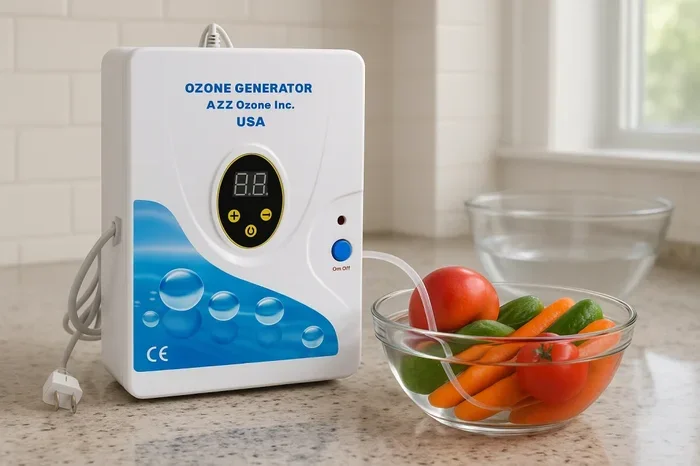
What Is an Ozone Generator Everything You Need to Know
An ozone generator is a device that produces ozone molecules to clean and purify the air and water. It works by breaking down pollutants, odors, and microorganisms at a molecular level. Many people use it for smoke odor removal, mold treatment, and overall indoor air quality improvement. However, ozone safety is critical because high concentrations can harm your lungs. This guide covers everything you need to know about how these machines work, their benefits, risks, and best uses.
Key Takeaways
- Ozone generators clean air and water by producing ozone, a powerful oxidizing agent that destroys pollutants and odors.
- They use two main technologies: corona discharge and UV light to create ozone molecules from oxygen.
- Popular uses include smoke odor removal, mold remediation, water purification, and commercial cleaning.
- Ozone safety is essential. Never use an ozone generator in occupied spaces, as it can irritate lungs and airways.
- Choosing the right ozone output and room size match is key to effective and safe operation.
- Regular maintenance, proper storage, and following manufacturer guidelines extend the life of your unit.
- While helpful, ozone generators are not a replacement for standard air purifiers in everyday use.
📑 Table of Contents
- What Is an Ozone Generator and Why Does It Matter?
- How Does an Ozone Generator Work?
- Common Uses for Ozone Generators
- Benefits of Using an Ozone Generator
- Ozone Safety: What You Need to Know
- How to Choose the Right Ozone Generator
- Common Mistakes People Make With Ozone Generators
- Expert Tips for Getting the Best Results
- Final Thoughts on Ozone Generators
- Frequently Asked Questions
What Is an Ozone Generator and Why Does It Matter?
Have you ever walked into a room that smelled like old smoke or musty mold? It is not just unpleasant. Lingering odors can affect your mood, your sleep, and even your health. This is where an ozone generator comes in.
An ozone generator is a machine that creates ozone, a gas made of three oxygen atoms. You might know ozone as the layer in the sky that protects us from the sun. But at ground level, ozone is a powerful cleaning agent. It breaks down odors, kills bacteria, and removes pollutants from the air and water.
People use these machines for many reasons. Some want to remove cigarette smoke from a room. Others need to tackle mold after a flood. Hotels use them between guests. Water treatment plants rely on ozone to keep drinking water clean. The ozone generator has become a go-to tool for anyone serious about indoor air quality.
But here is the catch. Ozone is powerful, and it can also be dangerous. That is why understanding how these devices work, when to use them, and how to stay safe is so important. This guide will walk you through everything you need to know.
Whether you are a homeowner dealing with a stubborn smell or a business owner looking for commercial ozone generator solutions, you are in the right place. Let us dive in.
How Does an Ozone Generator Work?
Understanding how an ozone generator works helps you use it better. The science is simpler than it sounds. The machine takes in regular oxygen from the air and converts some of it into ozone. Then it releases that ozone into the room or water.
There are two main ways ozone generators create ozone. Let us look at each one.
Corona Discharge Technology
This is the most common method. Inside the machine, there is a special component called a corona discharge cell. It uses an electrical charge to split oxygen molecules apart. When those single oxygen atoms recombine with other oxygen molecules, they form ozone. Think of it like a tiny lightning bolt inside the machine.
Corona discharge units are popular for home and commercial use. They tend to be durable and produce a steady ozone output. Many residential ozone generator models use this technology because it works well in small to medium spaces.
UV Light Ozone Generation
The second method uses ultraviolet light. When UV light hits oxygen molecules, it breaks them apart the same way sunlight splits chemical bonds in nature. The freed atoms then bond with other oxygen molecules to form ozone.
UV ozone generators are often used in water purification systems. They are quieter and simpler than corona discharge models. However, they usually produce less ozone. This makes them better for smaller spaces or specific water treatment tasks.
What Happens When Ozone Meets Pollutants?
Once ozone is released, it starts working immediately. Ozone is an unstable molecule. It wants to react with other substances. When it encounters an odor molecule, a mold spore, or a bacteria cell, it attacks the outer shell. This process is called oxidation.
After oxidation, the pollutant is broken down into simpler, less harmful substances. The odor is gone. The mold is neutralized. The bacteria are destroyed. Then the leftover ozone converts back into oxygen. This is why ozone is such an effective cleaner. It works fast and leaves no chemical residue behind.
Common Uses for Ozone Generators
You might wonder where people actually use ozone generators. The answer is almost everywhere. These machines have a wide range of applications in homes, businesses, and even outdoors.
Removing Smoke and Fire Odors
Smoke odor is one of the toughest smells to get rid of. It seeps into walls, furniture, and fabrics. A standard air freshener just masks the smell. An ozone generator actually destroys the odor molecules. This is why firefighters, restoration companies, and homeowners turn to ozone after a fire or heavy smoking event.
Mold and Mildew Remediation
Mold spores float in the air and settle on damp surfaces. They cause health problems and musty smells. Ozone kills mold spores on contact. It is a popular tool in mold remediation projects, especially after water damage. However, it works best when combined with fixing the moisture problem that caused the mold in the first place.
Water Purification
Ozone has been used to clean water for over a century. Many cities add ozone to their water treatment process. At home, some people use small ozone generators to purify drinking water or clean fruits and vegetables. Ozone kills bacteria, viruses, and parasites without adding chemicals like chlorine.
Commercial and Industrial Cleaning
Hotels, offices, cars, and restaurants use commercial ozone generator units regularly. They help remove odors from rooms between guests. They freshen up restaurant kitchens. Auto detailers use them to eliminate smoke and pet smells from vehicles. In industrial settings, ozone helps clean air in factories and warehouses.
Indoor Air Quality Improvement
Even without a specific odor problem, some people use ozone generators to boost indoor air quality. Pollen, dust mites, and volatile organic compounds (VOCs) from paint and cleaning products can linger in the air. Ozone helps break these down. But remember, this should only be done in unoccupied spaces.
Benefits of Using an Ozone Generator
There are many reasons people choose to use an ozone generator. Let us look at the top benefits.
- Powerful Odor Elimination: Ozone does not cover up smells. It destroys them at the source. This makes it far more effective than sprays or candles.
- Chemical-Free Cleaning: Ozone leaves no chemical residue. After it does its job, it turns back into oxygen. This makes it a natural cleaning option.
- Kills Bacteria and Viruses: Ozone is a strong disinfectant. It can neutralize many types of pathogens, including those that cause colds and flu.
- Mold Prevention: By killing mold spores in the air, ozone helps prevent mold from spreading to new areas.
- Versatility: You can use ozone generators for air and water. They serve multiple purposes in one device.
- Fast Results: Ozone works quickly. A treatment cycle can take anywhere from 15 minutes to a few hours depending on the space size and problem.
- Cost Effective: Over time, an ozone generator can save money compared to hiring professional cleaning services for every odor or mold issue.
Ozone Safety: What You Need to Know
Here is the most important part of this guide. Ozone is a powerful tool, but it is not safe to breathe in. Understanding ozone safety is essential before you ever turn on a machine.
Why Is Inhaling Ozone Dangerous?
Ozone is a reactive gas. When you breathe it in, it attacks the lining of your lungs and respiratory system. Even low levels can cause throat irritation, coughing, and chest tightness. Higher levels can lead to more serious ozone exposure symptoms like shortness of breath and lung damage.
The respiratory health risks are real. People with asthma, allergies, or other lung conditions are especially vulnerable. Children and older adults are also at higher risk.
Safety Rules for Using an Ozone Generator
Follow these rules every time you use an ozone generator:
- Never occupy the space while the machine is running. This includes pets and plants.
- Seal the room. Close all windows and doors to keep ozone inside the treatment area.
- Run the machine for the recommended time. Do not exceed the manufacturer’s guidelines.
- Ventilate thoroughly after use. Open windows and doors before re-entering the space. Let fresh air circulate for at least 30 minutes.
- Check ozone levels if possible. Some advanced units come with built-in sensors. You can also use a separate ozone monitor to be safe.
- Read the manual carefully. Every model is different. Know your specific machine’s ozone output and recommended room size.
Understanding Ozone Concentration Levels
Government agencies set limits on safe ozone exposure. The Occupational Safety and Health Administration (OSHA) recommends a maximum of 0.1 parts per million (ppm) over an 8-hour workday. During treatment, ozone levels in an unoccupied room may be much higher. That is why ventilation after treatment is so important.
Always wait until the room smells completely fresh and clean before going back inside. If you feel any irritation when you re-enter, ventilate more.
How to Choose the Right Ozone Generator
Not all ozone generators are the same. Picking the right one depends on what you need it for. Here are the key factors to consider.
Room Size and Coverage
Check the manufacturer’s recommended room size. A small unit will not work well in a large warehouse. A big unit in a tiny apartment produces too much ozone, which wastes energy and creates unnecessary safety risks. Match the ozone output to the square footage of the space you are treating.
Portability and Design
Do you need a portable ozone generator you can move from room to room? Or a heavy-duty unit for a fixed location? Some models have wheels and handles for easy transport. Others are designed to stay in one place and connect to ductwork.
Timer and Control Features
A good unit should have a built-in timer. This lets you set the treatment duration and walk away safely. Look for models with adjustable ozone concentration settings so you can fine-tune the output.
Noise Level
Some ozone generators are loud. If you plan to use one in a living space or office during off-hours, check the noise rating. Quieter models are more comfortable to work around.
Build Quality and Durability
Look for units made from sturdy materials. The corona discharge cell is the heart of the machine. A quality cell lasts longer and produces more consistent ozone. Read reviews and check warranty terms before buying.
Price Range
Home models range from about $50 to $300. Commercial units can cost several hundred dollars or more. Set a budget based on how often you plan to use it and the size of the spaces you need to treat.
Common Mistakes People Make With Ozone Generators
Even well-meaning users can make mistakes. Here are the most common ones to avoid.
- Using the machine in an occupied room: This is the number one mistake. Ozone is harmful to breathe. Always leave the space during treatment.
- Skipping ventilation after treatment: Fresh air is essential. Do not re-enter a treated room without opening windows first.
- Underestimating treatment time: A quick 10-minute run is usually not enough for serious odors or mold. Follow the recommended cycle times.
- Ignoring the root cause: If you have a mold problem, ozone kills spores but does not fix the moisture issue. Address the source first.
- Buying the wrong size unit: A small unit in a large room will not deliver results. Match the machine to your space.
- Neglecting maintenance: Dirty filters and worn-out cells reduce performance. Clean and replace parts as recommended by the manufacturer.
Expert Tips for Getting the Best Results
Want to get the most out of your ozone generator? Here are some pro tips.
Pre-clean the space first. Remove visible dirt and clutter before running the machine. This lets the ozone reach more surfaces and work more effectively.
Place the unit at room level or slightly elevated. Ozone mixes with air naturally, but positioning matters. Do not place it on the floor in a corner where air cannot circulate.
Close interior doors. This helps concentrate ozone in the room you are treating. Open doors let ozone escape into other areas.
Run the machine in cycles for tough jobs. For heavy smoke or mold situations, multiple shorter cycles often work better than one long session.
Combine with other cleaning methods. Ozone works best as part of a broader cleaning strategy. Use it alongside vacuuming, washing surfaces, and fixing ventilation issues.
Keep a log of your treatments. Note the date, room size, treatment time, and results. This helps you refine your process over time.
Final Thoughts on Ozone Generators
An ozone generator is a powerful tool for cleaning air and water. It eliminates stubborn odors, kills harmful microorganisms, and improves indoor air quality in ways that regular cleaning cannot match. From smoke removal to mold treatment to water purification, the applications are wide and practical.
But with great power comes great responsibility. Always prioritize ozone safety. Never use a machine in an occupied space. Always ventilate thoroughly after treatment. Follow the manufacturer’s instructions to the letter.
When used correctly, an ozone generator can transform a stale, smelly space into a fresh, clean environment. It is a valuable addition to any home or business that takes air and water quality seriously.
Start with the basics. Understand how the machine works. Choose the right model for your needs. Follow the safety rules. And soon you will see the difference a properly used ozone generator can make. Your nose, your lungs, and your space will thank you.
Frequently Asked Questions
Can I stay in the room while the ozone generator is running?
No. You must never be in the room during ozone treatment. Ozone is harmful to breathe and can irritate your lungs, throat, and eyes. Leave the space entirely, including pets and plants, and wait until the room is fully ventilated before returning.
How long does an ozone treatment take to work?
Treatment time varies based on the room size, the strength of the ozone output, and the severity of the odor or mold problem. Most residential treatments take between 15 minutes and a few hours. Always follow the manufacturer’s recommended cycle for best results.
Is ozone safe for pets and plants?
No. Pets and plants are sensitive to ozone exposure just like humans. Remove all animals and plants from the room before running the generator. Keep them in a well-ventilated area away from the treatment space.
Can an ozone generator remove cigarette smoke smell completely?
Yes, it is one of the most effective tools for removing cigarette smoke odor. Ozone breaks down the smoke particles that cling to walls, furniture, and fabrics. However, heavily smoked-in rooms may require multiple treatment cycles for complete odor removal.
Do ozone generators kill viruses and bacteria in the air?
Yes. Ozone is a strong oxidizer that destroys bacteria, viruses, and mold spores on contact. This is why it is widely used in water purification and mold remediation. However, the process should only happen in unoccupied spaces due to health risks.
How often should I use my ozone generator?
It depends on your needs. For occasional odor removal, once or twice a month may be enough. For mold-prone areas or commercial spaces, more frequent use may be necessary. Always follow the manufacturer’s guidelines and do not exceed recommended usage times.
2 Comments