How Much Is a Generator for a 2 Bedroom House Setup
A generator for a 2 bedroom house typically costs between $500 and $5,000+ depending on the type, size, and fuel source. Portable generators offer budget-friendly options starting around $500, while standby units can run $2,000 to $5,000 or more with professional installation. This guide breaks down every cost factor so you can make a smart, informed decision for your home backup power needs.
Power outages happen more often than most people think. Storms, grid failures, and even planned shutdowns can leave your home in the dark for hours or days. If you live in a 2 bedroom house, having a reliable backup power source is not just a luxury. It is a practical necessity.
But here is the big question most homeowners ask first. How much is a generator for a 2 bedroom house? The answer depends on several factors, including the type of generator, the fuel source, the wattage you need, and whether you want portable or standby power. This guide walks you through every cost detail so you can choose the right unit without overspending.
We will cover everything from basic portable options to whole-home standby systems. You will learn about fuel costs, installation expenses, and which brands deliver the best value. By the end, you will have a clear picture of what to expect and how to budget accordingly.
Key Takeaways
- Portable generators: Affordable and easy to move, ideal for basic backup power in a 2 bedroom house.
- Standby generators: More expensive but offer automatic, whole-home backup during outages.
- Inverter generators: Quieter and fuel-efficient, great for sensitive electronics.
- Fuel type matters: Gasoline, propane, and natural gas each have different costs and benefits.
- Installation adds cost: Standby units may require professional setup, permits, and an automatic transfer switch.
- Running costs vary: Fuel consumption depends on load, generator size, and how long you run it.
- Right-sizing is key: Choosing the correct wattage prevents overspending and ensures reliable power.
📑 Table of Contents
- How Much Does a Generator for a 2 Bedroom House Cost?
- Types of Generators for a 2 Bedroom House
- What Size Generator Do You Need for a 2 Bedroom House?
- Installation and Running Costs
- Best Generators for a 2 Bedroom House
- Tips to Save Money on Your Generator Purchase
- Common Mistakes to Avoid When Buying a Generator
- How Long Does a Generator Last?
- Frequently Asked Questions
- Final Thoughts
How Much Does a Generator for a 2 Bedroom House Cost?
The price of a generator for a 2 bedroom house varies widely. A small portable unit might cost you around $500. A large standby system could push past $5,000 once you factor in installation. Understanding the price ranges helps you set a realistic budget before shopping.
Portable Generator Prices
Portable generators are the most affordable option. They range from about $400 to $1,500 for most 2 bedroom setups. These units run on gasoline and are easy to store. You can wheel them outside when needed and plug in essential appliances directly.
Budget models under $700 usually offer 3,000 to 5,000 watts. That is enough to run a refrigerator, a few lights, and a phone charger. Mid-range portable units between $700 and $1,200 provide 5,000 to 7,500 watts. These can handle additional loads like a window AC unit or a microwave.
Inverter Generator Prices
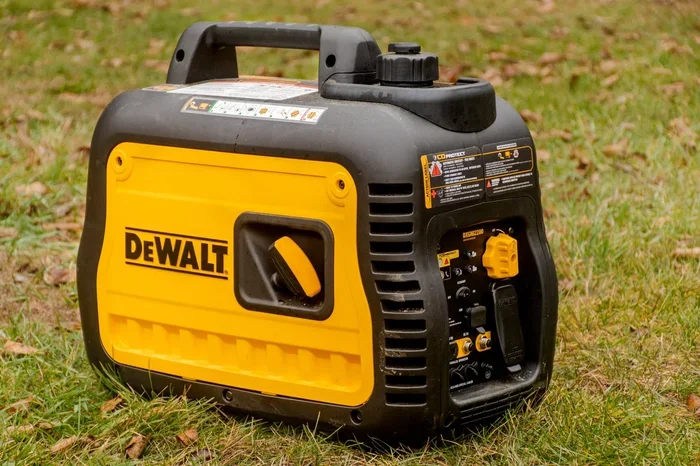
Inverter generators cost a bit more than standard portables. Expect to pay between $800 and $2,000. These units produce clean, stable power. That makes them safe for laptops, TVs, and other sensitive electronics.
They are also significantly quieter. Most inverter models run at 50 to 65 decibels. That is roughly the volume of a normal conversation. If noise is a concern in your neighborhood, an inverter is a smart choice.
Standby Generator Prices
Standby generators are the premium option. The unit alone ranges from $1,500 to $4,000. But add professional installation, an automatic transfer switch, and possibly a concrete pad, and the total climbs to $3,000 to $6,000 or more.
Standby units run on natural gas or propane. They connect directly to your home’s fuel line. When the power goes out, they turn on automatically within seconds. You do not need to manually start them or run extension cords. This convenience comes at a higher price, but many homeowners find it worth every penny.
Types of Generators for a 2 Bedroom House
Not all generators are created equal. Each type has its own strengths, weaknesses, and price point. Choosing the right one depends on your power needs, budget, and how often you expect to use it.
Portable Generators
Portable generators are the go-to choice for many homeowners. They are lightweight, affordable, and simple to operate. You can move them wherever you need power, whether that is your backyard, a camping trip, or a job site.
Most portable units run on gasoline. Fuel is widely available and inexpensive. However, gasoline has a limited shelf life. You will need to rotate your fuel supply regularly. These generators also require manual startup each time the power goes out.
The main downside is limited runtime. Most portable models run for 8 to 12 hours on a full tank. You will need to refill and restart them during longer outages. They also produce more noise than inverter models, typically around 65 to 80 decibels.
Inverter Generators
Inverter generators are a step up from standard portables. They use advanced technology to produce clean, consistent power. This means they are safe for delicate electronics like computers and smartphones.
They are also more fuel-efficient. The engine adjusts its speed based on the load. This means less fuel consumption and longer runtime per gallon. Many inverter models can run for 10 to 14 hours on a single tank.
The trade-off is a higher price tag. Inverter generators also have a lower maximum wattage. They are best suited for running essential items rather than your entire home. For a 2 bedroom house, an inverter generator is ideal if you only need to power a few key appliances.
Standby Generators
Standby generators are the most powerful and convenient option. They are permanently installed outside your home and connect to your electrical system. When utility power fails, the generator kicks in automatically.
These units run on natural gas or liquid propane. Because they connect to your home’s existing fuel supply, you never need to worry about refueling. A standby generator can run continuously for days as long as fuel is available.
Standby generators come in different sizes. A 10,000 to 15,000 watt unit is usually sufficient for a 2 bedroom house. It can power your HVAC system, refrigerator, lights, and electronics all at once. The automatic transfer switch ensures a seamless transition from grid power to generator power.
What Size Generator Do You Need for a 2 Bedroom House?
Choosing the right size is critical. A unit that is too small will struggle to power your appliances. A unit that is too large wastes money and fuel. Here is how to figure out the right size for your home.
Calculate Your Wattage Needs
Start by listing the appliances and devices you want to run during an outage. Each item has a wattage rating, usually printed on a label or in the user manual. Add up the wattages to get your total power requirement.
Here are some common wattage values for a 2 bedroom house:
- Refrigerator: 600 to 800 watts
- Window AC unit: 1,000 to 1,500 watts
- Lights (4 to 6 rooms): 200 to 600 watts
- Television: 100 to 400 watts
- Laptop: 50 to 100 watts
- Microwave: 1,000 to 1,200 watts
- Phone chargers: 10 to 25 watts each
Add a buffer of 20% to your total. This accounts for startup surges, which can be 2 to 3 times higher than running wattage. For most 2 bedroom houses, a generator with 5,000 to 7,500 watts of running power covers essential needs comfortably.
Start-Up Wattage vs Running Wattage
Many appliances draw extra power when they first start up. A refrigerator compressor, for example, needs a brief surge of extra electricity to kick on. Air conditioners have the same issue.
This is called the starting wattage or surge wattage. Always check both the starting and running wattage when choosing a generator. If you exceed the starting wattage capacity, the generator will shut down or fail to start the appliance.
Quick Size Guide for a 2 Bedroom House
- 3,000 to 4,000 watts: Basic essentials only. Refrigerator, lights, and phone charging.
- 5,000 to 7,500 watts: Essentials plus a window AC unit or microwave. Most popular choice for 2 bedroom homes.
- 8,000 to 10,000 watts: Can handle most household appliances simultaneously. Good if you also run a washer or dryer.
- 12,000+ watts: Whole-home coverage. Typically only needed for standby generator setups.
Installation and Running Costs
The upfront cost of the generator is not the only expense. Installation, fuel, and maintenance all add to the total cost of ownership. Understanding these costs helps you plan your budget more accurately.
Installation Costs
Portable generators require no professional installation. You can set one up in minutes. Just place it outside, away from windows and doors, and plug in your appliances with extension cords. However, you should never run a portable generator indoors. Carbon monoxide from the exhaust is deadly.
Standby generators require professional installation. A certified technician will mount the unit, connect it to your fuel line, wire it to your electrical panel, and install an automatic transfer switch. Professional installation typically costs between $500 and $2,000 depending on your location and the complexity of the setup.
Some jurisdictions require permits for standby generator installation. Check with your local building department before purchasing. Permit fees usually range from $50 to $200.
Fuel Costs and Consumption
Fuel costs are a recurring expense that many people overlook. Here is a quick comparison of fuel types and their estimated costs:
- Gasoline: Most affordable upfront. A portable generator uses about 0.5 to 1 gallon per hour under moderate load. At current prices, that is roughly $1.50 to $3.50 per hour of operation.
- Propane: Burns cleaner than gasoline. A standby generator on propane uses about 2 to 3 gallons per day under moderate load. A 20-pound propane tank costs around $15 to $20 and lasts 1 to 2 days.
- Natural gas: The most convenient fuel source. It connects directly to your home’s gas line. Costs vary by region but are generally comparable to propane.
If you live in an area prone to frequent outages, a natural gas or propane standby generator saves you the hassle of constantly refueling.
Maintenance Costs
All generators need regular maintenance to perform reliably. Portable generators require oil changes every 100 to 150 hours of use. Oil and filters cost around $20 to $50 per service. You should also run the generator for 15 to 20 minutes monthly to keep the engine in good condition.
Standby generators need professional maintenance at least once a year. Annual service costs range from $150 to $300. This includes oil changes, filter replacements, battery checks, and a general inspection. Regular maintenance extends the lifespan of your unit and prevents unexpected failures during outages.
Best Generators for a 2 Bedroom House
With so many options on the market, choosing the right brand and model can feel overwhelming. Here are some of the best generators for a 2 bedroom house, organized by category.
Best Portable Generator
The Honda EU3000iS is a top-rated portable inverter generator. It produces 3,000 watts of clean power and weighs just 47 pounds. It is incredibly quiet at 53 decibels and offers up to 20 hours of runtime on a single tank. Price: around $2,200 to $2,500.
For a more budget-friendly option, the Westinghouse WGen3600v delivers 3,600 watts at a price of around $500 to $600. It is a solid choice for basic backup power and runs for up to 18 hours on a full tank.
Best Mid-Range Generator
The Champion 7500-Watt Portable Generator is a popular choice for 2 bedroom homes. It offers 7,500 starting watts and 5,950 running watts. It runs on gasoline and propane, giving you fuel flexibility. Price: around $800 to $1,000.
Best Standby Generator
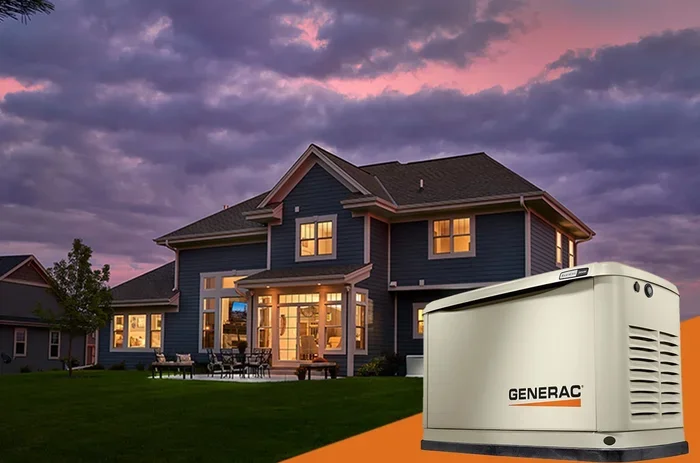
The Generac 22kW Standby Generator is a reliable whole-home option. It runs on natural gas or propane and provides 22,000 watts of power. That is more than enough for a 2 bedroom house. Price: around $3,500 to $4,500 for the unit alone. Professional installation brings the total to $4,500 to $6,000.
For a smaller standby option, the Generac 10kW Standby Generator is well-suited for a 2 bedroom home. It runs around $2,000 to $2,500 for the unit, with total installed costs of $3,000 to $4,000.
Tips to Save Money on Your Generator Purchase
Buying a generator does not have to break the bank. Here are some practical tips to help you save money without sacrificing quality.
Buy During the Off-Season
Generator prices tend to spike before storm season. Retailers know demand increases in late spring and early summer. If you buy during the fall or winter, you can often find significant discounts. Online retailers like Amazon and Home Depot frequently run sales during the off-season.
Consider Used or Refurbished Units
A used or refurbished generator can save you 30% to 50% off the retail price. Just make sure to buy from a reputable source. Check the unit’s runtime hours, maintenance history, and warranty status before purchasing.
Compare Fuel Costs Long-Term
A cheaper generator might cost more to run over time. Gasoline units need frequent refueling and have shorter shelf lives. Propane and natural gas units cost more upfront but save money on fuel over the long run. Factor in fuel costs when comparing total ownership expenses.
Skip Unnecessary Features
Some generators come with extra features like Bluetooth connectivity, color displays, and remote start. These add cost but may not be essential for your needs. Focus on wattage, runtime, and fuel efficiency instead. A simple, reliable unit will serve you just as well.
Common Mistakes to Avoid When Buying a Generator
Many homeowners make avoidable mistakes when purchasing a generator. Here are the most common ones to watch out for.
Underestimating Wattage Needs
This is the number one mistake people make. They buy a generator based on the running wattage of their appliances but forget about starting surges. Always add a 20% buffer and check starting wattage requirements. An undersized generator will overload and shut down when you need it most.
Ignoring Noise Levels
Generators can be loud. If you live in a neighborhood or a community with noise rules, a loud generator could cause complaints. Inverter generators are the quietest option. Look for units rated at 60 decibels or lower for the best neighbor-friendly experience.
Skipping Professional Installation
It can be tempting to install a standby generator yourself to save money. But improper wiring can damage your home’s electrical system or create safety hazards. Always hire a licensed professional for standby generator installation. It is a small cost that protects your investment and your family’s safety.
Forgetting About Maintenance
A generator sitting unused for months will not start when you need it. Regular maintenance is essential. Run your portable generator under load at least once a month. Schedule annual professional service for standby units. A little maintenance goes a long way toward reliability.
How Long Does a Generator Last?
The lifespan of a generator for a 2 bedroom house depends on the type and how well you maintain it.
Portable generators typically last 1,000 to 2,000 hours of use. If you run your generator for 50 hours per year, that translates to 20 to 40 years of service. However, portable units are more prone to wear and tear because they are moved around frequently.
Inverter generators can last 2,000 to 3,000 hours with proper care. Their engines run at lower speeds, which reduces wear. Many inverter models come with warranties of 3 to 5 years.
Standby generators are built for durability. A well-maintained standby unit can last 20 to 30 years or more. They run on automatic exercise cycles that keep the engine lubricated and ready for action. The trade-off is a higher upfront cost, but the longevity makes it a solid long-term investment.
Frequently Asked Questions
What size generator do I need for a 2 bedroom house?
For most 2 bedroom houses, a generator with 5,000 to 7,500 watts of running power is sufficient. This size can handle a refrigerator, lights, a window AC unit, and a few electronics. If you want to power your entire home including the HVAC system, consider a 10,000 to 15,000 watt standby generator.
Is a portable or standby generator better for a 2 bedroom house?
It depends on your needs and budget. Portable generators are affordable and easy to use, making them great for occasional outages. Standby generators are more expensive but offer automatic, seamless backup power. If you experience frequent or prolonged outages, a standby generator is the better long-term choice.
How much does it cost to install a standby generator?
Professional installation for a standby generator typically costs between $500 and $2,000. This includes wiring, fuel line connection, and the automatic transfer switch. The total cost of the generator plus installation ranges from $3,000 to $6,000 depending on the unit size and your location.
How much fuel does a generator for a 2 bedroom house use?
A portable gasoline generator uses about 0.5 to 1 gallon per hour under moderate load. That means a full 8-hour runtime costs around $4 to $12 in fuel. Standby generators running on natural gas or propane use more fuel but connect to an unlimited supply, so you do not need to refuel manually.
Can I run a generator indoors?
No. Never run a generator indoors, in a garage, or near windows and doors. Generator exhaust contains carbon monoxide, which is odorless and deadly. Always place your generator outside at least 20 feet from your home with the exhaust pointing away from windows and doors.
How often should I maintain my generator?
Portable generators need an oil change every 100 to 150 hours of use. You should also run the unit under load for 15 to 20 minutes monthly. Standby generators need professional annual maintenance. Regular upkeep ensures your generator for a 2 bedroom house starts reliably whenever you need it.
Final Thoughts
The cost of a generator for a 2 bedroom house depends on the type, size, fuel source, and installation requirements. Portable generators offer an affordable entry point starting around $500. Inverter generators provide quiet, clean power for $800 to $2,000. Standby generators deliver automatic whole-home backup for $3,000 to $6,000 installed.
Whatever your budget, there is a generator that fits your needs. Start by calculating your wattage requirements. Then decide between portability and convenience. Finally, factor in fuel costs and ongoing maintenance to understand the full picture of ownership.
Power outages are not a matter of if but when. Investing in the right generator for a 2 bedroom house setup gives you peace of mind and keeps your home running when the grid goes down. Use the tips and cost breakdowns in this guide to make a confident purchase. Your future self will thank you when the next storm hits and your neighbors are sitting in the dark.


One Comment